
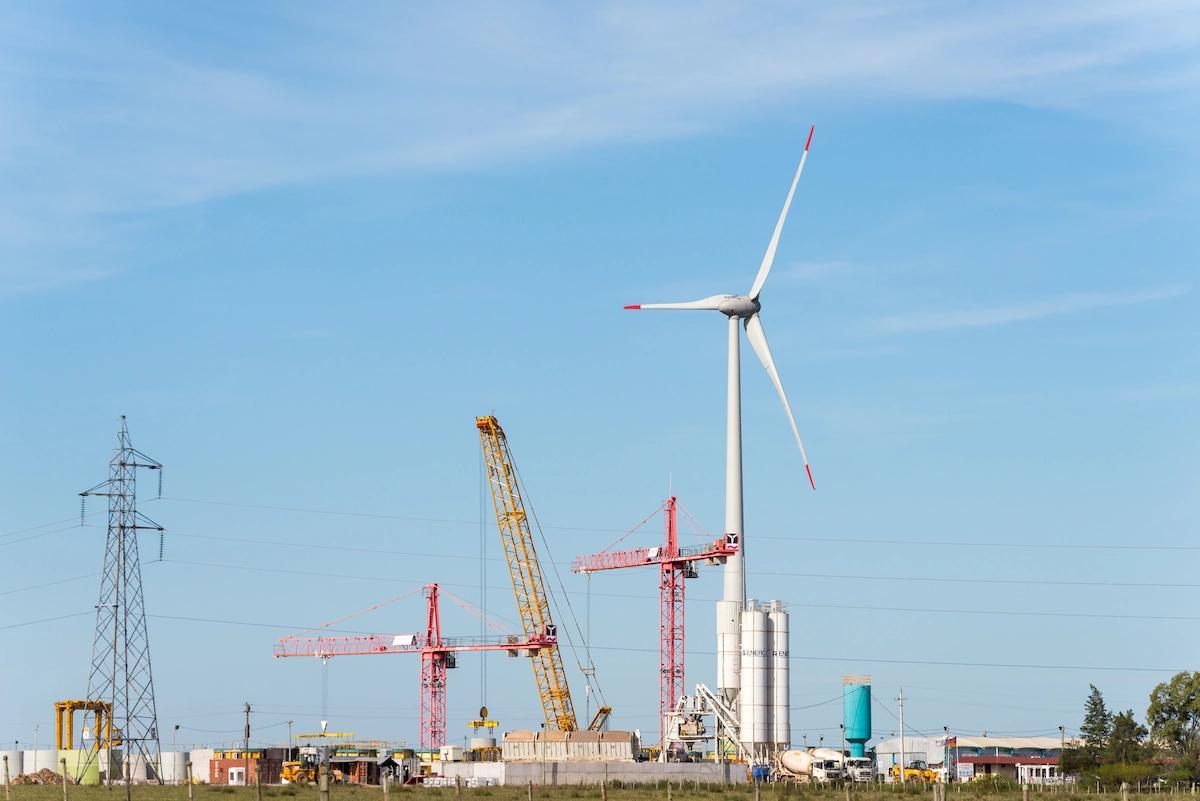
Captive Power Plant: Definition, Types, and Benefits
By Chandra Asri Group Editorial Team
17-03-2026
In the rapidly evolving industry, businesses and factories need to be able to supply energy in a way that ensures the operational process proceeds as planned. Here, power generation, like a captive power plant, plays a crucial role.
A captive power plant is often compared with a conventional power plant, but both actually differ. This article discusses the ins and outs of captive power plants (CPP). So, dive into the complete information below.
What Is a Captive Power Plant (CPP)?
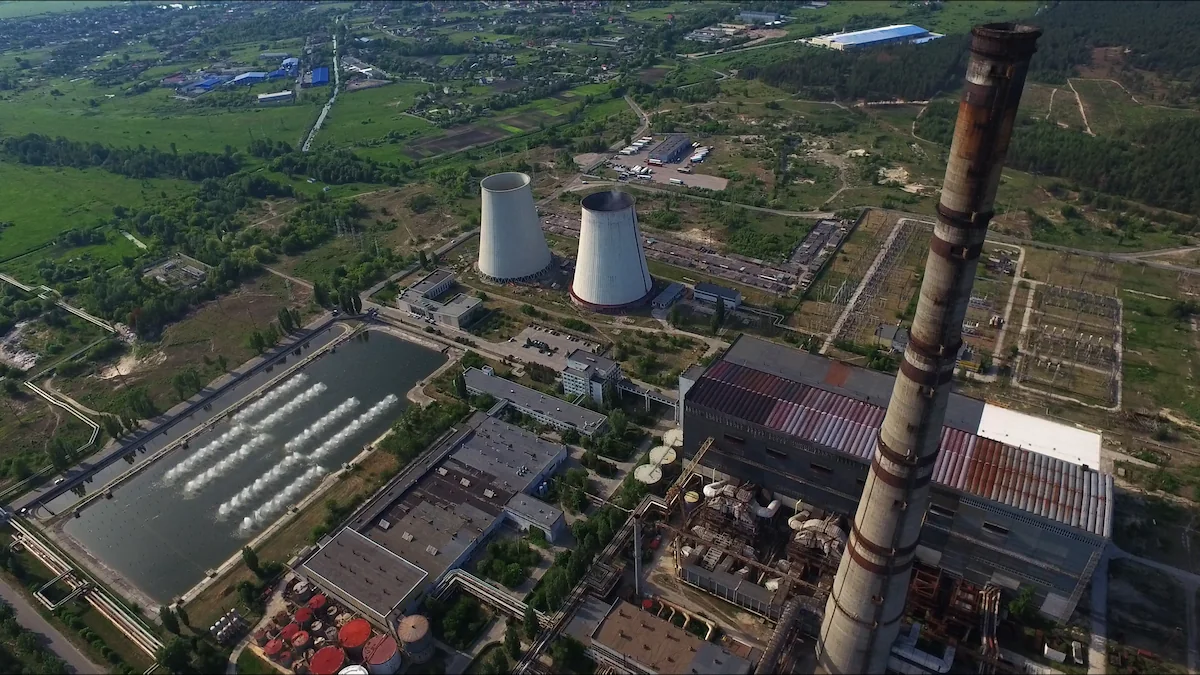
A captive power plant is a power generation facility owned, built, and managed by a commercial entity or industry. The main purpose of CPP is to supply energy to the company.
This feature sets CPP apart from a traditional power plant because it is not connected to the national grid or provides electricity for public needs.
That is why CPP technology is commonly tailored to each company’s needs, ensuring energy security and smooth business processes without relying entirely on external energy sources.
So, why are captive power plants important? The International Energy Agency noted that total energy consumption in 2024 will reach 450 EJ, with nearly 40% of that coming from the industrial sector. Since 2019, the industrial sector has accounted for about two-thirds of the total increase in global electricity consumption.
This means the industrial sector shows a trend of continuously rising energy demand. Businesses may find it difficult to maintain their production lines if they are not balanced with a sufficient energy supply.
Generally, CPP is powered by natural gas, biomass, hydrogen, or biogas. However, many CPPs are already based on renewable energy, such as wind and solar power.
The history of CPP dates back to the Industrial Revolution from the late 18th to the early 19th century. During this period, many factories built on-site energy sources to meet reliable and controllable energy needs. As a result, companies could continue to scale up their operations without relying on external power grids, which were still limited at the time.
Read also: 6 Advantages of Renewable Energy and Its Global Potential
Types of Captive Power Plants
A captive power plant is a facility supported by fossil energy, renewable energy, or both as a hybrid system. Below is the complete explanation:
1. Fossil Fuel-based Captive Power Plants
Fossil fuel-based power plants use natural gas, diesel, or coal to generate energy. Coal-fired power plants typically use a steam turbine system, in which coal is burned to produce high-pressure steam. This steam drives a turbine connected to a generator, thereby generating electricity.
On the other hand, natural gas-fired CPPs use gas turbines and are more flexible, allowing them to adapt to varying loads. This type of CPP is commonly found in the chemical industry, particularly in plants that use combined cycle power plants (CCPPs).
Regarding the CCPP, Chandra Asri Group, as #YourGrowthPartner, operates a 120 MW CCPP through Krakatau Chandra Energi (KCE), containing two heat recovery steam generators (HRSGs), two gas turbines, and one steam turbine. This natural gas-fired power plant supplies electricity to the Krakatau Industrial Estate, which covers 2,666 hectares.
In addition to natural gas and coal, CPPs can also be powered by diesel. Diesel-based power plants are often the primary energy source in remote mining areas because they can operate off-grid.
It also features a faster startup than natural gas and coal plants, thanks to quick-start reciprocating engines (machines that can start immediately and reach full load quickly).
2. Renewable Energy-based Captive Power Plant
Renewable energy-based CPP is a sustainable energy source. It is ideal for commercial and on-site use. It uses solar, hydropower, and wind power to produce greener energy.
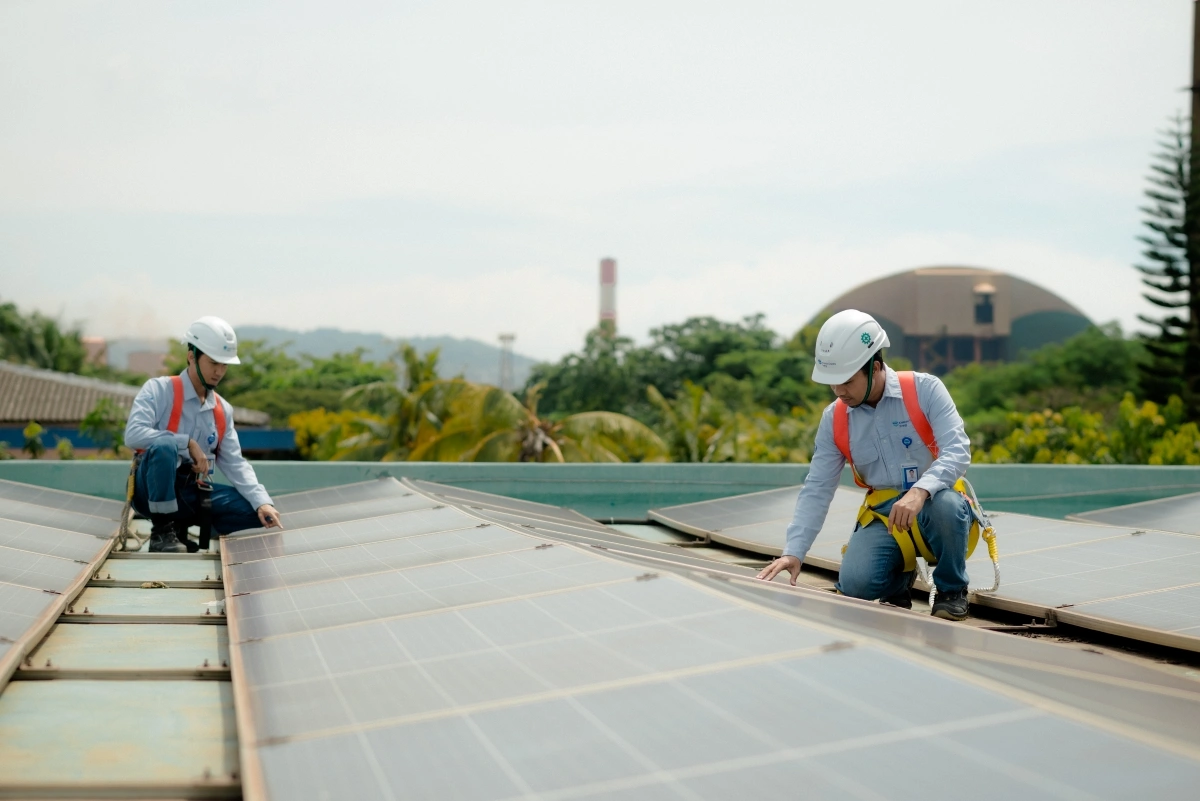
Solar panels are a key component of renewable energy CPPs. Solar panels for industrial CPPs are typically integrated with batteries so that electricity remains available even on cloudy days or at night.
An example of solar panel use in industry is Krakatau Chandra Energi (KCE), which began operating a 102 kWp rooftop solar power plant in 2020. This solar power plant was built on top of KCE’s main station and is connected on-grid to KCE’s electrical grid.
KCE also provides industrial solar panel services with four installation mechanisms: on-grid, off-grid, on-grid with a battery backup system, and hybrid. On-grid installations are integrated with the electrical grid so they can be used immediately.
Off-grid solar panels operate independently without being connected to the power grid, so they require a battery. On-grid systems with battery backup combine an on-grid system with a battery backup to support the solar panels’ performance during power outages.
Then, a hybrid system integrates solar panels in parallel with other energy sources within a single system.
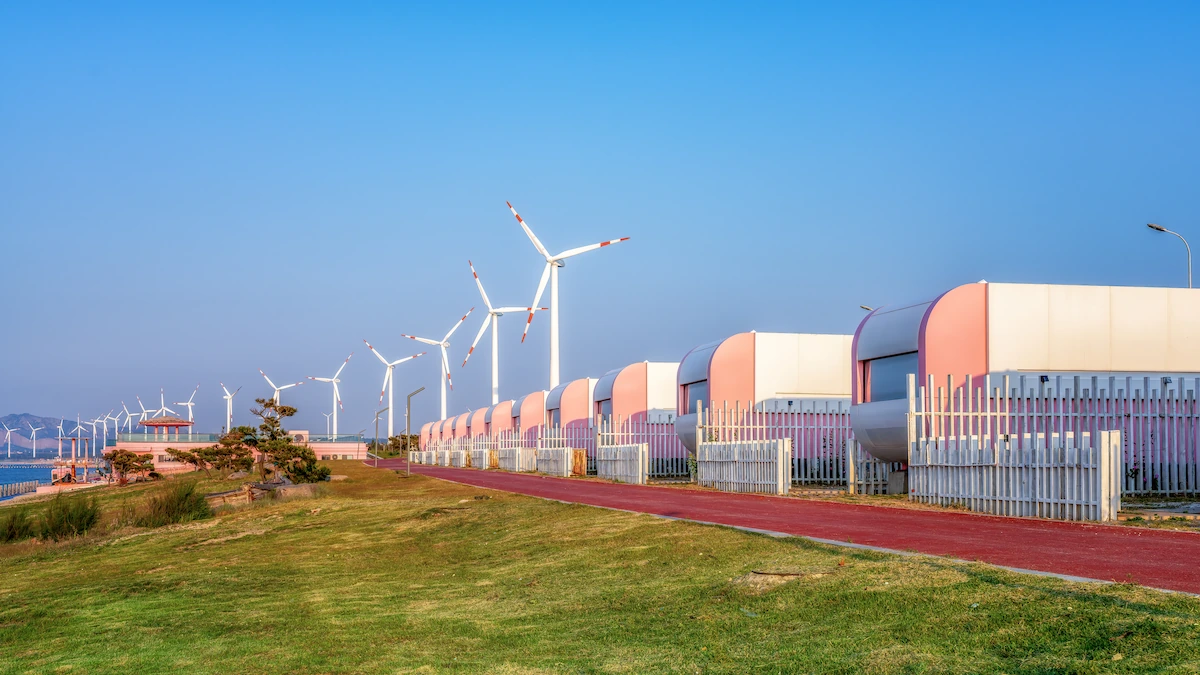
Furthermore, renewable energy CPPs also rely on wind power using small-scale turbines. This CPP is ideal for a coastal industrial complex. Next, hydropower, especially micro-hydro, is also used to supply energy.
Micro-hydro CPPs are ideal for companies located near rivers and irrigation systems because they don't require large reservoirs. In addition to these three types of power plants, some CPPs also utilize geothermal energy. Geothermal CPPs are typically built in industrial areas near hot springs.
Read also: Natural Gas: Types and Its Benefits for Households and Industries
3. Hybrid Captive Power Plants
This CPP integrates fossil energy and renewable energy. A common example of hybrid CPPs is a combination of solar panels and diesel or gas generators.
It aims to increase reliability and energy efficiency. So, when the sunlight is not optimal, you can rely on diesel. In contrast, when the diesel cost is high, you can rely on solar panels.
Advantages of Captive Power Plants
Captive power plants have some advantages for industrial and commercial sectors, such as:
- Cost-effective: You can avoid costs, such as transmission and distribution costs, applied by external energy suppliers.
- Safer and more reliable: CPP has a lower power outage risk since you can monitor the issue and directly manage it before impacting the production flow.
- Energy independence: The company can be more energy independent because it is not fully relying on external energy sources.
- Supporting sustainable concepts: You can support clean energy by using a hybrid CPP system, which combines renewable energy and other energy sources, or by using a renewable energy CPP directly.
That is some information about captive power plants. Captive power plants are essential facilities for the continuity of manufacturing processes.
If you are looking for captive power plant services in Indonesia, entrust it to Krakatau Chandra Energi and the Chandra Asri Group! As a leading energy solutions provider in Southeast Asia, we are ready to provide energy services tailored to your industry’s needs.
Read also: What Is Clean Energy? Benefits, Types, and Examples
.png&w=3840&q=75)