
29-06-2026
Get to Know Singapore's Energy Crisis and the Energy Measures
By Chandra Asri Group Editorial Team
When geopolitical conflicts escalate, their impact extends far beyond national borders. Recent tensions in the Middle East have highlighted the vulnerability of global trade, with disruptions to shipping through the Strait of Hormuz raising concerns over energy security, supply chain resilience, and rising transportation costs worldwide.
As one of the world's most important maritime chokepoints for oil and gas exports, any disruption to traffic through the Strait can delay the distribution of fossil fuels to importing countries.
As a nation that depends heavily on imported fossil fuels, Singapore is also vulnerable to heightened supply risks and price volatility.
This article discusses Singapore's energy crisis, its response to it, and the potential for renewable energy to secure the country's long-term energy supply. To get a better understanding, read the information below.
Singapore’s Energy Crisis: What Happened in Q1 of 2026?
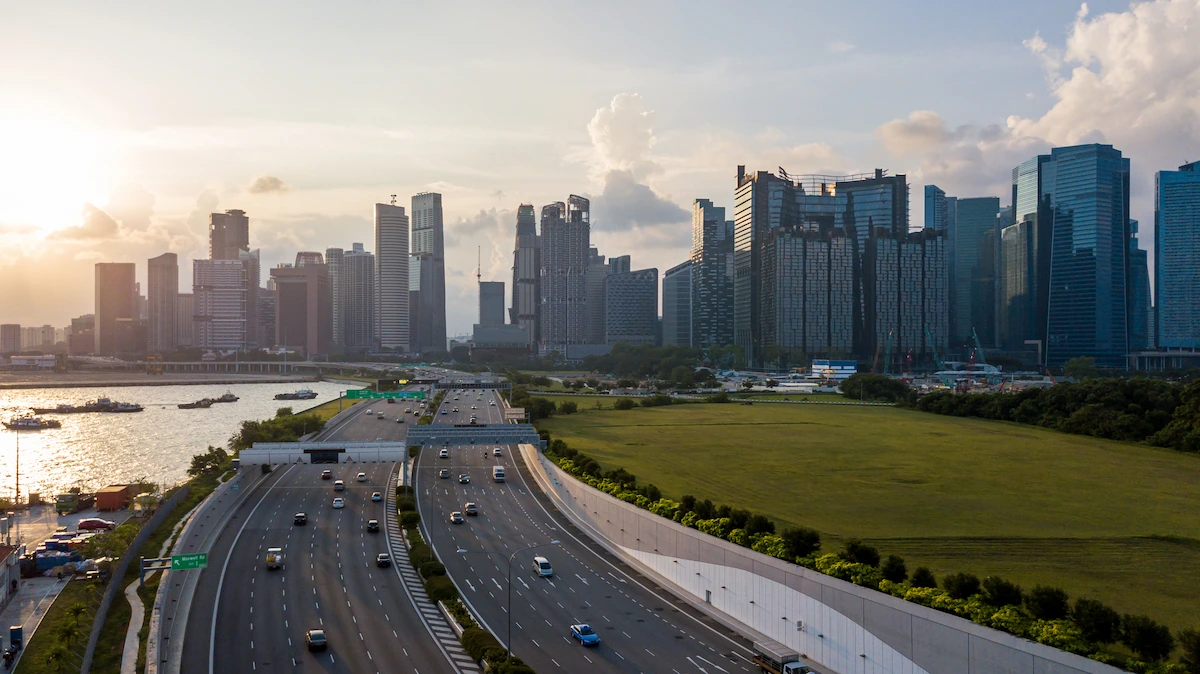
The Middle East conflict and the Strait of Hormuz shutdown have impacted many countries worldwide, including Singapore. This conflict constrains the global fuel supply chains and restricts the energy distribution to countries, though the demand for them is still high.
Also, Singapore relies heavily on energy imports. About two-thirds of Singapore's oil imports come from the Middle East.
In addition, the International Energy Agency (IEA) reported that Singapore’s trend in energy imports rose to 97% in 2023. This puts Singapore in a vulnerable position to supply chain disruption, especially when added to the Middle East war.
The supply chain havoc then begins to impact fuel prices in the country. Gas, electricity, and grocery prices skyrocket. It certainly pushes the government to take action and Singaporeans to redefine their lifestyle.
As an industrial country-state, Singapore relies heavily on energy supply, especially for electricity. According to Our World in Data, the energy use per person (from electricity, heating, and transport) reached 180,702 kWh in 2024. For electricity, the generation per person was 10,246 kWh in 2025.
Despite the high consumption of energy and electricity, the price keeps jumping as the Middle East conflict resumes. This influences the electricity consumption among Singaporeans, as they begin to watch their air conditioner (AC) use.
For context, air conditioners consume the most energy in Singaporean households. The National Environmental Agency (NEA) noted that 30% of the typical household electricity consumption goes to AC, followed by the fridge (20%) and lighting (15%) in 2025.
The air conditioning use in the nation overall is considerably high. In addition to houses, malls, streets, buses, trains, and offices use air conditioning amid the hot and humid weather of the tropical country.
Now that the electricity bills have risen due to Singapore's energy crisis, people must keep the AC to 26–27℃ only. Government employees must set the AC to 25℃ and control the usage duration. A few offices in the nation also operate without AC or are urged to switch to fans.
Read also: A Guide to Solar Energy in Singapore: Why Does It Matter?
What Singapore Does to Handle the Crisis
Urging the public to save energy is just one among several actions Singapore has taken. To make sure that the economy runs optimally and the energy supply is secure, the Singaporean government also makes other efforts.
First, it supports households, workers, and businesses with nearly $1 billion in emergency support in the form of rebates, vouchers, cash payouts, and expanded grants.
Then, Singapore has adopted multiple measures to safeguard energy security, such as:
- Diversifying LNG imports: Singapore imported LNG from other countries, like Australia, to replace Middle East supplies.
- Fuel stockpile: Mixing gas and diesel for power-generation companies during severe disruption.
- Dual-fuel capability: The energy authority must have the dual-fuel capability of gas and diesel to ensure readiness.
Additionally, to mitigate the crisis, the Singaporean government warns the public to get prepared for energy-saving efforts. Through a release issued on April 8, 2026, the government urged people, companies, and households to save energy and resources by implementing these five easy steps.
- Use a fan to stay cool.
- Set the air-conditioning to 25 or higher.
- Switch off unused appliances.
- Choose energy-efficient appliances.
- Choose greener commutes.
Of course, the government is taking the lead in the energy conservation effort. Clarified on the release, all ministries, departments, organs of state, and statutory boards have been instructed to implement energy-saving strategies to lower the amount of electricity used in government buildings while maintaining operational requirements when it is feasible.
The government also advised on installing energy-efficient systems and promoting energy conservation habits.
Read also: Renewable Energy in Singapore: Potential and Development
Can Renewable Energy Become an Energy Solution?
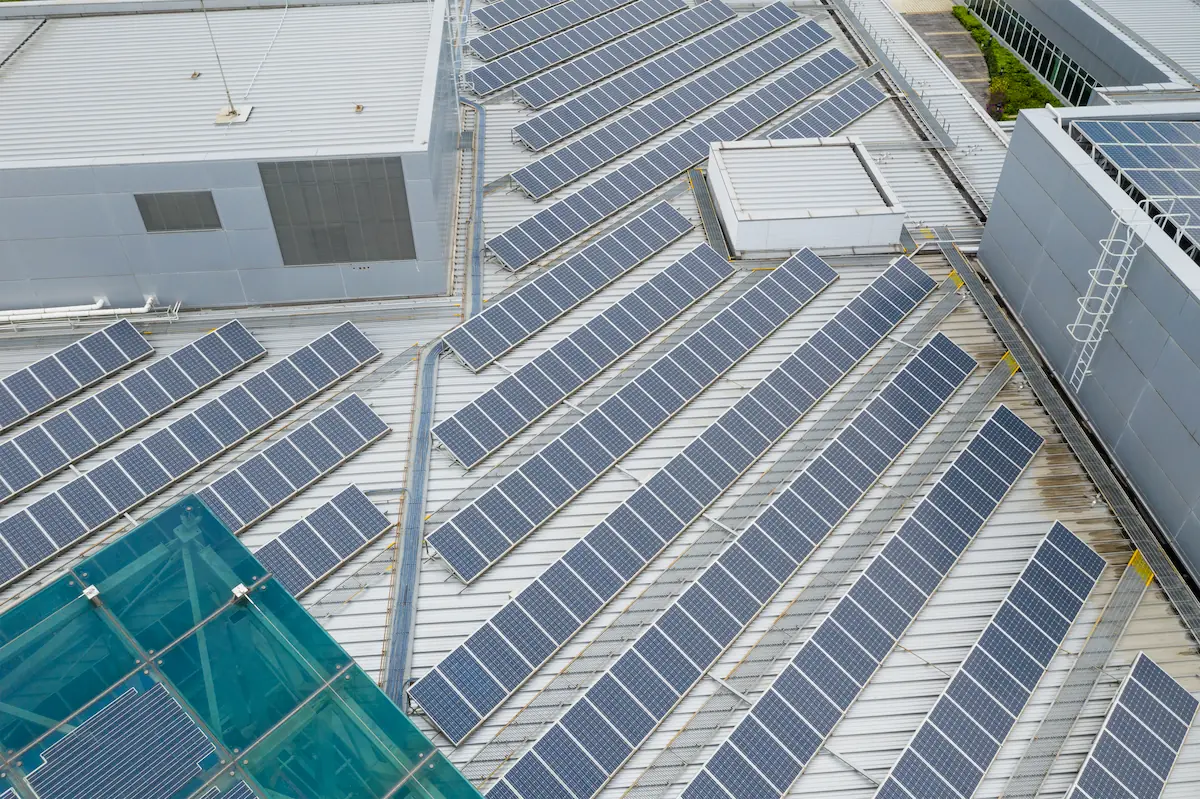
Singapore’s energy landscape also invites discussion on renewable sources. As a country located near the equator, Singapore has the potential to harness solar energy as part of its future energy supply.
Solar photovoltaic (PV) is a potential renewable energy source for Singapore due to the country's high average annual solar irradiation of roughly 1,580 kWh/m2. Solar energy is also highlighted in the Singapore Green Plan 2030.
This green plan emphasized “Energy Reset," aiming to use cleaner energy to tackle climate change. One of the pillars, Green Energy, highlights that solar energy is the most promising renewable energy source for electricity generation.
Recently, Singapore has 60 MWp of inland floating solar PV at Tengeh Reservoir, which has a size of 45 football fields. The plan also points out that Singapore will continue to maximize solar panel deployment of 2 GWp by 2030, which can cover about 350,000 households.
The plan for deploying solar panels also comes with its own set of challenges. Singapore has limited land and a dense population, making it formidable to deploy large-scale solar panel installations.
However, Singapore has the answer to the challenge. Collaborating with other government agencies and the industry, it will deploy solar panels on rooftops, reservoirs, offshore spaces, temporary vacant land, and buildings.
Therefore, it can be said that using solar energy can be one of the promising ways to ensure a long-term energy supply.
Reliable Solar Energy Solution by Aster
Aster Chemicals and Energy Pte. Ltd. (Aster), a member of Chandra Asri Group headquartered in Singapore, operates across diverse sectors, including energy, engineering, fuels, petrochemicals, ports and terminals, specialty products, and sustainable solutions.
Driven by Singapore’s Sustainability 2030 goals, Aster is reshaping the regional energy landscape through solar innovation and visionary green technologies that empower communities and accelerate the energy transition.
Beyond renewables, Aster maintains a strong basis in the petrochemical industry, supplying essential building blocks for midstream and downstream production. Our products include propylene, ethoxylates, ethylene, styrene, and other critical chemicals that support a wide range of industries.
If you are looking for a trusted partner in petrochemicals and energy solutions in Singapore, entrust your needs to Chandra Asri Group and Aster, #YourGrowthPartner!
Read also: Renewable Energy in Thailand: Why Does It Matter for Us?