
A Guide to Solar Energy in Singapore: Why Does It Matter?
By Chandra Asri Group Editorial Team
19-02-2026
Solar energy has become one of the renewable energy solutions applied by many countries, including Singapore. As one of the best-planned cities in the world, Singapore must ensure that it can provide a stable and reliable electricity supply.
That is why the implementation of solar energy in Singapore is gaining traction. This article discusses why solar energy is suitable for Singapore. To find out more information, read the article until the end!
Overview of Solar Energy in Singapore
Singapore is a country and city-state located in Southeast Asia, which means it experiences more sunlight due to its tropical climate. This momentum should be leveraged appropriately, especially for power generation and energy supply.
This is where solar energy plays its role. Through a solar panel, Singaporeans can harness the sun's energy to generate more electricity, of course, in a more sustainable manner.
The International Trade Administration (ITA) noted that Singapore had planned a 1.5 GW peak of solar energy deployment in 2025. Since only 1% of electricity is currently produced by solar panels, solar energy’s contribution is projected to reach 3% by 2030.
To fulfill its electricity demand, Singapore relies on 95% natural gas combustion, as it does not have access to wind or hydropower. Although this country has a limited remaining land area, it does not mean that solar panels cannot be leveraged here.
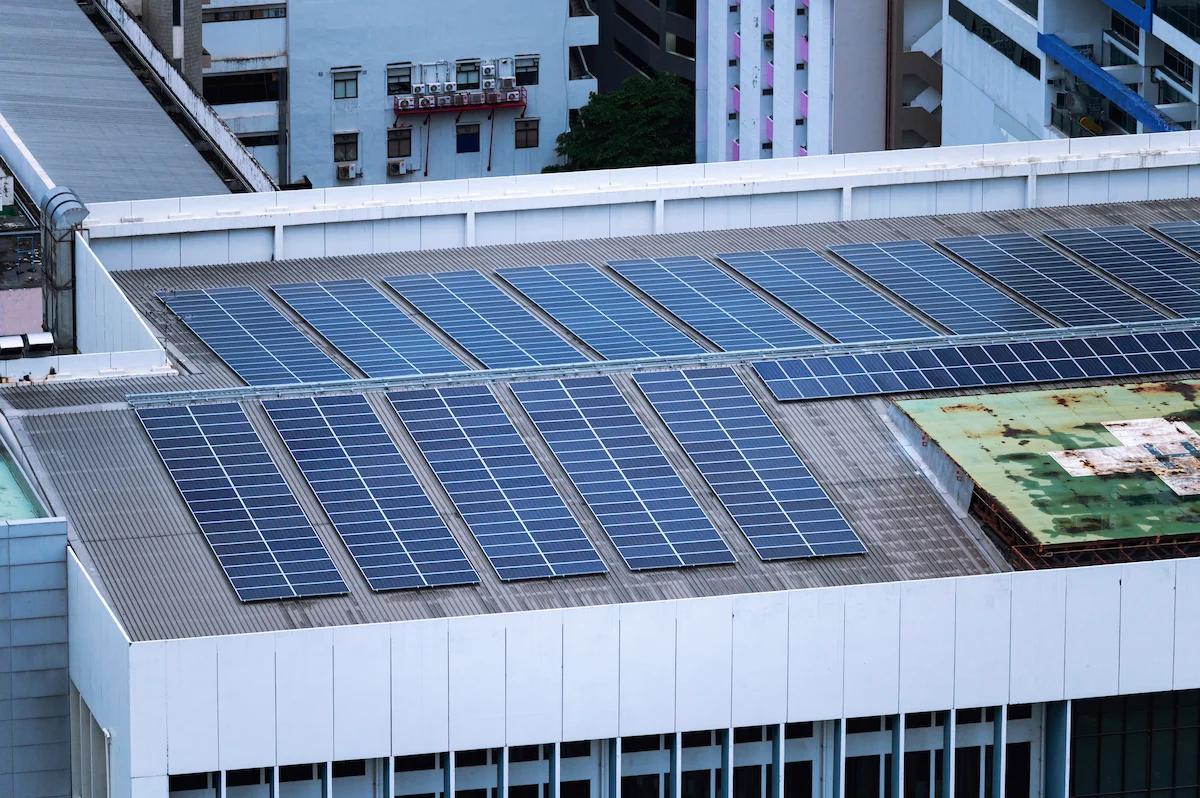
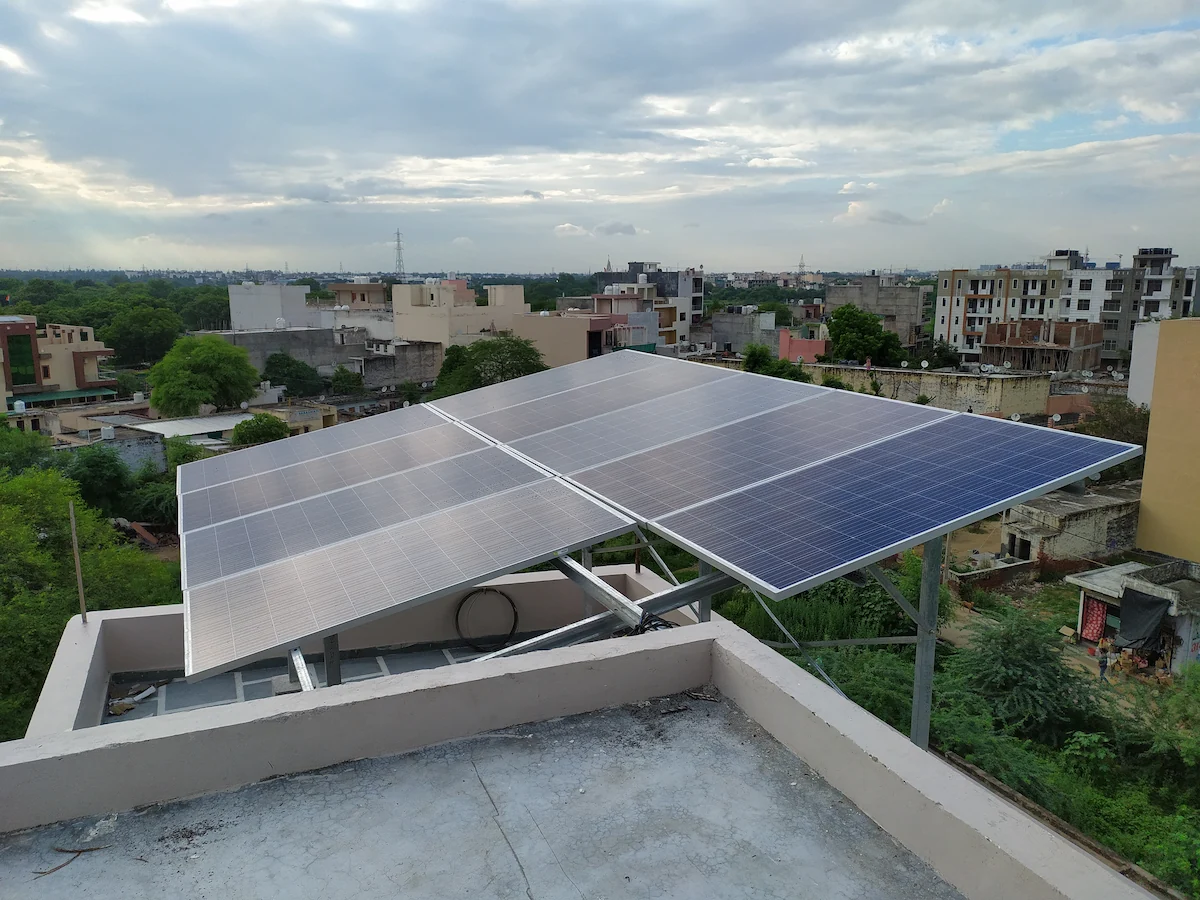
Singapore can adopt solar panels for rooftop installation that also become energy backups for the buildings. Also, a floating solar farm can be implemented to supply electricity from seawater.
Aside from its potential for solar energy, the solar panel deployment can also support the Singapore Green Plan 2030. It is a movement to advance Singapore’s agenda on sustainable development.
It is part of Singapore’s commitments to achieving the Paris Agreement and the UN’s 2030 Sustainable Development Agenda. Along with thirty other nations, Singapore was among the first to ratify the Paris Agreement on September 21, 2016, in New York. This agreement is made to combat climate change.
Additionally, Singapore is in favor of the 2030 agenda, which aims to mobilize efforts to tackle inequality, end poverty, and address climate change, as depicted in the Sustainable Development Goals (SDGs).
The nation believes that the SDGs should concentrate on bringing about significant and tangible improvements and that they should be allowed to pursue the goals however they see fit, taking into account their own priorities and national circumstances.
Some key targets are planting 1 million more trees, quadrupling solar energy deployment by 2025, reducing waste sent to landfill by 30% by 2030, having all newly registered cars be cleaner-energy models from 2030, and many more.
Read also: How Do Solar Panels Work? Examples & Benefits You Must Know
Why Is Solar Energy Suitable for Singapore?
Singapore has an area of 735.7 km2 with a high population density, making it challenging to establish a solar field. Singapore also does not have a proper river system for hydropower. Then, how do they pursue renewable energy?
Singapore has invested in sustainable research and development to apply solar panels, which are to be installed on the rooftops of high-rise public housing developments and on the water surface.
Despite the challenges faced, solar panels have become a go-to solution for renewable energy. The grid-connected solar installed capacity actually doubled to 1,775 MWp between 2022 and the first half of 2025, according to the Energy Market Authority.
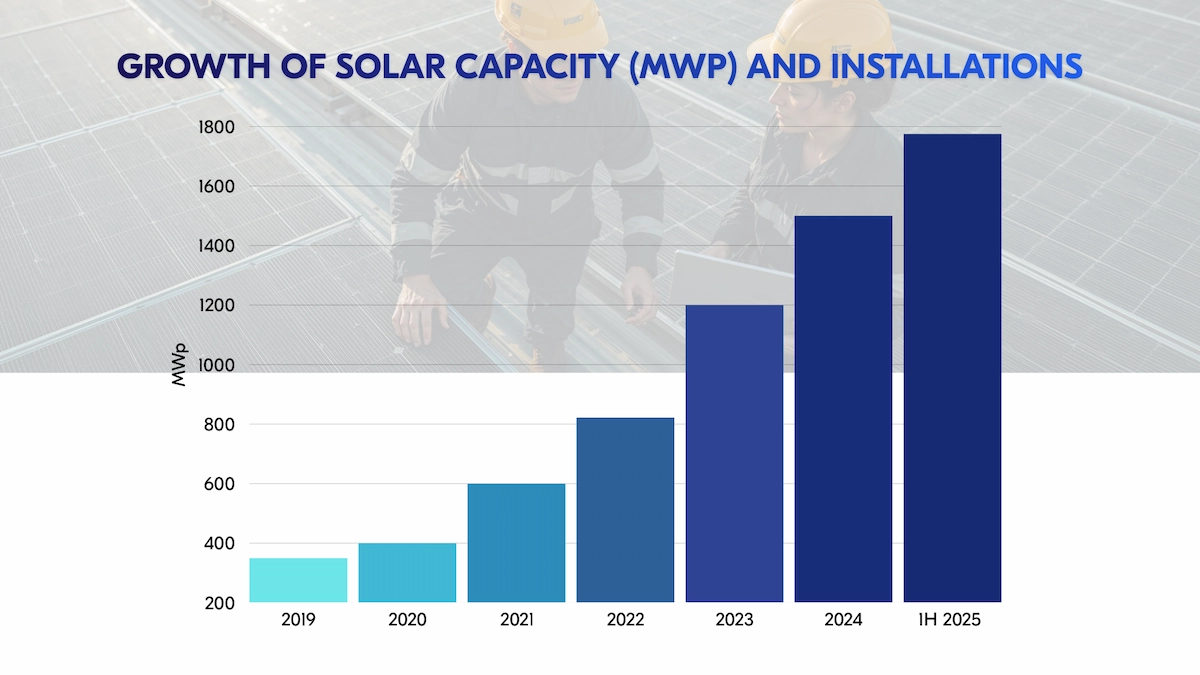
The Energy Market Authority also added that in the first half of 2025, there were 12,188 solar photovoltaic (PV) installations in Singapore, with residential installations contributing the most.
From this data, it can be concluded that solar energy in Singapore has great potential and areas for development. With the right solar energy company in Singapore or providers, the national sustainable targets can be accomplished efficiently.
Read also: Solar Power Plant: Definition, Benefits, and Example
Benefits of Solar Energy
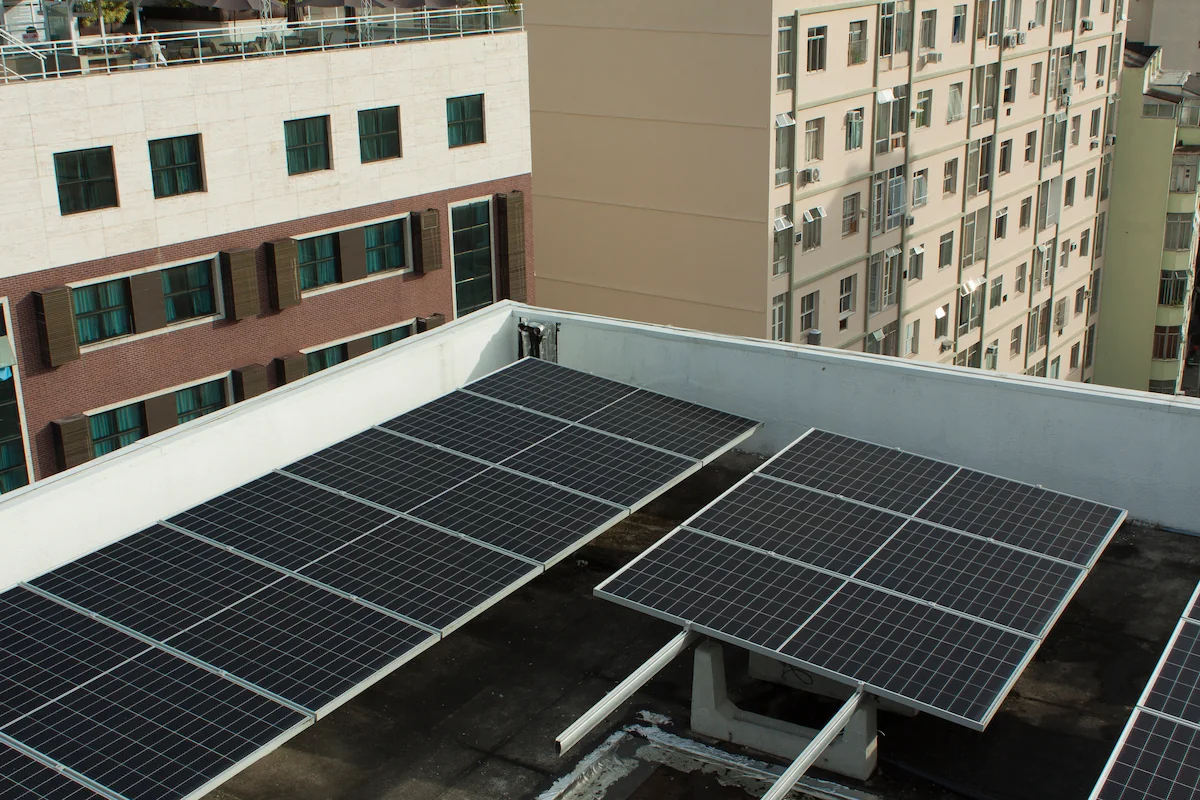
Solar panels give many advantages for all levels of society, from dwellers to public service providers. Here are the benefits of solar energy you can get:
1. Reduces Carbon Emission
Since solar energy utilizes sunlight, it produces fewer carbon emissions per unit compared to natural gas or fuel-based power generation.
The International Energy Agency (IEA) mentioned that collectively, clean energy technologies (one of which is solar PV) currently stop about 2.6 Gt of emissions per year, or 7% of the world's CO₂ emissions related to energy. Global CO₂ emissions would have increased threefold during the same time period without them.
The IEA also added that at the global level, solar panel deployment for more than six years could halt 1.4 Gt of annual emissions. Therefore, solar PV can become one of the sustainable choices to reduce the nation’s annual carbon emissions.
2. Boosts Property Value
Houses with solar panels installed on the rooftop usually have a higher market value. This is because the initial investment for a solar PV is quite high and the effect is long-term. Also, the price can be 4% higher than the usual house, which can be profitable for you to sell your property.
3. Low Electricity Bills
Solar PV works to transform sunlight into electricity using photovoltaic cells. The electricity can be used directly for your appliances or stored in batteries. This surely can lower your electricity bill since you do not rely on traditional power.
Effective and Reliable Solar Energy Solution
In spite of having a limited area for solar energy deployment, it does not stop Singapore from implementing sustainable energy for a greener nation. Now, you can choose either rooftop or floating solar panels for your energy needs.
Chandra Asri Group, as a prominent energy, chemical, and infrastructure company in Southeast Asia, provides renewable energy solutions for you through Krakatau Chandra Energi (KCE).
KCE, as a subsidiary of Chandra Asri Group, can fulfill your solar PV needs with the Solar On-Grid System, Solar Off-Grid System, and Solar Hybrid System.
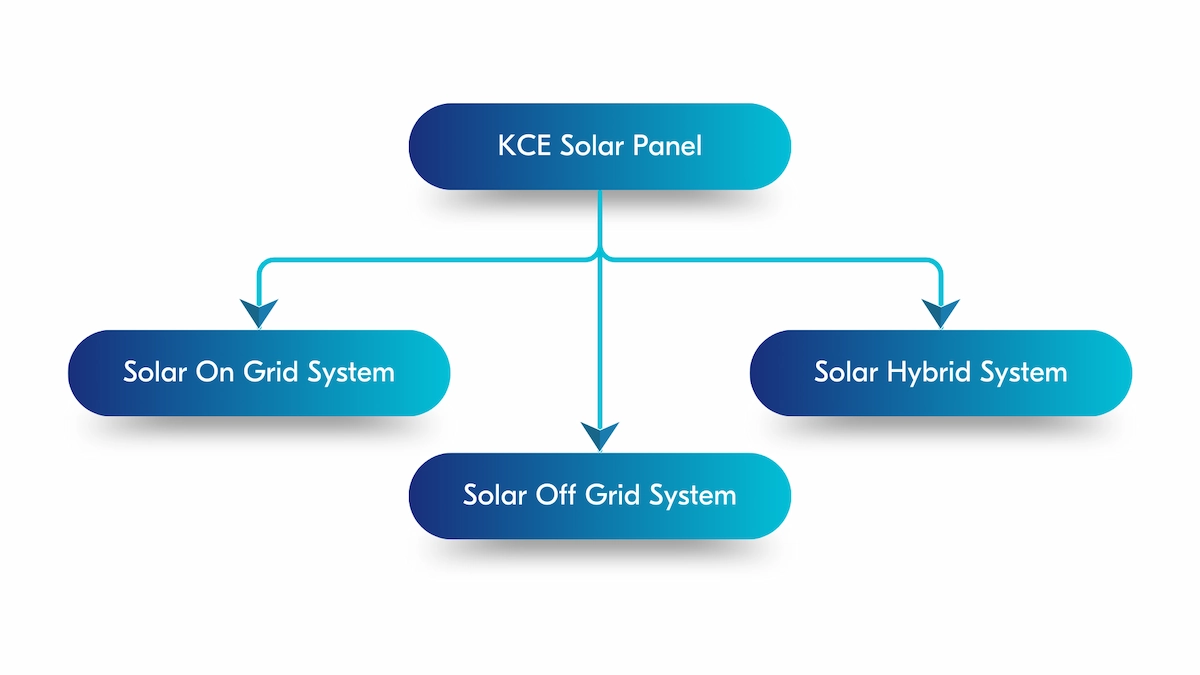
By integrating solar panels with the power grid, the on-grid system enables direct transmission of generated energy through the grid without the need for battery backups.
On the other hand, the off-grid system requires energy storage in batteries for usage based on battery capacity and functions automatically without being connected to the grid.
Then, the hybrid system combines various energy sources to meet the electricity needs and allows integration between different systems.
So, are you ready to achieve a sustainable life? Contact Chandra Asri Group as #YourGrowthPartner now to choose your solar panels!
Read also: 12 Types of Power Plants for Alternative & Renewable Energy
.png&w=3840&q=75)