
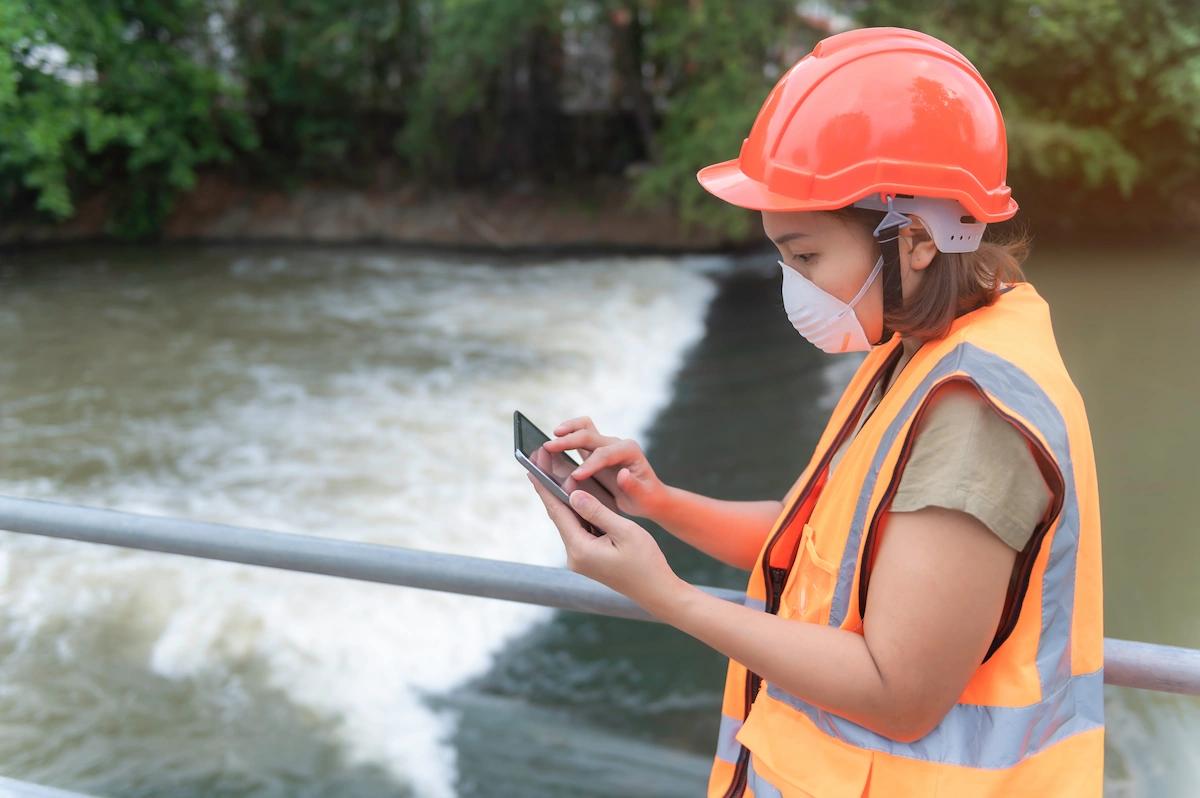
21-05-2026
Water Quality Monitoring System & Its Role in Water Treatment
By Chandra Asri Group Editorial Team
Water is one of the primary needs for households and businesses. To ensure it is safe for health and operational processes, water must meet quality standards monitored across three parameters, namely biological, chemical, and physical.
That is why a water quality monitoring system exists to observe and analyze water quality in real time. This article discusses the role of the water quality monitoring systems and how they work. Read on until the end.
What Is a Water Quality Monitoring System?
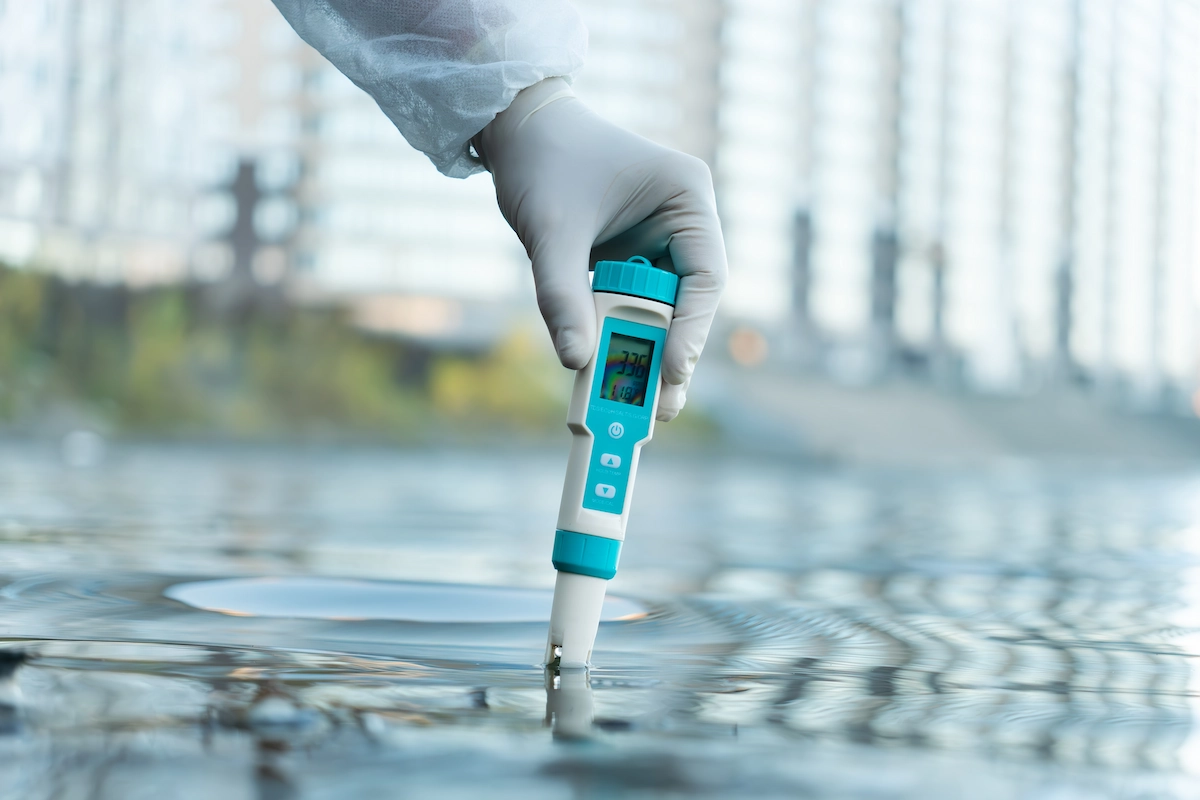
A water quality monitoring system is a network of instruments that measures water conditions. The measurement data is then sent to authorized parties, such as water treatment companies or local governments, to be used accordingly.
In general, a water quality monitoring system monitors parameters such as pH levels, turbidity, temperature, dissolved oxygen, algae, and more. The monitoring devices are installed in the water at all times, so they can provide real-time data.
A common example of the use of a water quality monitoring system can be found in lakes or water reservoirs. The monitoring devices are permanently installed or floated on the water surface and equipped with multiple sensors.
Water quality monitoring systems are generally used by water treatment industries that process raw water into usable water. In addition, this monitoring system is also used to prevent water pollution and maintain public health.
Read also: 10 Water Purification Techniques for Industry & Houses
Why Is a Water Quality Monitoring System Important?
A water quality monitoring system has five important purposes: identifying changes in water quality over time, identifying problems related to water quality, obtaining information to prevent pollution, determining strategies to address pollution, and responding to emergencies, such as floods.
It should be noted that bodies of water can change rapidly due to various factors, such as weather, currents, and sunlight exposure. These factors can promote algae growth and alter water quality.
Without a water quality monitoring system, for instance, by relying only on random samples, you may potentially miss some things that should be tracked, such as oxygen depletion during the night.
The smart water quality monitoring system operates automatically and in real-time, so problems can be detected immediately. The sensors installed in the system will send data periodically and create patterns that can be read.
As a result, you can monitor the increase of algae, temperature, or turbidity right away. This certainly helps you determine handling strategies before regulatory violations occur or complaints from customers arise.
Components of the Water Quality Monitoring System
This monitoring system works within a framework that depends on sensor sensitivity, data transmission speed, and advanced analysis so that the information can be used for various purposes. The components of the water quality monitoring system are as follows:
1. Sensor
Sensors are the main component of a water quality monitoring system. These elements measure water quality based on three parameters: biological, physical, and chemical.
The most common sensors found in a water quality monitoring system are pH sensors, temperature sensors, ammonia sensors, turbidity sensors, heavy metal sensors, and many more. The combination of sensors used depends on specific monitoring requirements.
For example, to monitor the quality of raw water that will be processed into drinking water, the combination may include temperature, pH, turbidity, and dissolved oxygen sensors.
Meanwhile, the sensors used to monitor wastewater generally consist of heavy metal and nitrogen ammonia sensors that assess the level of pollution contained in it.
2. Power System
This system supplies energy to devices submerged in water. The energy source can come from batteries or solar panels. This way, you can control the device remotely.
3. Data Collector
This component is responsible for collecting, storing, and sending data from sensors into a cloud storage system. A data collector can connect to multiple sensors simultaneously. It may also be equipped with a wireless communication module so it can be operated remotely.
4. Monitoring Center
The monitoring center typically consists of databases, servers, monitoring software, and computers. It obtains information from various data collectors, automatically analyzes the data, and generates a comprehensive report.
This information center can also remotely manage the devices installed in water bodies, for example, to start and stop data collection.
Read also: What Is Distilled Water? Here Are the Uses and Benefits
How the Water Quality Monitoring System Works
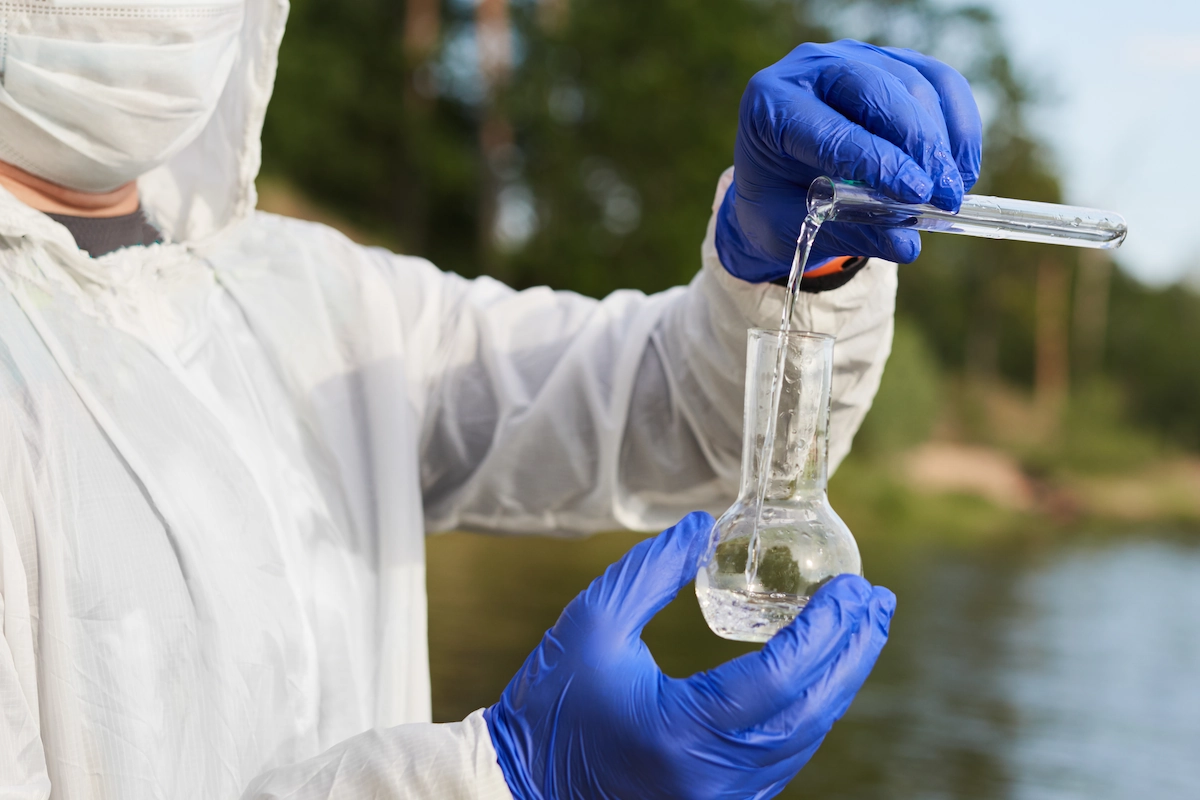
Now, you know all the elements of a water quality monitoring system. So, how do these devices actually work?
Sensors installed in the water body will continuously transmit data. The data collector will read the data sent by the sensors and transfer it to the monitoring center through wired or wireless network protocols.
The monitoring center will automatically analyze statistical and visual data to detect irregular patterns and identify water quality issues.
The analyzed data will be displayed live on the dashboard. Here, you can manage and filter the data according to your needs.
In fact, the monitoring dashboard is now equipped with machine learning algorithms that can identify pattern changes and predict future trends based on previously stored data.
In addition to machine learning, IoT water quality monitoring systems are also becoming increasingly common, where this system uses IoT (Internet of Things) sensors to monitor pH, temperature, and dissolved oxygen.
Clean Water Service Provider for Industry
The water quality monitoring system ensures that the water used for various purposes meets safety and health standards. Industrial water quality also needs to be monitored to prevent disruptions to operational processes or damage to equipment.
At Chandra Asri Group, you can obtain industrial water that is carefully and precisely processed by the Krenceng and Cidanau Water Treatment Facilities.
Both of these water treatment installations, under the operation of Krakatau Tirta Industri (KTI), treat raw water from the Cidanau River, Cipasauran River, and Nadra Krenceng Reservoir so that it can be used by various industries.
The Krenceng Water Treatment Installation has an installed capacity of 1,800 liters/second, while the Cidanau Water Treatment Installation operates 3 intake pump units, each with a capacity of 600 liters/second.
The Cidanau Water Treatment Installation is also equipped with a flushing building, a tapping building, and a mud pocket channel located on the right side of the dam.
So, there is no need to be confused about finding a source of clean water for industrial purposes. Trust Chandra Asri Group and Krakatau Tirta Industri, #YourGrowthPartner!
Read also: Ultrafiltration: How It Works & Its Difference with RO
.png&w=3840&q=75)