
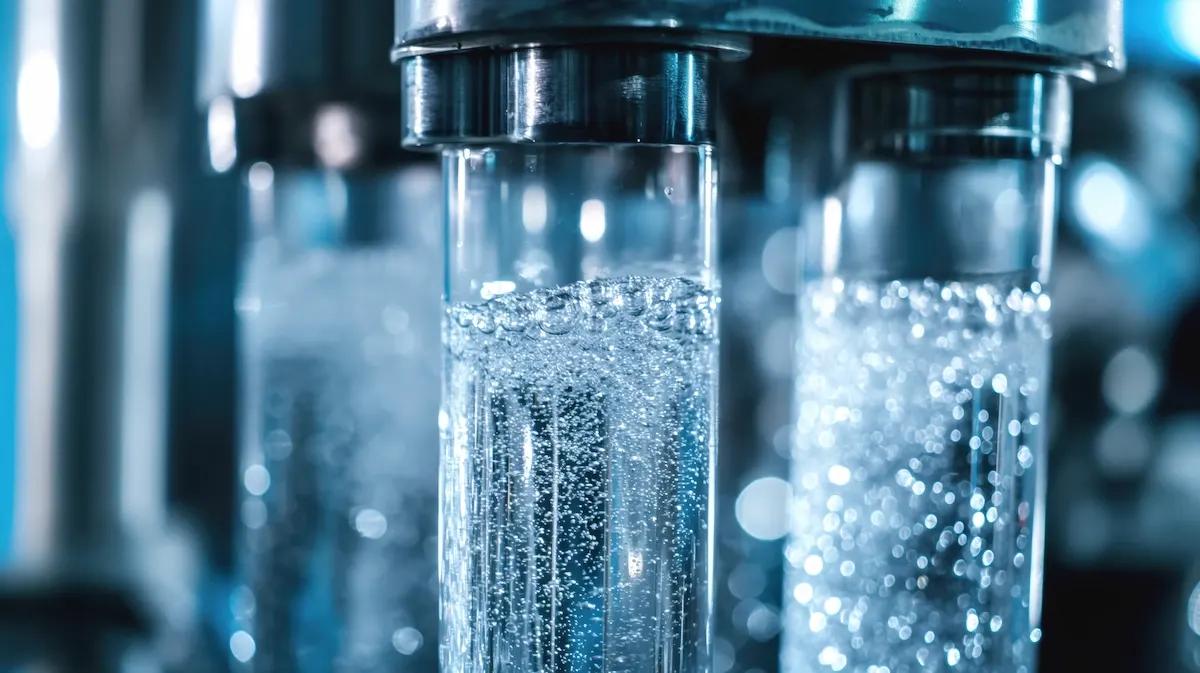
10 Water Purification Techniques for Industry & Houses
By Chandra Asri Group Editorial Team
23-12-2025
When we are talking about water resource management, the facilities use various water purification techniques so that the result is safe and meets the standard.
Among water purification techniques you can do are boiling water, distillation, and so on. This article discusses various water purification techniques, so read it until the end to learn more!
Why Must We Purify Water?
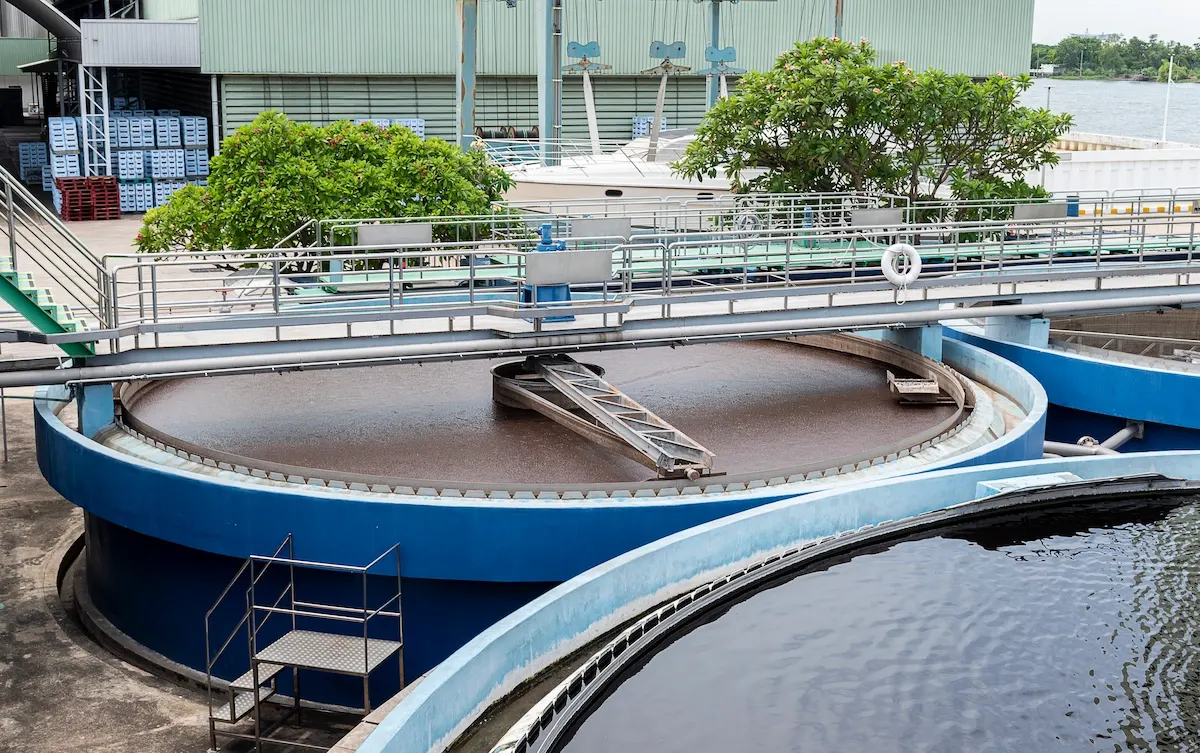
Before we talk about the water purification techniques, let’s learn the reasons why we must purify water. The main purpose is to reduce or remove contaminants, such as parasites, algae, sediments, bacteria, viruses, fungi, and many more.
In fact, in order to be suitable for public consumption, treated water must meet Quality Standards. The World Health Organization (WHO) noted that in 2022, 1.7 billion people worldwide consumed water contaminated with feces. Continued consumption of this water can certainly be harmful to health.
Furthermore, of the 2.2 billion people who use water every day in the same year, 296 million took water from wells and unprotected water sources, and 115 million took water from lakes, rivers, and waterways without treatment.
The ability to access clean water is generally influenced by factors such as geographical areas that are not conducive to clean water access, sociocultural factors, low income, and others.
That is why proper water purification techniques are crucial to ensure water is safe for consumption, does not pose health risks, and is suitable for use.
Read also: Industrial Water: Functions & Aspects You Must Consider
Water Purification Techniques
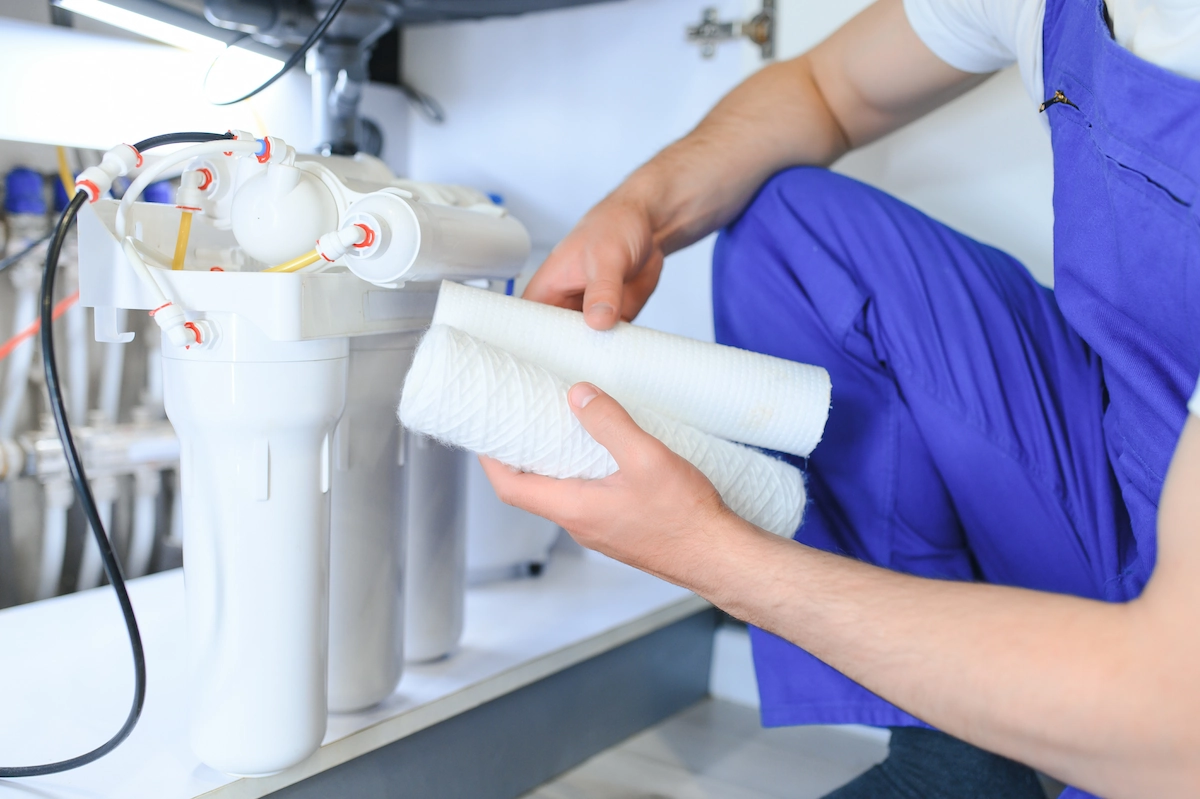
There are many water purification techniques you can do, from the simple to the advanced. Below are some of the methods:
1. Boiling Water
Boiling water is the most cost-effective water purification technique you can use. By boiling water, you can remove viruses, bacteria, and other impurities. Typically, organisms cannot live in water where the temperature is above 100 degrees Celsius.
Yet, boiling it is not enough because the remaining impurities can deposit at the bottom of the pot. Therefore, you must filter the water, cover it, and let it cool.
2. Reverse Osmosis
Reverse osmosis (RO) is a water purification method using a semipermeable membrane. The pores are so tiny that only water can pass through them. RO can be used to remove harmful chemicals, solids, salts, and other particles.
RO uses high pressure to force water to pass through the membrane and filter contaminants. This method can also remove taste and odor from water.
3. Filtration
Filtration is one of the most common water purification techniques. You can use filtration when you want to filter water but do not want to lose the beneficial minerals.
The process can be done physically or chemically until the water is potable and safe. One of the filtration techniques widely used for industry and households is ultrafiltration.
4. Chlorination
Chlorination is a water purification technique that uses chlorine to remove viruses and bacteria. Chlorination can be used to purify large amounts of water, such as in a swimming pool. However, excessive use of chlorine can be harmful to health.
5. Rapid Sand Filter
A rapid sand filter (RSF) is also one of the commonly used purification techniques. RSF works by passing water through sand that has a layer of activated carbon.
The activated carbon in the sand filters out organic substances, removing the taste and smell from the water. This method can also trap solids that are larger than the pores in the sand. It is typically used to purify large amounts of water.
Read also: What Is Distilled Water? Here Are the Uses and Benefits
6. UV Purification
Ultraviolet purification techniques can eliminate viruses and bacteria because this light can damage the DNA of pathogens. As a result, pathogens fail to reproduce and multiply.
However, this method cannot remove chemicals or heavy metals, so you may need to add other techniques to make the water safe for use.
7. Slow Sand Filter
Not only can you use rapid sand filtration, but you can also use a slow sand filter, especially for purifying potable water.
The difference between the two lies in the purification process, where a slow sand filter relies on biological processes, while a rapid sand filter relies on physical purification processes.
A slow sand filter works by allowing water to flow through a layer of sand very slowly. The sharp sand filters out particles and impurities.
8. Activated Carbon System
This system uses activated carbon to filter harmful contaminants. Activated carbon also absorbs chemicals well and has high porosity. This system can remove smell and taste from water.
In addition, this system is more environmentally friendly since you can use activated carbon from coconut shells or wood. However, this system is less effective at removing water turbidity and is unable to process high-chlorine water.
9. Distillation
Distillation is a water purification technique that boils water, then condenses the steam into its liquid form. The condensation liquid is collected and used.
Distillation can remove minerals, heavy metals, and chemicals. Most importantly, the final product can be high quality and very pure.
10. Adding Iodine
You can purify water by adding liquid or tablet iodine to the water. The purpose is to eliminate viruses and bacteria.
Adding iodine is believed to be a strong water purification method, but the taste can change. Also, a high level of iodine in the water can be harmful to human health. Thus, be sure to use this method only when there are no other possible water purification methods available at that moment.
That concludes the information about water purification techniques you can use. Choosing the right method is very crucial so that the water is safe for households and industry.
Regarding industrial water, Chandra Asri Group, through our affiliated company, PT Krakatau Tirta Industri, provides various services, such as clean water, demineralized water, and wastewater management.
We use the Krenceng Water Treatment Plant to manage clean water, the Water Treatment Plant for demineralized water from PT Mitsubishi Chemical Indonesia, and the Biotreatment Blast Furnace Complex Wastewater Treatment Plant of PT KS for wastewater management.
So, entrust your industrial water needs to Chandra Asri Group, #YourGrowthPartner!
Read also: What Is Silica Sand and Its Function in Water Filtration
.png&w=3840&q=75)