
29-04-2026
Raw Water: Definition, Types, and How to Treat It Safely
By Chandra Asri Group Editorial Team
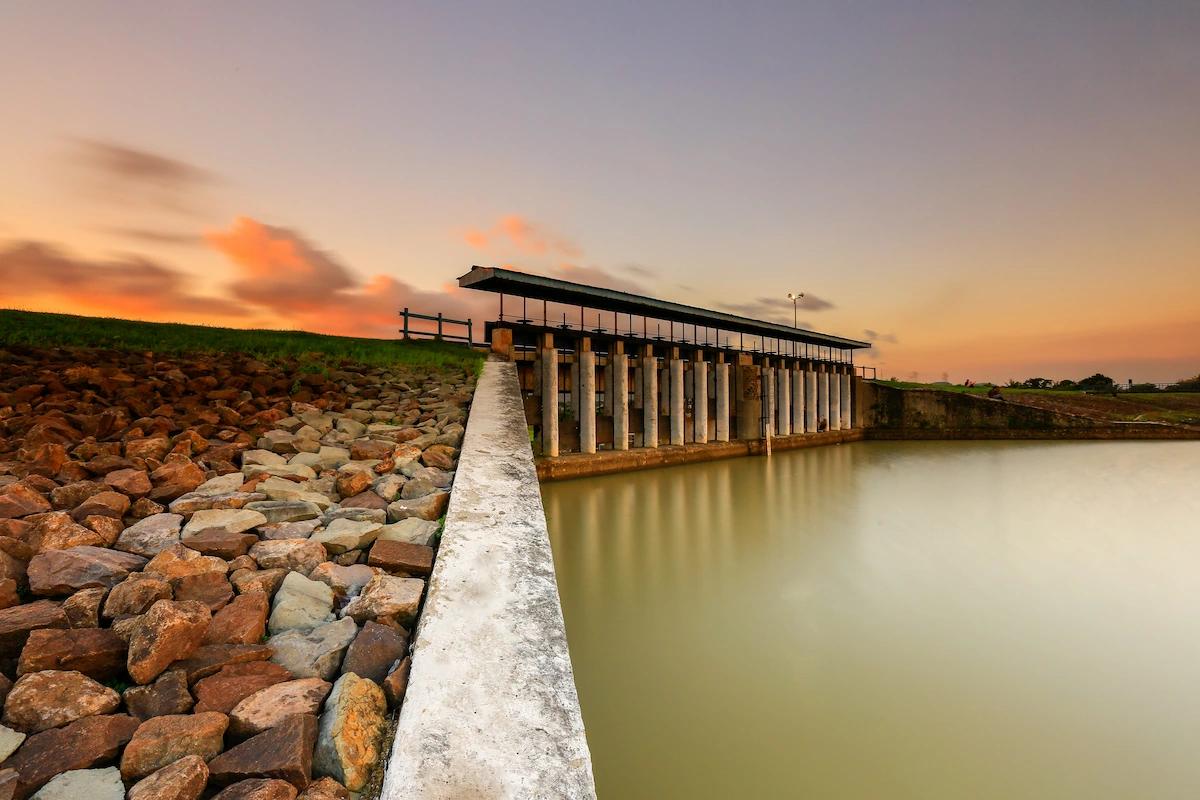
Have you ever wondered where industrial water comes from? Raw water is transformed into clean water for use in factories and households. For your information, raw water is the untreated water that is later processed for public use.
Its availability is vital, given that clean water is essential to human life. This article explores the ins and outs of raw water. So, be sure to read through the information to the end.
What Is Raw Water?
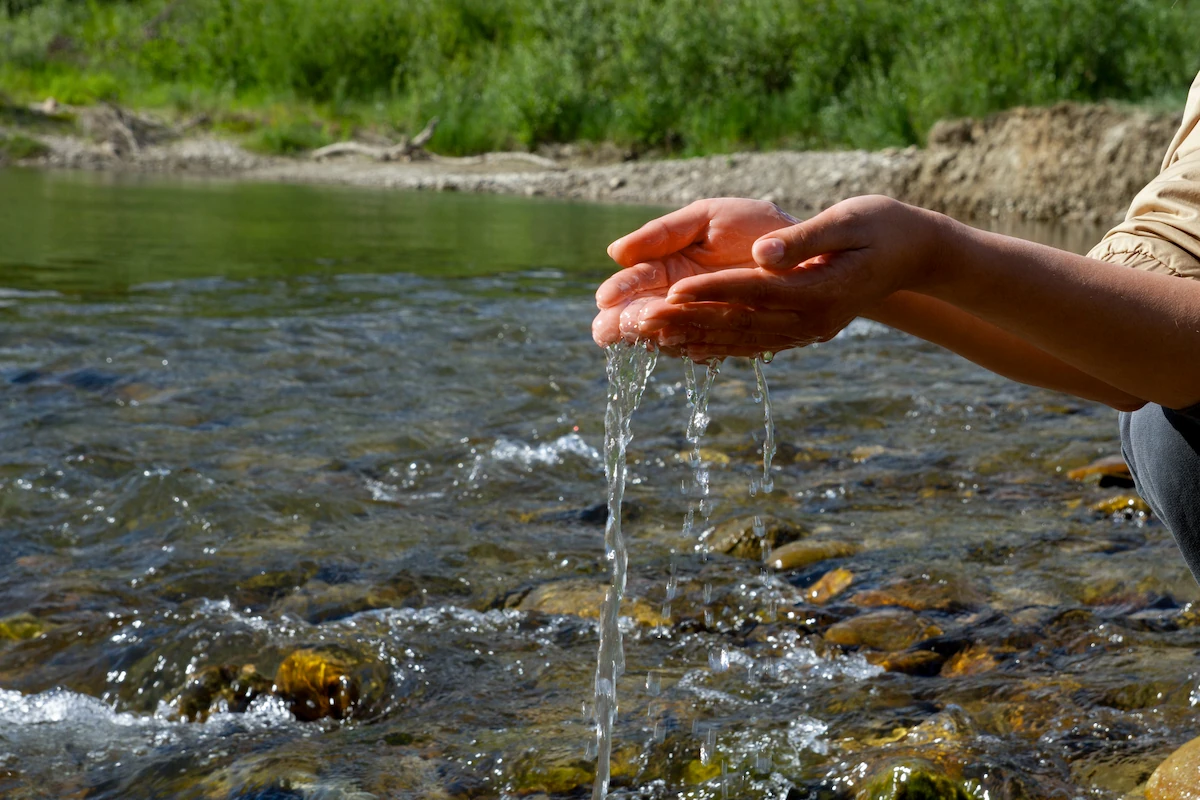
Raw water is water coming directly from natural sources, such as surface water and groundwater, without undergoing any treatment. It is also often known as source water.
Since it has not yet been treated, raw water still contains contaminants and should not be consumed directly to avoid health problems.
Generally, raw water comes from rivers, lakes, rainwater, and wells. To make it safe for consumption or other uses, raw water must be treated to remove bacteria, chemicals, and other pollutants.
These contaminants can include minerals, heavy metals, bacteria, soil particles, acidic substances from decaying plant matter, and chemicals from pesticide use or industrial waste. Therefore, even if raw water appears clear, it may contain harmful substances.
Not all raw water is suitable for public use. At a minimum, raw water should not be too turbid, should not contain excessive pollutants, should be colorless, odorless, and free of E. coli or other bacteria.
Read also: 7 Wastewater Treatment: The Importance, Process, and Indicators!
Sources of Raw Water
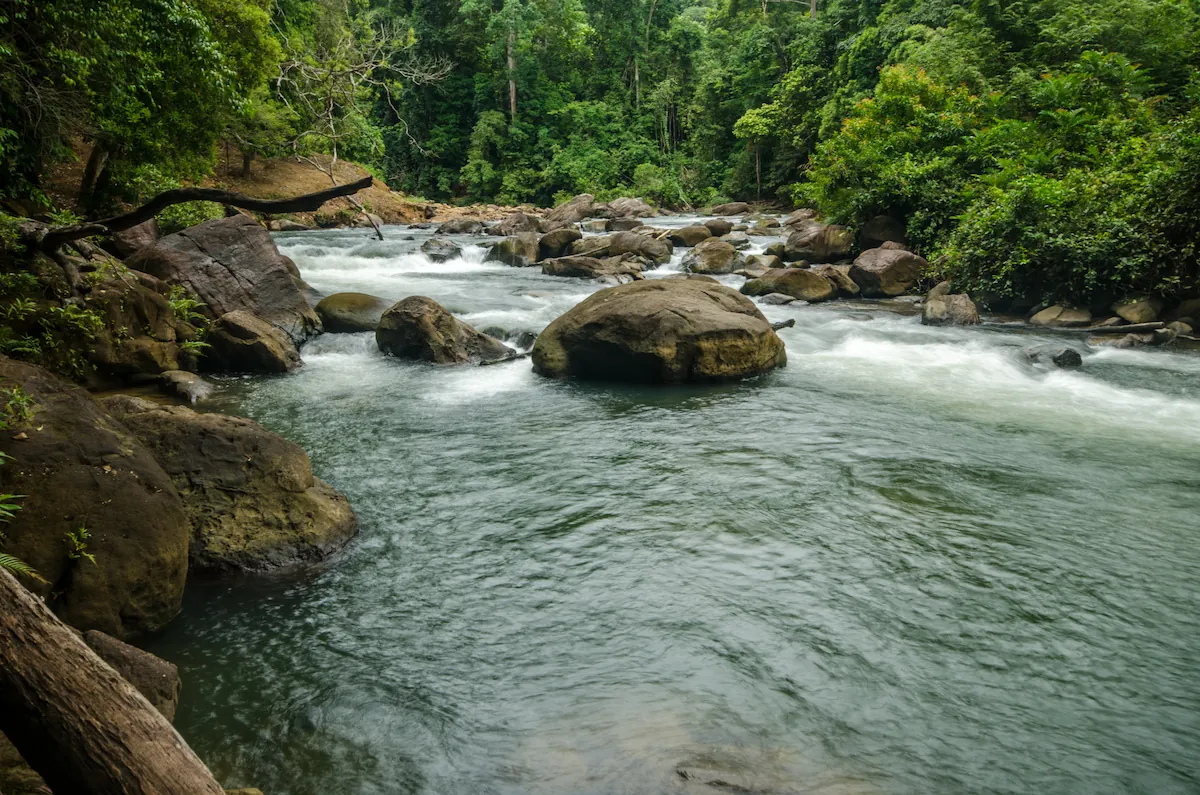
Raw water can come from many sources, such as springs and rivers. The following is an explanation of raw water sources:
1. Surface Water
Surface water is water that collects on the earth’s surface, such as in reservoirs, lakes, rivers, and so on. This type of raw water is often chosen as a water source for household needs because it is easy to manage.
Surface water is also located near residential areas. However, surface water tends to be of poor quality because it is often contaminated by human activities in the surrounding area and by natural processes.
2. Springs
Springs are water sources that naturally emerge to the surface. Their quality is better than that of surface water because they undergo natural filtration within the Earth. The water that emerges is also generally fresher and clearer, with low chemical content.
However, there are fewer springs than surface water sources. Springs are also susceptible to seasonal variations, geological structures, and other external factors that are difficult to predict.
3. Groundwater
Groundwater, such as well water, is water found in rock layers beneath the Earth’s surface. This water must first be extracted by drilling and installing a piping system before it can be used.
The quality of well water depends on the drilling location. If the location is far from industrial areas or residential neighborhoods, the water is usually uncontaminated.
4. Rainwater
Rainwater is one of the sources of raw water that can be utilized. Its quality can vary depending on environmental conditions, so it still requires treatment before use. Rainwater can serve as an alternative, especially when surface water sources have been contaminated and are unsafe for use.
Raw Water Treatment Methods
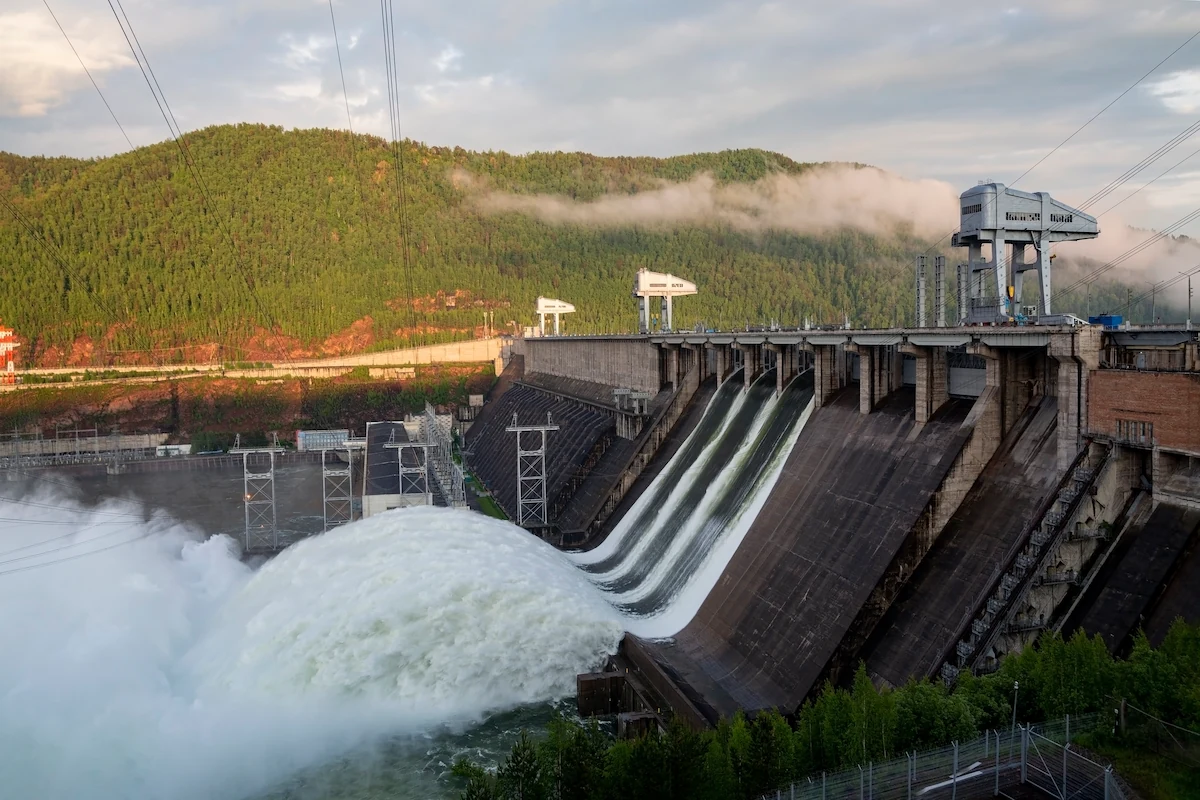
To ensure raw water can be safely utilized, a series of treatment processes is required. Fundamentally, raw water treatment consists of the following methods:
1. Chemical Treatment
Chemical treatment is generally used to remove particles and contaminants. The chemicals used include coagulants to aggregate particles and flocculants to promote settling of the aggregates.
2. Sedimentation and Filtration
This method settles solid particles denser than water, while the water continues to flow to the next stage. After undergoing sedimentation, the water is filtered to remove fine particles that have slipped through. One of the filtration media used to treat raw water is silica sand.
3. Disinfection
After filtration, the water is disinfected and its pH adjusted to ensure that no microorganisms remain. The water’s pH is also adjusted to meet applicable standards.
Read also: Clean Water Treatment and Developed Technology
Raw Water Treatment Solutions for Industry
One company that treats raw water to produce clean water is Krakatau Tirta Industri (KTI). This company, an affiliate of the Chandra Asri Group, treats raw water from the Cidanau River, the Cipasauran River, and the Nadra Krenceng Reservoir for industrial use.
To manage raw water from these sources, KTI operates the Krenceng and Cidanau Water Treatment Plants (WTPs). The Krenceng WTP has an installed capacity of 1,800 liters per second.
Meanwhile, the Cidanau WTP has three intake pump units, each with a capacity of 600 liters per second. The Cidanau WTP is also equipped with a tapping structure, a flushing structure, and a sludge pocket channel.
In addition to clean water, KTI also processes raw water into demineralized water using the Demin Water Treatment Plant (WTP) of PT Mitsubishi Chemical Indonesia (PT MCCI), the Water Recycle Plant (WRP) of PT Latinusa Tbk., and the Demin WTP of PT Latinusa Tbk.
PT MCCI’s Demin WTP has a capacity of 3 x 110 m³ per hour and has been operating continuously 24 hours a day since October 2014. Furthermore, the WRP Demin at PT Latinusa Tbk has a production capacity of 30 m³ per hour, while the WTP Demin at PT Latinusa Tbk has a capacity of 48 m³ per hour and has been operating 24 hours a day since October 2021.
That concludes our discussion on raw water, including the definition, treatment, and source.
Untreated water is referred to as raw water and is later treated for public use. If your company needs clean or demineralized water, there is no need to worry about treating raw water.
Trust Chandra Asri Group and Krakatau Tirta Industri as #YourGrowthPartner! Contact us now!
Read also: What Is Water Resources Management and Why Is It Important?
.png&w=3840&q=75)