
27-03-2026
3 Water Quality Parameters: Chemical, Biological, & Physical
In clean water treatment, monitoring water quality parameters is essential to ensure that the processed water is safe for use.
In general, water quality test parameters are classified into three categories, namely physical, chemical, and biological. Which water quality parameters do you need? Find out more below.
Water Quality Parameters
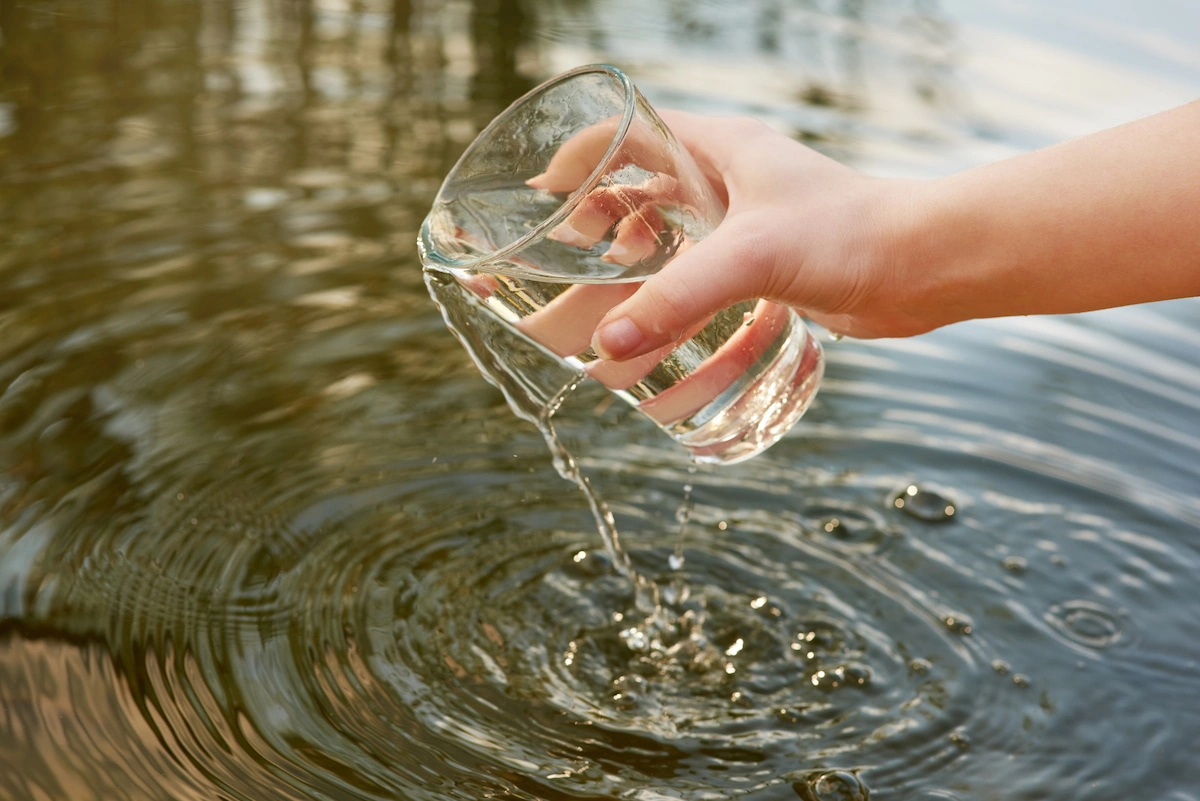
As explained earlier, water quality parameters are classified into three categories, namely physical, chemical, and biological. The detailed explanation is as follows:
1. Physical Parameters
These water quality parameters are based on physical water properties that can be observed and measured, such as turbidity, conductivity, and temperature. Here is a more detailed explanation:
A. Turbidity
Turbidity determines how easily light penetrates the water. Turbid water usually contains organic matter, mud, sand, or other particulates. Furthermore, water turbidity can be caused by total suspended solids (TSS) and total dissolved solids (TDS).
Water turbidity increases with the number of particulates in it. Turbid water should not be consumed because it may contain pathogens and harmful substances.
Then, why should water turbidity levels be continuously monitored? In addition to the dangers of contaminants, high water turbidity can increase water purification costs because you have to add several stages to clear the water.
Moreover, contaminants in the water can absorb more heavy metals, such as cadmium, lead, and mercury, which are hazardous to health. The tool to measure turbidity in water quality is a nephelometer.
B. Conductivity
Conductivity is a key water quality parameter. This indicator assesses water’s ability to conduct electricity over a given distance. Conductivity is measured in siemens per distance.
This indicator is important for assessing water quality because higher conductivity indicates more dissolved ions and impurities in the water. That is why drinking water generally has low conductivity because it is not contaminated.
C. Temperature
Temperature affects the biosorption (separation) of dissolved heavy metals in water. The sedimentation and chlorination processes also depend on temperature, as it affects chemical reactions, viscosity, solubility, and palatability.
D. Salinity
Salinity is the salt content in water. Commonly, salt ions found in water include chloride, sulfate, carbonate, and sodium. The higher the salt ion content in water, the higher its conductivity.
Furthermore, a high salinity level in water can cause corrosion and damage the structure of aquatic ecosystems. Salinity is measured with a hydrometer or refractometer in parts per thousand (ppt) or percentage.
Read also: Ultrafiltration: How It Works & Its Difference with RO
E. Solids
There are two types of solids, namely suspended solids (TSS) and dissolved solids (TDS). TSS are solids that remain on the filter, while TDS are solids that pass through the filter.
The filtered water sample can be placed in a container to evaporate. The residue left in the container is called TDS.
F. Color, Taste, and Odor
Water can have different colors, tastes, and odors depending on the inorganic or organic compounds it contains. Water color is rated on a scale of 0–70. Pure water is usually colorless, so it is rated 0.
The taste and smell of water can come from natural sources, agriculture, microbial activity, errors in the water purification process, or domestic sources. The odor of water is classified on a scale from A to J, ranging from odorless to fishy. Meanwhile, the taste of water is classified as A–E, ranging from tasteless to bitter.
2. Chemical Parameters
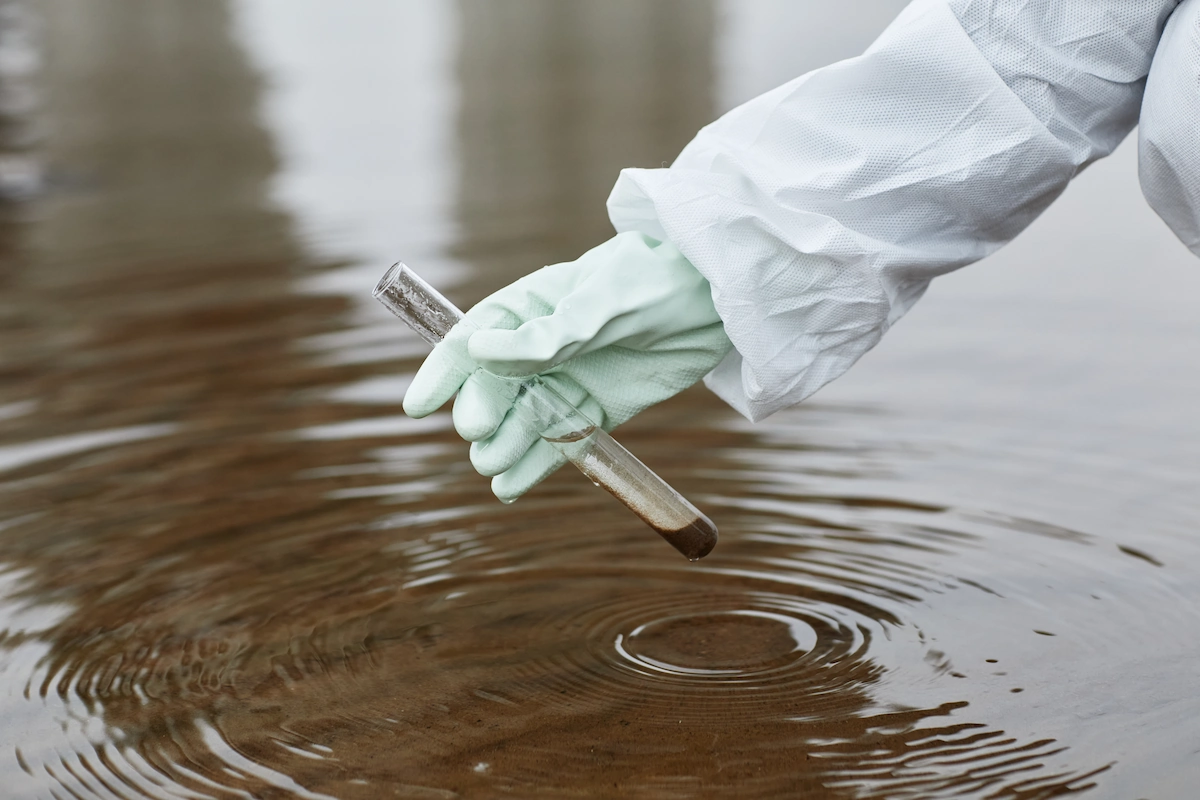
Chemical parameters of water quality assess the water's chemical characteristics. These include pH, acidity, and others. Here is the explanation:
A. pH
pH indicates how alkaline or acidic water is. Generally, water has a pH of around 6.5–8.5. Water with a pH below that will tend to be acidic because it contains more hydrogen ions. Meanwhile, alkaline water contains more hydroxyl ions. Then, pure water usually has a pH of 7 or is neutral.
B. Alkalinity
Alkalinity is the water's ability to neutralize acids. This parameter is important for determining how much sodium carbonate (soda ash) is needed to neutralize the water.
C. Dissolved Oxygen (DO)
Dissolved oxygen (DO) is the quantity of oxygen dissolved in water. This content can result from plant photosynthesis or groundwater contamination.
DO is an important water-quality parameter in the water-treatment process because when it is below 3 ppm, the water becomes toxic to fish. High DO usually indicates good water quality. However, high DO levels in drinking water can corrode pipes.
D. Water Hardness
Hardness assesses the amount of minerals in water, such as magnesium and calcium. Mineral content in water can leave scale on pipes. There are two types of hardness, namely temporary and permanent.
Temporary hardness minerals can be removed by boiling the water. However, if the hardness is permanent, the minerals will remain in the water even after boiling.
Read also: What Is Silica Sand and Its Function in Water Filtration
E. Inorganic Hazardous Substances
Did you know that water may contain various kinds of harmful inorganic substances? Even if the content is in small amounts, the water can still be harmful to health. These inorganic substances are divided into metals and non-metals.
Metals include cadmium, chromium, selenium, arsenic, barium, lead, mercury, and silver. These substances must be separated from water to prevent poisoning. Meanwhile, non-metals include cyanide and nitrate.
3. Biological Parameters
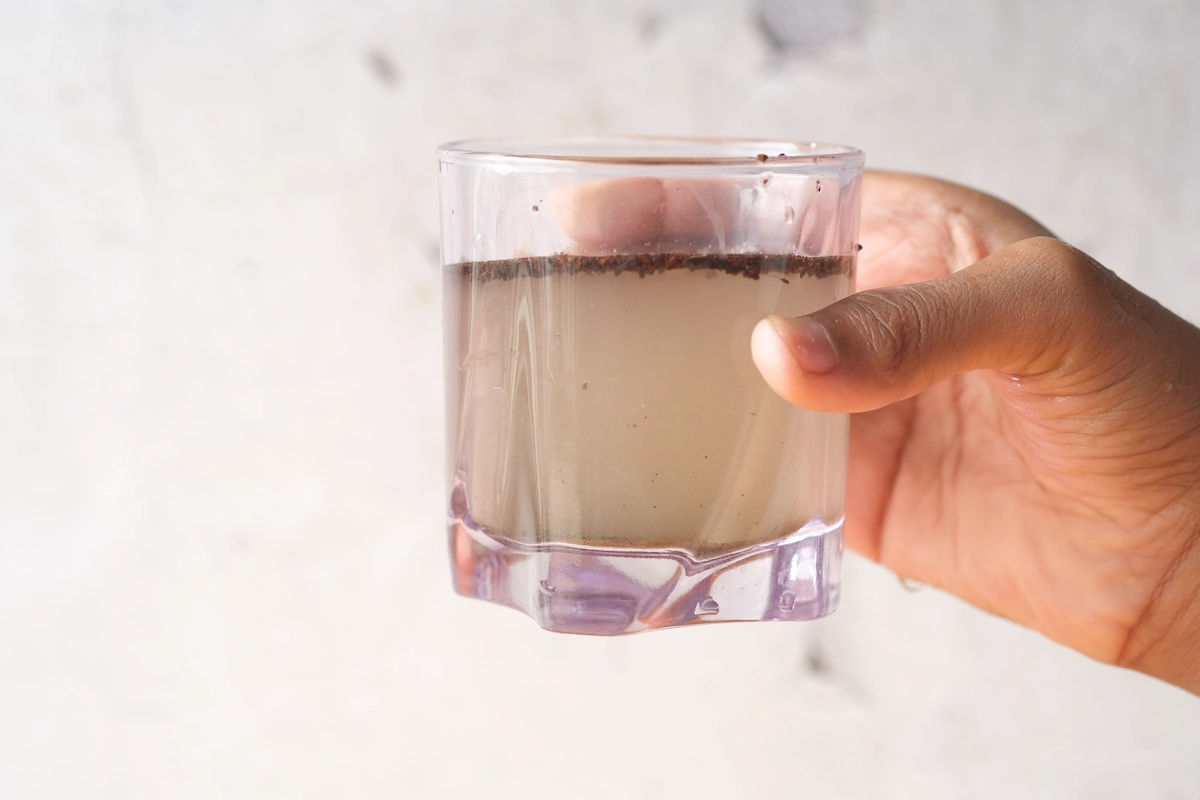
These water quality parameters assess water characteristics based on the presence of organisms and pathogens. The information is as follows:
A. Bacteria
Bacteria are single-celled organisms that can multiply rapidly at certain temperatures, pH levels, and conditions. The higher the water temperature, the faster bacteria multiply.
Water containing bacteria is unsafe for consumption because it can cause diseases such as cholera, diarrhea, and typhoid fever.
B. Viruses
Similar to bacteria, water containing viruses is unsafe for consumption. To determine the viral content in water, you can use PCR or an electron microscope.
C. Algae
Algae are microscopic plants that often cause certain tastes and odors in water. Some algae, such as blue-green algae (cyanobacteria), can also cause health problems.
Trust Chandra Asri Group with Your Clean Water and Wastewater Treatment Needs!
Clean water is an essential need for various sectors, from households to industries. Therefore, a trusted clean water service provider is needed to meet clean water needs.
In this case, Chandra Asri Group, through Krakatau Tirta Industri (KTI), offers water solutions for various industries. As #YourGrowthPartner, KTI provides clean water, demineralized water, and wastewater treatment services.
We operate a series of Water Treatment Plants to supply clean and demineralized water for industrial use and to treat wastewater in accordance with applicable standards. Rest assured, our water solutions meet water quality parameters, making them safe for a variety of uses.
So, trust Chandra Asri Group and Krakatau Tirta Industri with your company's industrial water needs!
Read also: What Is Distilled Water? Here Are the Uses and Benefits
.png&w=3840&q=75)