
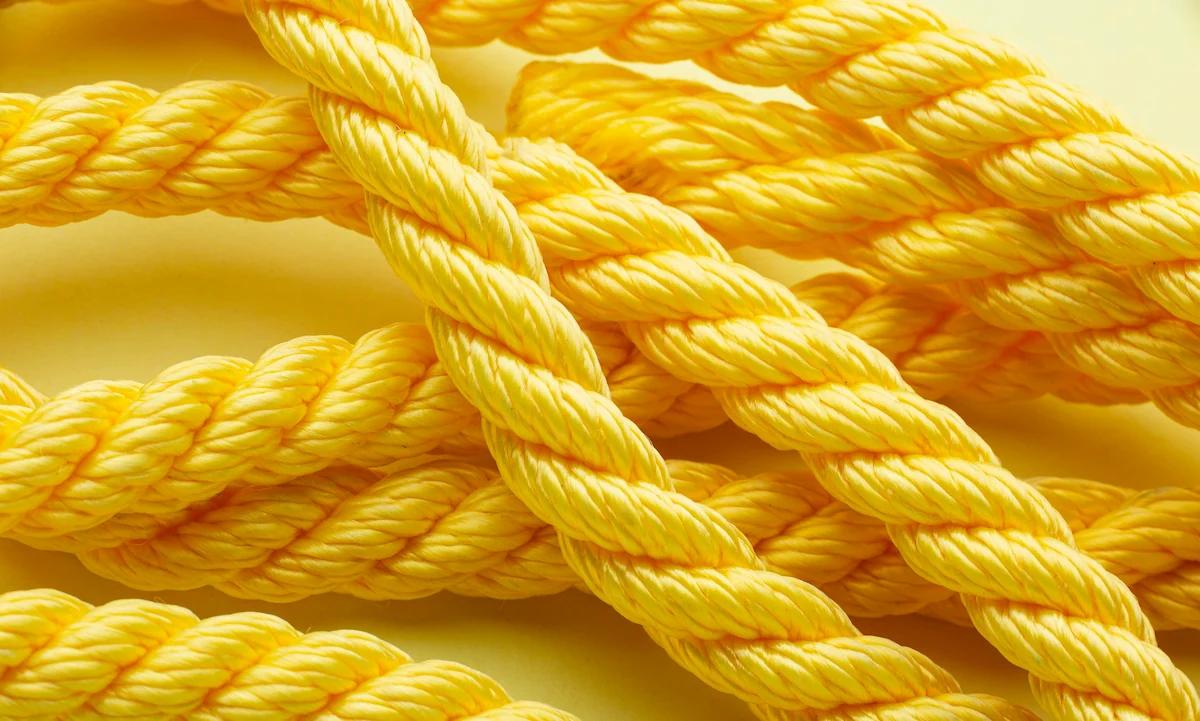
23-06-2026
Get to Know Polypropylene Rope and Its Differences from Others
Polypropylene (PP) plastic is a chemical raw material with a wide range of applications, from food containers to household products. One of the end products of PP plastic is polypropylene rope.
Polypropylene rope is among the most versatile and widely used due to its buoyancy. This article provides a comprehensive explanation of polypropylene rope and how it differs from other rope types. So, be sure to read this article all the way through!
What Is Polypropylene Rope?
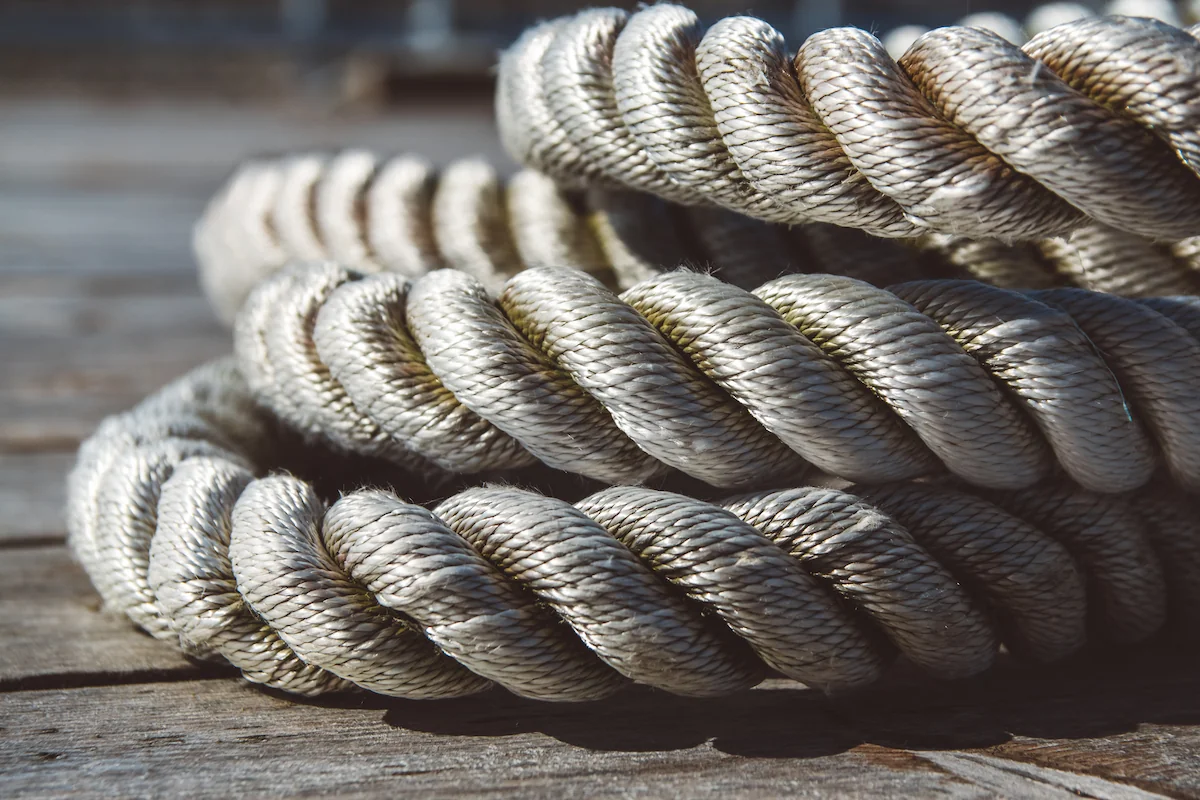
Polypropylene (PP) rope is a type of rope made from the thermoplastic polymer polypropylene. PP rope is known for being water-resistant, lightweight, and highly durable.
PP rope is commonly used across many industries, from logistics and construction to household applications. This rope has several advantages, including:
- It floats in water.
- Affordable price.
- Lightweight.
- Resistant to mold and mildew.
- Resistant to chemicals, such as oil, solvents, and acids.
- Water-resistant.
- Does not rot easily, even with frequent exposure to moisture and water.
- Abrasion-resistant.
- Not easily tangled, even when frequently tied and untied.
- Does not expand easily, even when soaked in water.
- Easily tied into knots.
- Strong and durable.
- Easy to spot due to its solid, bright color.
However, you should also be aware of some of this rope’s drawbacks, such as its sensitivity to temperature and sunlight, as well as its load-bearing capacity, which is not as good as that of other types of rope.
Read also: 6 Types of Packaging Materials and Their Components
Types of Polypropylene Rope
PP rope comes in a wide variety of options, each offering specific features. Here are the different types.
1. Braided Polypropylene Rope
Braided PP rope combines several strands of thread and braids them together in an 8 or 16-strand construction. This braiding creates a solid, uniform rope. The rope’s diameter is determined based on the number of strands and their thickness.
2. Three-Strand Polypropylene Rope
This PP rope consists of only three strands twisted together. Three-strand rope is typically more affordable than other types of PP rope and is more readily available. The rope’s diameter is determined by the thickness of each strand before they are twisted together.
3. Staple-Spun Polypropylene Rope
Staple-spun PP rope is a variation of three-strand rope. This spun rope is abrasion-resistant, strong, and wear-resistant, just like other synthetic ropes.
The difference between staple-spun rope and three-strand rope lies in their respective manufacturing methods. The polypropylene fibers are spun into yarn before being twisted into a three-strand rope.
4. Multifilament Polypropylene Rope
Multifilament PP rope is made from many fine fibers that are spun or braided together. The final product is very soft and flexible. Not only that, but this rope is easy to tie and safer for a variety of general uses.
If you are looking for a rope that is more abrasion-resistant and suitable for a variety of uses, multifilament PP rope is a great choice.
5. Monofilament Polypropylene Rope
Monofilament PP rope is made from a single strand of thick polypropylene fiber spun together, making it stiffer and more durable. This rope is more stable and can be used in wet conditions. Monofilament PP rope is suitable for fishing and marine activities.
6. Eight-Strand Braided Polypropylene Rope
This rope consists of 8 strands braided together. It is well-balanced, resistant to twisting, strong, and comfortable to grip. This PP rope is suitable for marine operations.
7. Twelve-Strand Braided Polypropylene Rope
This PP rope consists of 12 strands, making it stronger, less prone to twisting, and better able to withstand loads. This rope is suitable for heavy-duty work and industrial operations.
Read also: Synthetic Polymers: How They Differ from Natural Polymers
Comparison of Polypropylene, Nylon, Polyester, and Polyethylene Ropes
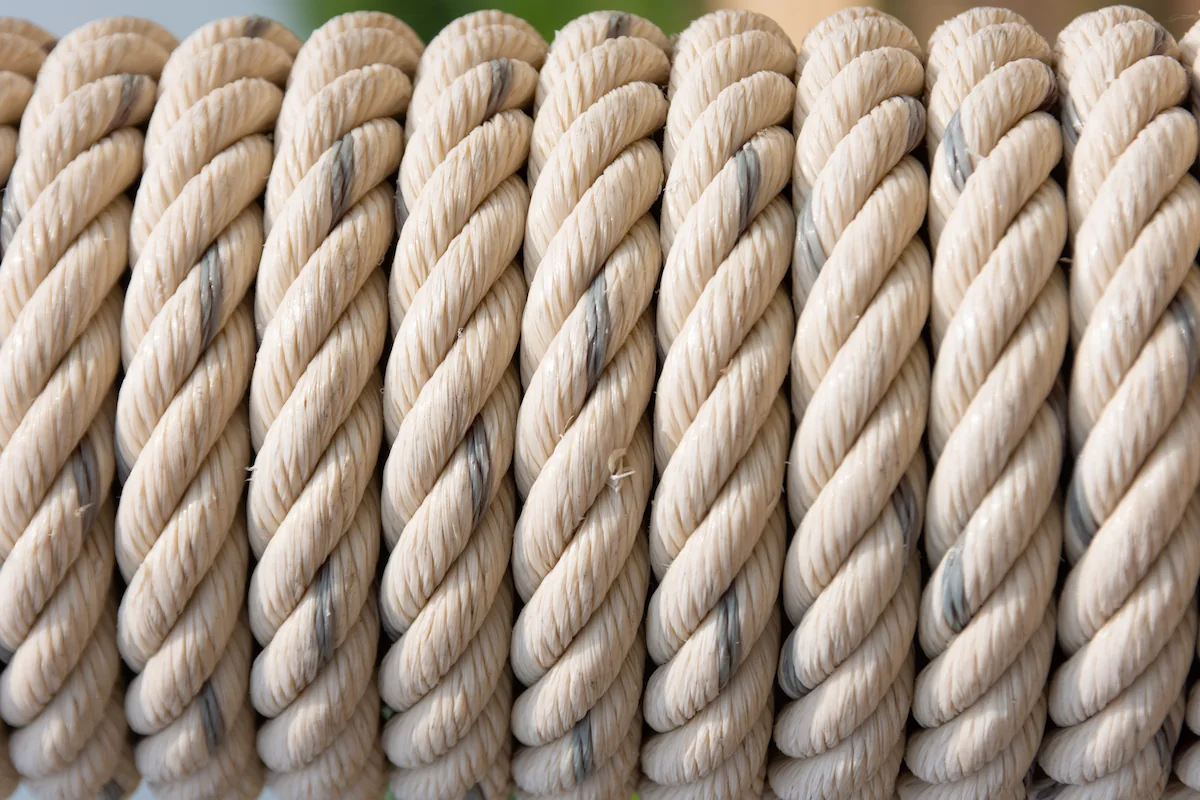
Polypropylene rope is often compared to other types of rope, such as nylon, polyester, and polyethylene. So, what are the differences? Here is the comparison table:
| Polypropylene | Nylon | Polyester | Polyethylene | |
| Tensile strength | Suitable for light to medium loads. | Has high tensile strength. | Has medium to high tensile strength. | Has high tensile strength. |
| Abrasion resistance | Better than polyethylene rope. | Very good. | Good. | Wears out faster. |
| Buoyancy | Floats. | Does not float. | Does not float. | Floats. |
| UV resistance | Low. | Moderate. | Very good. | More resistant than PP rope. |
| Applications |
|
|
|
|
Polypropylene Raw Material Solutions from Chandra Asri Group
Polypropylene rope is a popular choice for everyday use due to its durability, strength, and excellent buoyancy.
Polypropylene is widely used across various industries for its flexibility and versatility. If your company needs polypropylene raw materials for manufacturing purposes, Chandra Asri Group has the solution!
As #YourGrowthPartner and a leading chemical supplier in Southeast Asia, we produce high-quality polypropylene (PP) under the Trilene® brand.
Our products are manufactured to industry standards and undergo comprehensive testing before being packaged in 25-kg bags.
Our product line consists of homopolymers, random copolymers, and impact copolymers, each with its own unique advantages.
Chandra Asri Group is also expanding into broader markets through Aster Chemicals and Energy Park Ltd. (Aster), its Singapore-based subsidiary.
Aster supplies a wide variety of chemical feedstocks, including butadiene and various types of propylene. Aster also operates an ethylene cracker with a capacity of 1.1 million metric tons per year, as well as other downstream chemical assets.
So, do not hesitate to entrust your company’s industrial chemical needs to us! Contact us now!
Read also: Styrene Monomer and Its Role in Various Industries