

20-05-2026
6 Types of Packaging Materials and Their Components
By Chandra Asri Group Editorial Team
Did you know? Packaging is actually the largest market for plastic production worldwide. This synthetic material is indeed found in many products, from household items to medical products.
However, what types of packaging materials are commonly used in the products around us? Read on to find out more.
What Is Packaging?

Packaging is the process of protecting and storing products to keep them safe and ready for sale. Packaging also ensures that customers receive products in the best possible condition.
Meanwhile, packaging materials are the substances and containers used to package, protect, and distribute products. Product packaging and containers serve several purposes, including:
- Protecting products from impacts, vibrations, moisture, dirt, temperature changes, and dust.
- Making product delivery easier.
- Optimizing the storage of goods in warehouses.
- Providing important product information, such as ingredients, nutritional values, labels, barcodes, and warnings.
- Communicating brand messages and marketing information to increase brand awareness.
The history of packaging spans thousands of years. In the past, people wrapped items using seashells, leaves, and animal skins.
Later, as time progressed, people began using other materials such as wooden boxes, cardboard, or baskets to protect and transport products.
These days, many companies are getting more creative with their packaging designs because packaging no longer serves merely as product protection but also as a marketing tool to attract customers.
Read also: What Is LLDPE? Uses, Properties, and Differences from LDPE
Types of Packaging Materials
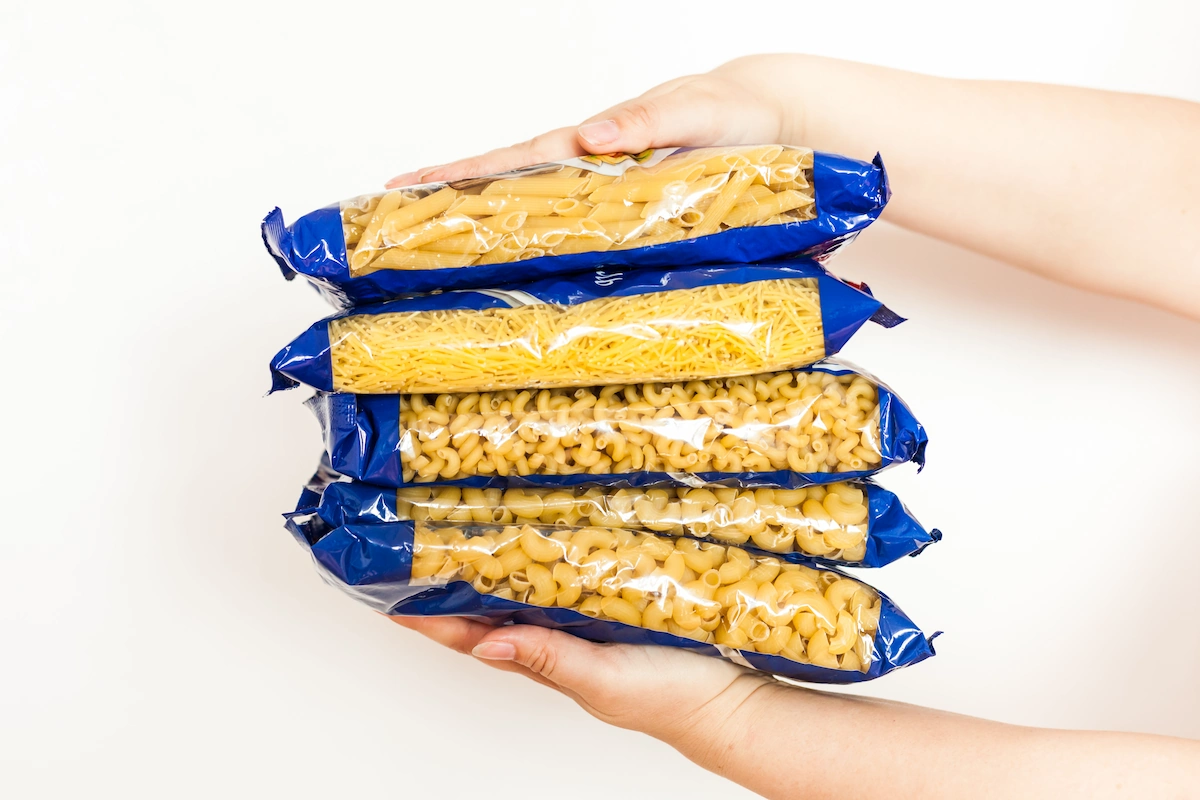
There are various types of packaging materials available on the market, such as plastic, cardboard, and so on. Here is a detailed explanation:
1. Cardboard
Cardboard is a packaging material made from corrugated board and is designed to be very lightweight yet durable.
Cardboard is a fairly stable packaging material, so it is often used to package heavy products and items that are prone to damage over time. Examples of cardboard use include packaging for electronic devices and pizza boxes.
2. Glass
Glass is a non-porous material that is easy to recycle or reuse. Typically, glass is used to package perfumes, beauty products, and certain foods, such as fruit jam.
3. Plastic
Plastic is the most common packaging material because it is easy to shape, lightweight, durable, flexible for various purposes, and strong. This material also comes in various forms, such as bottles, bags, sheets, pallets, and others.
The plastic raw materials frequently used for packaging are polyethylene (PE), polyethylene terephthalate (PET), and polypropylene (PP). These three materials are considered resistant to moisture and certain chemicals.
In fact, plastics are used in nearly every industry, including the food, pharmaceutical, and automotive sectors, among many others.
Regarding plastic raw materials, Chandra Asri Group, a leading energy, infrastructure, and chemical solutions provider in Southeast Asia, supplies industrial plastic raw materials, including ethylene, HDPE, polypropylene, and others.
Chandra Asri Group, in partnership with Glencore, has acquired the Shell Energy and Chemicals Park (SECP) through a joint venture. The company, now named Aster, manages an integrated petrochemical complex located in Bukom and Jurong Island, Singapore.
4. Boxes
Cardboard boxes are considered sturdier than regular cardboard, making them commonly used for shipping products. Today, cardboard boxes are not only rectangular but are also modified to include handles on the sides and are easy to fold. These boxes are commonly used to package foods, electronics, shoes, clothing, and various other products.
5. Metal
This packaging material is known for its strength and stability. Examples of metal packaging include crates, drums, cans, and barrels. The metals typically used to make this packaging are steel and aluminum.
The advantage of metal is that it provides maximum protection for products and shields them from chemicals, liquids, moisture, air, light, and other external factors that could potentially damage the products. That is why metal is often used to package dangerous goods.
6. Pouches and Bags
Pouches and bags are often used to package food or cosmetics. In general, pouches and bags are made of fabric, paper, or plastic.
Read also: Synthetic Rubber: Types and Differences from Natural Rubber
Packaging Accessories
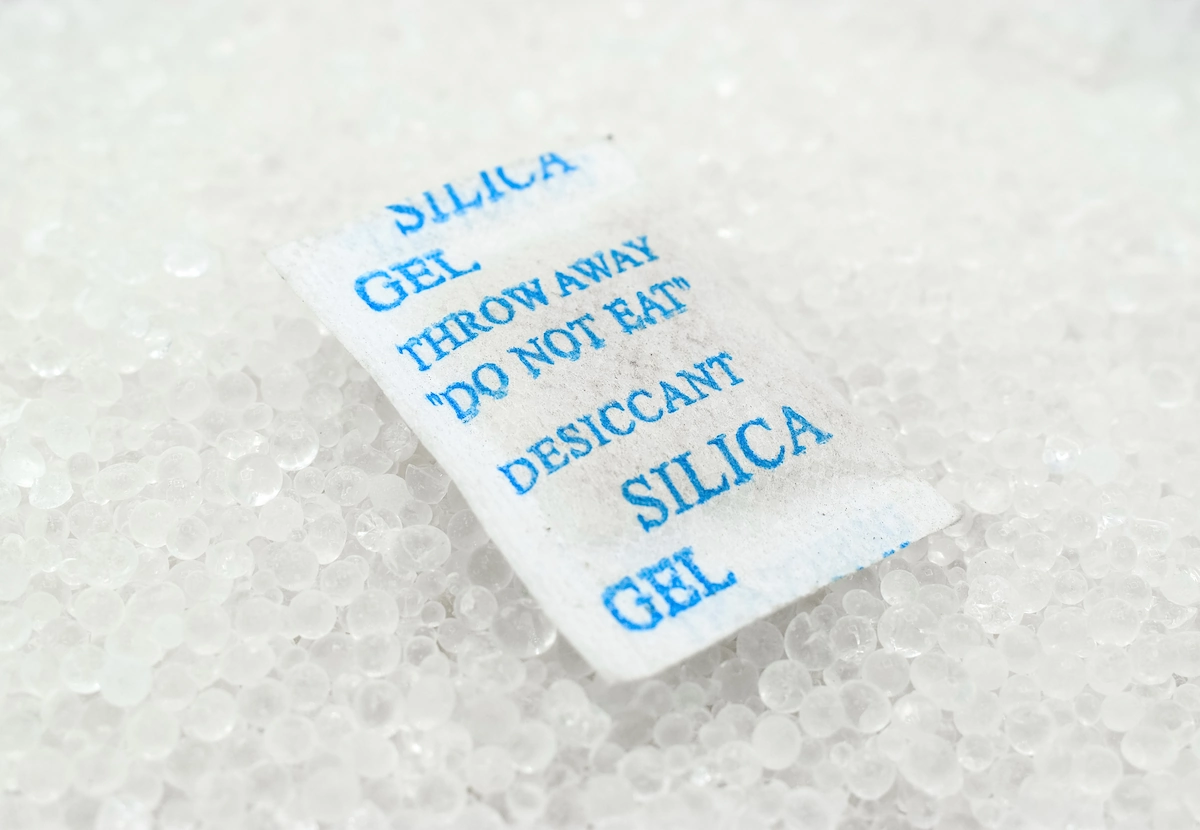
In addition to the packaging itself, products are usually accompanied by additional components to provide extra protection. The following are common packaging accessories found with products:
- Desiccants: These materials absorb moisture inside the packaging to prevent the product from spoiling. An example of a desiccant is silica gel. This component is commonly found in electronic devices, food, and medications.
- Plastic or aluminum sheets: These components block moisture, making them suitable for wrapping medical devices, electronic components, and perishable foods.
- Anti-corrosion oils and lubricants: These liquids are applied directly to metal surfaces to prevent the entry of oxygen and moisture. Anti-corrosion oils and lubricants are typically used on vehicle parts.
- Volatile Corrosion Inhibitor (VCI): This packaging releases corrosion-inhibiting substances that settle on metal surfaces, forming a protective layer. VCI is commonly found in metal-based vehicle engines and components.
- Sealing aids: Common sealing materials used in packaging include adhesive tape and sealing strips.
- Padding: This component protects products during distribution. Examples of padding include corrugated cardboard, foam, bubble wrap, cork, and air cushions.
That concludes our information on packaging materials and their complementary components. Packaging protects products from external factors that could affect their quality.
Therefore, ensure that your business’s product packaging is made from high-quality materials. You can trust Chandra Asri Group and Aster for your plastic raw materials!
As #YourGrowthPartner, we are committed to serving your needs wholeheartedly and providing industrial chemical raw materials, ranging from plastics to synthetic rubber, for manufacturing purposes.
Read also: Understanding Styrene-Butadiene Rubber (SBR) and Its Uses
.png&w=3840&q=75)