
15-02-2026
Styrene Monomer and Its Role in Various Industries
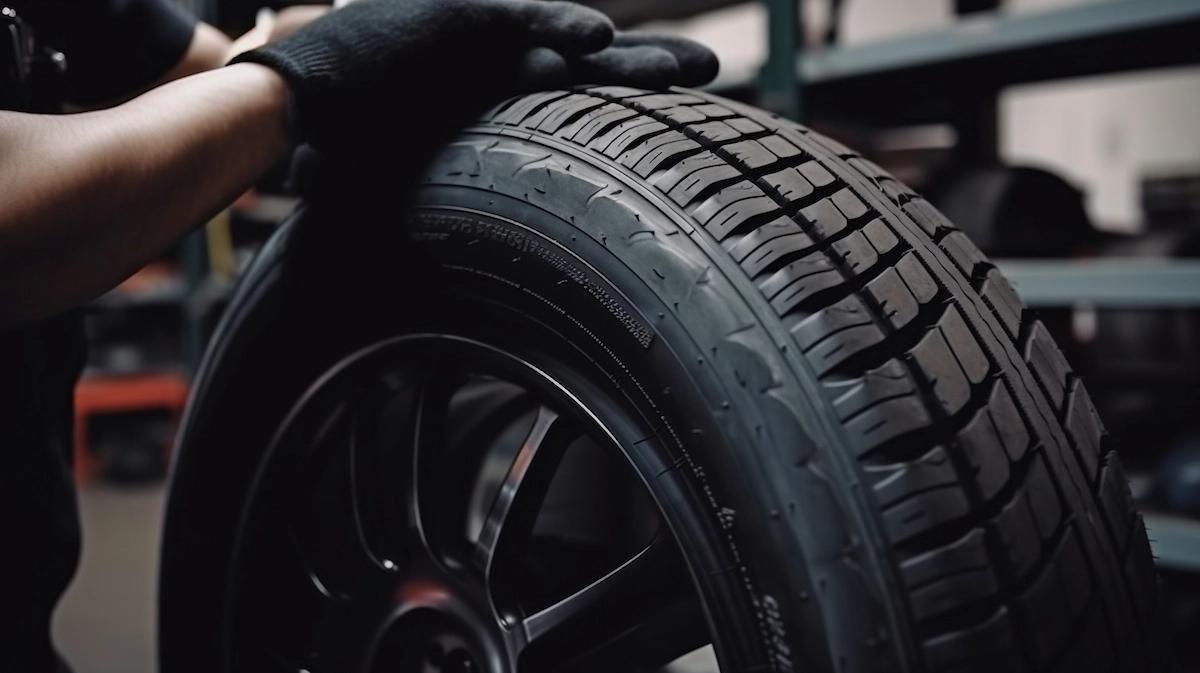
In the synthetic rubber industry, styrene monomer is a familiar material because it is a raw material for vehicle tires. In fact, this substance is also used in the plastics and construction industries.
Want to know the role of styrene monomer in various industries? Find out more in this article!
What Is Styrene Monomer?
Styrene monomer is a benzene derivative obtained from the alkylation process (adding an alkyl group) to produce ethylbenzene. Ethylbenzene then undergoes dehydrogenation (removing hydrogen from the molecule) to become styrene.
Styrene monomer is generally obtained from natural gas or petroleum derivatives. It is a colorless liquid, has a distinctive aromatic hydrocarbon smell, and is highly volatile. Interestingly, styrene occurs naturally in some foods, including meat, strawberries, and cinnamon.
This substance has the molecular formula C8H8 or C6H5CH=CH2. Styrene monomer is highly reactive during polymerization, especially when exposed to light, heat, or free-radical initiators. Additionally, this substance is not easily soluble in water, but it can be dissolved in ether, benzene, ethanol, and other organic solvents.
Read also: Get to Know Tire Raw Materials and How to Make Tires
Styrene Monomer Manufacturing Process
As explained earlier, styrene monomer is produced by the dehydrogenation of ethylbenzene. Approximately 80% of styrene monomer is produced by dehydrogenation.
To obtain ethylbenzene, a reaction between benzene and ethylene must occur in the presence of an aluminum chloride catalyst. When ethylbenzene is formed, it is heated with steam to 600°C over an iron oxide catalyst, a process known as dehydrogenation. This reaction is highly exothermic, releasing heat energy into the environment.
Styrene Monomer Derivative Products

Styrene monomer is commonly used in various industries. The styrene monomer derivative products and their respective applications are as follows:
- Acrylonitrile Butadiene Styrene (ABS): It has strong, heat-resistant properties, making it suitable for electrical components, automotive parts, and toys.
- Polystyrene (PS): Polystyrene is used in household appliances, including food containers and drinking bottles.
- Unsaturated Polyester Resin (UPR): UPR is used to make pipes, tanks, fiberglass, and other construction needs.
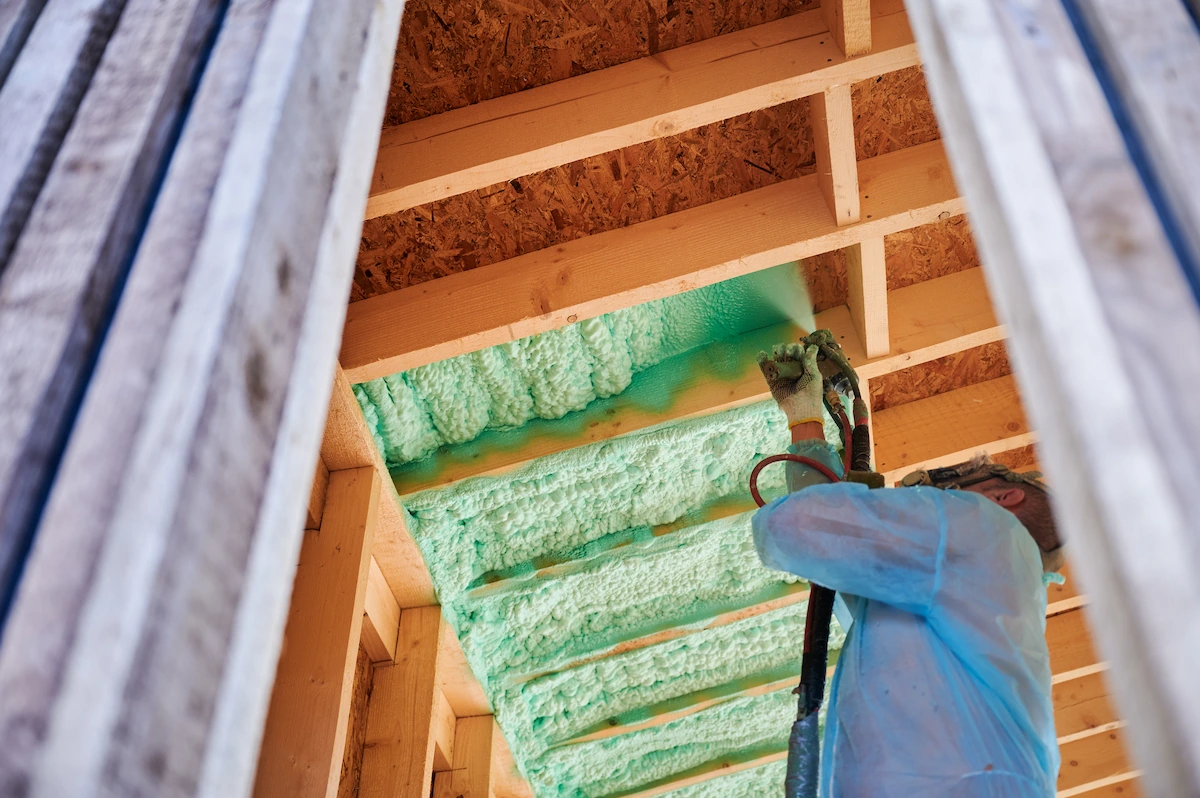
- Expanded/expandable Polystyrene (EPS): A lightweight, waterproof, and durable material made from solid polystyrene beads. It is used as building insulation.
- Styrene-butadiene latex (SBL): A copolymer of styrene and butadiene used as a backing for carpets and an adhesive for flooring.
- High-impact polystyrene (HIPS): Polystyrene that has been modified to be more impact-resistant, rigid, and smooth-surfaced. HIPS is used to make sterile medical packaging, disposable medical products, blister packs, toys, and household appliances.
- Styrene Acrylonitrile (SAN): A copolymer of acrylonitrile and styrene. SAN is oil-resistant, rigid, strong, and stain-resistant. SAN is commonly used to produce kitchen utensils, tableware, coffee filters, and food containers.
- Styrene-butadiene Rubber (SBR): Synthetic rubber used to make shoe soles and vehicle tires.
In addition to the products above, styrene monomer is commonly used as an adhesive agent, paint hardener, varnish hardener, material for making shoe polish, food containers, packaging, paper coatings, and to enhance the quality of paper products.
Read also: What Is Polypropylene (PP)? Types and Characteristics
Styrene Monomer Solutions for Industry
Styrene monomer is a compound that plays a crucial role in many sectors. It serves as a raw material for the production of plastics, resins, adhesives, synthetic rubber, and many other products.
If you are in an industry that requires styrene monomer, look no further! Chandra Asri Group, as #YourGrowthPartner, has the solution!
Chandra Asri Group is Indonesia's leading supplier of styrene monomer with a purity of over 99.8%. This styrene monomer can be used to make the derivative products mentioned above.
Additionally, Chandra Asri Group's Singapore-based subsidiary, Aster, also supplies styrene for the manufacture of polystyrene, SBR, composites, and fiberglass.
Aster was acquired by Chandra Asri Group and Glencore in 2025. This energy and chemical region includes a refinery with a capacity of 237,000 barrels of oil per day, downstream chemical assets, and an ethylene cracker with a capacity of 1.1 million metric tons per year.
In addition to styrene monomer, Chandra Asri Group and Aster also supply other industrial chemicals, including olefins, polyolefins, sodium hydroxide, butadiene, and many more.
So, do not hesitate to entrust your company's industrial chemical needs to us! Contact us now!
Read also: Get to Know Polythylene, a Flexible Plastic Material
.png&w=3840&q=75)