
14-03-2026
Synthetic Polymers: How They Differ from Natural Polymers
Synthetic polymers are widely used in various sectors, including electronics and plastics. These polymers are formed by polymerizing monomers.
So, what are their functions, and how do they differ from natural polymers? This article discusses the ins and outs of synthetic polymers. Read on to find out more.
What Are Synthetic Polymers?
Synthetic polymers are polymers that humans make in a laboratory through a series of processes. For your information, polymers are materials that consist of repeating structural units called monomers. The simplest synthetic polymer used in industry is polyethylene.
Synthetic polymers, often called plastics, are divided into two categories, namely thermoplastics and thermosets. Thermoplastics can be heated and cooled to be remodeled, while thermosets cannot be reshaped. Most synthetic polymers are made from petroleum.
These polymers consist of monomer chains connected by covalent bonds and can be modified as needed. For example, you can modify them to be flexible, elastic, chemically resistant, transparent, and easy to process through specific processing methods.
Read also: What Is Plastic Made of? Here Are the Materials & Process
Characteristics of Synthetic Polymers
The characteristics of synthetic polymers are determined by the structure of the chains that form them. Here are some characteristics commonly found in synthetic polymers:
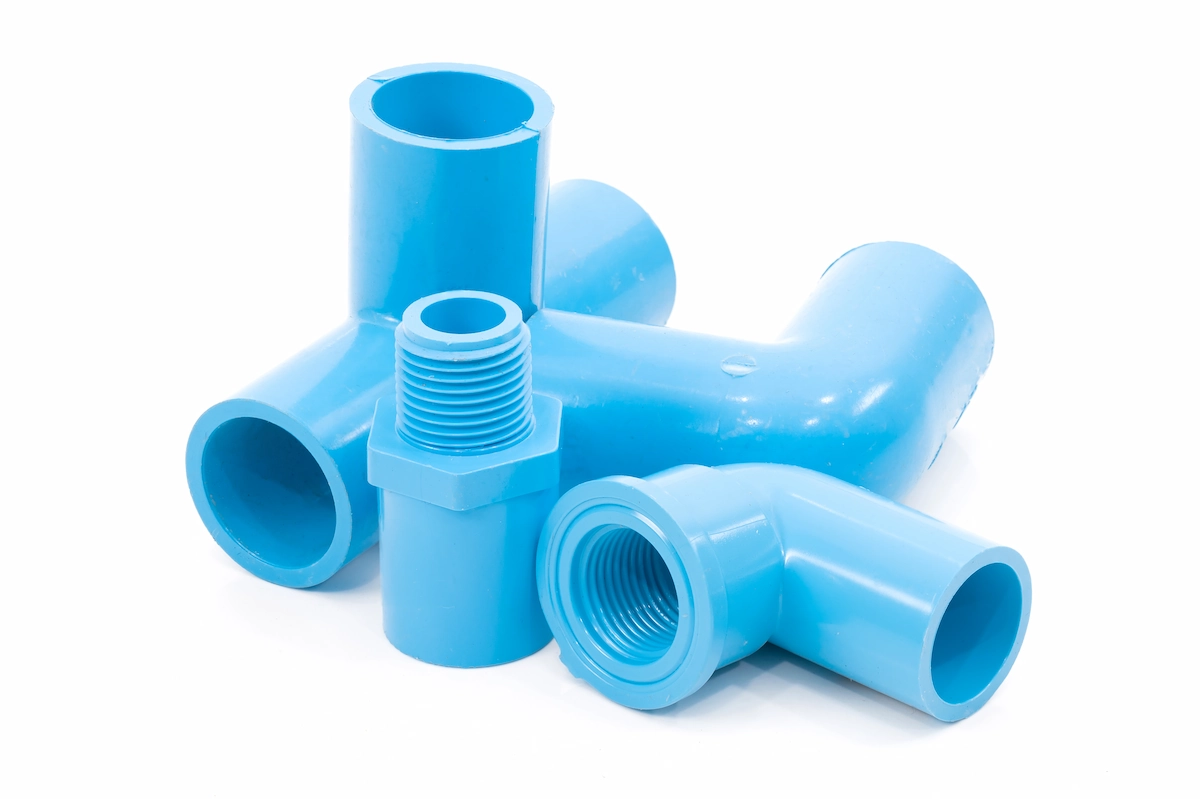
- Chemical resistance: Several synthetic polymers, such as polypropylene (PP), exhibit chemical resistance. This is due to their strong bonds and stable chains. That is why PP is commonly used to make pipes and coatings.
- Mechanical resistance: Synthetic polymers can be designed to withstand impact, tensile, and pressure. Polymers with these properties usually have covalent bonds and amorphous or crystalline structures. An example of a synthetic polymer with these properties is HDPE plastic.
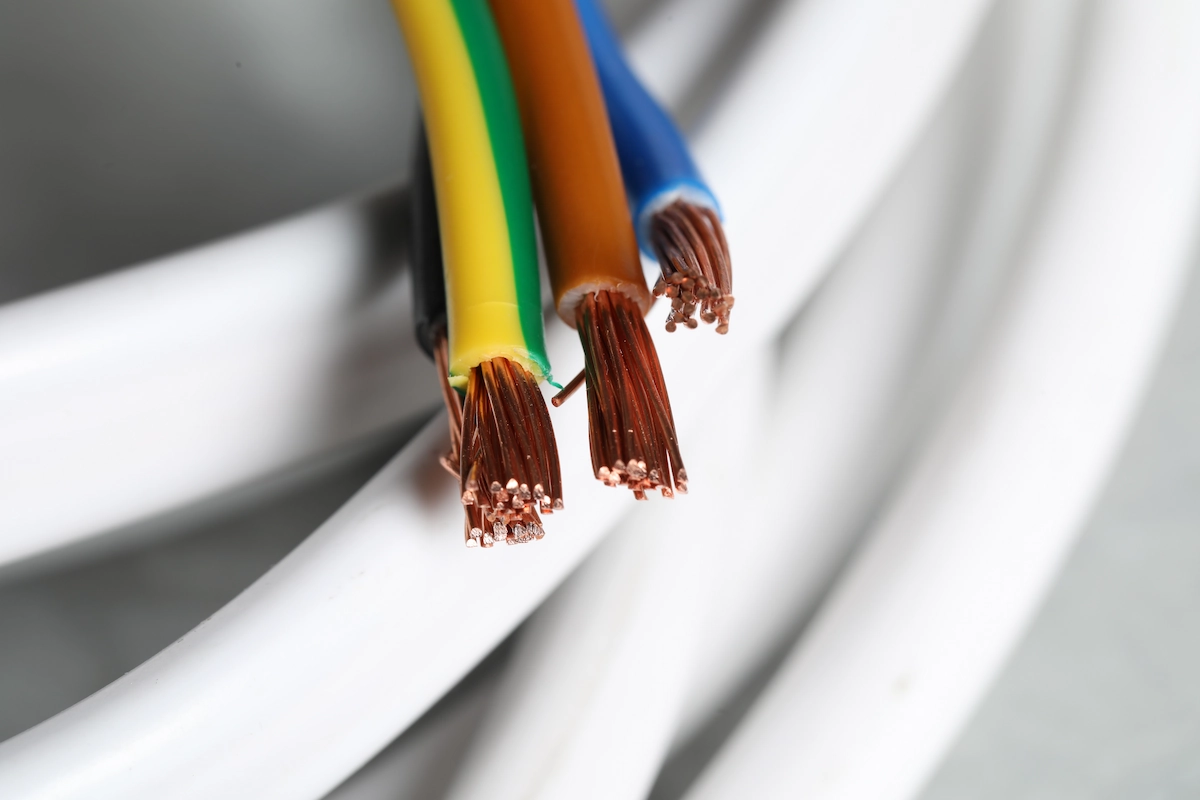
- Suitable for heat and electrical insulation: Synthetic polymers can also be designed for these applications. Polymers with these properties are polyethylene (PE) and polypropylene (PP). Both have nonpolar molecular structures (with balanced electron pairs), so they can support cable insulation.
- Flexible and elastic: Some polymers are elastic, allowing them to return to their original shape after being compressed. An example of a polymer with this property is polybutadiene (BR).
- Shiny and transparent: Polymers such as polycarbonate (PC) are highly transparent and shiny because of their light-transmitting structure. That is why PC is more often used to make eyeglass lenses and windows.
Types of Synthetic Polymers
There are various examples of synthetic polymers used in the manufacturing sector, especially to make products for everyday activities, including:
1. Polyvinyl Chloride (PVC)
Polyvinyl chloride is one of the most widely produced plastics for various applications. This material is formed from sodium chloride, petroleum or natural gas, carbon, and hydrogen. Statista notes that the global PVC market is valued at $68.3 billion, with the construction sector using the most PVC.
PVC is considered a suitable alternative to copper and iron because it is strong and more affordable. Examples of PVC applications include water pipes and electrical cable insulation.
2. Nylon
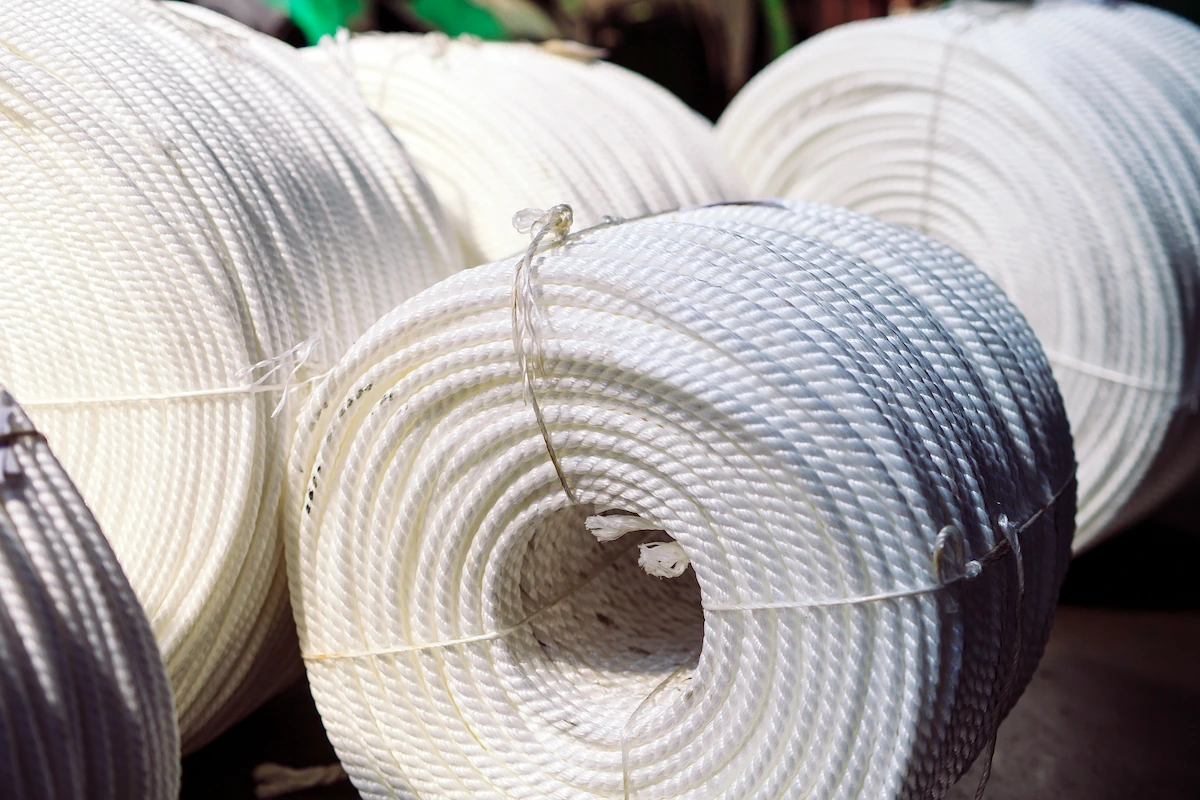
Nylon, or polyamide, is hydrophilic (easily absorbs water). This material is often used in the textile industry as a raw material for fabrics and in the construction industry to make ropes and strings.
3. Polyethylene (PE)
Polyethylene is the simplest synthetic polymer, chemically, because it is formed from linear repeating units of hydrogen. Like PVC, polyethylene is mass-produced to meet manufacturing needs.
According to Statista, the global market volume of thermoplastic PE reached 110.13 million metric tons. In 2030, the volume is estimated to reach 135.05 million metric tons.
Polyethylene is often used to make plastic bottles, plastic bags, and food containers. PE polymers can be processed into various plastic products, such as LDPE, HDPE, and LLDPE.
Regarding HDPE and LLDPE, Chandra Asri Group, as #YourGrowthPartner and a prominent chemical solutions company in Southeast Asia, provides “Asrene®” PE resin. This resin has obtained Halal certification from the Council of Indonesian Ulama (Majelis Ulama Indonesia/MUI).
Additionally, we also offer HDPE and ethylene through our Singapore-based subsidiary, Aster. Aster has an ethylene cracking complex that is ready to supply chemical raw materials for your company's industrial needs.
4. Polypropylene (PP)
PP is the lightest and most crystalline synthetic polymer. PP is also a widely used plastic, like PVC and PE. This thermoplastic polymer is used to produce plastic containers, packaging, and vehicle components.
Chandra Asri Group also provides high-quality PP under the Trilene® trademark, which is strictly monitored and tested to ensure its quality. This product line includes random copolymers, homopolymers, and impact copolymers.
Read also: What Is LLDPE? Uses, Properties, and Differences from LDPE
5. Polyethylene Terephthalate (PET)
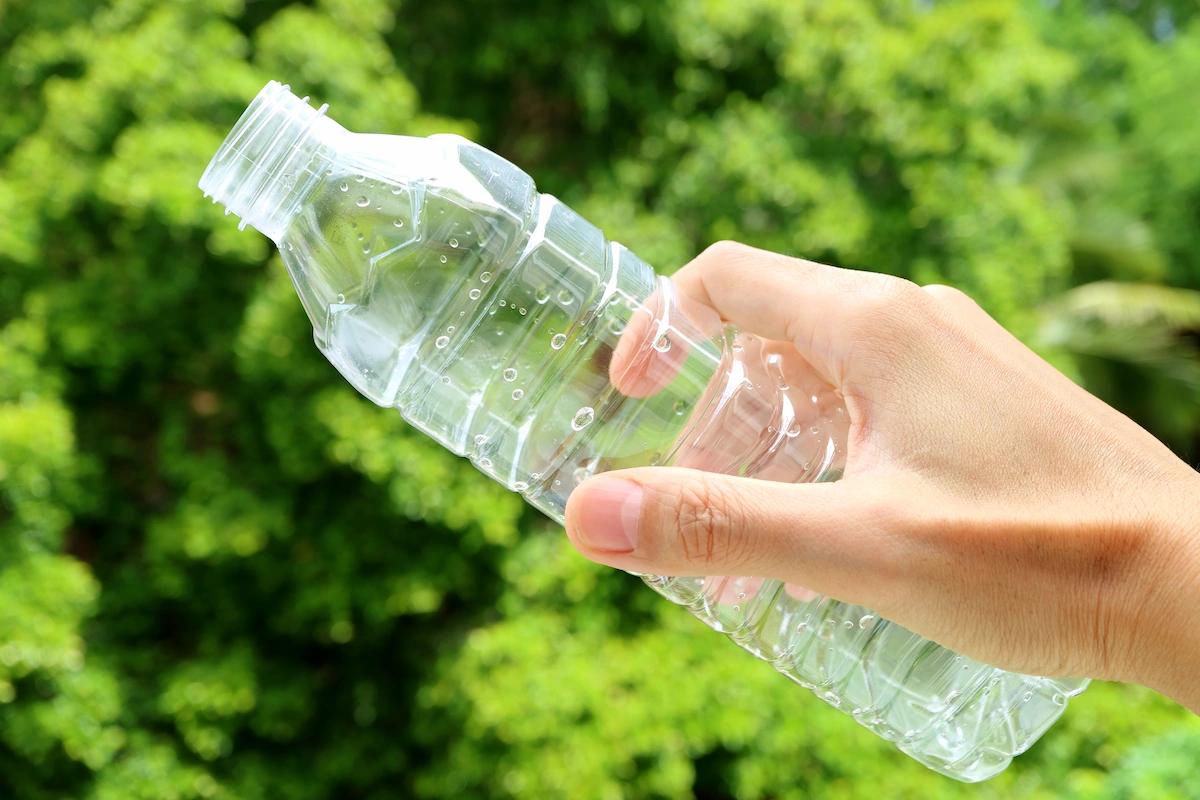
PET plastic is produced through the polycondensation reaction of ethylene glycol and terephthalic acid. PET is a polyester group commonly used to make plastic water bottles.
6. Polystyrene (PS)
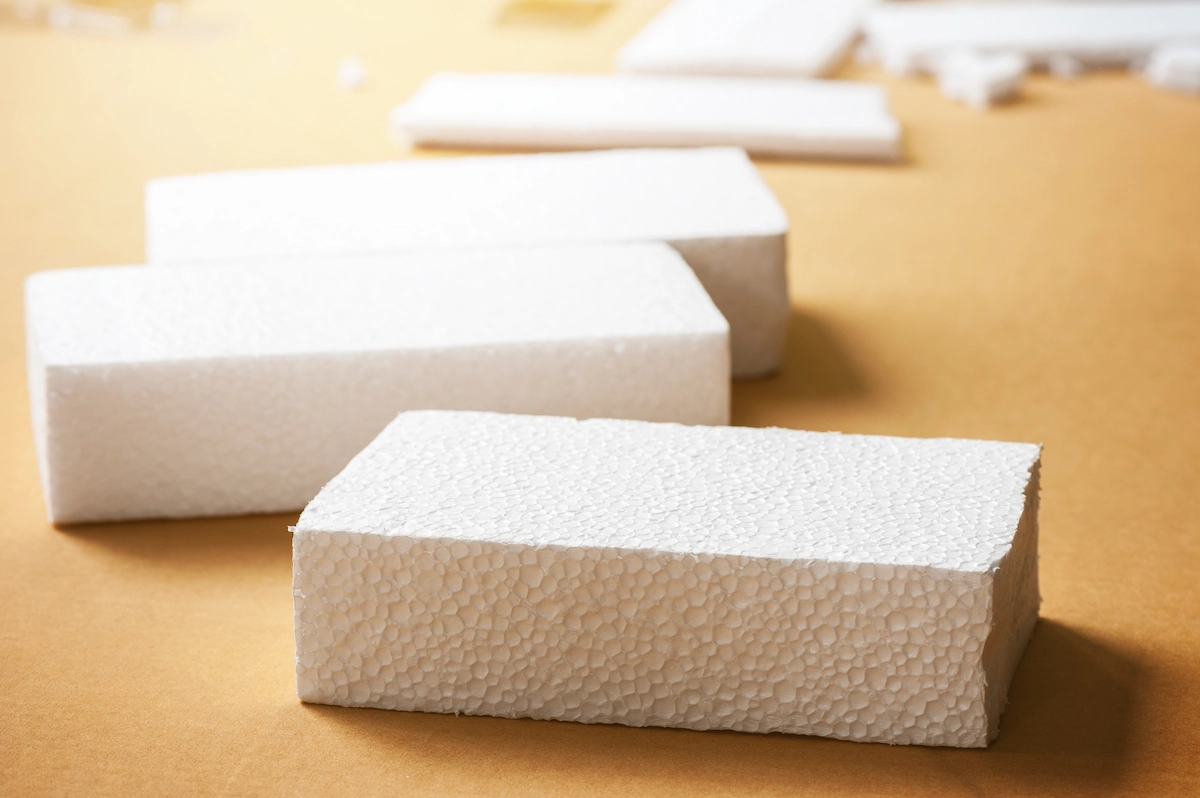
PS is an amorphous, linear thermoplastic that is generally transparent and linear. Polystyrene is often used for insulation, food packaging, and toys.
The Difference Between Natural Polymers and Synthetic Polymers
Did you know that polymers can also come from natural processes? Generally, synthetic polymers are derived from petroleum and processed in laboratories. Meanwhile, natural polymers can come from plants and animals, such as silk, starch, proteins, cellulose, and wool.
A common example of natural and synthetic polymers is rubber. You may already know that rubber can be produced naturally and synthetically. Natural rubber comes from the sap of rubber trees, while synthetic rubber comes from the polymerization of monomers.
For current industrial use, synthetic rubber is more widely used because a range of monomers can be combined and processed to produce a variety of products with different characteristics.
This means that you can “mix” synthetic rubber raw materials to achieve the desired properties, such as elasticity or strength. On the other hand, natural rubber is less durable because it comes from tree sap, making it more prone to decay.
Another example of a natural polymer is starch. Starch can be a food reserve for plants. Starch polymers are composed of hundreds of monomers – D – glucose that are joined by glycosidic bonds (covalent bonds that combine sugar with other groups).
That concludes the information on synthetic polymers. Synthetic polymers are important materials in the manufacturing sector because they are used to make various products, such as water pipes, food containers, and automotive components.
If you need synthetic polymers for industrial purposes, do not hesitate to trust Chandra Asri Group and Aster. Contact us to build a collaboration!
Read also: Synthetic Material: Characteristics, Types, and Examples
.png&w=3840&q=75)