
24-04-2026
Importance of Port Infrastructure for Maritime Trade
Port infrastructure and supporting elements play a crucial role in sustaining the supply chain. The functions of ports are various, including facilitating exports and imports, and serving as a passenger boarding and disembarkation point
Therefore, the port infrastructure development in Indonesia must be encouraged to support the economy and sea logistics, accommodating them well. To understand how important port infrastructures are, read this article completely.
Why Is Port Infrastructure and Development Vital?
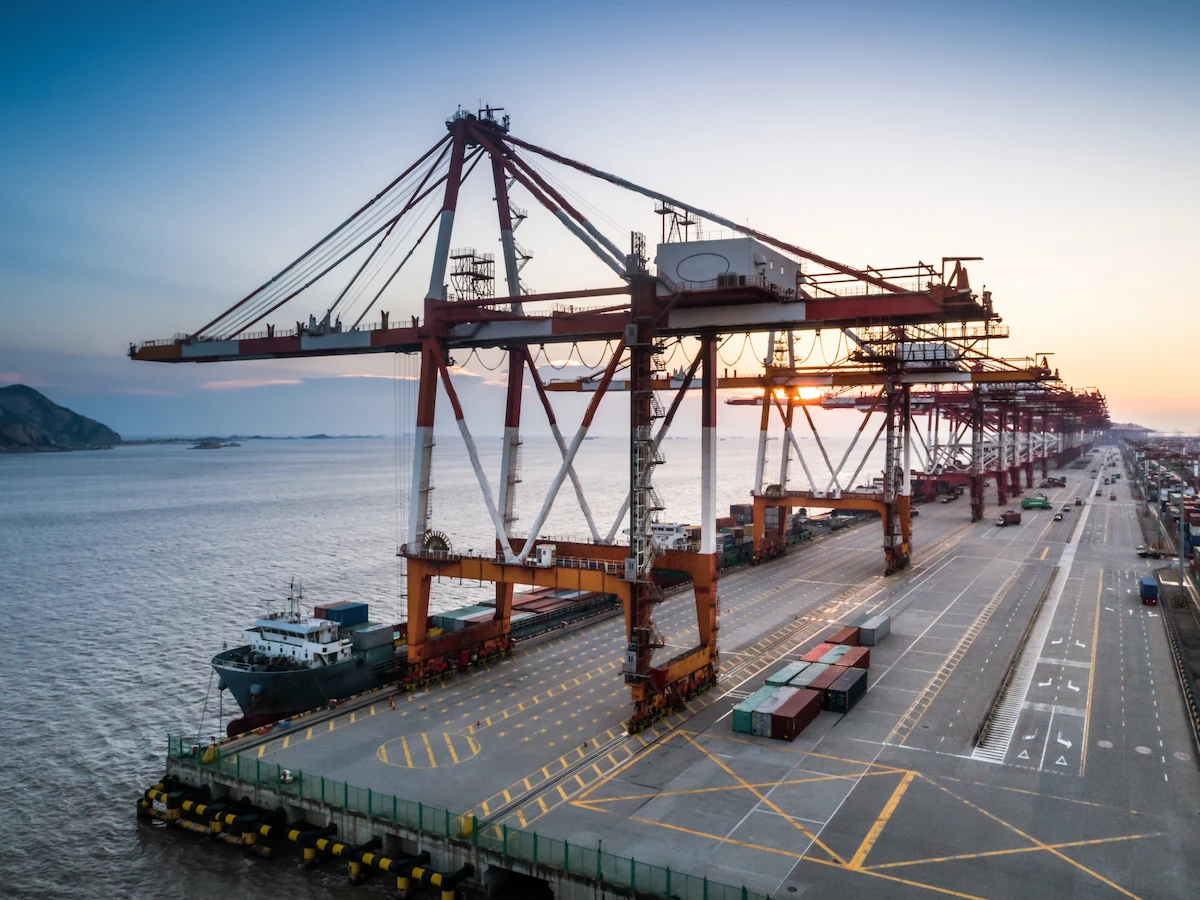
Port infrastructure consist of facilities accommodating the movement of goods and passengers to the destination. This infrastructure can include equipment and facilities, such as docks, cranes, and so on.
Port infrastructure development can involve investing in supporting equipment or implementing more sustainable systems. This development process is critical for supporting maritime logistics, especially for an archipelagic nation like Indonesia.
Statista explains that Indonesia, as a country with more than 17,000 islands, relies on the maritime sector as the hub for the movement of goods and passengers. Moreover, Indonesia’s highly strategic location in Southeast Asia positions it as a maritime trade hub and attracts foreign investors.
In 2022, Indonesia reached international maritime cargo traffic of about 506 million metric tons. Some port areas that contribute to the nation’s maritime sector are Jakarta, Surabaya, and Medan.
Furthermore, if discussing the trade in the maritime sector, the UN Trade and Development (UNCTAD) revealed that crude oil became the commodity with the highest demand in the maritime energy trade based on demand, geography, and geopolitics, compared to other commodities, such as coal, oil products, LPGs, and LNGs.
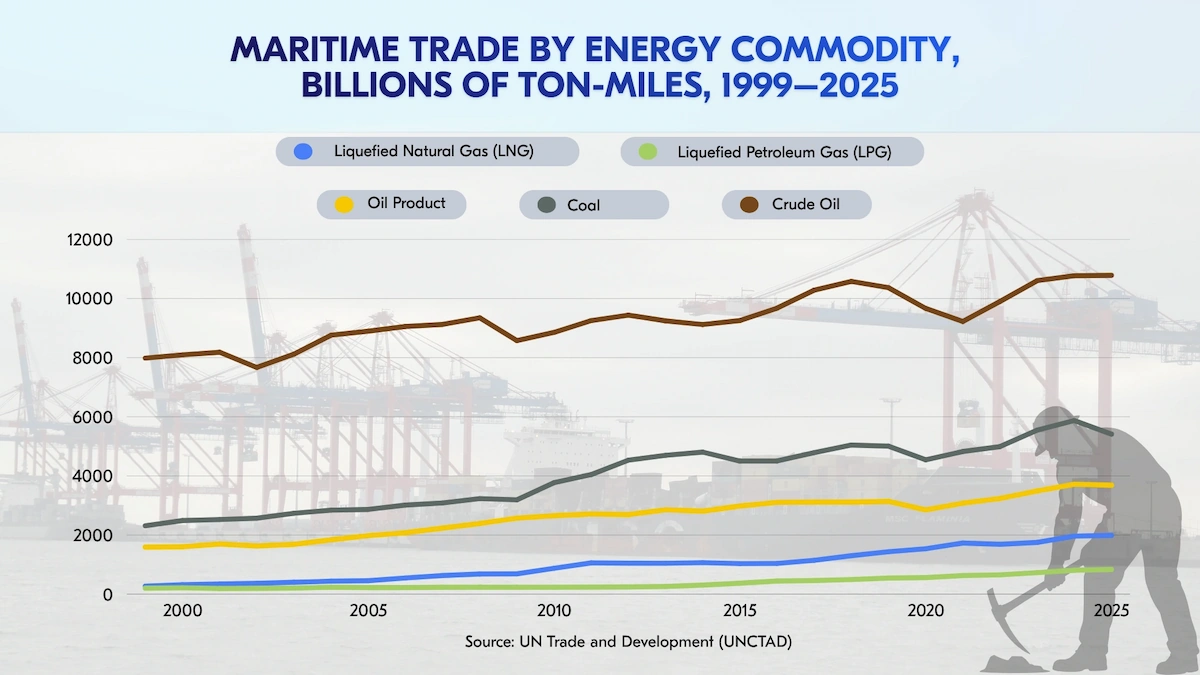
From the figure above, it may be concluded that the port infrastructure must be continuously developed to support sea logistics management needs and ensure that the whole trading activity is optimally executed.
Read also: Definitions, Benefits, and Strategies of Green Logistics
Advantages of the Port Infrastructure Development
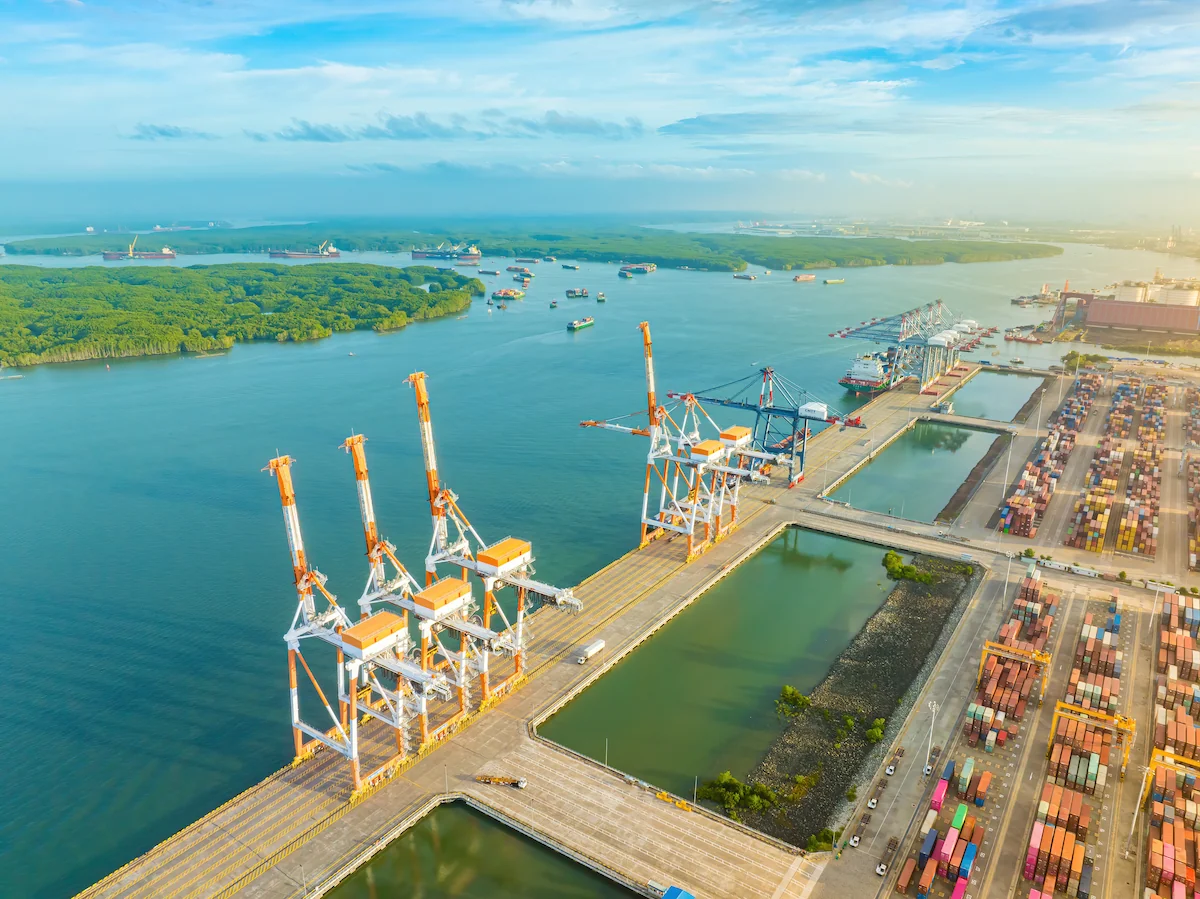
The port infrastructure development offers several advantages for business, including:
1. Increasing Trading Volume
As global trade grows, ports must be prepared to handle large volumes of cargo and passengers. That is why port infrastructure must be continuously upgraded to accommodate trade flows and prevent congestion that could harm businesses.
2. Reducing Logistics Cost
Ports equipped with modern facilities and equipment can operate more efficiently. As a result, ships and trucks do not have to wait long to unload or load cargo. This can lead to significant savings in logistics costs.
3. Contributing to the National Economy
Port infrastructure development can contribute to the national economy by creating job opportunities. Investors may view this as an activity with the potential to increase profits, particularly when it relates to trade.
Furthermore, as the population in an area grows, so does the consumption of goods. To meet these needs, ports must serve as hubs for the movement of goods from producers to consumers, such as through export and import.
4. Improving Sustainability
Recently, many ports have shifted to renewable energy to reduce carbon emissions and waste. It can improve the sustainability and the port’s reputation.
5. Adapting to Globalization
As globalization continues to advance, nearly every aspect of human life is supported by technology, and the trade sector is no exception. Ports that fail to keep pace with the times will struggle to meet the demands of goods distribution and technological advancements.
Therefore, it is essential for ports to continuously modernize their facilities with advanced technology, more environmentally friendly solutions, and automated systems.
6. Opening Tourism Potential
A port not only works as a trade hub but also as a gateway to tourism potential, especially for domestic and foreign tourists. By developing the infrastructure, a port can be a place for ferries to dock.
7. Increasing Capacity
Port expansion, including expanding the port area and deepening the berthing area, can open up opportunities for large ships, particularly those carrying mega-containers. Thus, more companies will use your port as a key hub for maritime logistics. Increased capacity can also create opportunities to handle more cargo.
8. Integrating Intermodal Transportation
A port with adequate facilities will be better connected to land, air, and sea transportation, enabling efficient cargo distribution to various regions.
Read also: Get to Know About Stevedoring in Shipping, Process, and Type
Types of Port Infrastructure Innovations
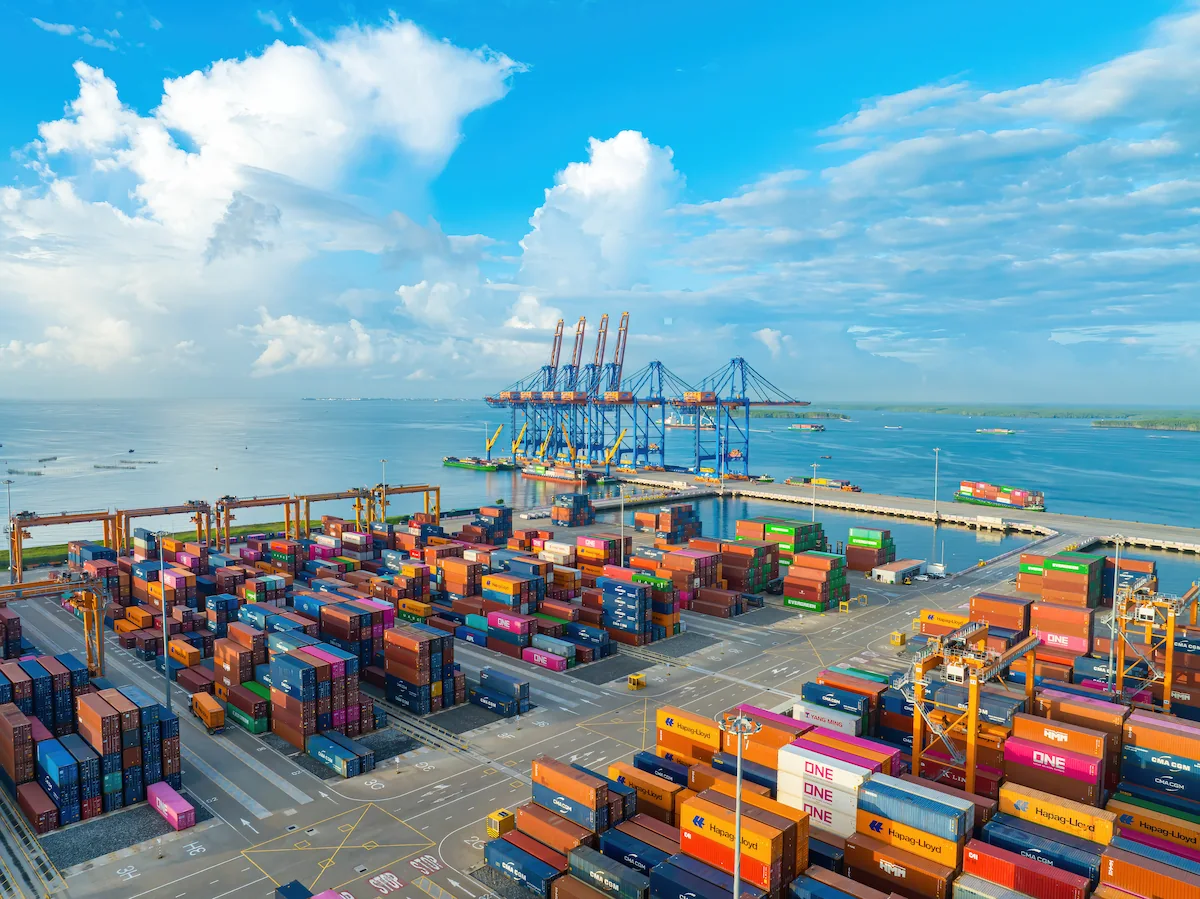
Several port infrastructure innovations can support the maritime trade, including:
1. Innovation to Protect the Environment
Many sectors are now focusing on reducing the environmental impact of their operations. For ports, some innovations that can be implemented include the use of solar panels, wind turbines, wave power plants, waste management systems, and sustainable transportation.
2. Digitalization and Smart Port
Automation and digitalization are now key to more efficient business processes. Several port operations are now supported by technology to make them easier and reduce human error. Some of the technologies used include the Internet of Things and artificial intelligence.
3. Port Structure Personalization
It is common for ports to have specific requirements based on the types of ships that frequently call, berthing conditions, and weather factors. Some of the elements that can be customized include cranes, bollards, fenders, and the overall port design.
Chandra Asri Group and Chemical Port Solution
Port infrastructure is one of the supporting elements of maritime trade. The proper infrastructure can open more business opportunities in the future.
If your company needs a port and storage solution for chemicals, you are in the right article because Chandra Asri Group, as #YourGrowthPartner, can help you.
Through PT Redeco Petrolin Utama (RPU), we provide two docks with a depth of 10 meters for vessels of 35,000 DWT weight and a LoA of 200 meters.
Also, we provide 72 chemical storage tanks with a total capacity of 130,000 kiloliters, a centralized fueling station for various types of tankers, a customer order service system, and an international-standard security system.
Our port infrastructure is specifically designed to receive and handle chemicals, petrochemicals, and refined oil products. Furthermore, RPU holds the relevant ISO certifications and consistently prioritizes environmental sustainability, ensuring that all operations are conducted safely.
Contact Chandra Asri Group now and consult your port service needs with us!
Read also: Get to Know a Container Port, Its Functions, and Charges
.png&w=3840&q=75)