
Get to Know a Container Port, Its Functions, and Charges
By Chandra Asri Group Editorial Team
25-12-2025
In the freight transport sector, a port or terminal is crucial, especially for loading and unloading goods. One port you might find is a container port.
A container port is a facility for processing containers from the ships to the next transportation, like trucks. This article discusses a container port. So, read the complete information below!
What Is a Container Port?
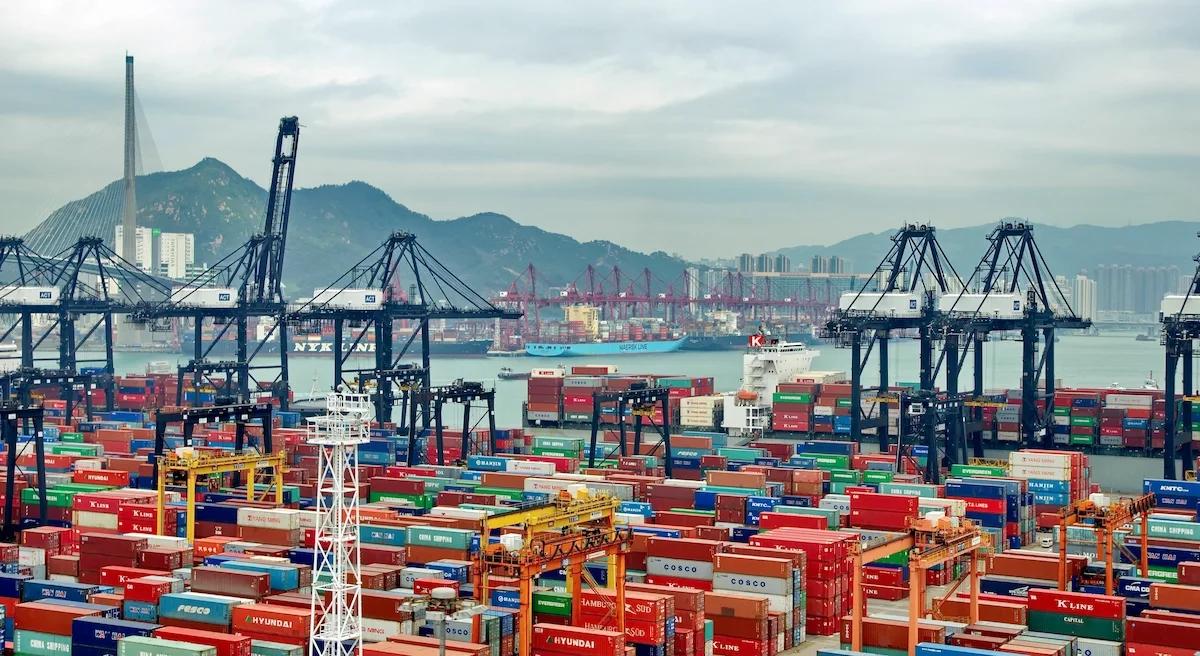
A container port or terminal is a facility designed to unload, load, store, and transfer containers to the next transportation modes, such as other vessels or trucks. It could be said that a container port is a vital center in the global supply chain since it facilitates goods movement from the manufacturer and supplier to the customer.
Here, containers are not only moved but also inspected, loaded, and unloaded. Therefore, the ship docking in the port must carry a permit to be loaded and unloaded, as well as comply with the regulations.
Container ports are typically located strategically near transportation networks or shipping lanes to ensure that the process of transferring containers to the next mode of transportation goes smoothly.
Many modern container ports have special technology to help with the supply chain process and allow terminals to accept more containers.
Container ports can be managed by the nation, built and operated by a service operator, rented by the service operator, or a joint venture between the terminal and service operators.
You can find container ports in Indonesia in Tanjung Priok, Belawan, Panjang, Tanjung Emas, Tanjung Perak, Benoa, and many other ports.
Read also: What Is a Cargo Hold, Function, Types, and Its Parts
Functions of a Container Port
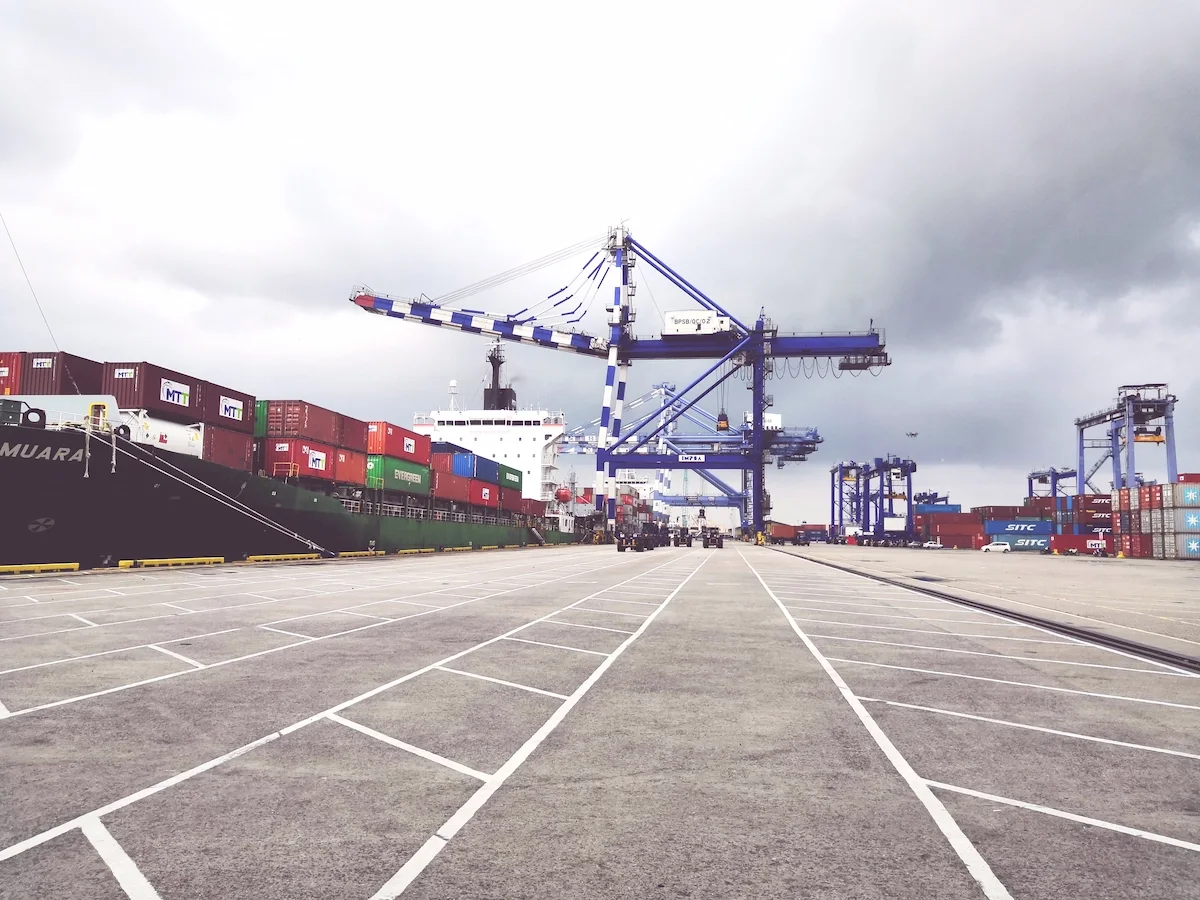
Container ports usually have several functions in the logistics and shipping sectors, such as:
1. Storing Containers
A container port has areas to store containers, whether they are loaded or empty. Typically, loaded containers are only stored for a short time since they must be delivered to another transportation mode. To use the storage area, you can work with the container warehouse renting service.
2. Moving Containers
The main function of a container port is to move containers from one mode to another. The containers can be allocated to trucks, trains, or other vessels to reach the destination.
3. Inspecting Ships
The container port is a place for inspecting ships before docking for loading and unloading goods. The vessels must have the required documents and meet the standards.
Facilities in the Container Port
At container ports, you will see many activities, such as loading goods, inspecting ships, moving containers, and so on. Therefore, container ports must be equipped with supporting facilities, including:
- Yard: This area is used to store containers before they are finally shipped by the next mode of transportation.
- Dock: This area is used for ships to dock.
- Cranes: Cranes are used to lift containers to and from ships. Some types are ship-to-shore cranes, rubber-tired gantry cranes, and rail-mounted gantry cranes.
- Port tractors: Trucks designed to move containers from one area to another within the port.
- Reach stackers: Vehicles for stacking containers.
- Forklift: A tool for carrying smaller containers.
- Straddle carrier: A vehicle for lifting and moving containers from one terminal to another.
- Administration building: A building used to handle administrative and documentation processes.
Read also: What Is Bunkering, and How Do You Do the Safe Procedure?
Fees That May Be Charged at Container Ports
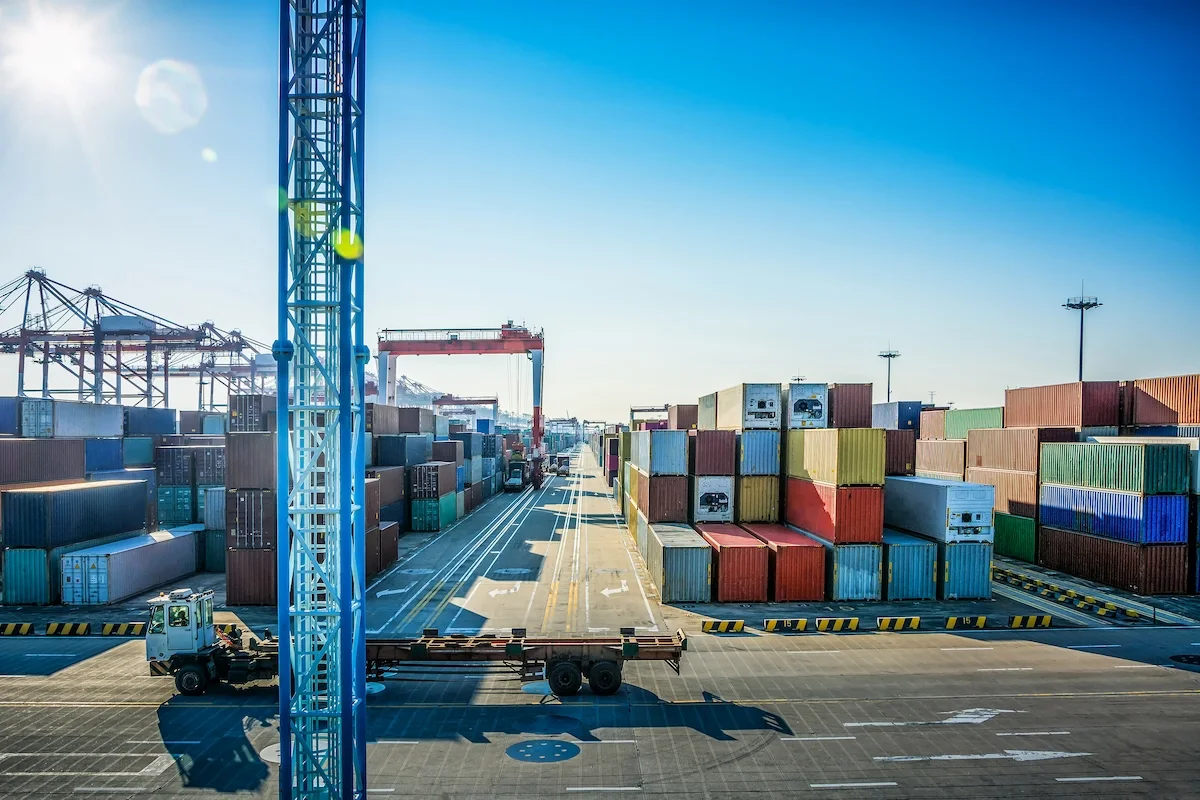
When the unloading and loading process occurs, several fees are charged under certain conditions, such as:
1. Terminal Handling Charge (THC)
THC is a fee for unloading, loading, moving, storing, and maintaining containers. It is handled by the responsible party based on the contract.
2. Wharfage
Wharfage is a fee charged on all goods loaded or unloaded from/to the ships. The fee varies depending on the amount, weight, and volume. This fee must be handled by the cargo owner.
3. Early Arrival Charge
Containers that arrived earlier than the initial schedule will be charged. It is handled by the responsible party based on the contract.
4. Port Storage Charge
You must pay for the storage fee if your containers sit in the port more than the free period, usually more than 3-7 free days.
5. Late Fee
The late fee must be paid when your container arrives later than the scheduled time. It is handled by the responsible party based on the contract.
6. Demurrage Charge
You must handle a demurrage charge when you are late in picking up your containers. Shippers often have to pay demurrage and storage fees to shipping companies.
7. Lift On/Off Charge
This fee is calculated for each container added or removed from the vessel. This fee is paid by the responsible party, as specified in the contract.
8. Cancellation Fee
Cancellation fees are penalties imposed on the party responsible for the container that cancels its arrival at the destination port.
9. Plugging Charge
This charge applies to container ships that need electricity, like refrigerated containers. This charge is paid by the responsible party as specified in the contract documents.
10. Container Clearance Charges
These costs include customs, port, documentation, and inspection fees. These costs are paid by the importer.
That concludes the information about a container port you can learn. This port becomes one of the important aspects in logistics since it is a place where you load and unload your containers. After that, they will continue the trip with other transportation modes.
If you plan to use containers for your shipment, you must understand the functions and charges you must handle while the container is stopping at this port.
Furthermore, if your company plans to ship chemicals and LPG, you need to choose the right logistics service because chemicals and LPG are cargoes that require special handling.
In this regard, you can trust Chandra Asri Group. As #YourGrowthPartner, we provide sea freight services through PT Chandra Shipping International and PT Marina Indah Maritim.
Currently, we have nine carrier ships with a capacity of up to 106,650 DWT. This number may increase in the future.
Be sure to entrust your chemical and LPG logistics to Chandra Asri Group!
Read also: Get to Know About Stevedoring in Shipping, Process, and Type
.png&w=3840&q=75)