
22-06-2026
Port Congestion: Understanding the Causes and How to Prevent It
Globalization has boosted international trade activities and the movement of goods between countries. As one of the main channels for exports and imports, ports play an important role in ensuring the smooth distribution of goods.
One of the key functions of a port is to serve as a logistics distribution point. Yet, congestion remains a major challenge, potentially causing delays, increasing costs, and slowing inventory turnover. What is port congestion, and what causes it? Learn more about it below.
What Is Port Congestion?
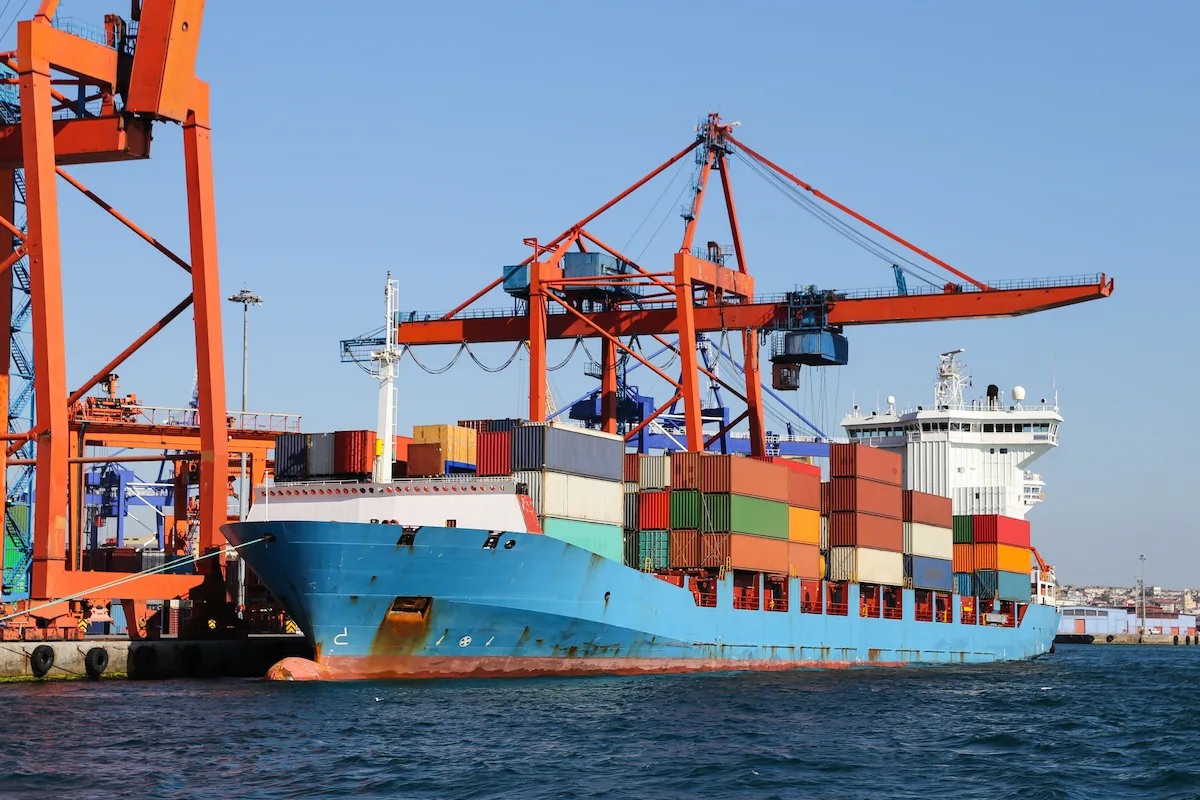
Port congestion occurs when a port can no longer handle the volume of cargo and incoming ships, causing processes to slow down and creating long queues.
Port congestion usually happens due to overcapacity. When it occurs, ships cannot dock directly at the port or berthing area and have to wait outside until a spot becomes available. As a result, containers are held up longer, delivery processes are delayed, and supply chains are disrupted.
As a result of this problem, companies might have to increase freight costs. Ships affected by port congestion will take longer to load and unload.
Waiting times are also longer, with container turnover slowing. This can lead to higher ship operating costs, which in turn affect freight costs.
Read also: Importance of Port Infrastructure for Maritime Trade
Causes of Port Congestion
Port congestion can be caused by many factors, both external and internal to the port. Here are some of them:
1. Excessive Container Volumes
One of the most common factors of port congestion is having too many containers entering within a certain period. Usually, the number of containers increases during peak season, though it can also rise at other times.
When many containers enter the port in a short time, the capacity of the loading and unloading facilities and stacking areas is overwhelmed. As a result, the loading and unloading process becomes slower, and containers start to pile up in the port area.
Moreover, the number of containers entering ports has been steadily increasing, especially as e-commerce and international trade have grown rapidly.
Therefore, port authorities need to manage the number of containers arriving each day to avoid long queues.
2. Infrastructure Limitations
Infrastructure limitations also contribute to port congestion. Ports need to have adequate equipment and warehouses to manage incoming goods, such as forklifts and cranes.
Besides equipment, ports also need plenty of docking areas, especially those that are always busy. Additionally, ports must continually update their systems and equipment to keep pace with logistics demands.
3. Ship Queues
Ships entering the port area cannot dock immediately because they have their own turn or schedule. The longer the ship queue, the longer the waiting time, which can slow down loading and unloading.
4. Irregular Scheduling
As mentioned earlier, ships will enter the port according to their schedule and turn. However, if the coordination of ship arrivals and departures is messy, the operational process can be halted, and other ships will have to queue for longer.
5. Labor Shortages
Human resources can also cause port congestion. A port is not empty, as it is full of equipment and systems that require skilled operators.
If the port is short-staffed, the operational process will slow down, causing ships and containers to line up longer.
Additionally, strikes or inefficient port operations can contribute to port congestion by obstructing cargo handling processes.
6. Weather and Other Factors
Sea shipments are very vulnerable to weather conditions. For example, during storms or typhoons, operations may be halted temporarily.
As a result, already set schedules will be pushed back, causing delays. Besides the weather, distribution processes can also be affected by geopolitical conditions, such as wars and conflicts between countries.
The worst impact of these geopolitical conditions is damage to port infrastructure or the halting of operations to ensure the safety of port workers.
The Impact of Port Congestion on Shipping
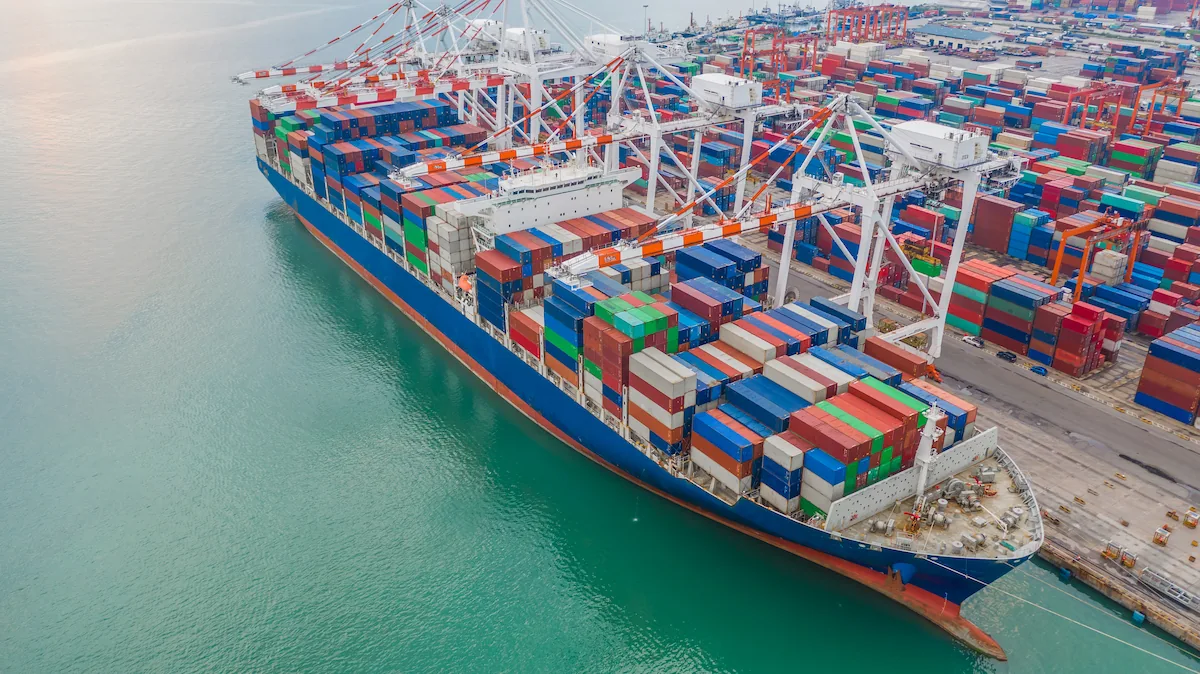
Port congestion can be a problem for supply chains, businesses, shippers, and even customers. Here are the impacts of port congestion on shipping:
1. Increased Costs
The port authorities often raise shipping costs to manage demand and prevent congestion. Businesses whose containers stay longer than the allowed time may also face a demurrage charge.
Port congestion brings unexpected costs for businesses, so they may need to increase shipping charges.
2. Delivery Delays
The most noticeable impact of port congestion is delivery delays. Cargo can be stuck at the port for an unpredictable amount of time, messing up delivery schedules. As a result, customer satisfaction and a company's reputation can be at risk.
3. Supply Chain Disruption
Well-structured supply chain management plays a significant role in business processes. However, port congestion can disrupt the scheduled timelines, making operational processes less efficient.
4. Container Limitations
Port congestion can cause containers to be held at the port longer than expected, so they cannot be reused at the planned time. Ships carrying them also face delays in loading and unloading, which means many empty containers can not reach the locations that need them.
Read also: Understanding Breakwater: Definition, Function, and Types
How to Avoid Port Congestion
Port congestion can disrupt business processes by messing up set timelines. To avoid it, you can take several steps, including:
- Planning shipments: Some instances of port congestion can be predicted, such as during peak season. So, you need to be more careful in scheduling shipments and, if possible, avoid the peak season.
- Monitoring shipments in real time: Use automatic and real-time monitoring tools to spot issues during shipping. This way, you can anticipate delays and quickly plan alternative routes.
- Diversifying transportation modes: You can choose air transportation to avoid delays and land transport to reach more specific areas.
- Preparing customs requirements: Customs is a major cause of port congestion. To help speed up the process, you need to prepare accurate and complete documentation.
Chandra Asri Group, Trusted Chemical Port and Storage Solutions in Southeast Asia
Logistics processes are among the business flows that must be managed efficiently to ensure goods reach customers safely and on time.
If your company needs reliable, trusted port logistics and chemical storage solutions, Chandra Asri Group could be the right choice.
Through PT Chandra Pelabuhan Nusantara (CPN) and PT Redeco Petrolin Utama (RPU), we operate docks and storage facilities for industrial raw materials and processed petrochemical products.
CPN is a subsidiary of Chandra Asri Group that operates over 35 hectares of land in the Cilegon area. Here, there are 3 docks, namely Dock A (ship capacity 80,000 DWT) for LP propylene, Py-Gas, and naphtha; Dock B (ship capacity 6,000 DWT) for HP propylene, LPG, and naphtha; and Dock C (ship capacity 10,000 DWT) for ethylene, Py-Gas, raffinate-1, butadiene, naphtha, and PFO.
CPN also manages 50+ tanks with a total capacity of over 500,000 m3, including atmospheric tanks and pressurized tanks.
Furthermore, RPU serves 2 piers with a water depth of 10 meters for ships with a maximum DWT of 35,000 and an LOA of 200 meters.
RPU also operates 70+ tanks with a capacity of over 125,000 kiloliters, a centralized fuel filling station, a customer order service system, and internationally standard safety practices.
So, do not hesitate to entrust your port and chemical storage needs to Chandra Asri Group, #YourGrowthPartner!
Read also: Understanding a Berthing Plan: Definition, Aims, and Factors