
24-04-2026
Understanding Breakwater: Definition, Function, and Types
A port has several supporting structures, such as docks and breakwaters. The role of a breakwater is very important because this structure protects the anchoring area from the tidal force. To understand more about the functions and types of breakwaters, read the information below.
What Is a Breakwater?
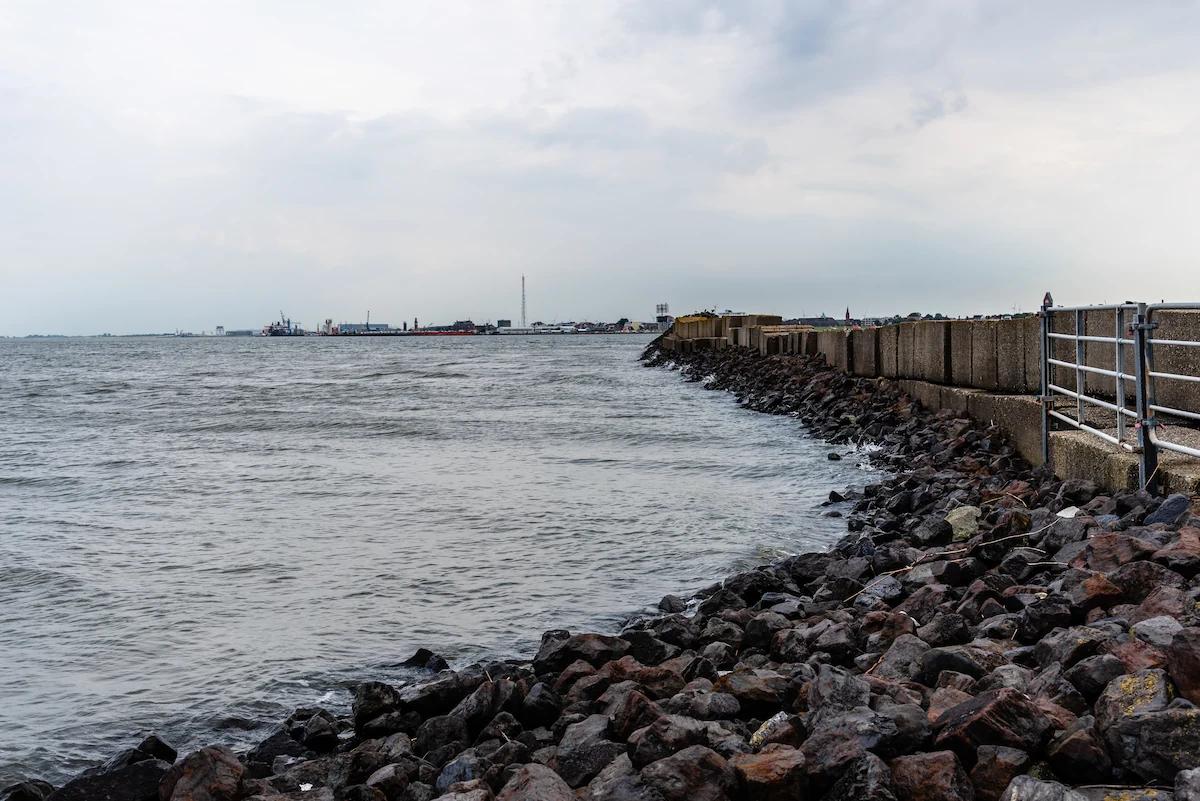
A breakwater is an offshore construction structure built in line with the shoreline to prevent abrasion and erosion due to crashing waves and heavy floods. It also works to reduce sedimentation in the land.
The role of a breakwater is very significant since the shoreline is prone to long-term erosion. So, it needs protection installed along the lines.
According to a journal article entitled “Environmental Impact of Submerged and Emerged Breakwaters” mentioned that breakwaters are commonly used in Thailand to shield the eroding ports and shoreline.
Also, Japan uses breakwaters at Oharai Port. In Indonesia, breakwaters are used to safeguard the coastline and mangrove forests.
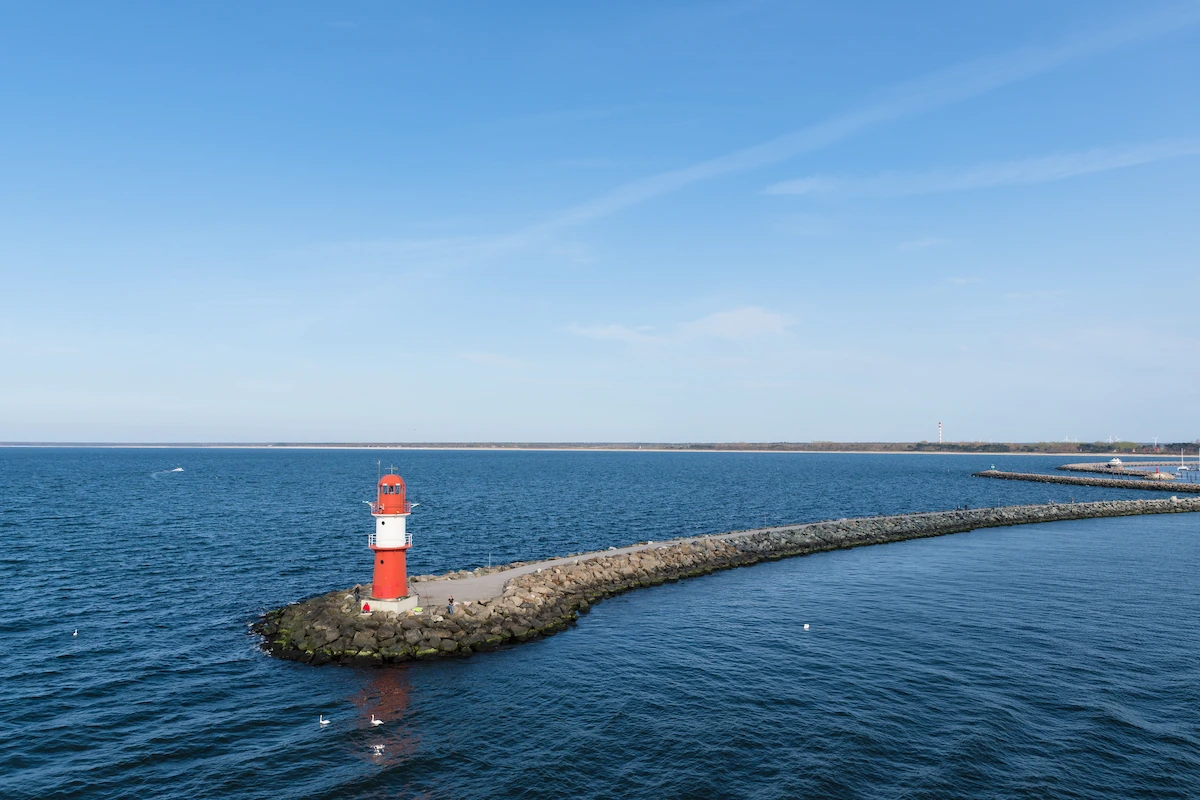
In addition to those functions, a breakwater also has a role in sea logistics. It breaks and releases the waves’ kinetic energy, allowing the port infrastructure and vessels to keep being stable and protected from damage.
Commonly, a breakwater consists of rock formations or concrete and is built floating or submerged. Then, it can be on the coastline or sunk near the line.
Read also: 7 Port Functions for the Economy and Trading, Must Note!
Functions of a Breakwater
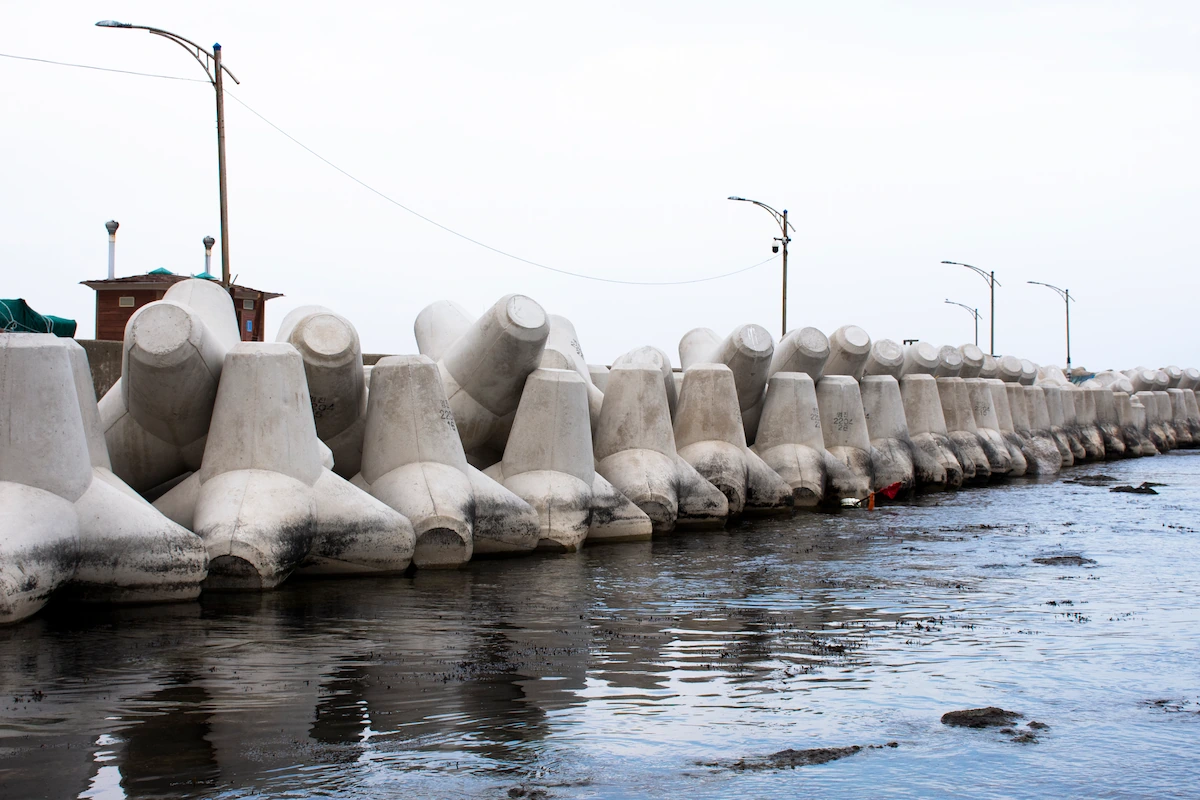
A breakwater has several functions and benefits for vessels and ports, such as:
1. Shielding Anchoring Area
A breakwater reduces tidal energy in the port, making the anchoring area more stable. This is important to prevent collisions between the docking vessels when the tides are high.
2. Protecting the Vessels and Port Infrastructure
A breakwater shields vessels from tidal movement, preventing the cargo from falling into the sea and the vessels from hitting the port body.
3. Withstanding the Sea Force
The primary purpose of a breakwater is to withstand the forces of the ocean, whether caused by natural phenomena or human activities. In addition, breakwaters protect coastlines and harbors from waves generated by severe weather and constant currents.
Types of Breakwaters
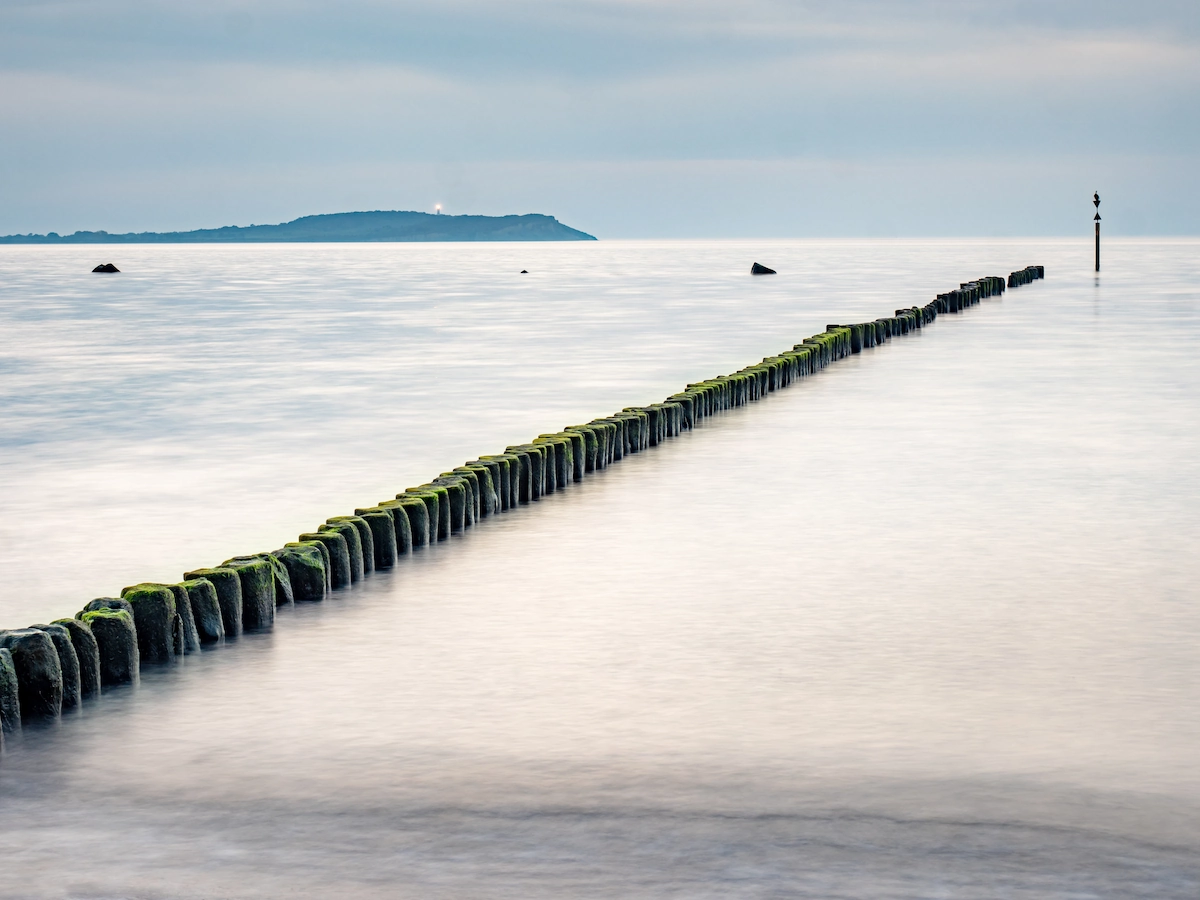
According to the journal “Environmental Impact of Submerged and Emerged Breakwaters,” there are two types of breakwaters: submerged and emerged breakwaters.
Other types of breakwaters include floating, wave attenuator, vertical, natural, and rock breakwaters. Here is a more detailed explanation:
1. Submerged Breakwaters
This breakwater is constructed with a low crest, either flush with the shallow water surface or submerged below it. It includes vertical, semicircular, geosynthetic, and rubble-mound breakwaters.
It also supports port operations and controls sedimentation by regulating water currents and creating wave interference zones.
2. Emerged Breakwaters
An emerged breakwater has a crest that rises above the waterline, preventing water currents from flowing over it. It is widely used in ports around the world, including Japan, Europe, and the United States. Emerged breakwaters are typically constructed from natural stone, geotextiles (permeable sheets made of synthetic fibers), or concrete.
3. Floating Breakwater
A floating breakwater is a pontoon-based (floating structure) wave breaker that is easy to install and causes minimal impact to the seabed. This type of breakwater is only suitable for bodies of water with low waves, such as bays or lakes.
Read also: Get to Know a Container Port, Its Functions, and Charges
4. Natural Breakwater
Natural breakwaters contain natural geographical features, such as coral reefs, sandbars, tombolo formations, and chains of islands and rocky peninsulas.
Coral reefs can dampen waves, making the waters within them calmer. Rocky peninsulas are natural rock formations that jut out into the sea and are often used by ships for anchoring.
Meanwhile, sandbars are typically formed by accumulating sediment that extends outward, creating a natural barrier that breaks waves before they reach the harbor. Island chains can also act as natural wave barriers.
Finally, tombolo formations are unique structures where sediment deposits create a land bridge from the shoreline to the open sea, thereby indirectly protecting the waters of the bay.
5. Rock Breakwaters
A rock breakwater is one of the oldest types used by human civilization. Its base structure consists of rough stones weighing up to 500 kg as a foundation. It is approximately 4–5 meters wide, and its crest protrudes slightly above sea level.
Next, the lower layer consists of stones weighing up to one ton arranged on a slope that is shallower than the base structure. Then, the outer layer is made of large stones weighing up to three tons and positioned specifically to interlock with one another so they can withstand the energy of the waves.
6. Vertical Breakwaters
This type of breakwater features a vertical structure composed of rock and concrete. The foundation is filled with rock or geotextile. The base structure is formed using burlap bags filled with concrete, which are subsequently cast with concrete.
Furthermore, the wall section is specially designed to suit the ocean conditions at a specific location. Unlike stone breakwaters that absorb wave energy, vertical breakwaters reflect wave energy.
Although it may seem more effective, a vertical breakwater is less suitable for bodies of water deeper than 2 meters with very strong waves. Its foundation must also be extremely sturdy to prevent collapse.
7. Wave Attenuators
Wave attenuators consist of parallel walls arranged horizontally, with a single vertical concrete structure supported by an additional wall on the seaward side and two walls on the landward side. This type of hybrid breakwater does not block the waves but reduces their energy and height to a manageable level.
Chemical Port and Storage Solution
Breakwaters play a vital role in protecting moored ships and port infrastructure from the impact of ocean waves. These structures are also essential for the smooth operation of maritime logistics, allowing ships to enter the port to unload and load cargo.
Regarding port services, Chandra Asri Group, through PT Redeco Petrolin Utama (RPU), operates docks, tanks, and supporting assets for chemicals.
RPU features two berths with a water depth of 10 meters, suitable for vessels with a deadweight tonnage of 35,000 DWT and a length overall of 200 meters.
RPU also provides 72 tanks with a total capacity of 130,000 kiloliters, a centralized fuel station, a customer order service system, and an international-standard oil boom for oil spills.
Therefore, entrust your chemical port and storage needs to Chandra Asri Group and Redeco Petrolin Utama, #YourGrowthPartner!
Read also: Uses of Chemical Storage Tanks and How to Choose Them
.png&w=3840&q=75)