
13-04-2026
Petrochemical Industry in Thailand: History and Challenges
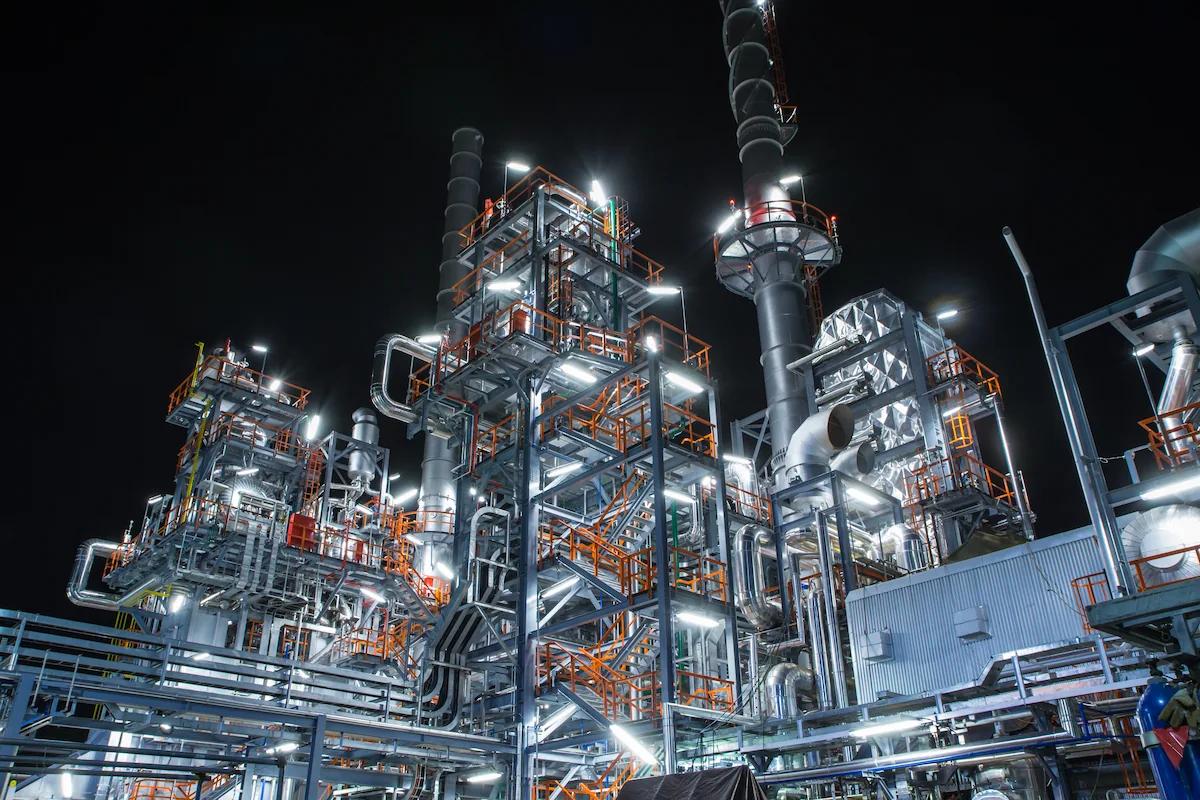
Thailand is one of the countries in Southeast Asia that is still growing its economy. As of 2025, it sits in third place after Indonesia and Singapore as one of the largest economies. The petrochemical industry is among the sectors contributing to Thailand’s economy.
This article talks about the petrochemical industry in Thailand. To learn more about the growth, read this article until the end!
History of the Petrochemical Industry in Thailand
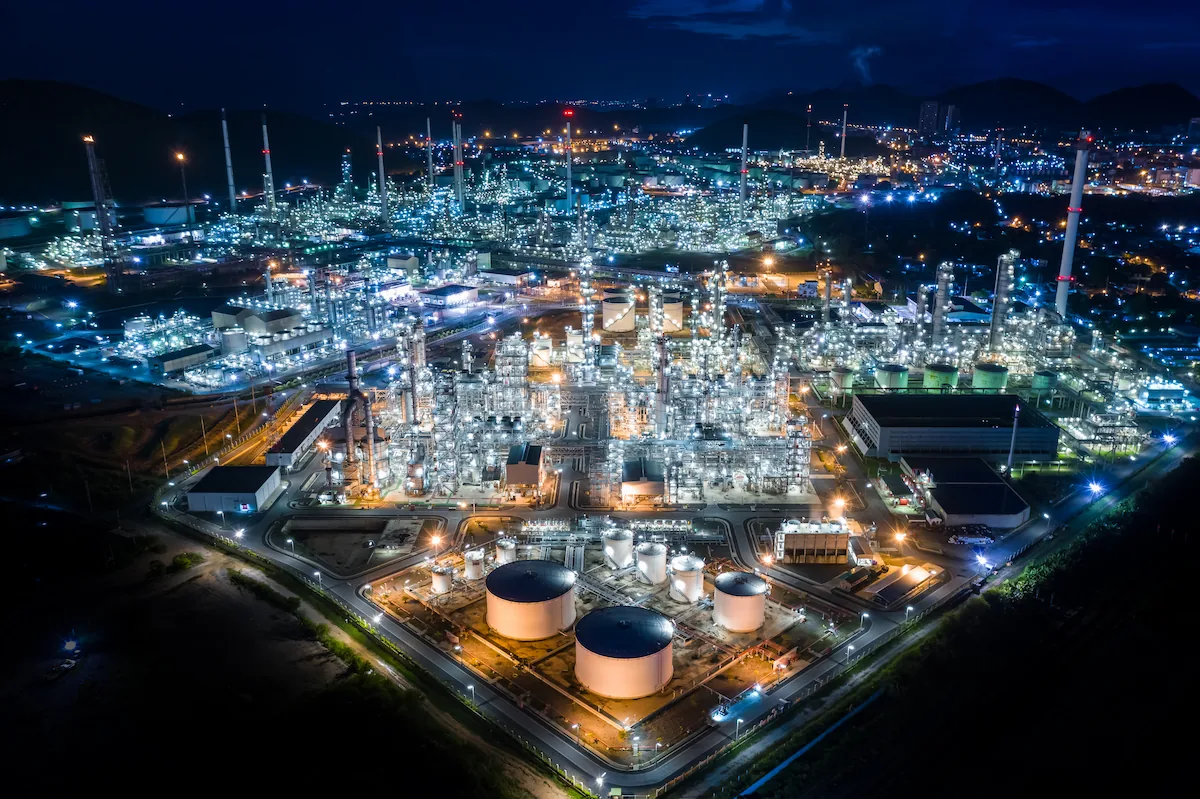
Within the ASEAN region, Thailand is the largest petrochemical manufacturer. Because of relatively high domestic demand, the petrochemical industry has benefited from economies of scale.
According to the Federation of Thai Industries, Thailand had a total petrochemical capacity of 37,428 KTA in 2024. It included upstream (13,313 KTA), intermediate (8,557 KTA), downstream (13,627 KTA), and others (1,931 KTA).
To be as advanced as recent, Thailand has a long petrochemical development history. Here is the timeline:
1. The 1979 Oil Crisis
In 1979, Thailand faced an oil shock. It was not due to a domestic cause but a global oil shortage called the 1979 Oil Crisis.
This crisis was owing to the Iranian Revolution impacting the export and import of crude oil to the world. Thailand, at that moment, relied heavily on imported crude oil, making it vulnerable to the shortage.
The crisis caused the oil price to climb to the limit of subsidies in the nation. Gen Kriangsak Chamanan, the prime minister at the time, was forced to implement extreme energy-saving practices.
Many gas stations were required to stop service after 10 pm; street lights were restricted to save more fuel; bars were closed, and so on. In 1980, Gen Kriangsak decided to raise the oil and gas prices, sparking protests from labor groups, students, and politicians.
In 1980, Gen Prem Tinsulonanda succeeded Gen Kriangsak. In the same year, Thailand began to leverage the natural gas discovered in the Gulf of Thailand.
Official and industry records show that commercial gas production from the Erawan field began in 1981. This marked the start of Thailand's domestic gas era and helped the country rely more on its own resources.
2. 1980–1989 Petrochemical Wave
Domestic petrochemical production was driven from 1980 to 1989 by the need to replace imports and the country's rising natural gas prices. At that moment, the industry serves the domestic market and investment from the public and private sector collaborations.
Thailand used gas-based ethane and propane as the feedstocks, while using olefins and their derivatives for basic commodities.
Read also: Reforming of the Petroleum Process: How Does it Work?
3. 1989–1995 and 1995–2004 Petrochemical Waves
The Thai government shifted the focus to exports by continuing the Second Petrochemical Complex (NPC-II). The private sector participated directly in the petrochemical manufacturing. During this period, various petrochemical companies were established to produce feedstocks for the midstream and downstream.
From 1989 to 1995, the Thai manufacturing base grew to cover product imports, and from 1995 to 2004, the petrochemical companies began to increase their exports.
4. 2004–present Petrochemical Wave
In the third petrochemical wave, Thailand has developed a master plan by focusing on asset integration, competitiveness, and strategic alliances. The nation pushes research and development on advanced production, especially for polypropylene, polyethylene, and polyvinyl chloride manufacturing.
The petrochemicals feed slate has been moving toward a higher proportion of liquid feedstocks because there is more demand for a wider range of intermediate and downstream petrochemical products.
Read also: Malaysian Petrochemical Supply Chain, Export & Import (2026 Guide)
Chandra Asri Group and Aster for Petrochemical Supply in Thailand
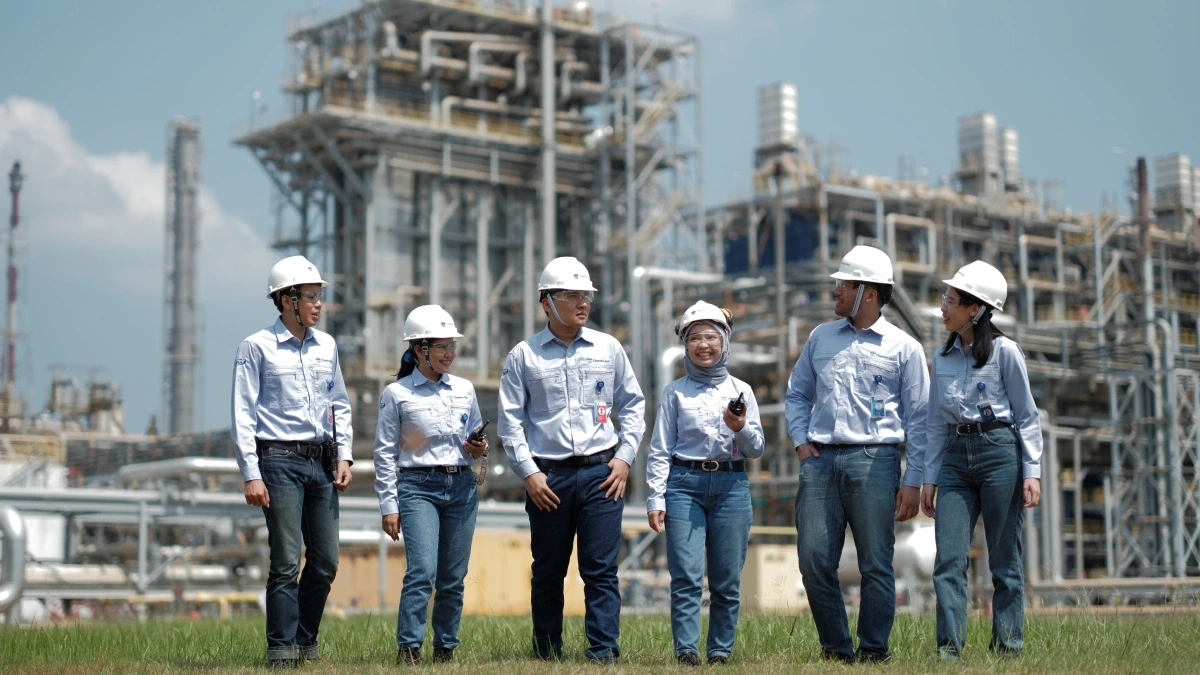
According to the Federation of Thai Industries' (FTIPC) 2025 outlook, the petrochemical sector in Thailand faced a number of difficulties, including declining demand and pressure from the country's economic downturn. These challenges could affect the petrochemical production in the nation.
To support Thailand’s petrochemical industry, Chandra Asri Group and Aster, as #YourGrowthPartner, are available to supply petrochemical products.
Chandra Asri Group is operating an integrated petrochemical complex to produce industrial-purpose chemicals, such as:
|
|
Not only Chandra Asri Group, but Thailand can also rely on Aster, our subsidiary based in Singapore.
In 2025, Chandra Asri Group and Glencore officially acquired Singapore's Shell Energy and Chemicals Park (SECP) in 2025. The purchase of shares of Aster Chemicals and Energy Pte. Ltd. (Aster), a subsidiary of Shell Singapore Pte. Ltd., completed this deal. Aster is available to supply petrochemical building blocks as follows:
- Ethylene.
- Propylene.
- Diethylene glycol.
- Dipropylene glycol.
- Ethoxylates.
- High-purity ethylene oxide.
- LLDPE.
- Mono-ethylene glycol.
- HDPE.
- Polyether polyols.
- Propylene glycol (industrial grade and US Pharmacopeia).
- Propylene oxide
- Styrene.
- Raffinate-1
Aster has an ethylene cracker that can produce 1.1 million tons of ethylene annually and a refinery that can produce 237,000 barrels per day. We have more than 60 hectares of petrochemical land that is dedicated to petrochemical production.
So, if your company in Thailand needs to fulfill petrochemical needs, contact Chandra Asri Group and Aster now!
Read also: Renewable Energy in Thailand: Why Does It Matter for Us?
.png&w=3840&q=75)