
14-03-2026
Malaysian Petrochemical Supply Chain, Export & Import (2026 Guide)
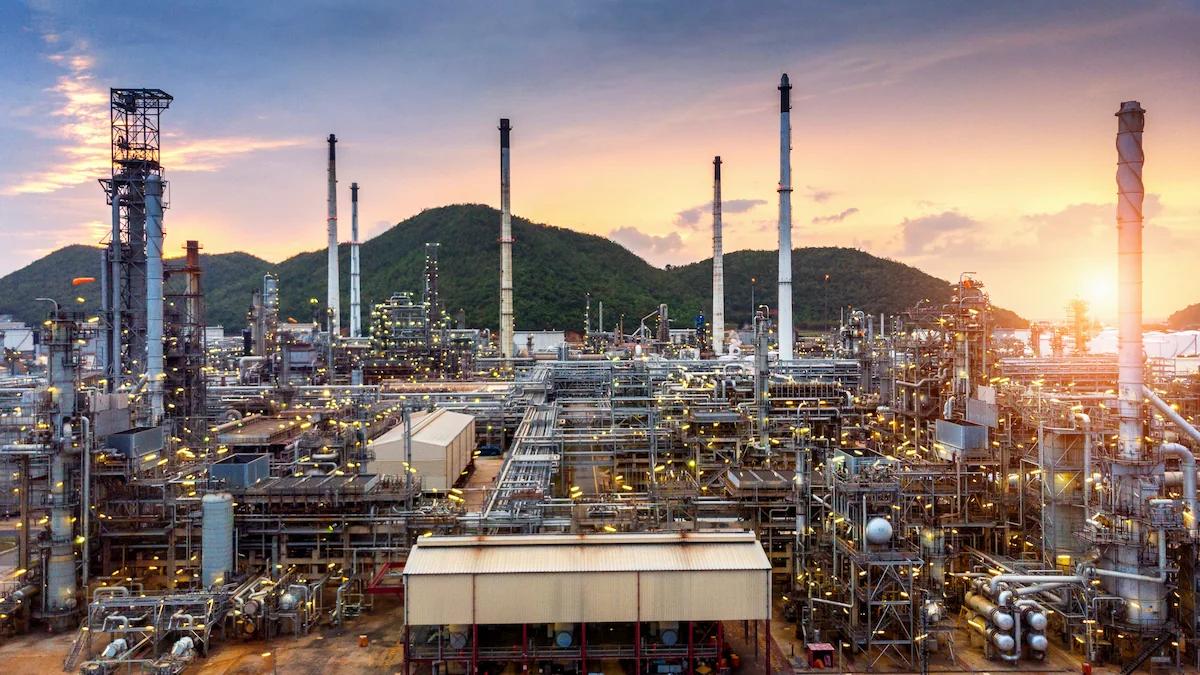
Recently, countries in Southeast Asia began to see greater development of the petrochemical industry, including Malaysia. This industry also contributes to its economy as it exports products to ASEAN and China.
This article discusses the Malaysian petrochemical supply chain and its growth over the past years. To obtain more information, read this article until the end!
An Overview of the Malaysian Petrochemical Supply Chain
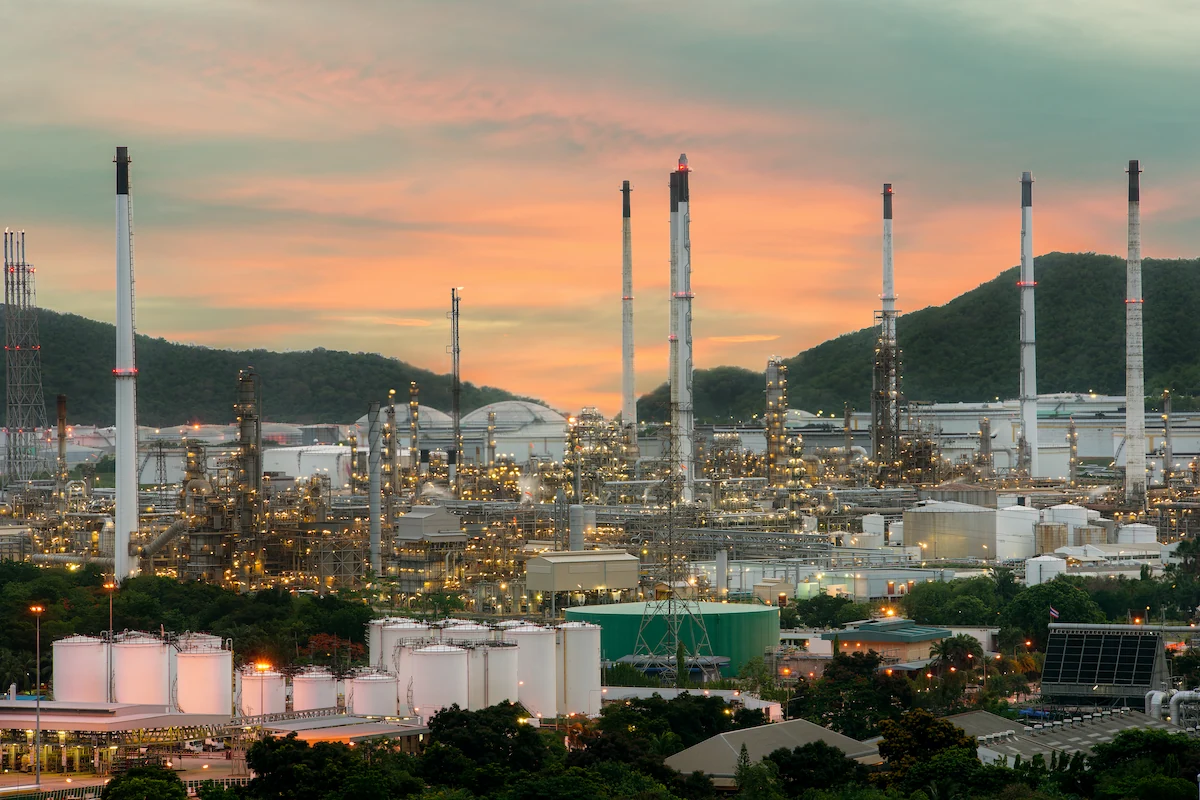
Malaysia has developed a strong petrochemical supply chain fundamentals over the past 50 years. The Malaysian Petrochemical Agency noted in its 2023 country report that Malaysia had exported RM1.217 trillion worth of manufactured products. It accounted for 85.4% of Malaysia's total exports.
The top five exported manufactured products are electrical and electronics (E&E), petroleum products, chemicals and chemical products, machinery, equipment, and parts; and metals.
Malaysia also has a great investment in petrochemicals. In 2023, the total investment in petroleum products reached RM939.5 million, with 97.8% of it coming from domestic investments.
In addition, the Malaysian petrochemical supply chain industry is now refocusing on technology development and digitalization to enable automation and obtain a skilled workforce.
Olefins, polymers, and aromatics are the main drivers of Malaysia's current petrochemical production. As the industry creates more sophisticated and specialized downstream chemicals, there are strong aspirations to grow beyond the commodity products.
Aside from those three, natural gas also plays a significant role in the Malaysian petrochemical supply chain. The Malaysian Investment Development Authority (MIDA) reported that there are six process plants across the nation with a combined capacity of over 2,000 million standard cubic feet per day of feed gas.
This country also has many petrochemical zones and facilities, such as in Kertih, Gebeng, Pasir Gudang, Johor, Bintulu, and Sipitang. With these solid facilities, the chemical industry accounts for 6% of the Malaysian GDP and 11% of inflows.
Read also: Petrochemical Product Classification & Their Industrial Uses
Malaysia’s Chemicals Exports and Imports
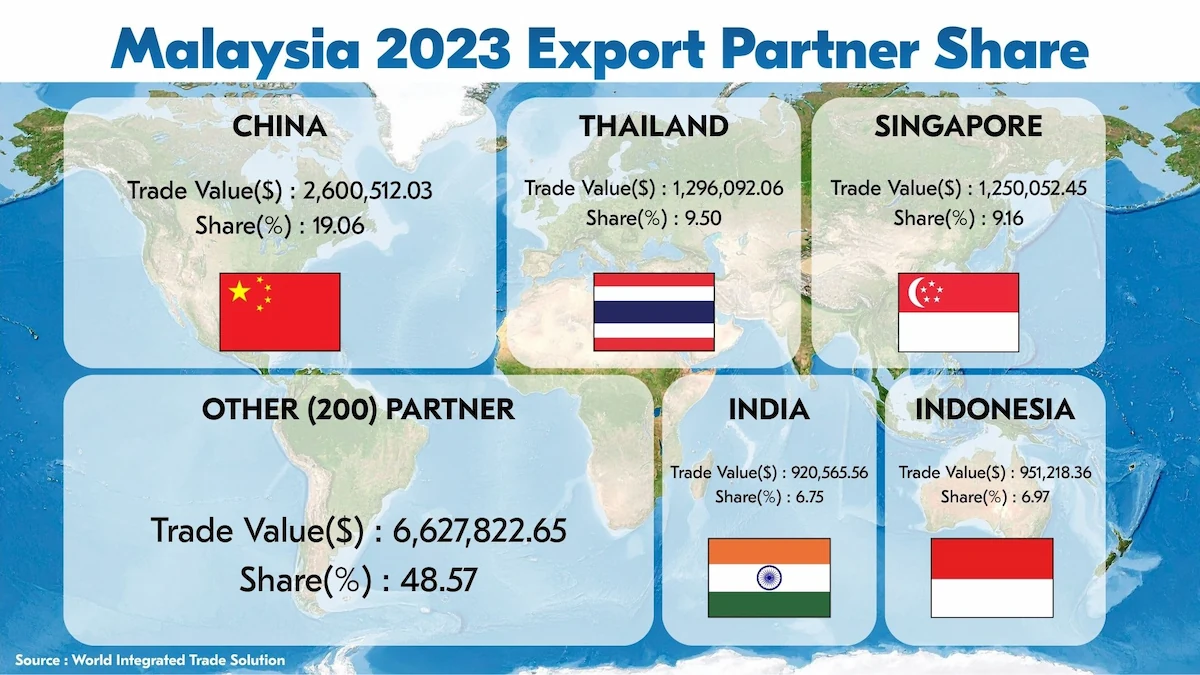
Malaysia continuously exports and imports chemicals to support its petrochemical supply chain. The World Integrated Trade Solution shows that in 2023, the number of export partners was dominated by Asian countries, such as China, Thailand, Singapore, Indonesia, and India.
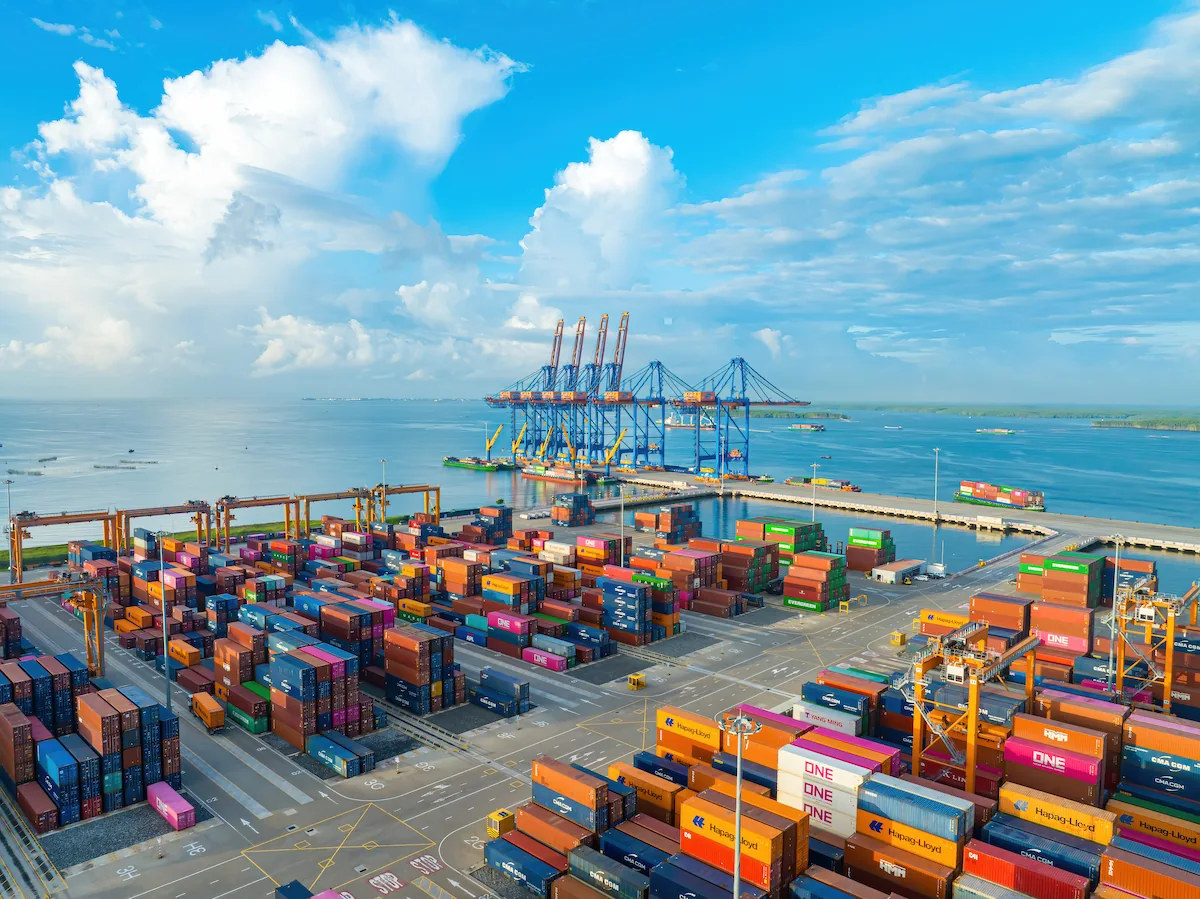
Malaysia produces an abundance of petrochemical products to meet the domestic and export demands, including methanol, polypropylene, LLDPE, HDPE, monoethylene glycol, diethylene glycol, ethylene oxide, butanol, and many more.
Meanwhile, Malaysia also imports several chemicals, such as high-performance plastic, to meet the domestic demand. The Malaysia Petrochemical Agency reported that in 2023, Malaysia had become a net importer of LLDPE and HDPE from Singapore, Thailand, Indonesia, and Saudi Arabia.
In terms of the plastic industry, packaging becomes the largest end-use sector since it has a role in producing containers, plastic bags, sheets, bottles, and so on. Along with that, there are plastic demands for the textile, construction, electronics, and automotive sectors.
That is why the Malaysian petrochemical supply chain plays a significant role in providing building blocks for various manufacturing processes.
Read also: Petrochemicals in Singapore: Overview and Potentials
Chandra Asri Group and Aster: Petrochemical Supply Chain Solutions
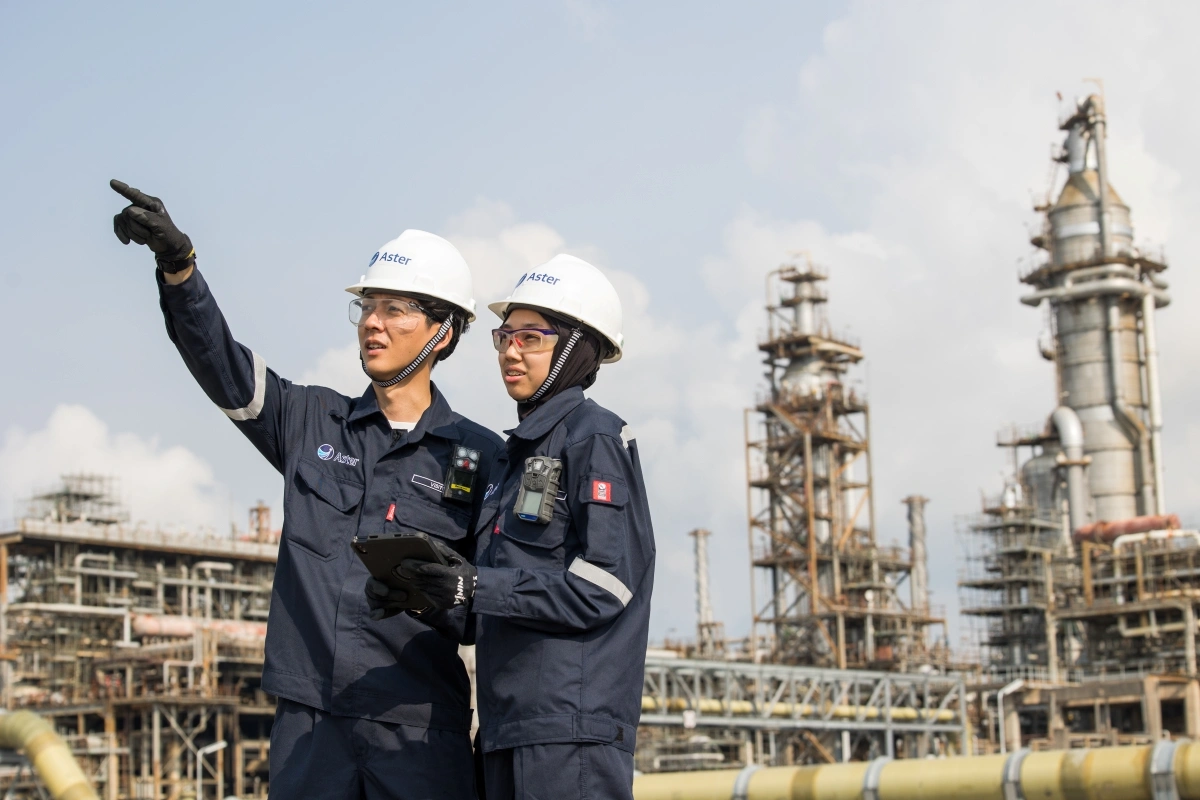
As mentioned before, Malaysia is a net importer of high-performance and engineering plastics.
Within the plastics ecosystem, higher value-added plastics are expected to grow at a compound annual growth rate (CAGR) of about 5% over the next five years.
Likewise, the demand for engineering plastics is expected to grow at a faster rate than the current 4.5% CAGR. Therefore, Malaysia might demand reliable petrochemical suppliers.
Regarding this, Chandra Asri Group and Aster can become the solutions for the Malaysian petrochemical supply chain. As #YourGrowthPartner, Chandra Asri Group and Aster provide petrochemicals for Southeast Asia.
Chandra Asri Group is a leading chemical solutions company operating the largest integrated petrochemical complex in Indonesia. We provide various chemicals, including:
|
|
In addition, Chandra Asri Group’s subsidiary based in Singapore, Aster, also supplies petrochemical building blocks, such as:
- Ethylene.
- Propylene.
- Diethylene glycol.
- Dipropylene glycol.
- Ethoxylates.
- High-purity ethylene oxide.
- LLDPE.
- Mono-ethylene glycol.
- HDPE.
- Polyether polyols.
- Propylene glycol (industrial grade and US Pharmacopeia).
- Propylene oxide
- Styrene.
- Raffinate-1
Aster is home to a 237,000-barrel-per-day refinery and has an ethylene cracker with a capacity of 1.1 million tons per year. Our petrochemical land spans over 60 hectares and specializes in producing petrochemicals.
So, if your company or factory in Malaysia needs high-quality petrochemical feedstocks, entrust it to Chandra Asri Group and Aster! Make a deal with us now!
Read also: The Chemical Industry: Definition, Products, and Examples
.png&w=3840&q=75)