
17-03-2026
Reforming of the Petroleum Process: How Does it Work?
By Chandra Asri Group Editorial Team
In the crude oil refining process, reforming is an important part because it processes oil into quality final products. The term “reforming of petroleum” is popular in the fuel production process.
This article talks about the reforming process in the petrochemical and chemical industry, as well as the types. To learn more, read this article completely!
What Is the Reforming of the Petroleum Process?
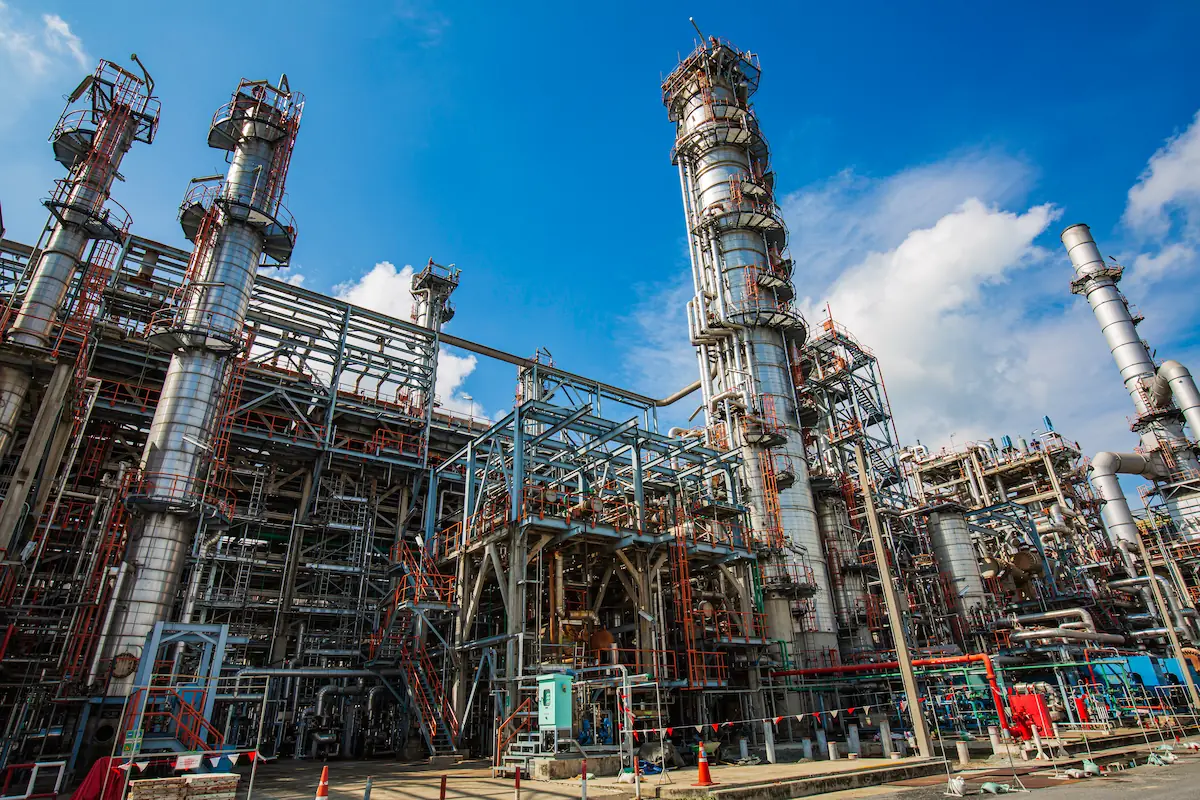
Reforming is a process of transforming straight-chained hydrocarbon molecules into branched ones. This process works to improve the fuel’s octane rating, which is ideal for vehicle engines.
Vehicles must use gasoline with the specified octane to optimize the combustion and avoid knocking due to imperfect firing. Knocking can damage a vehicle’s internal components if it is unmanaged.
Aside from increasing the fuel’s octane rating, the reforming of the petroleum process also produces aromatic hydrocarbons and hydrogen.
The term “reforming” is often compared to “cracking.” Both are crucial petroleum refining processes, but they differ. Cracking breaks down hydrocarbon molecules into smaller ones, such as ethylene.
The goal is to produce petrochemical feedstocks or high-quality fuels. Meanwhile, reforming is the process of altering the molecular structure of hydrocarbons to produce aromatics and increase the octane rating.
Read also: Oil Refinery: Definition, Processes, and Its Functions
Types of Reforming

Primarily, there are two types of reforming processes: steam reforming and catalytic reforming. Here is the complete information:
1. Steam Reforming
Steam reforming is the most common method of hydrogen production owing to its relative cost-effectiveness. In this process, steam reacts with methane in the presence of a metal-based catalyst (nickel) at high temperatures (700–1,100 degrees Celsius). The products are hydrogen and carbon monoxide.
The chemical reaction in the steam reforming process is endothermic, meaning it absorbs heat. Generally, steam reforming uses methane, LPG, naphtha, or ethane as feedstock.
The steam reforming process works as follows: first, long-chain hydrocarbons are broken down to form methane, carbon monoxide, carbon dioxide, and hydrogen. It is carried out by adding steam at temperatures up to 500 degrees Celsius and pressures up to 30 bar.
Next, the methane reacts with water at a temperature of approximately 800–900 degrees Celsius under constant pressure. To increase hydrogen yield, carbon monoxide is converted into carbon dioxide and additional hydrogen through the water-gas shift reaction. This reaction boosts hydrogen production and reduces carbon monoxide levels.
2. Catalytic Reforming
Catalytic reforming increases the octane rating of naphtha feedstock to produce high-quality gasoline. This process also produces aromatic compounds, such as toluene, benzene, and xylene.
In catalytic reforming, naphtha is mixed with hydrogen and heated before entering the reactor. This mixture undergoes a chemical reaction at high temperatures in the presence of a catalyst within the reactor.
It converts the straight-chain hydrocarbons in naphtha into aromatic hydrocarbons with a higher octane rating. The hydrogen produced is then cooled for reuse in the next reforming cycle.
Meanwhile, the bottom product from this process is sent to a fractionator called a "debutanizer." The bottom product still contains light hydrocarbons and reformate. Inside the debutanizer, it is processed to remove the light fractions and produce the final reformate product.
This reformate is a high-octane gasoline component that can be blended with other fuels, extracted, or used directly. On the other hand, light fractions such as butane are processed into LPG.
Read also: Fractional Distillation of Crude Oil and Its Final Products
Advantages and Disadvantages of the Reforming Process
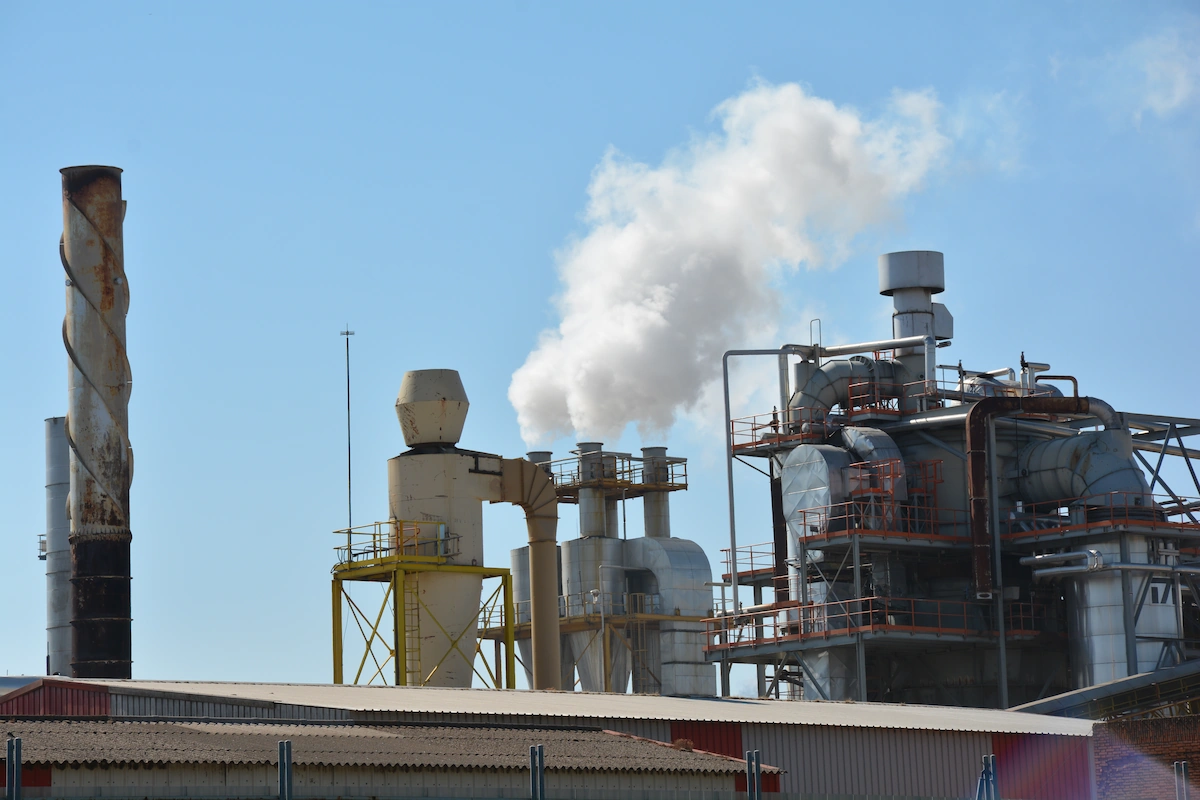
The reforming of the petroleum process has advantages and disadvantages that must be considered, such as:
Advantages of reforming:
- Producing hydrogen: Steam reforming produces hydrogen for other industries’ feedstock.
- Improving octane in fuels: One of the main purposes of reforming is to increase the octane rating and quality of fuels. High-octane gasoline can enhance the vehicle’s performance and efficiency. However, the use of high-octane gasoline must follow the compression ratio, because if used in an engine with a low compression ratio, the gasoline will not burn properly.
- Increasing economic value: Reforming can transform light naphtha into high-value products like aromatics.
Disadvantages of reforming:
- The reforming process can emit greenhouse gas emissions.
- It needs relatively high energy, weighing the company’s operational costs.
Chandra Asri Group and Aster, Your Industrial Chemical Solutions
Reforming is one of the key stages in crude oil processing because it adds economic value to the final product. This process produces aromatic hydrocarbons that can be used as feedstock for other industrial processes and increase the octane rating of gasoline.
Regarding aromatics, Chandra Asri Group, a leading chemical, energy, and infrastructure solutions company in Southeast Asia, produces styrene monomer, ethylbenzene, and toluene.
Styrene monomer is a raw material for polystyrene and various synthetic rubbers. Ethylbenzene is a raw material for styrene monomer, while toluene is used as a paint thinner.
In addition, our Singapore-based subsidiary, Aster, also provides aromatics, such as styrene. Aster is a company acquired through a partnership with Glencore.
Currently, Aster has a crude oil refinery with a capacity of 237 thousand barrels per day and owns over 60 hectares of land.
Along with aromatics, Chandra Asri Group and Aster also provide other chemicals, such as ethylene, chlor-alkali, propylene, and many more.
So, do not hesitate to entrust your chemical needs to Chandra Asri Group and Aster, #YourGrowthPartner!
Read also: 9 Petroleum Products You Must Know, from Gasoline to Naphtha
.png&w=3840&q=75)