
The List of Renowned Oil Areas in Indonesia and Worldwide
By Chandra Asri Group Editorial Team
31-01-2026
Petroleum is one of the commodities with a large market. No wonder many petroleum products are used by humans, including fuel, asphalt, and household products.
So, where are the oil areas in the world, and in Indonesia? This article discusses the list of areas that produce petroleum and their potential. So, read to the end!
Oil Areas in Indonesia
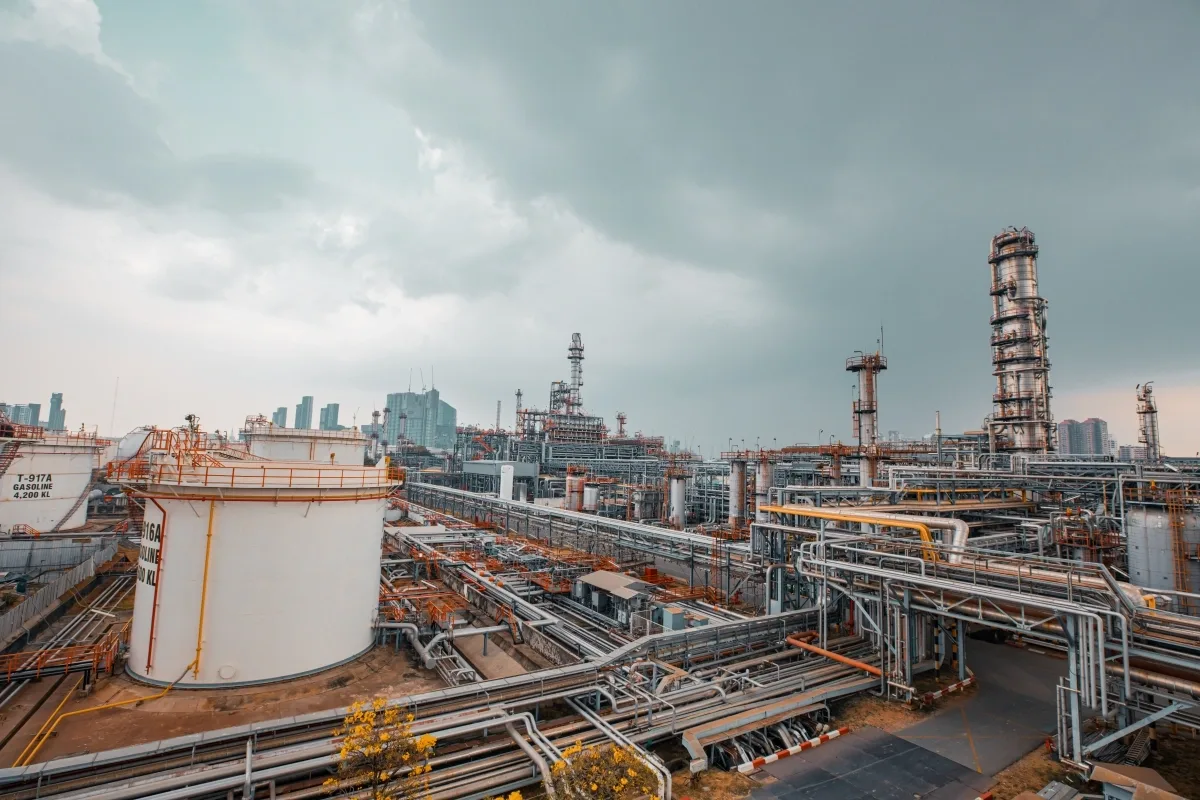
Indonesia is well-known for its abundant natural resources, including petroleum. In fact, Indonesia has many oil areas with considerable potential for industrial use.
The Central Bureau of Statistics (BPS) recorded that Indonesia successfully produced 223,532.5 barrels of oil in 2022. Furthermore, the International Energy Agency (IEA) showed that our country produced 1,312,331 terajoules of oil in 2023.
In the Asia-Pacific region, Indonesia ranks third after China and India. Globally, Indonesia ranks 26th after Azerbaijan, which produced 1,335,798 terajoules of petroleum in 2023.
So, what are the oil-producing areas in Indonesia? Here is the complete information:
1. Cilacap, Central Java
The oil refinery in Cilacap, known as Refinery Unit IV Cilacap, has a capacity of up to 348,000 barrels of oil per day, making it one of the largest oil refineries in Southeast Asia. This oil refinery was first constructed in 1974 with a capacity of 100,000 barrels of oil per day.
2. Riau, Riau Province
Riau has oil mining blocks in the Natuna Islands. One of the cities in Riau, an oil area, is Dumai City.
This city has several oil refineries, including the Putri Tujuh Refinery. This refinery produces at least 127,000 barrels of oil per day. The oil refinery was first built in 1971 and has been distributing oil throughout Indonesia.
3. South Sumatra
Several areas in South Sumatra are also strategic locations for oil refineries. Some of them are scattered in Muara Enim, Plaju, and Sungai Gerong. The oil refinery in Plaju is one of the oldest in Indonesia, having been built in 1904. The Plaju oil refinery produces around 127,300 barrels of oil per day.
4. Cepu, Central Java
One of the most famous oil refineries in Central Java is the Cepu Oil Refinery, which covers the districts of Blora, Tuban, and Bojonegoro. This oil refinery can produce around 220,000 barrels of petroleum per day.
5. Balikpapan, East Kalimantan
Refinery Unit V Balikpapan, East Kalimantan, has a capacity of around 260,000 barrels of petroleum per day. This oil refinery has been operating since 1922 and is a major milestone in Indonesia's fuel supply.
6. West Papua
West Papua also has potential oil reserves. Here stands the Kasim Oil Refinery, which has a capacity of approximately 10,000 barrels of oil per day. This oil refinery processes raw oil from the Salawati and Walio regions.
7. Balongan, West Java
In West Java, the Balongan Oil Refinery is located in Indramayu. This oil refinery has a production capacity of approximately 123,000 barrels per day. The Balongan Oil Refinery generally processes petroleum into fuel, kerosene, and LPG.
Read also: What Is a Petroleum Reservoir in the Oil and Gas Industry?
Oil-Producing Countries
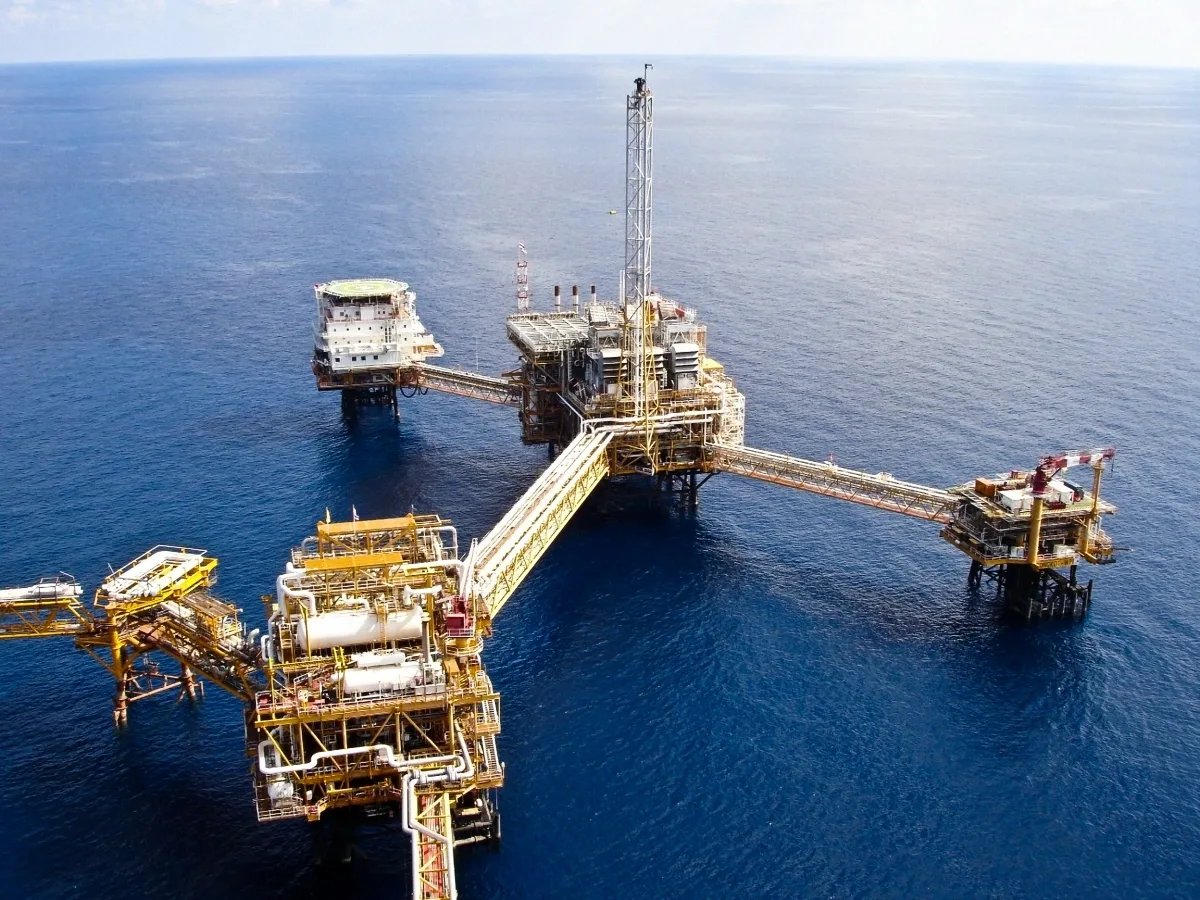
Not only Indonesia, but several other countries around the world are also known as oil-producing regions. The U.S. Energy Information Administration notes that the United States ranked first as the world's largest oil producer in 2023, with production of approximately 21.91 million barrels per day, accounting for 22% of the world's total oil production.
The list of the world's oil-producing countries is as follows:
1. Venezuela
Venezuela has the largest oil reserves in the world, amounting to approximately 303 billion barrels. In fact, this country controls 18% of the world's oil reserves. 80% of these oil reserves are exported to China.
2. Saudi Arabia
Saudi Arabia produced at least 267,200 million barrels per day in 2024, making it the world's second-largest oil producer. Due to this production capacity, the country contributes $191.1 billion to global exports.
As much as 50% of the country's Gross Domestic Product (GDP) is supported by the oil industry, and 70% of that comes from commodity exports.
3. Iran
Iran ranks third with a production capacity of up to 209 billion barrels per day. However, due to Western sanctions (restrictions on access to technology and on oil sales), Iran can produce only 2.5–3.8 million barrels per day.
4. Canada
Canada is the fourth-ranked non-OPEC country with oil reserves of 163 billion barrels. Most of the country's oil reserves come from oil sands (bitumen), which are more complex to extract because they require large initial capital investments and steam-assisted extraction systems.
60% of the raw oil imported by the United States comes from Canada, with the rest coming from Mexico, Saudi Arabia, and other countries.
5. Iraq
Iraq has at least 145 billion barrels of oil reserves. However, due to war and sanctions, oil field development in this country has been less optimal. Oil accounts for 90% of the country's revenue, with exports to countries such as China, Asia, and India.
6. United Arab Emirates (UAE)
The UAE produces 113 billion barrels of oil, with exports valued at $87.6 billion. The country can distribute oil globally due to its location in the Strait of Hormuz and its openness to international oil companies.
Read also: Oil Refinery: Definition, Process, and Its Functions
Leading Petroleum Refinery Pioneer in Southeast Asia
Indonesia has abundant petroleum supplies. That is why the petrochemical and chemical industries have become pillars of the national economy. The petroleum produced from mining activities is then processed, including by a naphtha cracker.
As a leading chemical solutions company in Southeast Asia, Chandra Asri Group is a pioneer in operating naphtha crackers in Indonesia, specifically for olefin and polyolefin production.
We have standardized production flows and stages to transform petroleum naphtha into basic and intermediate products. As a result, we can provide high-quality industrial chemicals for industrial needs.
Additionally, our Singapore-based subsidiary, Aster, has a refinery with a production capacity of 237,000 barrels of oil per day, an ethylene cracker with a capacity of 1.1 million metric tons per year, and other downstream chemical assets.
So, ensure that you entrust your chemical and petroleum product needs to Chandra Asri Group, #YourGrowthPartner!
Read also: What Is Drilling and the Process in the Oil and Gas Industry
.png&w=3840&q=75)