
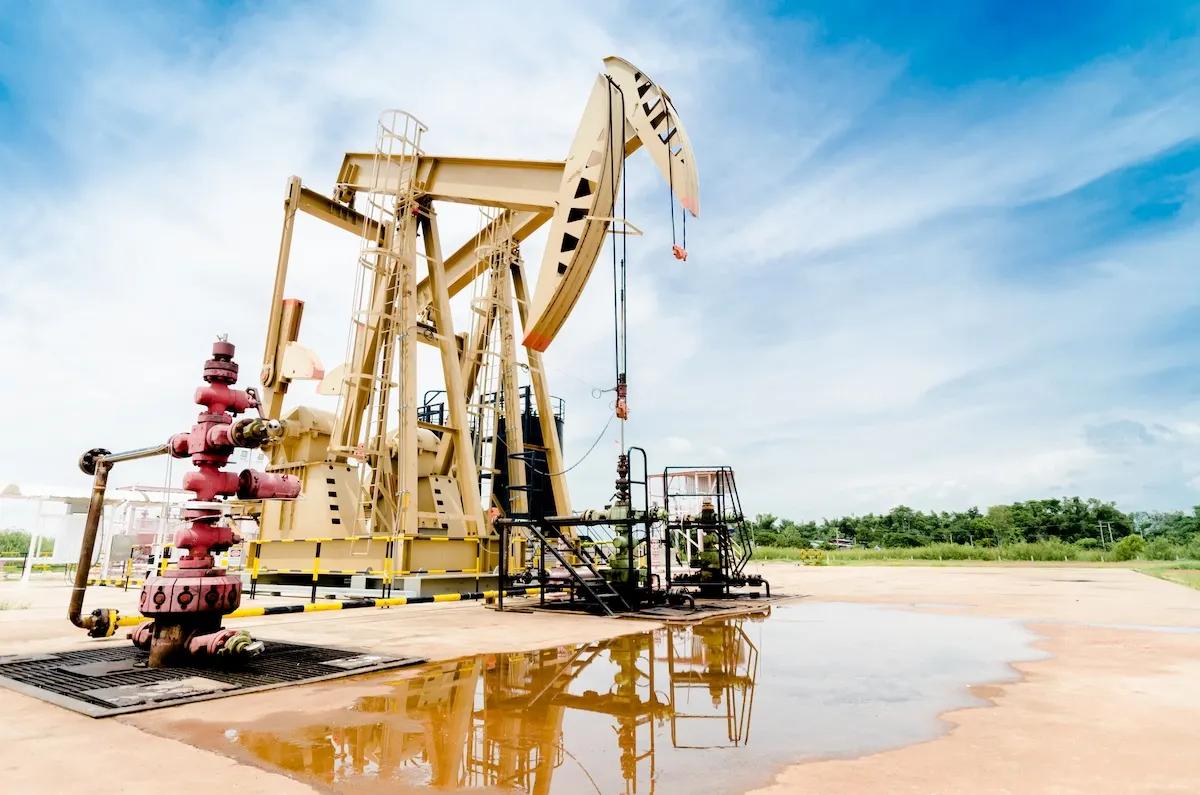
What Is Drilling and the Process in the Oil and Gas Industry
By Chandra Asri Group Editorial Team
29-11-2025
In the refining of crude oil, several activities are carried out, including drilling. Drilling is not only about digging, but also about planning the process effectively to extract oil.
Then, what is drilling in the oil and gas industry? This article discusses the oil drilling process. So, read the following information.
What Is Drilling?
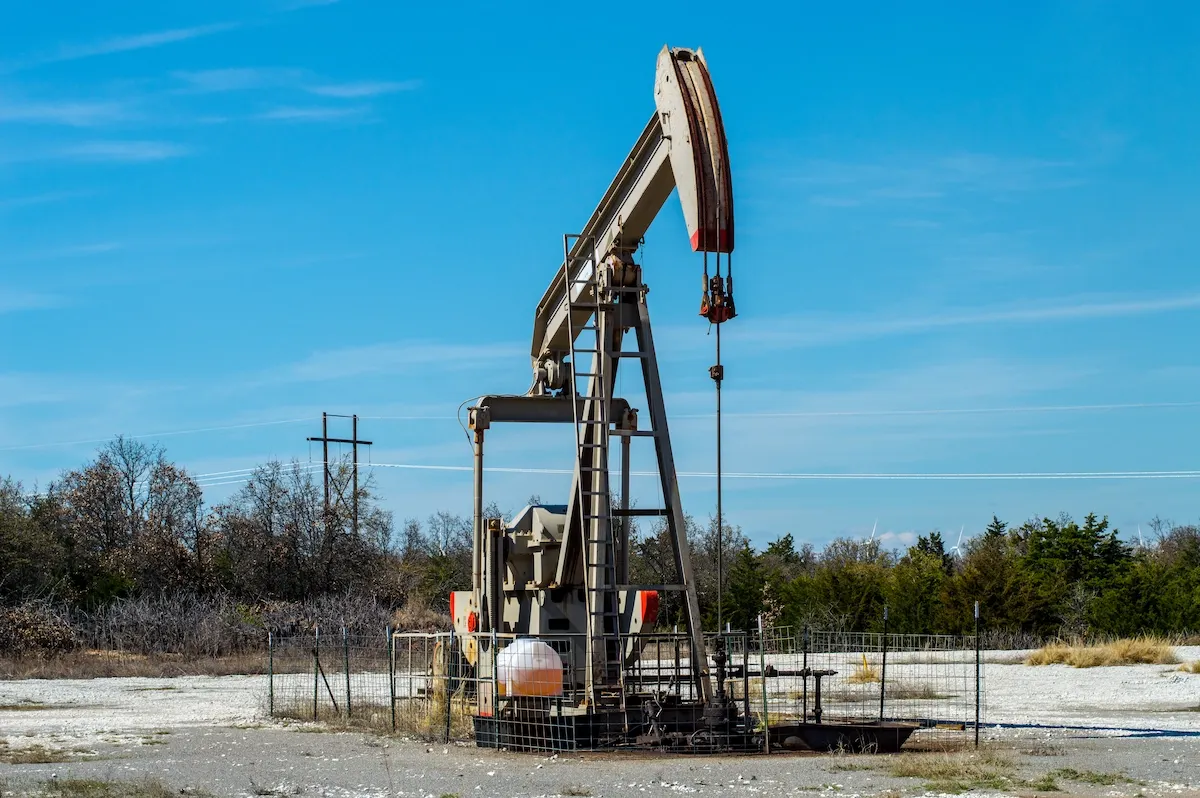
Drilling is an essential operation in the oil and gas industry, aimed at reaching underground hydrocarbon resources. In general, drilling is a process of creating a hole in the Earth’s surface using special machines and tools, because you must penetrate layers of soil and rock.
It is a crucial process across many industries, including mining, oil and gas, and geothermal power plants. This activity aims to explore natural resources, reach a water reservoir for well drilling, explore Earth’s geology, and lay the foundation for infrastructure.
In the oil and gas industry, geologists learn that an area potentially contains a reservoir (hydrocarbon reserves). Then, a special drilling tool is used to make a hole and reach the reservoir.
While drilling, special fluids are pumped into the drilling machine to maintain its temperature and to remove rocks that could interfere with its performance. Just like other petroleum processing methods, drilling also requires careful planning because it is pretty risky.
Humans have practiced oil drilling for thousands of years. However, large-scale drilling did not begin until the 19th century. The world's first oil well was drilled in Pennsylvania in 1859.
Since then, many oil wells have continued to emerge, eventually becoming the backbone of the world's energy supply.
Read more: 9 Petroleum Products You Must Know, from Gasoline to Naphtha
Drilling Types in the Oil and Gas Industry
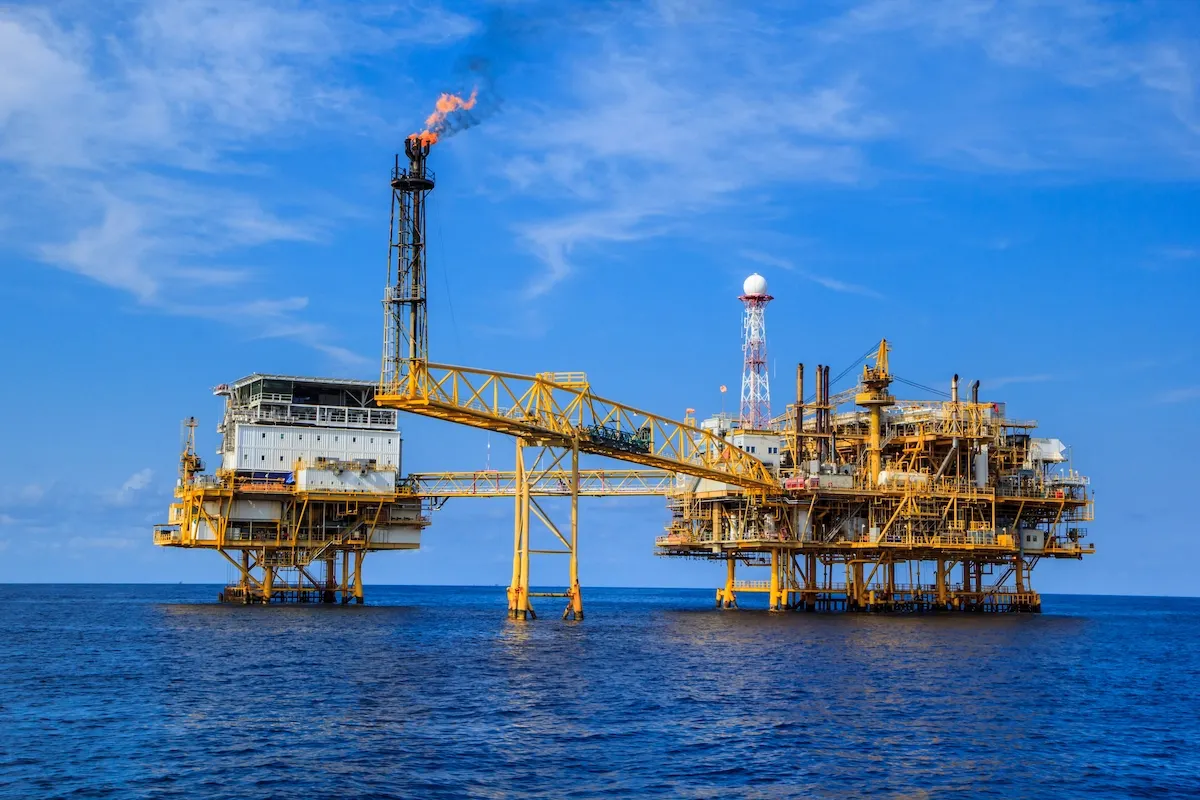
Commonly, there are two types of oil drilling: offshore and onshore drilling. Here is the complete explanation:
1. Offshore Drilling
Offshore drilling is the process of drilling in offshore locations, such as the middle of the sea or ocean. It is considered challenging because it has to deal with extreme weather and sea conditions.
In addition, offshore drilling requires drilling into the ocean, which requires specialized technology that can withstand ocean pressure and waves. Typically, offshore drilling uses specialized ships, such as FPSOs, or platforms to operate.
The mechanism of offshore drilling is almost the same as onshore drilling, where fluid is sprayed onto the drill to lubricate it and push the rock out. What makes it different from onshore drilling is the location of the drilling.
However, offshore drilling requires more careful evaluation because its location in the middle of the sea makes it more difficult to deliver food and machinery. Furthermore, the unpredictable and often extreme ocean weather must also be taken into consideration to ensure worker safety.
The advantages of offshore drilling over onshore drilling include its greater potential resources, which have not been widely explored. Meanwhile, the disadvantages are higher operational costs, susceptibility to environmental risks, and complex logistics distribution.
2. Onshore Drilling
Onshore drilling is drilling carried out on land, such as in forests or deserts. To do so, geologists will look for the potential area. After that, the area will be drilled with the installed machine. The drill varies depending on the depth and site complexity.
The pros of onshore drilling compared to offshore drilling include easy access, fast distribution, and lower operational costs.
Aside from these two types, drilling is also categorized by method: straight hole and directional drilling.
- Straight hole drilling: A straight drilling method that creates vertical holes until reaching the desired point. The hole can be slightly slanted, as long as it is no less than 3 degrees per 100 feet.
- Directional drilling: A drilling method that bends the tool to reach a point that is not parallel to the surface point. This method requires a directional control tool to maintain precision.
Read also: Fractional Distillation of Crude Oil and Its Final Products
Oil Drilling Procedures
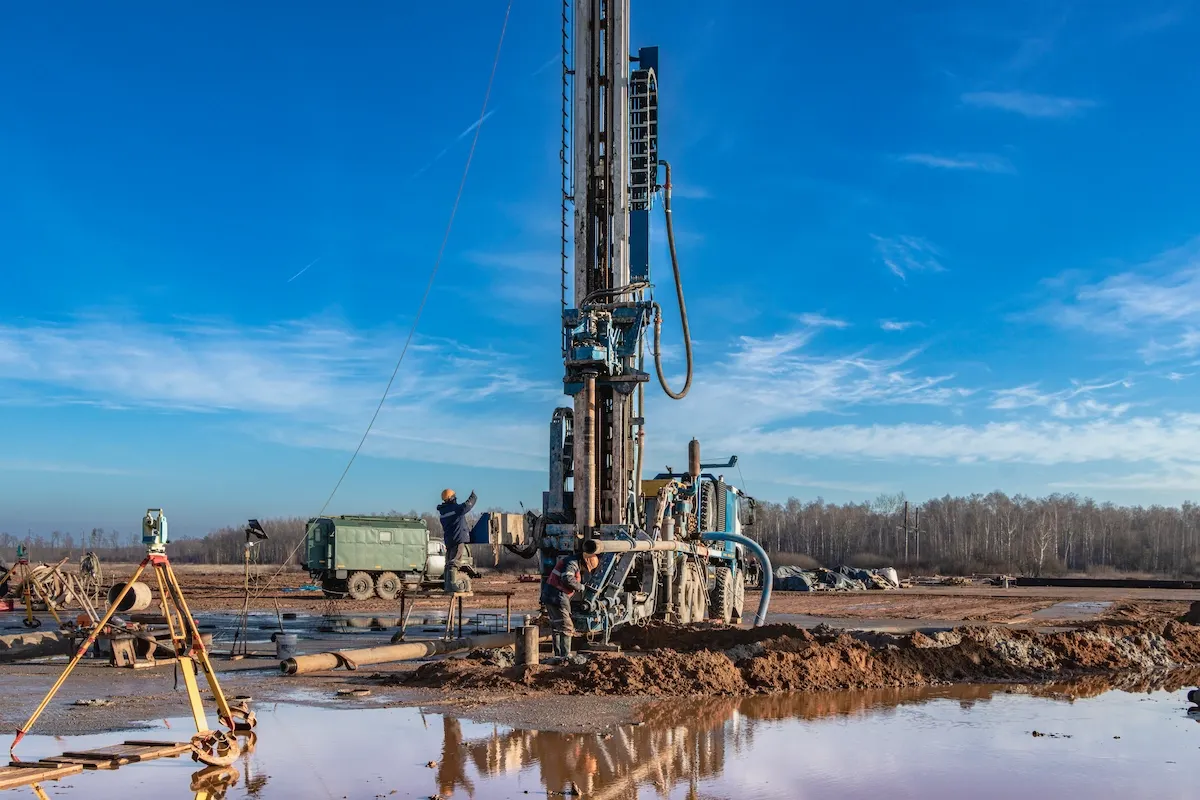
Oil drilling is carried out in several steps, such as:
- Site selection: A drilling team will select a site that may contain a reservoir based on survey and analysis results.
- Drill installation: After choosing the site, the drill and other technologies will be delivered to the location and then installed.
- Drilling: Inserting a drill bit at the bottom of the drill pipeline and digging into the underground.
- Lubricating the drill: A special fluid is pumped into the drill bit during drilling to lubricate the bit, remove rock, and cool the drilling equipment.
- Installing casing: Steel casing is installed into the drilled hole to provide stability and prevent the structure from collapsing.
- Reaching the target point: The drill bit will continue to penetrate the layers until it reaches the target point.
- Evaluating well productivity: Once the target point is reached, a team of experts will determine the resource potential.
- Production: If the resource potential meets the target, the production process can proceed by installing pipes and valves.
That is the information you can learn about oil drilling. Drilling is an essential activity in oil exploration, as it provides the initial access for resource extraction.
Hydrocarbons, like petroleum, obtained from drilling will be processed to be industrial feedstock or consumer products. Regarding this, Chandra Asri Group offers chemical solutions from naphtha processing.
Some of our products include olefins, polyolefins, styrene monomer, butadiene, and more. Entrust your industrial chemicals needs to Chandra Asri Group, #YourGrowthPartner.
Read also: Oil Refinery: Definition, Processes, and Its Functions
.png&w=3840&q=75)