

22-12-2025
7 Examples of Electrical Energy and How to Generate It
When we talk about electrical energy, fossil energy may come to mind. In fact, electricity does not only come from fossil energy. There are many examples of electrical energy you can use for various activities. Want to know the examples? Find out the information in this article!
An Overview of Electrical Energy
Electrical energy comes from the flow of electrons from positive and negative points within a conductor. It is not generated from the end product but rather through primary resources, such as fossil fuels, solar energy, and so on. As a result, electrical energy can be considered a secondary energy source.
Electricity is one of the most important sources of energy in the world. Globally, the International Energy Agency reported that the demand increased 4.3% in 2024. The consumption also increased 5%, or 600 TWh.
Some of the factors include increased air conditioning demand due to the heat wave and energy demand for a new data center.
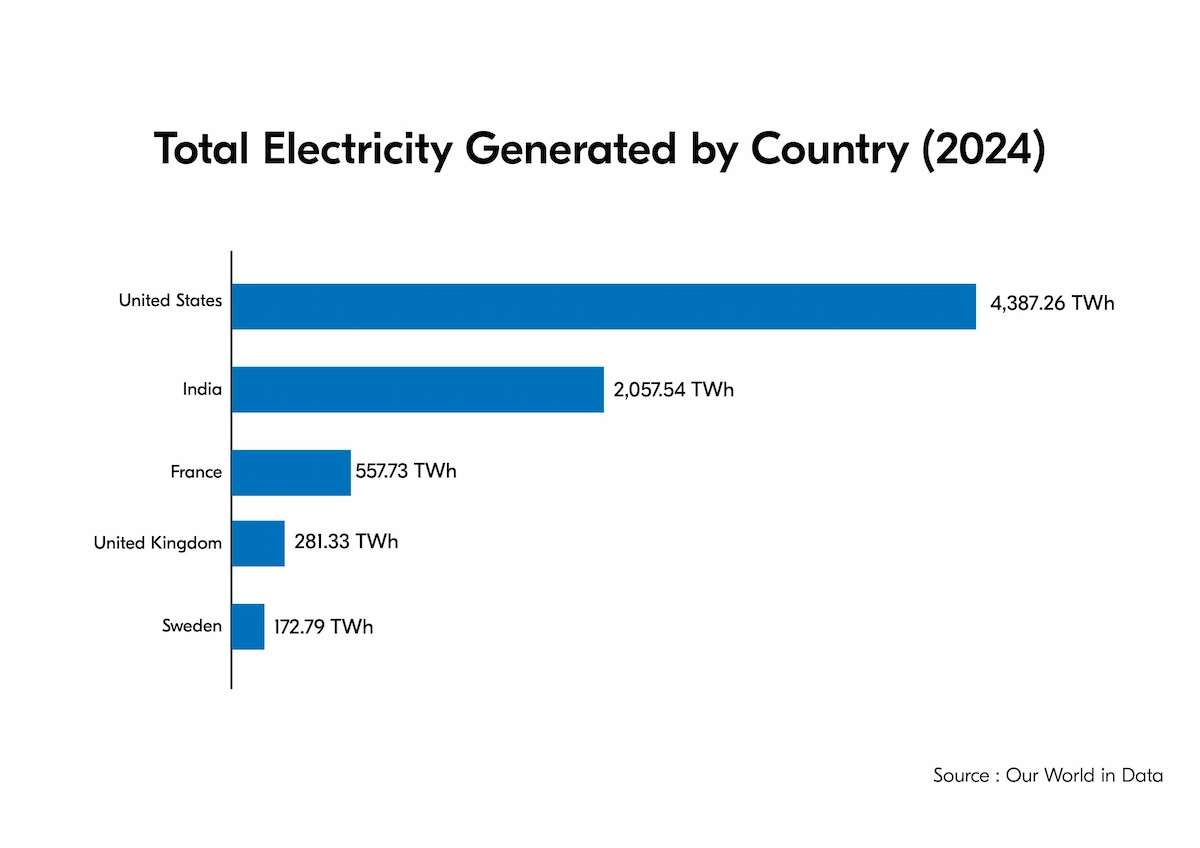
Moreover, Our World in Data noted that in 2024, the United States became the country with the highest electricity consumption, which was 4,387.26 TWh, followed by India, France, the United Kingdom, and Sweden, respectively.
Read also: New Renewable Energy: Definition, Indicators, and Examples
Examples of Electrical Energy
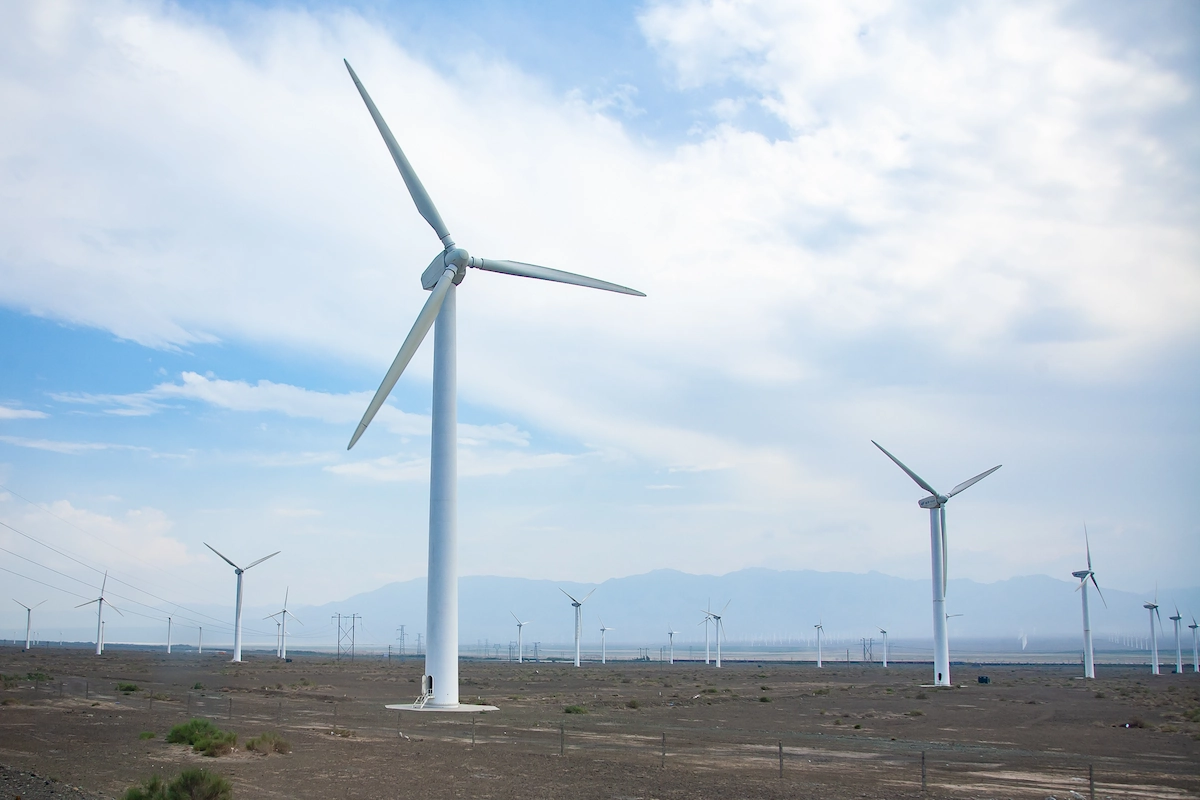
As mentioned before, electrical energy does not only come from fossil energy but also from other sources. Here are some examples of electrical energy sources you must know:
1. Fossil Energy
The first example of electrical energy is fossil energy. Commonly used sources are petroleum, natural gas, and coal. Petroleum and natural gas are mixtures of hydrocarbons from living organisms, while coal is made from organisms. All three were formed through a process of fossilization over millions of years.
Fossil fuels are burned to produce heat energy. This energy then drives turbines and generators to create electrical energy.
2. Nuclear Energy
Nuclear energy comes from atomic nucleus reactions, producing large amounts of energy. In fact, this energy is considered very low-carbon, making it a more environmentally friendly option.
However, this energy carries a high risk of accidents and severe environmental impacts in the event of a leak, so it must be used responsibly.
3. Hydroenergy
Electricity also comes from water flow that moves water turbines or wheels. Hydroenergy is considered eco-friendly renewable energy and is ideal to be developed in Indonesia, especially in the villages with good river flows.
4. Wind Energy
Wind energy is one of the oldest renewable energy sources used by human beings. The blowing wind will move the wind turbines and generate electricity.
5. Solar Energy
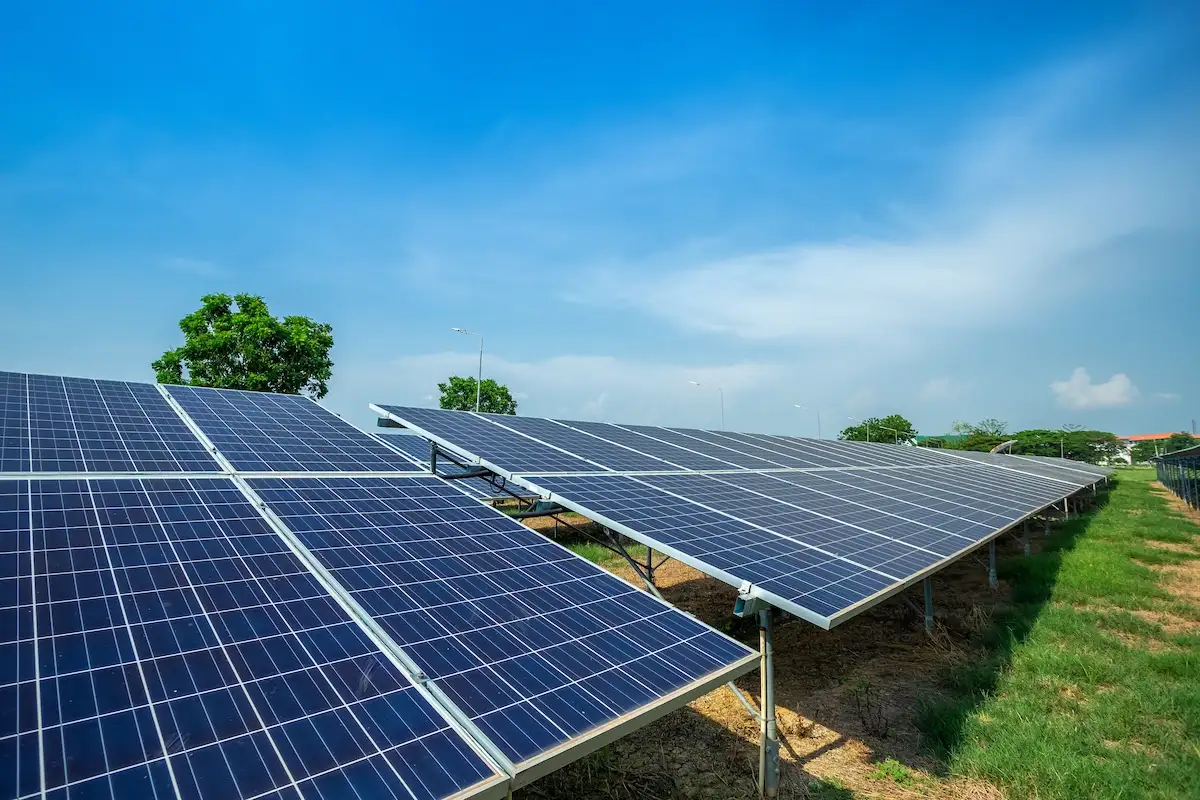
Solar energy can be converted into electricity with the help of solar panels. The use of solar panels is increasing as people become more aware of the need to mitigate the negative effects of global warming.
In Indonesia, the trend of installing solar power plants is on the rise. The Ministry of Energy and Mineral Resources stated that the capacity reached a 538-megawatt peak by July 2025.
6. Geothermal Energy
Geothermal energy is an example of electrical energy that has great potential to be developed. The Earth's layers will be drilled to release the hot water or steam. Next, this heat energy will move the generator and emit electricity.
7. Tidal Energy
You can also use sea tides to generate electricity. Tidal energy is also considered eco-friendly and renewable. However, the usage is limited due to the high budget.
Read also: 12 Types of Power Plants for Alternative & Renewable Energy
How to Generate Electricity
There are many ways to generate electricity, from using a simple method to a complex one. Below are some of the methods:
1. Using a Chemical Reaction
A fairly common method is to use chemical reactions. Most batteries contain an electrolyte, a positive electrode, and a negative electrode. One electrode will produce electrons, and the other will accept them. When the electrodes are connected to a circuit, an electric current can be created.
2. Rubbing Stuff
You might already know that when you rub a plastic ruler with a piece of cloth, it can produce static electricity that can lift paper pieces. In fact, it was found in 600-ish BC, when a Greek philosopher rubbed amber bars onto the skin and created an electrical reaction.
3. Using Magnet
A Danish physicist, Hans Christian Oersted, discovered that you can deflect a magnetic needle with an electric current. This discovery was later developed further by André-Marie Ampère, a French scientist, and other scientists.
Oersted implied that electric current could generate a magnetic field. However, another scientist, Michael Faraday from England, concluded that humans could use magnetic fields to create an electric current.
Although contradictory, both discoveries involving magnets remain innovative and have helped humanity to this day.
4. Using Water Pressure
This common method is implemented in a dam or river with high-pressure water flow, which later moves a turbine. The water turbine spins and moves the generator, releasing electrical energy.
5. Using Sunlight
This method utilizes solar photovoltaic cells to react with sunlight. Photons from sunlight interact with electrons in solar panels and increase energy levels.
Regarding the use of sunlight to generate electricity, a subsidiary of the Chandra Asri Group, Krakatau Chandra Energi, provides solar panels with three mechanism options, namely solar on grid, solar off grid, and solar hybrid systems.
That concludes the information about examples of electrical energy. Electricity is one of the most essential forms of energy for daily activities.
So, ensure your company's electricity needs are fulfilled with new and renewable energy services from Krakatau Chandra Energi and Chandra Asri Group as #YourGrowthPartner.
Read also: How Do Solar Panels Work? Examples & Benefits You Must Know
.png&w=3840&q=75)