
26-05-2026
Chemical Dosing Pump & Its Role in the Water Treatment Industry
Currently, many water treatment plants and other modern industries use chemical dosing pumps to maintain production stability, particularly in ensuring water quality.
In general, the function of a chemical dosing pump is to regulate the concentration of chemical solutions. To learn more about the role of chemical dosing pumps in industry, read the following article.
What Is a Chemical Dosing Pump?
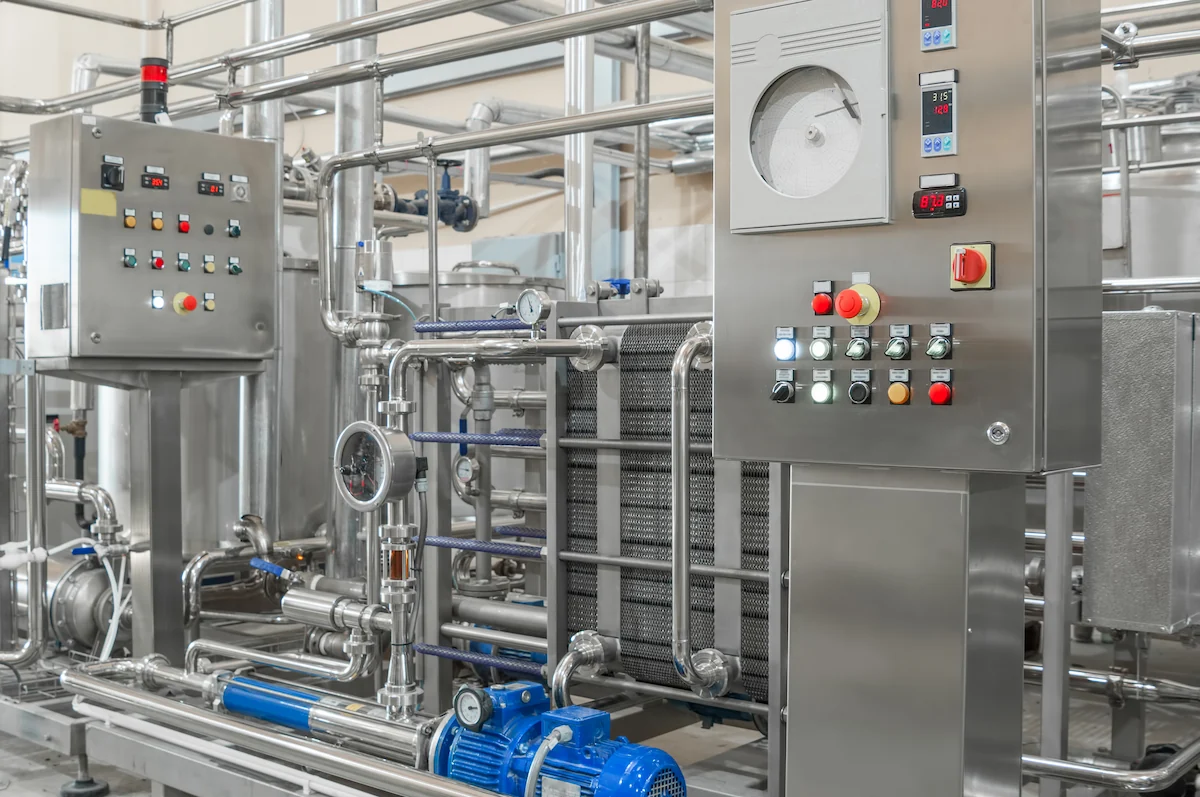
A chemical dosing pump is a computer-controlled system designed to deliver precise doses of chemical substances, such as acids, chlorine, coagulants, and others. These substances are then injected into tanks to continue the chemical process.
Beyond determining dosage, the chemical dosing pump system also optimizes chemical efficiency, ensures consistent substance concentration, reduces the risk of human error, and monitors system performance.
Chemical dosing pumps are frequently used in the water treatment industry to neutralize water pH and eliminate bacteria. In addition to the water treatment industry, this equipment is also commonly found in the medical, mining, agricultural, and manufacturing sectors.
For example, chemical dosing pumps are used in the agricultural industry to regulate the amount of fertilizer or nutrient solution applied to plants. Additionally, this equipment controls formulations and manages reactions in various processes within the pharmaceutical industry.
Read also: Industrial Water: Functions & Aspects You Must Consider
Why Are Chemical Dosing Pumps Important for Water Treatment?
Water treatment involves not only filtering out contaminants but also applying chemicals, such as disinfectants, coagulants, and flocculants, to ensure that water quality meets standards.
However, you cannot simply pour chemicals into the fluid at random, as excessive dosing can result in the chemicals being discharged as wastewater and polluting the environment. Here are the roles of chemical dosing pumps in water treatment:
1. Ensuring Accurate Chemical Dosage
A chemical dosing pump injects chemicals with high precision to help keep the system balanced and operating effectively.
If the dosage is too low, the water treatment process may become less effective. On the other hand, excessive dosing can reduce efficiency and potentially create safety risks.
2. Cost Savings
Accurate chemical dosing helps reduce operational costs and improve process efficiency. Overdosing can lead to unnecessary chemical waste.
3. Maintaining Consistency
Chemical dosing pumps provide a steady and predictable flow rate, allowing water treatment systems to operate smoothly without interruptions. This helps maintain consistent water quality throughout the treatment process.
4. Protecting Systems and Equipment
Water or fluids that are not properly treated can cause scaling, microbial growth, and corrosion, which may damage equipment over time.
Chemical dosing pumps help prevent these issues by ensuring protective chemicals are continuously delivered at the correct concentration.
5. Meeting Standards and Regulations
Clean water standards are strictly regulated and must be followed by industrial operators. In Indonesia, Government Regulation No. 22 of 2021 establishes water quality standards based on classification and outlines obligations for domestic and industrial wastewater management.
Chemical dosing pumps help ensure chemical concentrations remain within safe limits and comply with applicable regulations and industry standards.
How the Chemical Dosing System Works
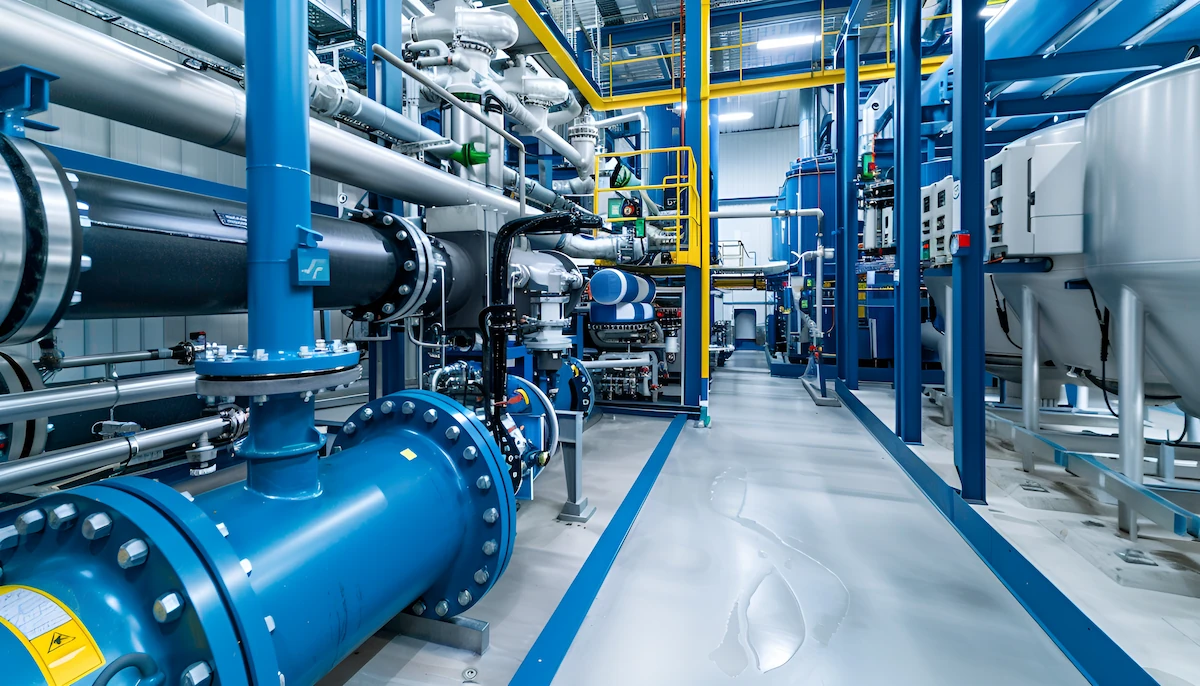
The chemical dosing pump operates under the control of the chemical dosing system. This system operates automatically using a closed-loop configuration to maintain consistent water quality. In general, the process works as follows:
- Process parameter detection: Sensors monitor the quality of the fluid to be processed. The collected data is then used to determine the required chemical dosage.
- Dose calculation: The system calculates the appropriate amount of chemical to maintain optimal parameters.
- Chemical injection: The chemical dosing pump injects the calculated amount of chemical into the reaction tank.
- Monitoring: The system monitors changes in fluid quality after chemical addition. If the results are not yet satisfactory, the system can automatically adjust the dose to ensure stability.
Read also: 10 Water Purification Techniques for Industry & Houses
Components of a Chemical Dosing System
A chemical dosing pump consists of several key components, including:
- Tank: Holds the water or fluid to be treated with chemicals.
- Dosing pump: The most commonly used types of dosing pumps are plunger, diaphragm metering, and peristaltic pumps. Of the three, the peristaltic pump is superior because it is highly precise, easy to maintain, minimizes contamination, and handles liquids with great care.
- Foot valve: A one-way valve attached to the suction line. Its function is to keep the pump in optimal condition.
- Injector: A one-way valve used to inject chemicals into water or fluid.
- Dosing hose: A rigid hose made of polyethylene, PVC, or stainless steel (for high-pressure applications).
- Control system: Monitors accuracy and activates or deactivates the injection at predetermined times.
Applications of Chemical Dosing Pumps in Water Treatment
Chemical dosing pumps are widely used in the treatment of clean water and wastewater. Their applications include the following:
- Disinfection: Injecting disinfectants, such as chlorine, sodium hypochlorite, and chlorine dioxide, to eliminate pathogens.
- Coagulation and flocculation: Coagulants and flocculants are added to raw water to form pollutant sediments, making them easier to separate from the water.
- Adjusting water pH: This device injects acidic or basic solutions to maintain the water’s pH within specified limits.
- Wastewater treatment: Chemical dosing pumps are used to add chemicals during neutralization, odor control, and sludge conditioning processes.
- Corrosion and scaling control: Dosing pumps inject scale and corrosion inhibitors to extend equipment lifespan and reduce the need for frequent repairs.
Trusted Services for Clean Water, Demineralized Water, and Wastewater Treatment
Water is a critical resource across various industries and must meet strict quality standards to ensure safe and compliant operations.
Chandra Asri Group, as #YourGrowthPartner, provides water solutions through its associated company, PT Krakatau Tirta Industri (KTI). Its services include potable water supply, demineralized water, and wastewater treatment solutions.
KTI operates the Krenceng Water Treatment Plant with an installed capacity of 1,800 liters per second, as well as the Cidanau Water Treatment Plant, which is equipped with three intake pumps, each capable of handling 600 liters per second.
We also provide high-quality demineralized water produced through advanced processes and cutting-edge technology to meet the industry’s specific needs.
Furthermore, we provide wastewater treatment services for companies and industries. We ensure that wastewater is treated in accordance with environmental quality standards and reused in other operational processes.
Therefore, you can confidently entrust your industrial water requirements to Chandra Asri Group and KTI.
Read also: 3 Water Quality Parameters: Chemical, Biological, & Physical
.png&w=3840&q=75)