
Water Treatment Plant: How It Works and Its Various Types
By Chandra Asri Group Editorial Team
22-12-2025
In water resource management, the presence of a water treatment plant (WTP) is crucial for treating water safely. A water treatment plant is a facility that provides clean water for various purposes, including industry, households, irrigation, and more.
Then, how does a water treatment plant work? This article discusses WTP deeply. So, read the article until the end!
What Is a Water Treatment Plant?
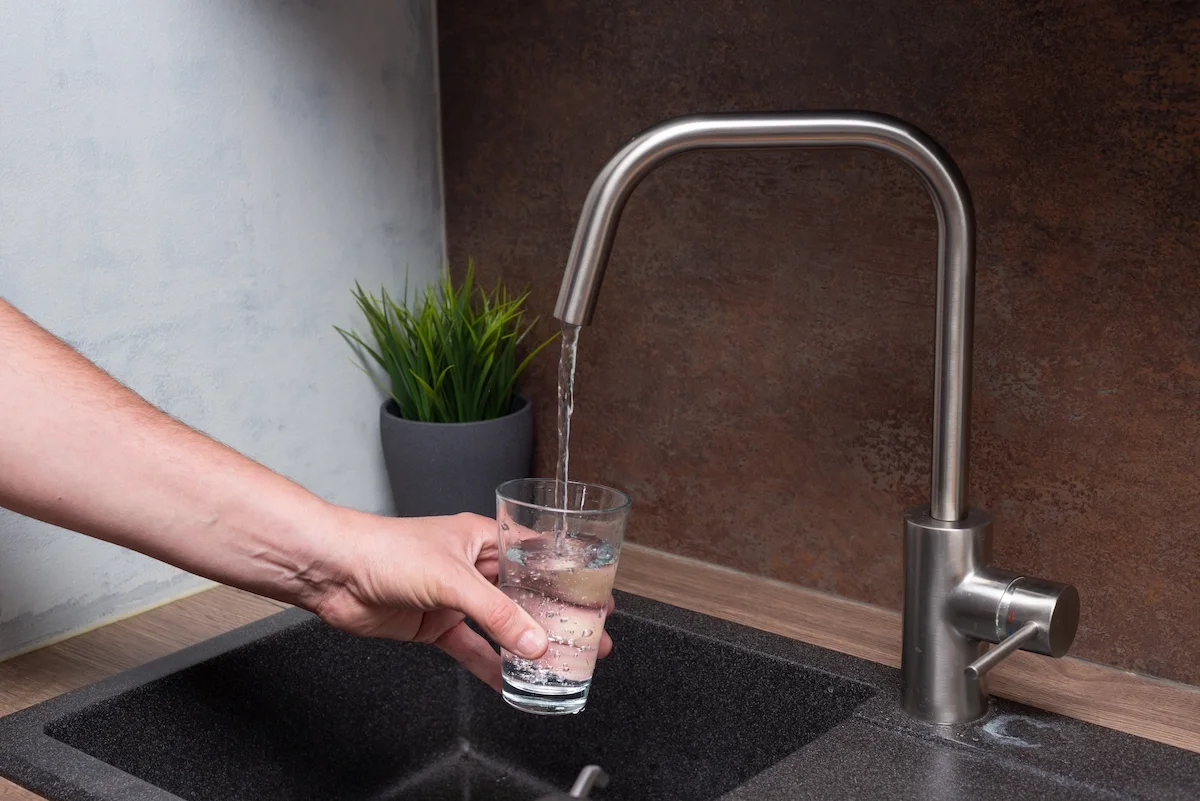
A water treatment plant is a facility that processes raw water for various activities, like potable water. A water treatment plant (WTP) uses groundwater, a lake, or a river to treat it to be households or industrial water.
The main purpose of WTP is to use technology for removing contaminants, dangerous substances, and impurities in water. That way, it can comply with the existing health standards.
Water quality standards in Indonesia are regulated by the Ministry of Health Regulation (Permenkes) Number 2 of 2023. This regulation governs environmental health quality standards for water, air, soil, and others.
WTP is very crucial because water from natural sources often contains impurities that may be unsafe for direct consumption. Generally, natural water contains metals, minerals, microorganisms, chemicals, sediments, and organic matter.
That is why natural water needs to be reprocessed at a water treatment plant to meet Environmental Health Quality Standards and provide water that is safe for use.
Moreover, a water treatment plant is a facility that prevents water pollution and wastewater. This is because wastewater from sewage or industries can be harmful to living creatures, especially when it is not well-treated.
Therefore, wastewater must be treated using wastewater treatment to make it safe for recycling, especially for other industrial processes, or to be discharged to the river. Water treated with WTP can also protect aquatic ecosystems because it is free of heavy metals and harmful chemicals.
Read also: Clean Water Treatment and the Developed Technology
How Does a Water Treatment Plant Work?
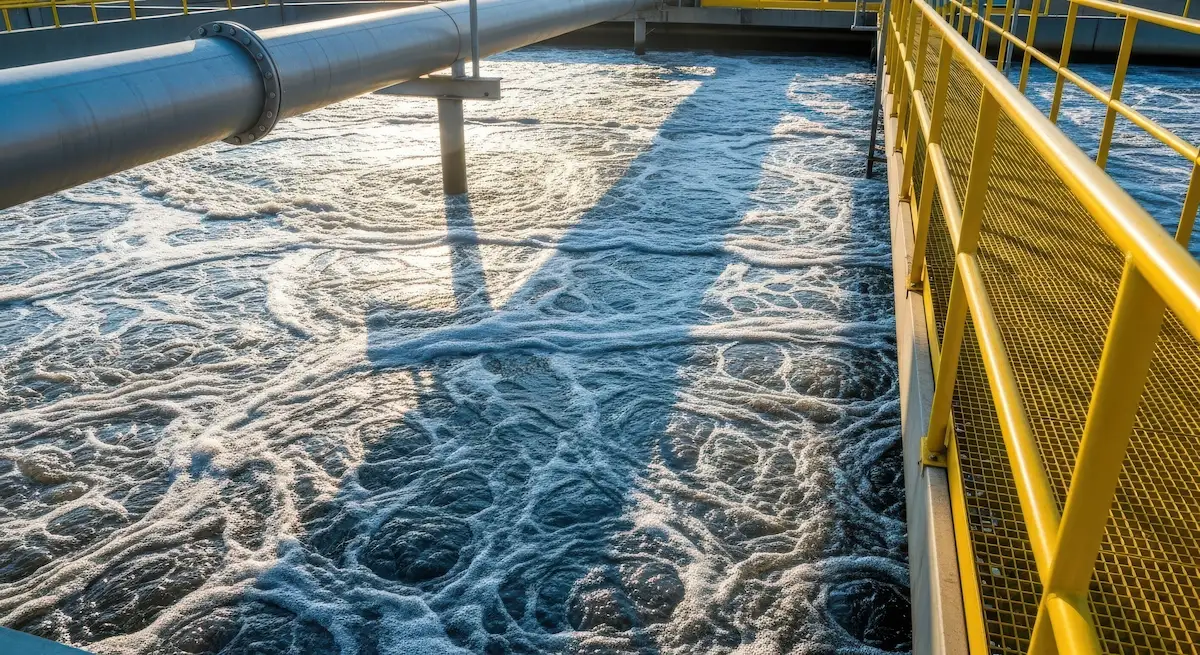
The water treatment plant mechanism could be different depending on the facility and regulations. Conventionally, here is how a water treatment plant works:
1. Initial Filtering
First, water from a lake or river will be filtered to remove trash, twigs, leaves, or other solids. It aims to protect the water pump.
2. Flocculation and Coagulation
Now that the water is already filtered, it will be treated using flocculation and coagulation. It aims to deposit small particles from the initial filter. The method is to add flocculants and coagulants to the water, then stir it. As a result, clumps of particles will form and separate.
3. Sedimentation
The clumps from the flocculation and coagulation processes will settle at the bottom of the facility, forming sediment. Meanwhile, the clean water will be channeled to a reservoir for further processing. The sediment formed will be disposed of periodically.
4. Filtration
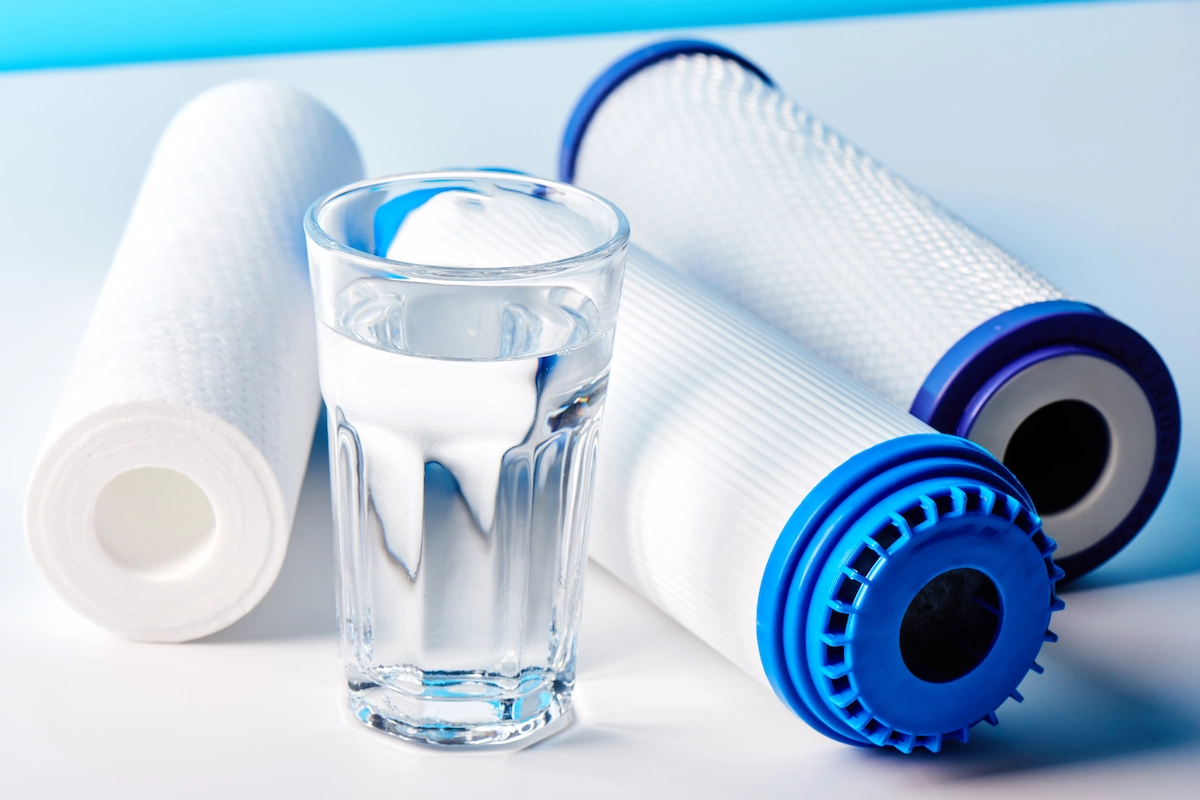
The water in the reservoir will be filtered to remove smooth particles. Some media you can use are activated carbon and silica sand. This process can also remove color, odor, and taste from water.
5. Disinfection
Finally, the water will be disinfected to kill any remaining microorganisms, viruses, and bacteria. Disinfection methods vary, ranging from the use of chemicals such as chlorine to ultraviolet light.
In addition to the conventional methods above, some facilities use special membranes. These facilities use ultrafiltration and reverse osmosis methods to remove contaminants.
Not only that, but there are also groundwater treatment facilities that use specific methods to remove nitrates, arsenic, and metals from the water.
Read also: What Is Distilled Water? Here Are the Uses and Benefits
Types of Water Treatments
In general, a water treatment is classified based on the aim or the final product. Here are some types of water treatments you must know:
1. Industrial Water Treatment
An industrial water treatment process water for manufacturing. The water can be treated before the operational process, like in the food and beverage industry, which requires water as one of the raw materials.
On the other hand, water can be treated after the operational process. For instance, water from vehicle part manufacturing is recycled for other operational purposes.
2. Households Water Treatment
Domestic water treatment is designed to improve the quality and safety of water used in the home. These water treatment systems can be installed for the entire house or for specific uses.
For example, a domestic water treatment system can be installed in a water tank so that the water flowing into the house is safe and suitable for use. Furthermore, water treatment systems can also be installed in specific facilities, such as faucets, sinks, or electric kettles.
One example of a commonly used household water treatment system is a reverse osmosis (RO) unit. This unit is often used to filter water so that it is safe to drink and cook with.
3. Wastewater Treatment
This method treats wastewater from various sources, such as industrial waste, household waste, or even rainwater. The wastewater is cleaned of pollutants, and its quality is improved so it can be reused.
That concludes some information about water treatment plants that you need to know. Water treatment plants are important facilities in the supply of clean water, both for households and industries. The water produced must be safe and comply with existing regulations.
When it comes to water treatment, PT Krakatau Tirta Industri (KTI), a company affiliated with the Chandra Asri Group, provides clean water for various industries, demineralized water for the community and industry, and industrial wastewater treatment.
KTI uses raw water from the Cidanau River, which is a vital river in the Cidanau River Basin, and processes it with the Krenceng Water Treatment Plant to produce clean water that is suitable for use.
For demineralized water, KTI processes it at the Demin Water Treatment Plant of PT Mitsubishi Chemical Indonesia. For wastewater treatment, KTI utilizes the Operation and Maintenance of the Biotreatment Blast Furnace Complex at PT KS.
Therefore, ensure you entrust your industrial water needs to Krakatau Chandra Industri and Chandra Asri Group, #YourGrowthPartner.
Read also: What Is Demineralized Water? Here Is the Production Process
.png&w=3840&q=75)