
27-03-2026
Zero Liquid Discharge: Eco-Friendly Wastewater Solution
In today’s increasingly advanced era, wastewater treatment technology continues to evolve. One of the advanced methods developed is zero liquid discharge. This method aims to maximize water recovery for safe reuse.
This article discusses the zero liquid discharge system and its importance in wastewater treatment. Check out the information here.
What Is Zero Liquid Discharge?
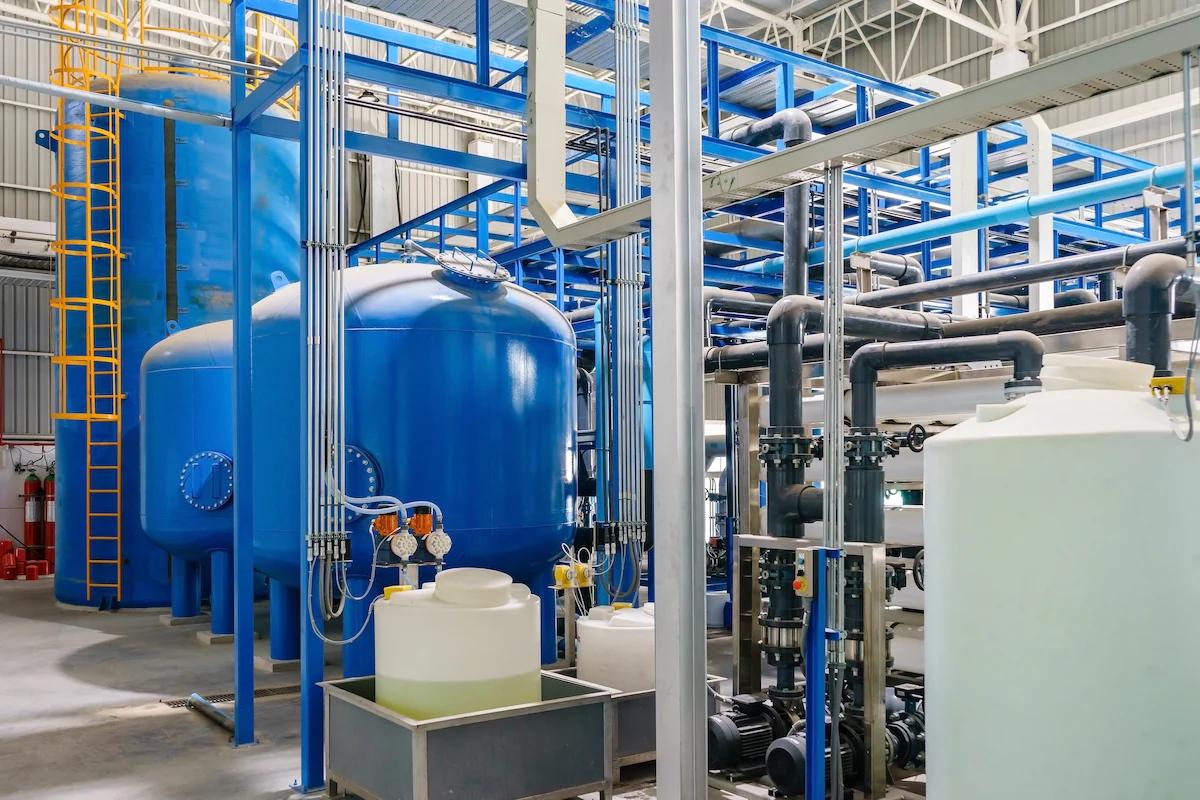
Zero liquid discharge (ZLD) is an advanced wastewater treatment method that aims to eliminate residual liquid contaminants from industrial facilities.
Unlike conventional industrial wastewater treatment systems, ZLD does not discharge wastewater into the environment. Instead, it recovers and recycles, leaving only a final residue. These solids are then disposed of or reused.
Therefore, ZLD can be considered one of the most sustainable and environmentally friendly wastewater treatment technologies that industries can adopt.
Read also: 10 Water Purification Techniques for Industry & Houses
Why Is Zero Liquid Discharge Important?
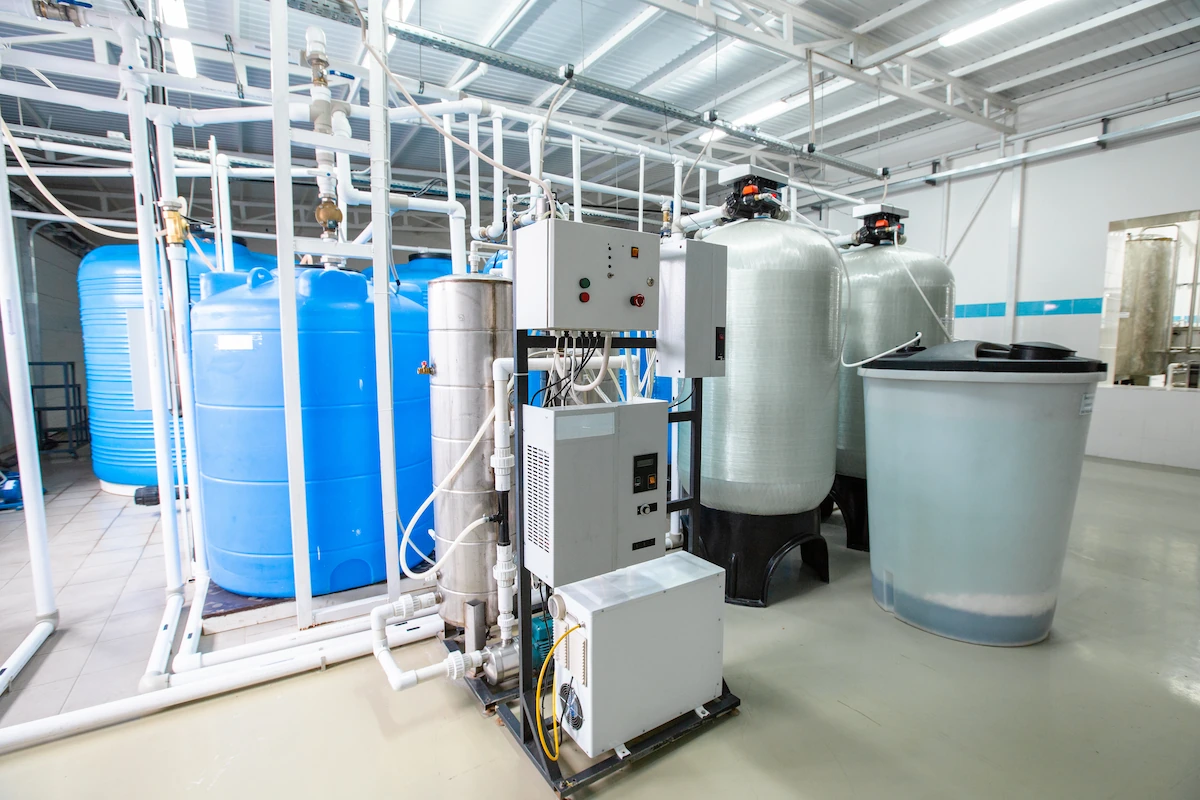
Today, environmental pollution and water scarcity have become major concerns, as they can threaten ecosystems and public health.
In this context, zero liquid discharge (ZLD) can help companies comply with wastewater treatment regulations and prevent environmental contamination. Moreover, here are several reasons why ZLD is important to implement:
1. Environmental Protection
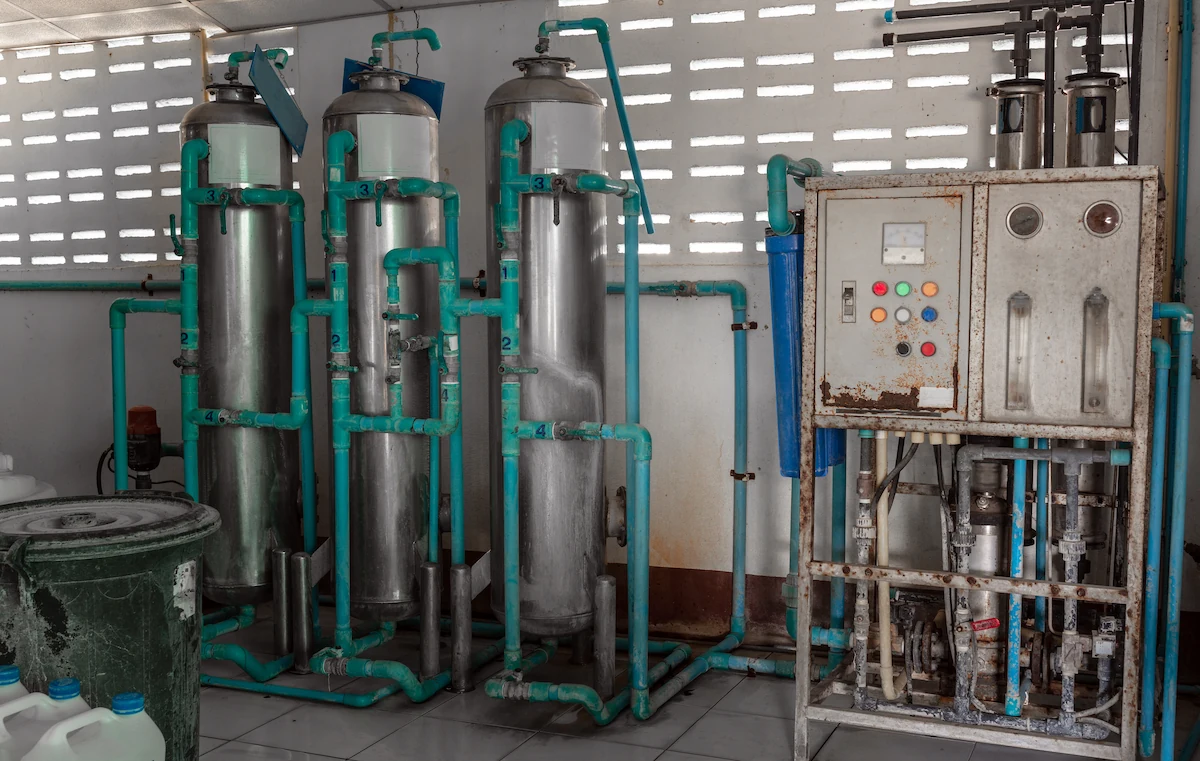
ZLD systems remove harmful substances, including microorganisms, heavy metals, and solids, ensuring that discharged water is safe for the environment, especially aquatic ecosystems. This method also ensures that wastewater is reused as efficiently as possible while reducing the environmental impact of operational processes.
2. Water Conservation
Another key reason is water conservation. Nearly all sectors require water to support their operations. To ensure a continuous water supply for manufacturing needs, companies must manage water efficiently.
One effective industrial water conservation strategy is zero liquid discharge. This process treats wastewater until it is completely clean and safe for reuse in operational processes. The resulting solids, such as salts, can also be repurposed.
Since it enables the reuse of wastewater within a circular economy, companies can also reduce wastewater disposal costs.
3. Regulatory Compliance
Wastewater treatment and disposal are strictly regulated in many countries, including Indonesia, to prevent environmental damage and wastewater contamination. In Indonesia, wastewater discharge procedures are regulated under the Minister of Environment and Forestry Regulation No. 5 of 2021, while water quality protection is governed by Government Regulation No. 22 of 2021.
Read also: Water Treatment Plant: How It Works and Its Various Types
How Zero Liquid Discharge Works
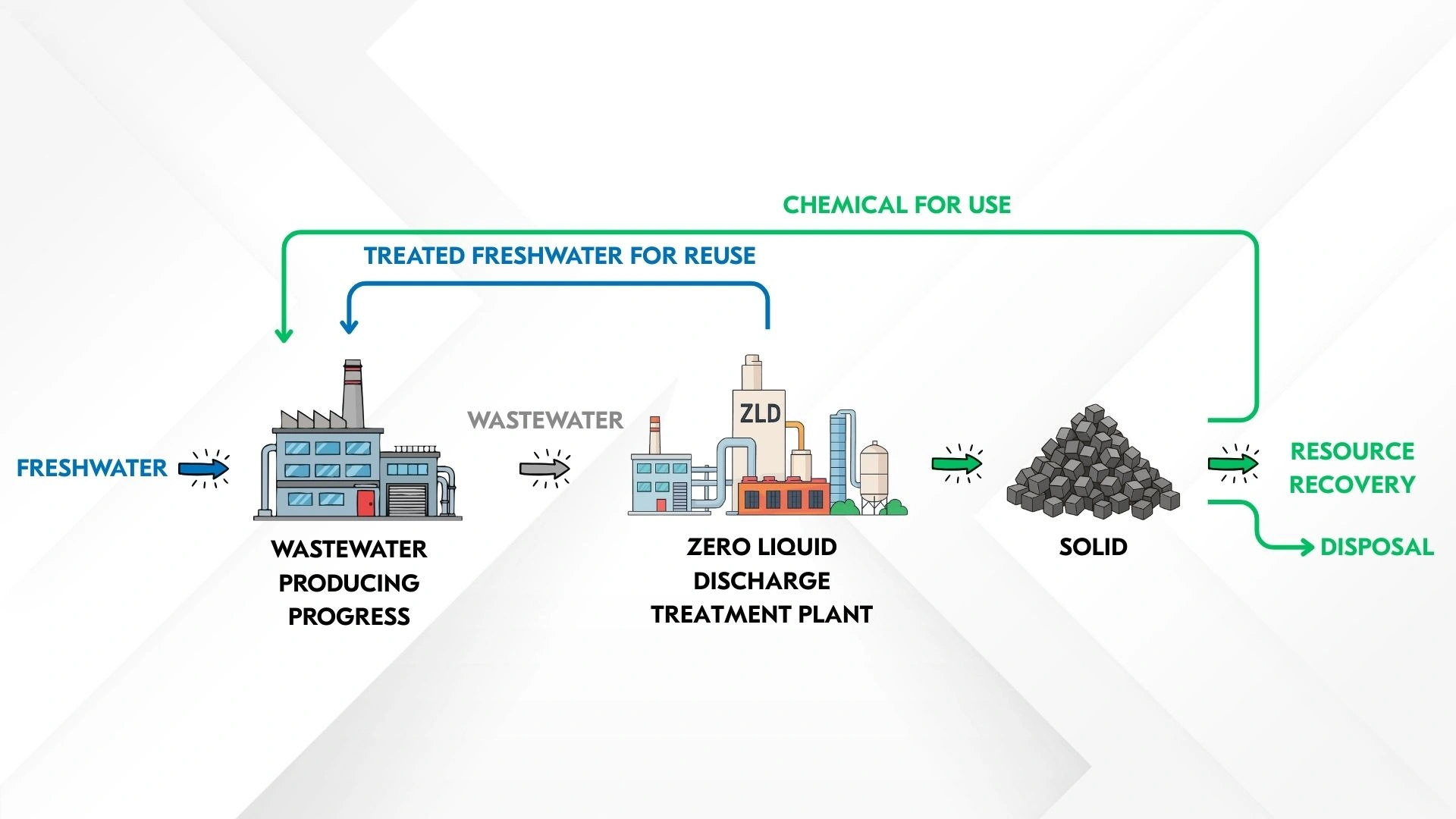
Zero liquid discharge (ZLD) manages wastewater through several stages, including:
1. Initial Wastewater Treatment
The first stage of ZLD is initial wastewater treatment. Here, water is processed to remove dissolved solids and large particles using conventional wastewater treatment methods, such as filtration, biological treatment, and chemical treatment.
This stage prepares the wastewater before it enters the zero liquid discharge plant to prevent equipment damage caused by blockages from large particles, scaling due to mineral sedimentation, and overload from water that still contains contaminants.
2. Filtration and Reverse Osmosis
After conventional treatment, the wastewater is further filtered using specialized filtration systems or reverse osmosis (RO). This process separates water from any remaining particulates that pass through earlier stages.
3. Evaporation and Crystallization
This stage is the core process of ZLD, aimed at maximizing water recovery. Here, contaminants are converted into solid residues.
The evaporation process begins by heating the wastewater with a specialized evaporator. The water turns into vapor, while contaminants and minerals remain in liquid form.
Then, this concentrated liquid enters the crystallization process, where it is heated until particles and salts form solid crystals. These crystals are filtered, collected, reused, or disposed of.
4. Solid Residue Disposal
Solid residues, typically containing salts, minerals, heavy metals, and lithium, must be handled responsibly and in an environmentally friendly manner.
These residues can be disposed of at designated waste disposal facilities that comply with environmental regulations. Companies must ensure that the disposed solid waste does not contain hazardous or toxic materials.
In addition to disposal, these residues can also be recycled. For example, silica sand can be used in cement production, salts in manufacturing processes, and minerals in fertilizer production.
Reliable Wastewater Treatment Solutions for Industry
Zero liquid discharge is a breakthrough in wastewater treatment, offering a safer approach that prevents environmental pollution. Industrial wastewater must be treated responsibly and in compliance with established regulations to ensure it is environmentally friendly and beneficial for operational processes.
In wastewater treatment, Chandra Asri Group, through its affiliated company Krakatau Tirta Industri (KTI), offers comprehensive water solutions including wastewater treatment, clean water supply, and demineralized water supply.
KTI manages the operation and maintenance of the Biotreatment Blast Furnace Wastewater Treatment Plant at the PT Krakatau Steel Complex. This service ensures compliance with environmental quality standards while enabling wastewater reuse for other business processes.
Make sure your industrial wastewater is handled safely, reliably, and in accordance with standards together with Chandra Daya Investasi and Krakatau Tirta Industri, #YourGrowthPartner!
Read also: What Is Distilled Water? Here Are the Uses and Benefits
.png&w=3840&q=75)