
Understanding Styrene-Butadiene Rubber (SBR) and Its Uses
By Chandra Asri Group Editorial Team
24-01-2026
Have you ever heard of styrene-butadiene rubber (SBR)? SBR is a synthetic rubber commonly used in manufacturing, particularly for making rubber hoses and vehicle tires.
This article discusses styrene-butadiene rubber in depth, from its definition to its characteristics. To gain a better understanding, read this article to the end!
What Is Styrene-Butadiene Rubber (SBR)?
Styrene-butadiene rubber (SBR) is a polymer made from the polymerization of two monomers, which are butadiene and styrene, making it a type of copolymer rubber. SBR is among the earliest synthetic rubbers ever developed.
During World War II, demand for natural rubber skyrocketed as the need for cable insulation, vehicle tires, and hoses increased. Consequently, research and development were ramped up to create an alternative to natural rubber.
The results of that research led to the emergence of SBR and neoprene (scuba fabric). Recently, SBR has been used for industrial purposes and is frequently blended with natural rubber.
SBR was first developed in the 1930s by the German chemical and pharmaceutical conglomerate IG Farben, specifically by Eduard Tschunkur and Walter Bock. They polymerized a synthetic rubber called Buna-S from butadiene and styrene.
Interestingly, styrene-butadiene rubber can actually be recycled. You can shred it into small particles for use as a filler in the production of new rubber. You can even mix shredded SBR into a new SBR batch to achieve specific characteristics.
In addition to shredding, you can devulcanize SBR by adding sulfur or other vulcanizing agents, making the final product stronger and reusable.
Furthermore, you can use the pyrolysis process. This process breaks down SBR rubber at high temperatures into derivative products.
Liquid or gaseous derivatives can be used as fuel, while the solid product (known as char) can be used as filler for other rubber products.
Lastly, you can recycle it through chemical processes to break SBR back down into styrene and butadiene. These two monomers can then be used to produce synthetic rubber (SBR).
Read also: What Is Plastic Made Of? Here Are the Materials and Process
Characteristics of Styrene-Butadiene Rubber
Styrene-butadiene rubber (SBR) derives its hardness and rigidity from styrene and its elasticity from butadiene. Furthermore, here are the key characteristics of SBR to consider:
- Strong.
- Abrasion, impact, and friction resistant.
- Easy to blend with other materials and easy to process.
- Capable of withstanding tensile loads without permanent deformation or breakage.
- Readily available supply.
- Greater resistance to aging and degradation at high temperatures than natural rubber.
- Price is relatively stable compared to natural rubber.
- Not easily cracked.
- Odor-resistant.
- Resistant to non-petroleum-based fluids, such as oil (vegetable/animal), water, and alcohol.
- Able to return to its original shape after being compressed (resilience).
- Weather resistant (resistant to rain, heat, and sunlight).
- Affordably priced compared to other synthetic rubbers.
To produce styrene-butadiene rubber with these specific characteristics and quality, high-quality styrene and butadiene materials are required. In this regard, you can place your trust in Chandra Asri Group and Aster.
As a leading chemical solutions company in Southeast Asia and #YourGrowthPartner, Chandra Asri Group provides styrene monomer and butadiene, which, when polymerized, can produce SBR.
Furthermore, Chandra Asri Group's subsidiary, Aster, based in Singapore, also provides high-quality styrene monomer and butadiene for the manufacture of SBR and other rubber products.
Types of Styrene-Butadiene Rubber
In general, styrene-butadiene rubber (SBR) is divided into two types, which are e-SBR and s-SBR. More details are below:
1. e-SBR
e-SBR, or emulsion styrene-butadiene rubber, is a synthetic rubber produced through the free-radical emulsion polymerization of styrene and butadiene. The e-SBR process is divided into two categories, namely hot emulsion and cold emulsion.
Hot emulsion e-SBR produced at temperatures between 122°F and 140°F (50–60°C) typically offers excellent dimensional stability, good extrusion properties, and low shrinkage potential during production, making it highly efficient.
While cold emulsion e-SBR is produced at approximately 41°F (5°C), this type generally offers superior abrasion resistance, making it dynamic and highly resistant to tearing.
2. s-SBR
s-SBR, or solution SBR, is produced through the anionic solution polymerization of styrene and butadiene without termination. An alkyl lithium initiator is used in this process. The manufacturing process for s-SBR is carried out within hydrocarbon solvents, such as cyclohexane or hexane.
Read also: What Is High-Density Polyethylene (HDPE) Plastic & Its Uses
Use of Styrene-Butadiene Rubber
Styrene-butadiene rubber (SBR) is used across a wide range of industries, from automotive to construction. Here are the details:
1. Automotive Industry
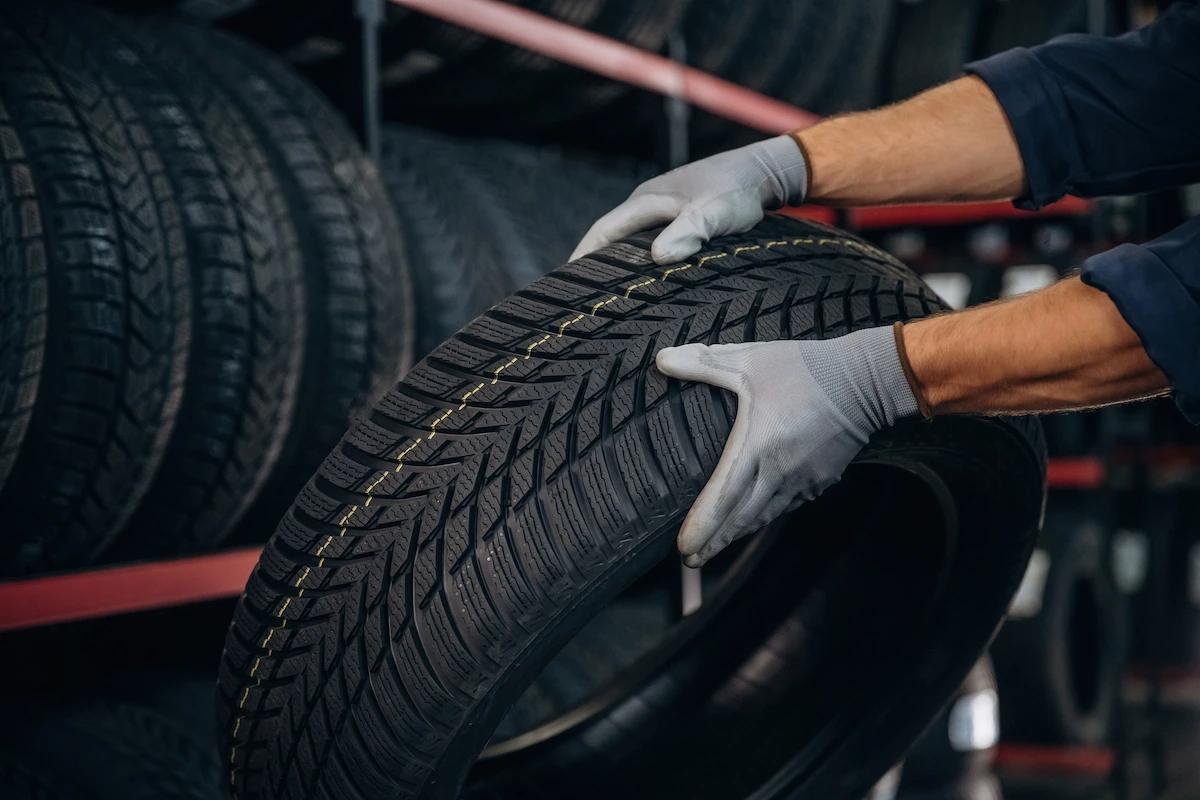
The automotive industry is certainly the largest consumer of SBR, as this synthetic rubber serves as a primary raw material for vehicle tires. SBR possesses the durability, strength, and elasticity required to produce tires that can withstand various road terrains.
In fact, SBR makes up nearly half of a vehicle tire's composition. Additionally, components such as seals are also made from SBR.
2. Construction Industry
SBR can be added to tile adhesives and grout (the spaces between floor tiles) to improve adhesion. SBR also makes floor tiles more water-resistant and less prone to easy detachment.
In addition to tile adhesives, several types of waterproof coatings also contain SBR. These coatings can be applied to basements, rooftops, and other areas prone to water leaks.
3. Other Industries
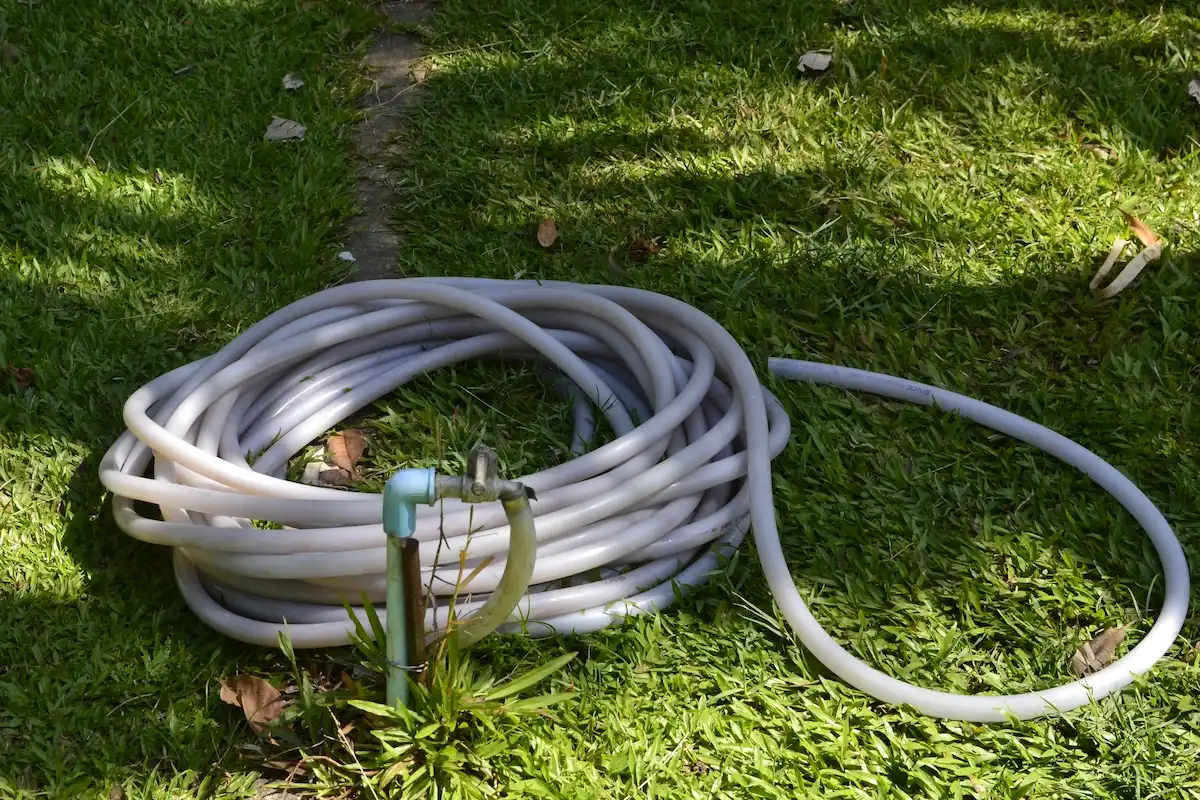
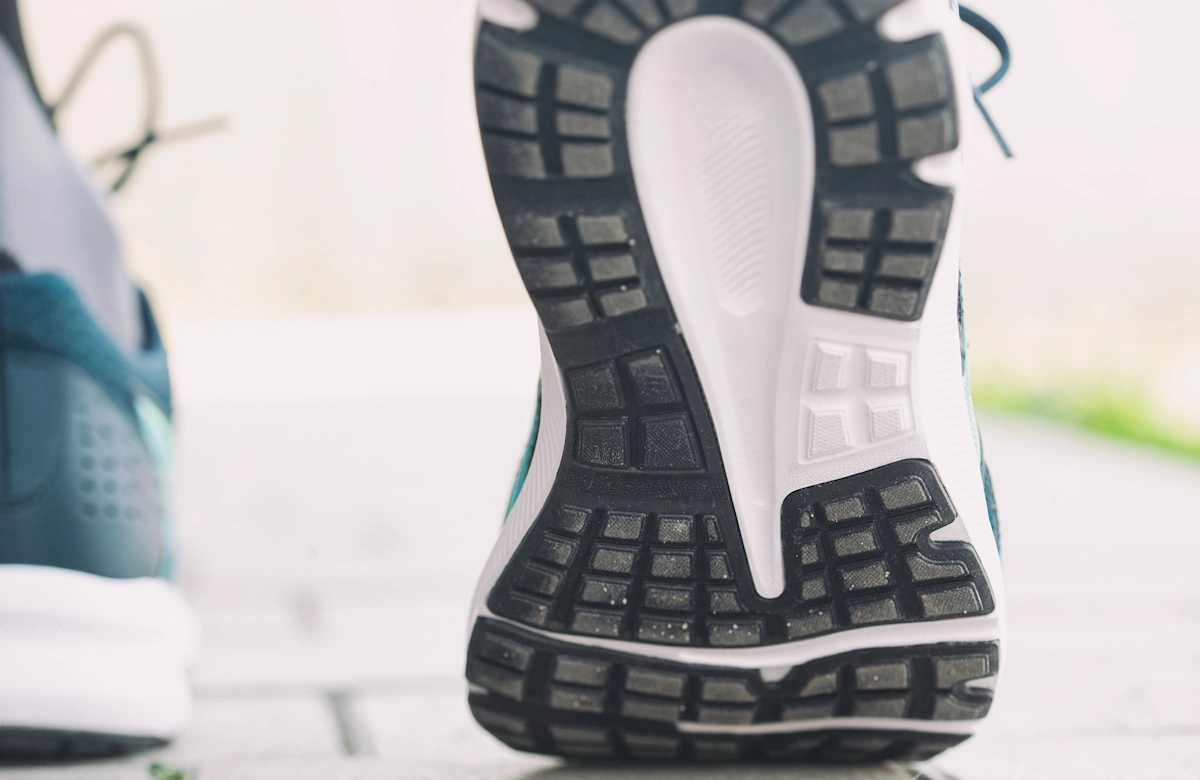
SBR is also used to manufacture various rubber-based products, such as hoses, adhesives, and wear-resistant rubber. Furthermore, SBR is utilized for electrical cable insulation. This synthetic rubber is even used to produce footwear and shoe soles.
That concludes the information on styrene-butadiene rubber (SBR). For decades, SBR has been a primary material in the manufacturing of rubber-based products.
Its high durability and flexibility are key to its widespread use across various sectors, ranging from the automotive industry to electrical engineering.
However, producing high-quality SBR requires high-quality raw materials. In this case, you should look no further than Chandra Asri Group and Aster. Contact us now for inquiries!
Read also: Synthetic Materials: Characteristics, Types, and Examples
.png&w=3840&q=75)