
What Is LLDPE? Uses, Properties, and Differences from LDPE
By Chandra Asri Group Editorial Team
28-01-2026
Plastic is one of the most widely used materials worldwide. In 2023, approximately 413.8 million tons of plastic were produced globally to meet demand. One type of plastic widely used is LLDPE.
LLDPE is a polyethylene plastic used in the packaging industry and household products. Would you like to learn more about LLDPE? Check out this article for complete information.
What Is LLDPE?
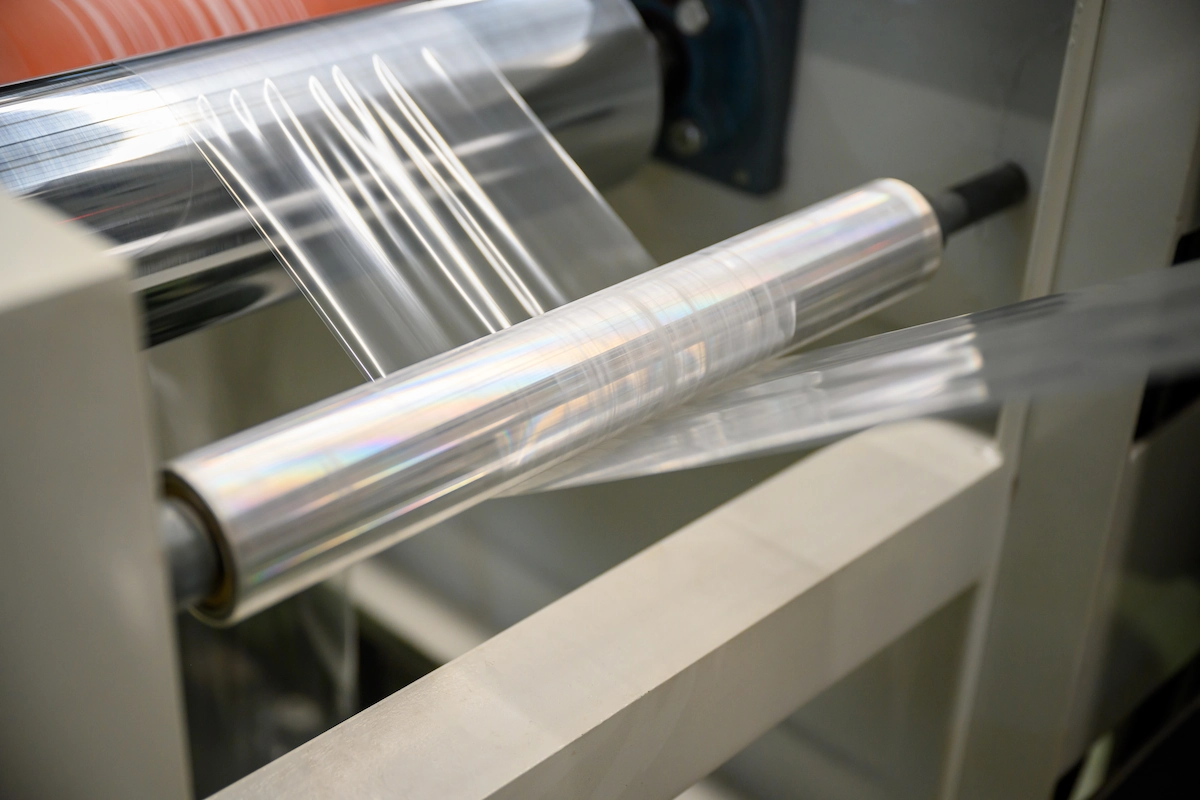
LLDPE is a thermoplastic commodity that can be formed into very thin, tear-resistant sheets. LLDPE, or Linear Low-Density Polyethylene, has shorter molecular chains than other types of polyethylene, such as HDPE and LDPE, leading to weaker intermolecular interactions.
LLDPE plastic is composed of several comonomers known as alpha-olefins, including octene, hexene, and butene. LLDPE is produced through the polymerization of ethylene with the addition of alpha-olefins. The incorporation of these monomers makes the material stronger than conventional LDPE.
One of the distinguishing characteristics of this plastic is its softness and flexibility, enabling it to stretch easily. Its density is also lower than that of HDPE, ranging from approximately 0.910 to 0.940 g/cm³.
LLDPE Manufacturing Process
LLDPE is a plastic produced through the copolymerization of ethylene with alpha-olefins. These alpha-olefins are polymerized using the Unipol (gas-phase) process. In this process, catalysts and ethylene are introduced into a fluidized-bed reactor.
The polymer settles out of the reactor as a powder. This powder is then further processed into plastic pellets, to which additives are subsequently incorporated. This process occurs under relatively low temperature and pressure conditions.
LLDPE is commonly produced by blow molding, injection molding, or film extrusion. However, film extrusion is the most frequently used method, as LLDPE is often processed into sheets or films (LLDPE film).
Read also: Get to Know Olefins & the Uses in the Petrochemical Industry
Properties of LLDPE
LLDPE has a high shrinkage ratio due to its semi-crystalline nature. In addition, LLDPE exhibits several other characteristics, including:
- Strong and tough.
- Resistant to heavy loads and elongation, making it less prone to deformation or tearing.
- Flexible and soft, making it suitable for packaging applications.
- Exhibits high clarity and transparency.
- Resistant to various chemicals, such as solvents, acids, oils, and bases, making it suitable for use in harsh environments.
- Easier to process than other polyethylene plastics.
- Resistant to pressure, impact, puncture, and tensile forces.
- Resistant to UV radiation.
- Resistant to oxidation.
Use of LLDPE
LLDPE is a versatile plastic used for coatings, packaging, and bags. The applications of LLDPE include the following:
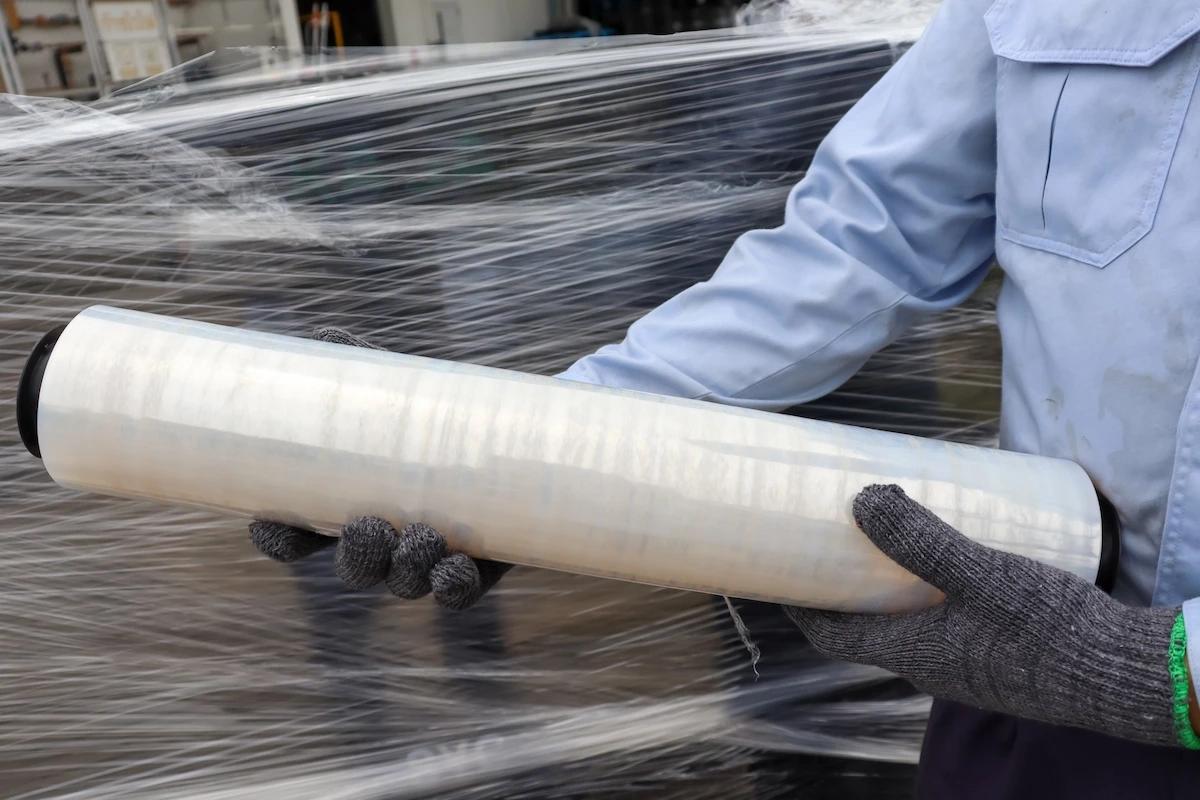
- Stretch wrap or shrink wrap.
- Sachet and pouch packaging for liquid soap, shampoo, and other liquid products.
- Packaging liners or coatings.
- Separating liners for vehicle tires.
- Industrial liners for packaging goods.
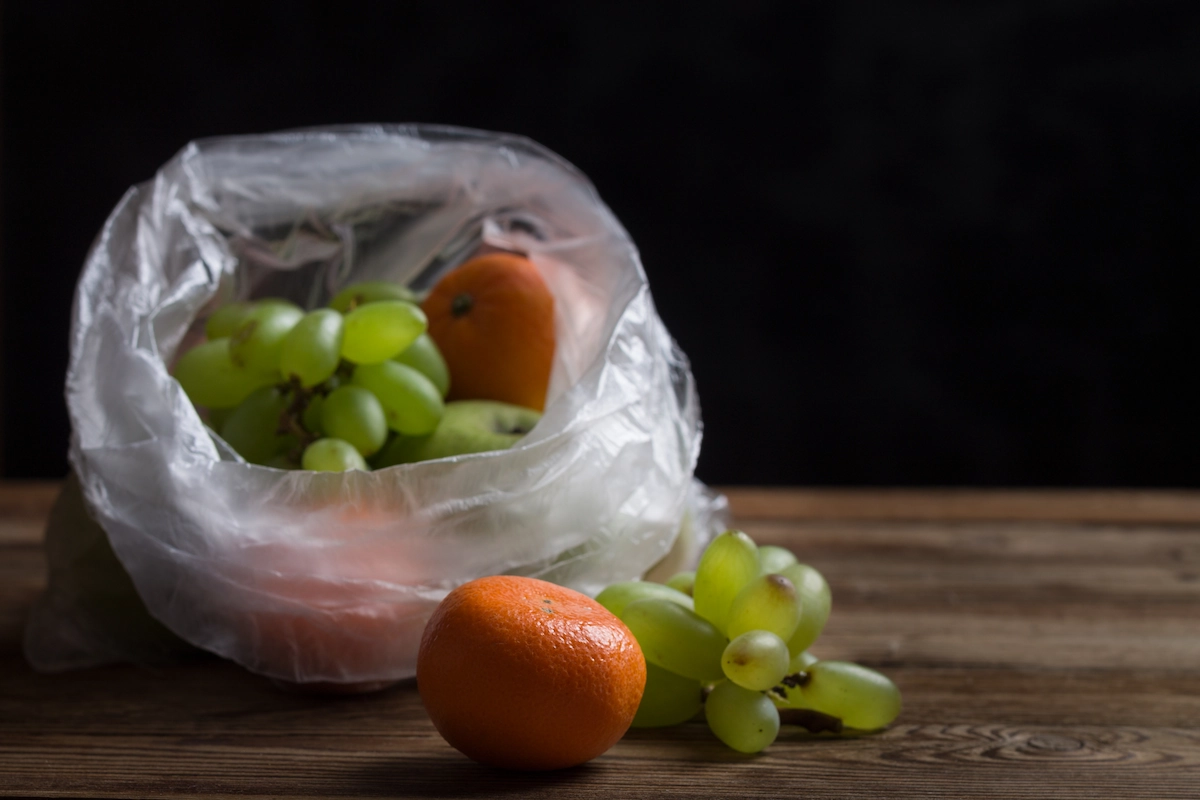
- Shopping bags.
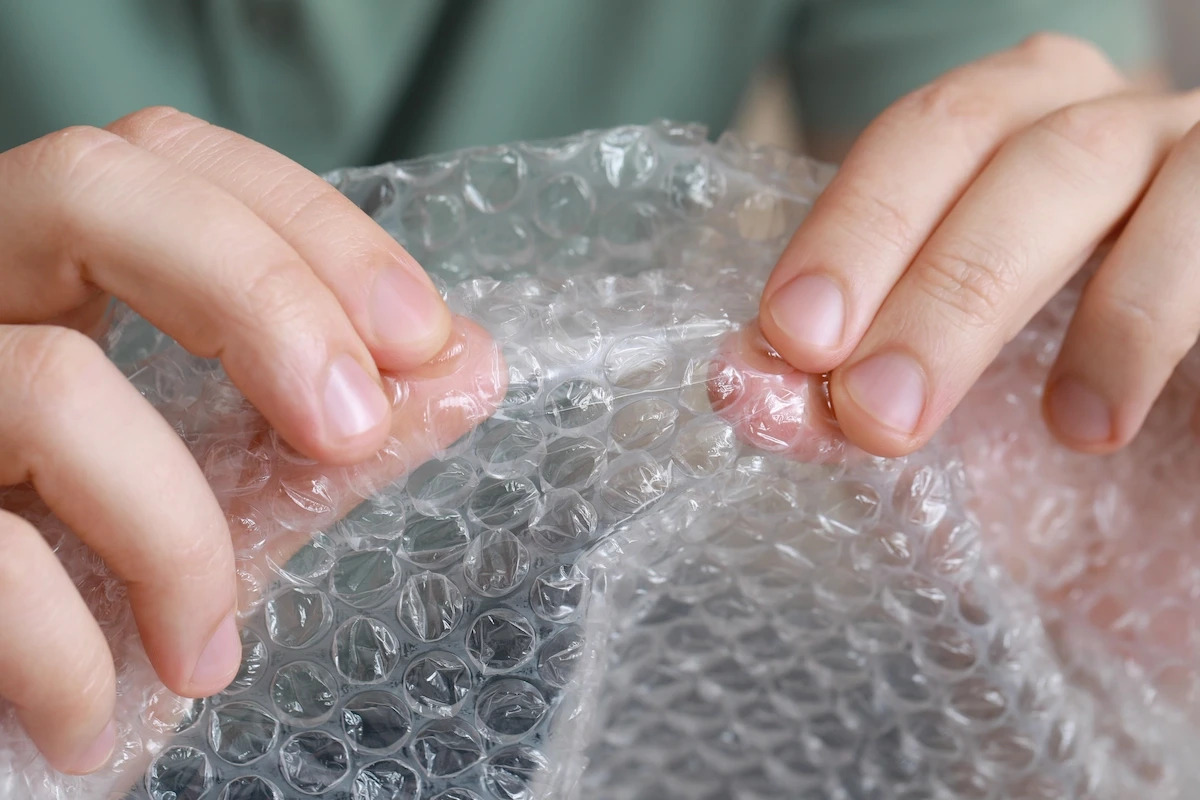
- Bubble wrap.
- Trash bags.
- Tank liners for transporting chemicals.
- Plastic buckets.
Read also: Polypropylene (PP): Definition, Types, and Characteristics
Differences between LLDPE and LDPE
When discussing LLDPE (Linear Low-Density Polyethylene), you may wonder how it differs from LDPE (Low-Density Polyethylene). Although both plastics belong to the polyethylene family, they differ in their molecular chain structures.
LDPE has longer molecular chains than LLDPE, causing the chains to become more entangled with one another. This makes LDPE more difficult to stretch before it ultimately deforms or tears. For this reason, the molecular structure of LLDPE is better suited to thin films and coatings, as it offers greater resistance to impact and tensile forces.
LLDPE Solutions and the Best Plastic Options
Based on the information above, it can be concluded that LLDPE is a versatile plastic that is thin yet strong and tough. If your company plans to produce LLDPE, there is no need to worry, as Chandra Asri Group, as your #YourGrowthPartner has the solution.
As a leading chemical, energy, and infrastructure solutions company in Southeast Asia, Chandra Asri Group offers polyethylene resins under the Asrene® trademark, including HDPE and LLDPE. These resins have been certified Halal by the Indonesian Ulema Council (Majelis Ulama Indonesia, MUI).
In addition, Aster, a Singapore-based subsidiary of Chandra Asri Group, also supplies ethylene for the production of polyethylene and synthetic chemicals (ethanol, vinyl chloride for PVC, and ethylene oxide for polyester).
So, entrust your company’s industrial chemical needs to Chandra Asri Group and Aster!
Read also: Polystyrene: Uses, Properties, Types, and Differences to PP
.png&w=3840&q=75)