
Ethylene: Characteristics, Applications, Functions, & Types
By Chandra Asri Group Editorial Team
14-02-2026
When talking about olefins, you may also hear about ethylene. Ethylene is an organic chemical compound that is essential in industrial processes, especially in the manufacture of plastics and coatings.
So, what is the structure and application of ethylene? This article thoroughly discusses the role of ethylene in various industries. So, check out the following information!
What Is Ethylene?
Ethylene is the simplest alkene compound, consisting of a carbon-carbon double bond, and is the second simplest unsaturated hydrocarbon. The structure of ethylene is C2H4 or H2C=CH2.
This compound is colorless, flammable, and has a sweet smell and taste. The most common use of ethylene is to make polyethylene plastic.
Interestingly, the ethylene compound can act as a hormone that promotes fruit ripening, flower blooming, and leaf fall. It is also useful for seed germination.
In fact, ethylene, as a hormone, can occur naturally in all parts of plants. Its function is essential for plant growth. Some plants known as ethylene producers are apples, avocados, bananas, and tomatoes.
The function of ethylene as a fruit-ripening regulator has been known since ancient times. The ancient Egyptians bruised fig stems to accelerate ripening. Similarly, the Chinese burned incense in enclosed spaces to speed up the ripening of pears.
In the chemical industry, ethylene can be found in petroleum and natural gas. Ethylene can be obtained from the hydrocarbon cracking process, such as steam cracking.
Hydrocarbons, including naphtha, propane, and ethane, are heated together with steam at high temperatures. As a result, the hydrocarbons break down into simple molecules, such as ethylene.
Read also: What Is Polypropylene (PP)? Types and Characteristics
Characteristics of Ethylene
Ethylene, or ethene, consists of four hydrogen atoms and a pair of carbon atoms in a double bond. This gas has several characteristics, including:
- It is colorless.
- It has a sweet aroma but is odorless when produced naturally by plants.
- It is highly reactive due to its double bond.
- It is flammable.
- It has a melting point of -169.4 degrees Celsius.
- It has a boiling point of -103.9 degrees Celsius.
Functions of Ethylene
Ethylene has two main functions, namely as a monomer and as a base material for compounds containing two carbon atoms.
Ethylene is used as a monomer to produce polyethylene, a polymer commonly used to make plastic bottles, packaging, and cable coatings. Polyethylene is obtained through a process called polymerization.
When polymerization is conducted at high pressure and temperature, the resulting product is low-density polyethylene (LDPE) plastic. Meanwhile, polymerization with Ziegler-Natta catalysts produces high-density polyethylene (HDPE) plastic.
Furthermore, ethylene also serves to produce linear α-olefins (LAOs). LAOs are commonly used to produce linear low-density polyethylene (LLDPE) plastics.
Regarding ethylene, polyethylene, HDPE, and LLDPE products, Chandra Asri Group, as #YourGrowthPartner, offers chemical solutions to produce these plastic raw materials. We have polyethylene resins under Asrene®, which include LLDPE and HDPE products.
Our polyethylene products are Halal-certified and used to make a range of products, including clean water pipes, packaging, agricultural plastics, water tanks, plastic bottles, cover sheets, stretch film, and more.
Not only that, our Singapore-based subsidiary, Aster, also provides high-quality ethylene and HDPE. Our ethylene can be used for chemical synthesis, including in the production of ethanol and vinyl chloride.
Moreover, ethylene is used as a base material to make two-carbon compounds, such as ethylene oxide (which is converted into polyester and ethylene glycol), ethanol (industrial alcohol), vinyl chloride (a PVC raw material), and acetaldehyde (which is converted into acetic acid).
Then, mixing ethylene with benzene can produce ethylbenzene. Ethylbenzene is then processed into styrene, which is used to produce synthetic rubber and plastics.
Read also: What Is Propylene? Check the Benefit & Safety Information
The Applications of Ethylene in the Industrial Sector
Ethylene has a wide range of applications in the industrial sector, particularly in the textile, plastics, manufacturing, and automotive industries. The applications of ethylene are as follows:
1. Construction Industry
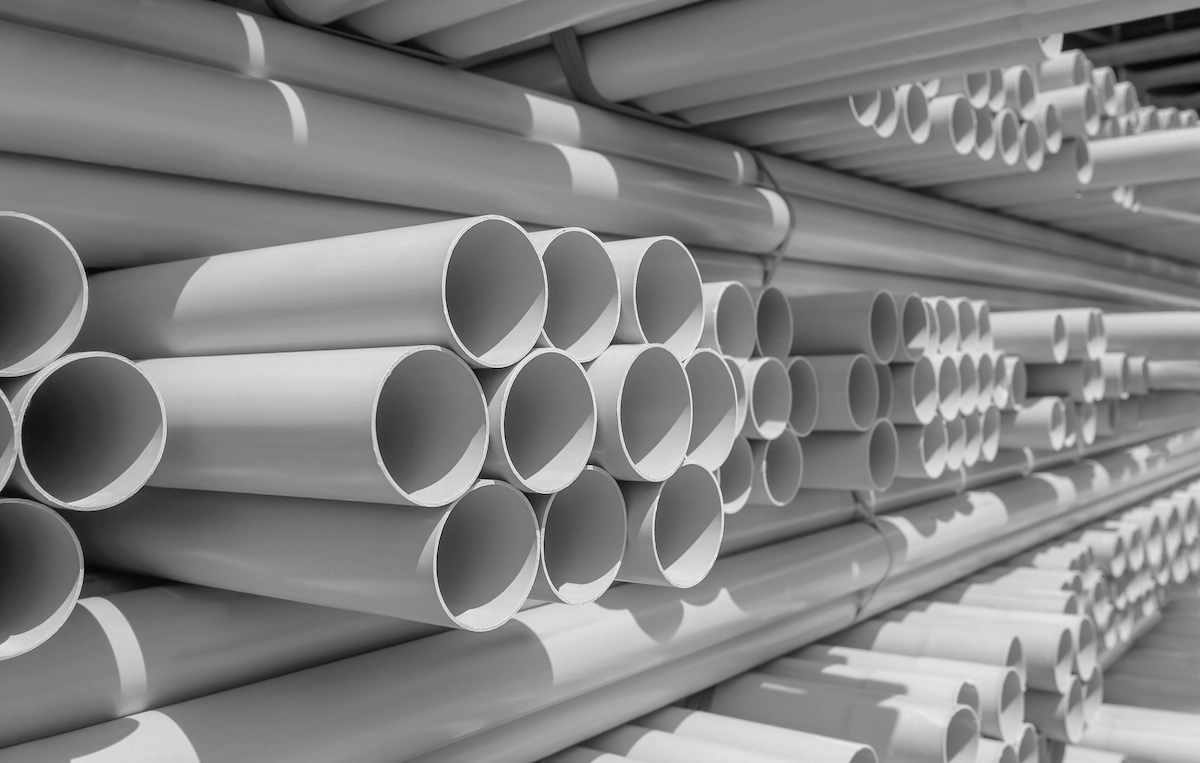
Ethylene is often found in construction products, such as polyvinyl chloride (PVC). PVC is highly durable and weather-resistant. That is why PVC is often used to make water pipes, window frames, siding (exterior building coverings), and flooring.
Not only that, but ethylene is also often used to make polystyrene. This material is used for building insulation.
2. Manufacturing Industry
In the manufacturing industry, ethylene is used to make industrial solvents (ethylene dichloride). Ethylene can also be used as a refrigerant, especially for industries that require special cooling equipment.
Other ethylene products, such as ethylene oxide, are also often used to sterilize and clean medical equipment.
3. Plastics Industry
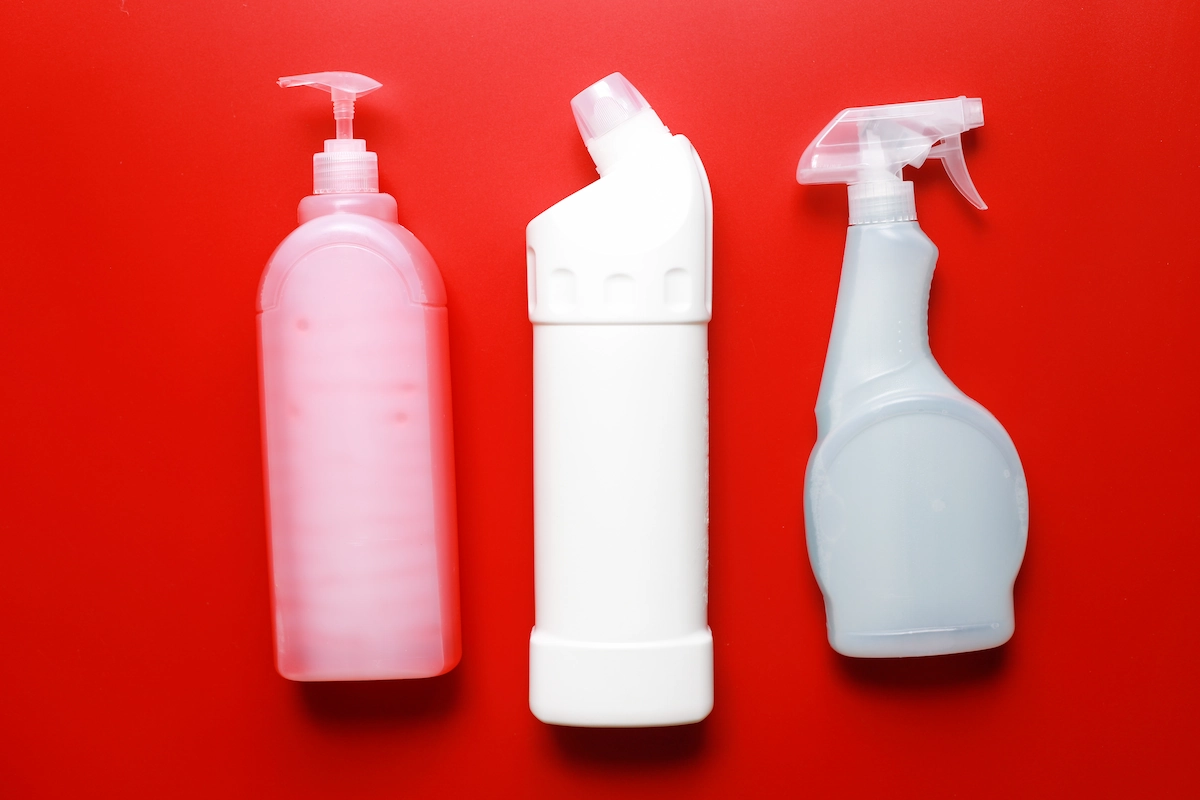
The main function of ethylene is to produce polyethylene. Polyethylene plastic products commonly used in everyday life include LDPE (plastic bags and packaging), HDPE (cleaning fluid bottles, jerry cans, and pipes), and LLDPE (flexible packaging such as stretch wrap).
Types of Ethylene Supply
With its diverse functions, ethylene is supplied in several types, including:
1. Liquid Ethylene
Liquid ethylene is stored and distributed in special containers. This type of ethylene can be used when it is in its gaseous form and cannot be distributed over long distances.
2. Ethylene Gas
Ethylene is most often shipped as a gas. Ethylene gas is distributed through pipelines to factory facilities. Generally, ethylene gas is used in the plastics industry.
3. Chemical-Grade Ethylene
This type of ethylene is slightly less pure than polymer grade. Chemical-grade ethylene is used to produce ethylene dichloride and ethylene oxide.
4. Polymer-Grade Ethylene
This ethylene is very pure and is specifically used to produce polymers, such as polyethylene. The purity of this ethylene also determines the quality of the final product.
That concludes the information about ethylene. Ethylene plays a vital role across various industries due to its versatility.
If your company needs ethylene, polyethylene, PVC, and styrene, Chandra Asri Group and Aster have the solution!
Do not hesitate to contact us now and entrust your company's chemical needs to us!
Read also: What Is Plastic Made of? Here Are the Materials & Process
.png&w=3840&q=75)