
20-05-2026
EPDM Rubber: Characteristics and Application in Industry
By Chandra Asri Group Editorial Team
As technology continues to advance, innovations in synthetic rubber are also growing, one of which is EPDM rubber. This rubber is often used in the production of hoses, adhesives, and gaskets.
This article discusses the characteristics and advantages of EPDM rubber. Therefore, explore the information below.
What Is EPDM Rubber?
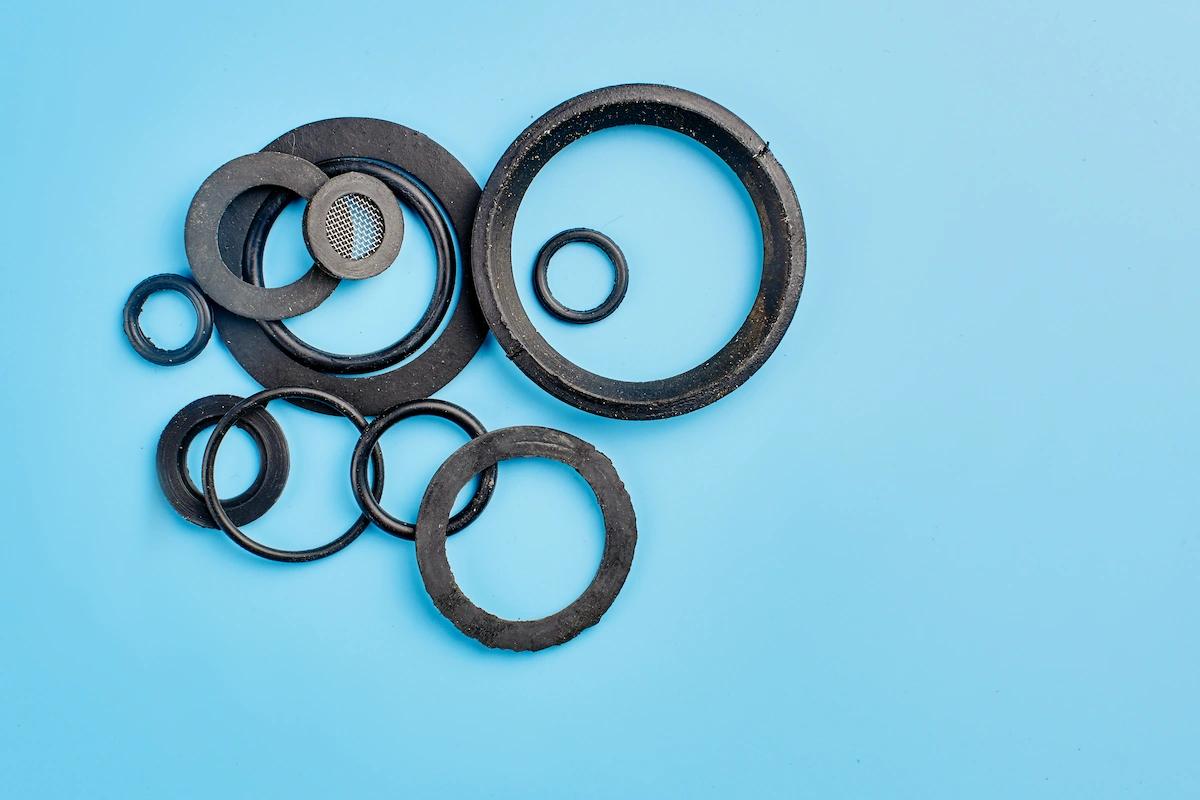
EPDM rubber, or Ethylene Propylene Diene Monomer Rubber, is a synthetic rubber that offers high flexibility and excellent weather resistance.
EPDM rubber belongs to the unsaturated polyolefin group, formed through the polymerization process of propylene and ethylene, with the addition of diene as a binder.
EPDM rubber offers more consistent quality than natural rubber since it is synthetically manufactured. Not only that, but this rubber can incorporate large amounts of nanofillers, significantly enhancing its properties. As a result, it is frequently used in the construction, manufacturing, and automotive industries.
Some common applications of EPDM rubber include roof membranes, adhesives, radiators, electrical insulation, and thermal insulation.
Read also: Styrene Monomer and Its Role in Various Industries
Characteristics of EPDM Rubber
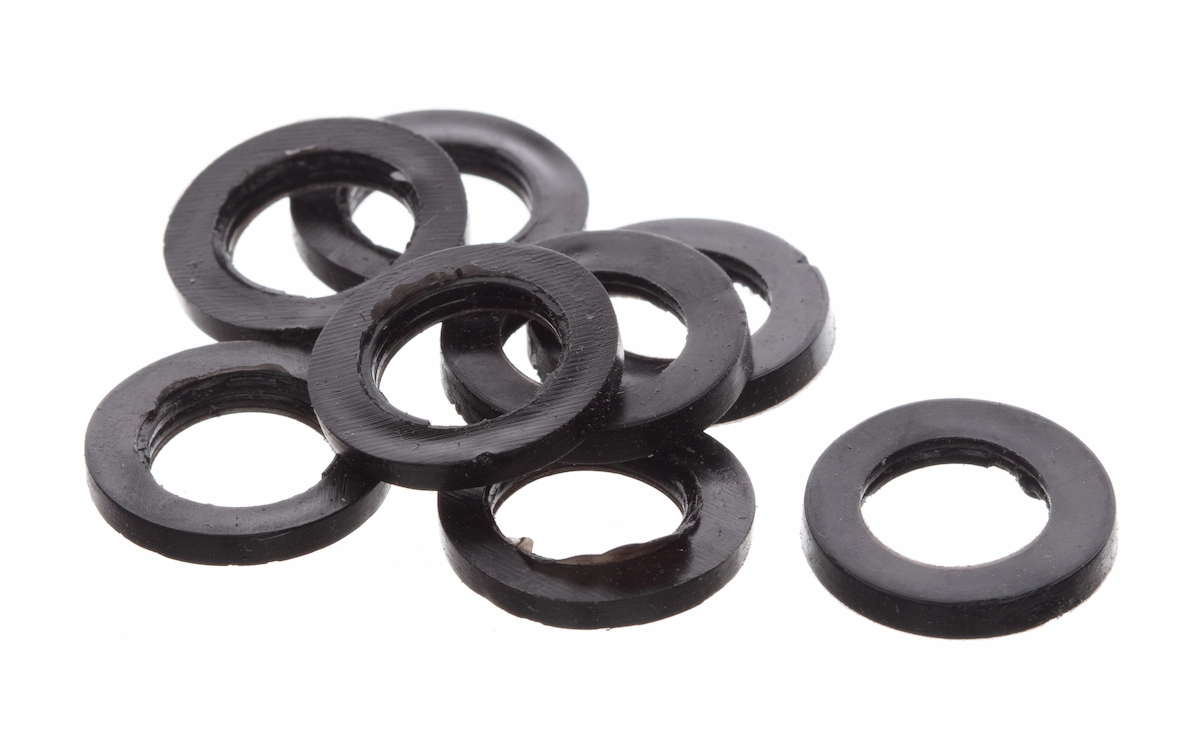
According to a study published in the journal Polymers, the characteristics of EPDM rubber are enhanced through the vulcanization process, which creates a cross-linked structure using sulfur as the vulcanizing agent along with chemical accelerators.
Furthermore, EPDM rubber can be classified as an amorphous polymer, and the addition of reinforcing fillers is considered a significant factor in improving the mechanical properties and strength of the rubber compared to unfilled EPDM rubber.
The general characteristics of EPDM rubber are as follows:
- Resistant to extreme temperatures (-40°C to 150°C). However, exposure to temperatures below -40°C can make the rubber brittle.
- Elastic and flexible at low temperatures.
- Weather-resistant.
- Oxidation-resistant.
- Ozone-resistant.
- Resistant to aging (compared to natural rubber and styrene-butadiene rubber).
- Does not crack easily or become brittle, even when exposed to sunlight.
- Chemical-resistant, particularly in corrosive environments.
- Water-resistant.
- Color does not fade easily, even when exposed to certain elements.
- Can last for a long time if properly maintained.
- Less resistant to fire.
- Less resistant to mineral oil, petroleum, lubricating oil, hydrocarbon fuels, and strong acids.
- Resistant to tearing and stretching.
- Low-maintenance, making maintenance costs more affordable.
- Capable of blocking electrical current.
Uses of EPDM Rubber
Due to the above characteristics, EPDM rubber has become a preferred material for outdoor products, such as vehicle components or construction materials. Below are some common uses of EPDM rubber in daily life and the industrial sector:
1. Automotive Industry
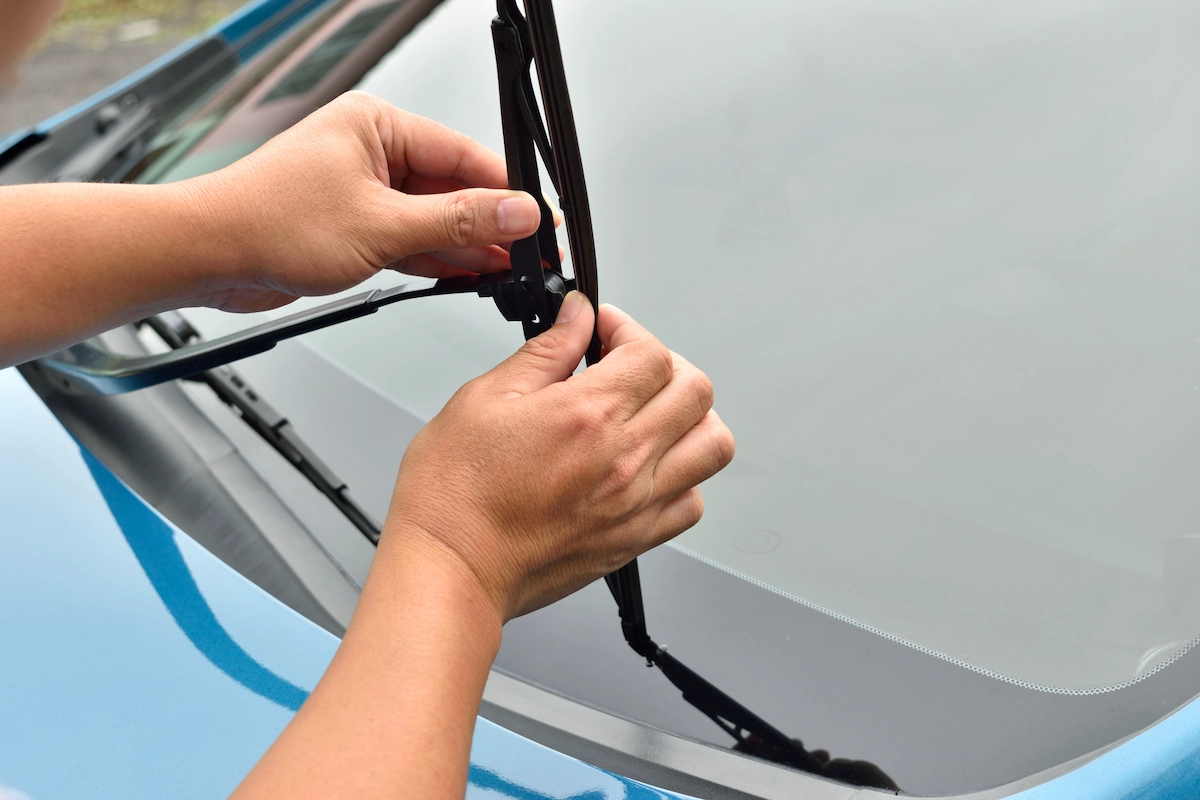
EPDM rubber is used to manufacture vehicle components, such as windshield wipers, hoses, braking systems, bumpers, window seals, and door seals.
This material is suitable for vehicles because it is resistant to weather changes, sunlight, and ozone exposure. In fact, EPDM rubber is also used to create flexible joints on railway locomotives.
2. Construction Industry
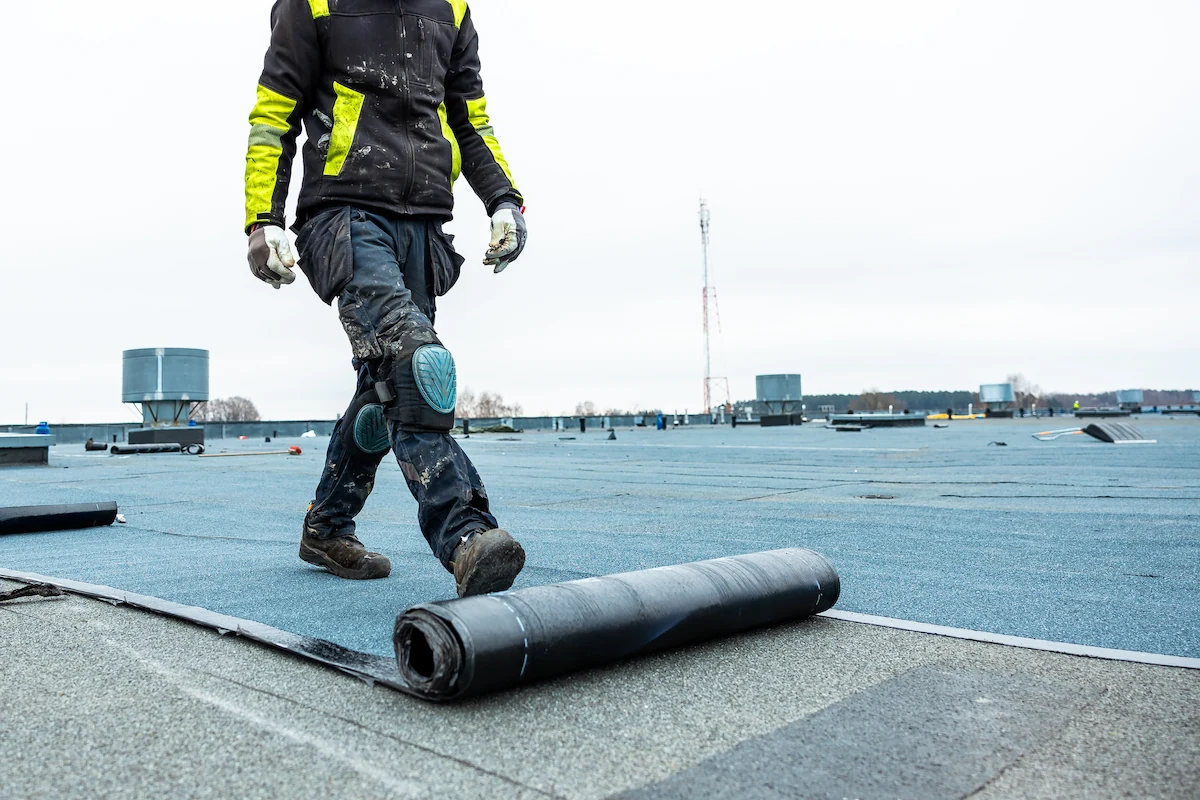
EPDM rubber is also commonly found in building materials. Due to its durability, this rubber is used in roofing membranes, fence adhesives, waterproof sealants, and swimming pool liners.
Additionally, this rubber is used in water gaskets, hoses, radiators, electrical insulation, weatherstripping (a material that seals rooms against dust, water, and wind), and rubber rings that protect cables or pipes.
3. Machinery Industry
Machinery components that require high durability are also made from EPDM rubber. In addition, it is commonly utilized for seals and cushioning parts to help reduce vibrations and noise produced by machines.
Read also: Get to Know Tire Raw Materials and How to Make Tires
Reliable Industrial Rubber Solutions from Chandra Asri Group
Synthetic rubber is one of the most widely used industrial raw materials across various sectors, particularly in construction and the automotive industry. Therefore, it is important to choose high-quality rubber materials.
Chandra Asri Group, a leading energy, infrastructure, and chemical solutions company in Southeast Asia, supplies rubber raw materials in the form of styrene monomer and butadiene.
From these raw materials, you can produce Acrylonitrile Butadiene Styrene (ABS), Styrene Butadiene Rubber (SBR), Styrene Butadiene Latex (SBL), Polybutadiene Rubber (PBR), and others.
In addition to rubber raw materials, the Chandra Asri Group and its Singapore-based subsidiary, Aster, also supply other chemicals, such as:
- Ethylene.
- Propylene.
- Polyethylene.
- LLDPE.
- Metallocene-LLDPE.
- HDPE.
- Polypropylene.
- Homopolymer.
- Random copolymer.
- Impact copolymer.
- Terpolymer.
- Polystyrene.
- Caustic soda.
- Sodium hypochlorite.
- Hydrogen.
So, do not hesitate to choose us as #YourGrowthPartner! Contact us now to get the best offer!
Read also: Petrochemical Product Classification & Their Industrial Uses
.png&w=3840&q=75)