
Elastomer: Definition, Characteristics, Types, and Uses
By Chandra Asri Group Editorial Team
28-01-2026
Elastomers are one of the materials frequently used in the chemical industry for their flexibility and durability. Elastomers can be natural or synthetic, enabling their use across many industries.
So, what are their characteristics and uses? Learn more about it in the following article.
What Is an Elastomer?

An elastomer is a type of elastic polymer that can return to its original shape after being stretched. This elastic property makes elastomers widely used in the production of rubber products.
The term “elastomer” comes from the words “elastic” and “polymer.” Relatively weak intermolecular bonds enable elastomers to stretch under pressure. The chain molecules of elastomers can also adapt to pressure, allowing them to be distributed during stretching.
Under normal conditions, elastomer molecules are randomly entangled. Nevertheless, when force or pressure is applied, these molecules can align in the direction of the force. Then, when the force is released, the molecules return to their normal condition.
Characteristics of Elastomers
The characteristics of elastomers vary depending on the material and its intended use. In general, the characteristics of elastomers are as follows:
- Resistant to deformation.
- Resistant to abrasion.
- Have a certain level of hardness.
- Not easily torn or damaged despite being highly flexible.
- Resistant to compression, loads, and high tension.
- Able to dampen vibrations and shocks.
- Thermoplastic elastomers can maintain their elasticity even when heated and cooled repeatedly.
- Thermoset elastomers can become rigid immediately upon cooling and do not readily change shape when reheated.
- Resistant to ozone, chemical exposure, extreme temperatures, and UV rays (depending on the type of elastomer).
- Some elastomers, such as those used in sealing products, are heat- and oil-resistant.
- Very wide range of applications.
- Their characteristics and properties can be modified as needed. You can change them by adjusting the materials and production methods.
Read also: What Is Plastic Made of? Here Are the Materials & Process
Types of Elastomers
Elastomers are divided into two major groups, namely thermoset elastomers and thermoplastic elastomers. Both have quite different characteristics due to their different functions. The types of elastomers are as follows:
1. Thermoset Elastomers
As mentioned earlier, thermoset elastomers do not easily change shape even when reheated. This is because thermoset elastomers have a three-dimensional network of strongly cross-linked chemical bonds formed by thermal curing.
This type of elastomer is usually used to make products that require both toughness, like plastics, and flexibility, like rubber. The following are several products that fall under thermoset elastomers:
A. Natural Rubber
Natural rubber comes from the sap of rubber trees. Natural rubber, or polyisoprene, has good durability, strong tensile strength (without damage), and excellent flexibility. Nonetheless, natural rubber is not resistant to heat, oil, or ozone.
The early history of natural rubber utilization began with Charles Goodyear. Goodyear carried out the vulcanization process (to form cross-links) using sulfur and heat.
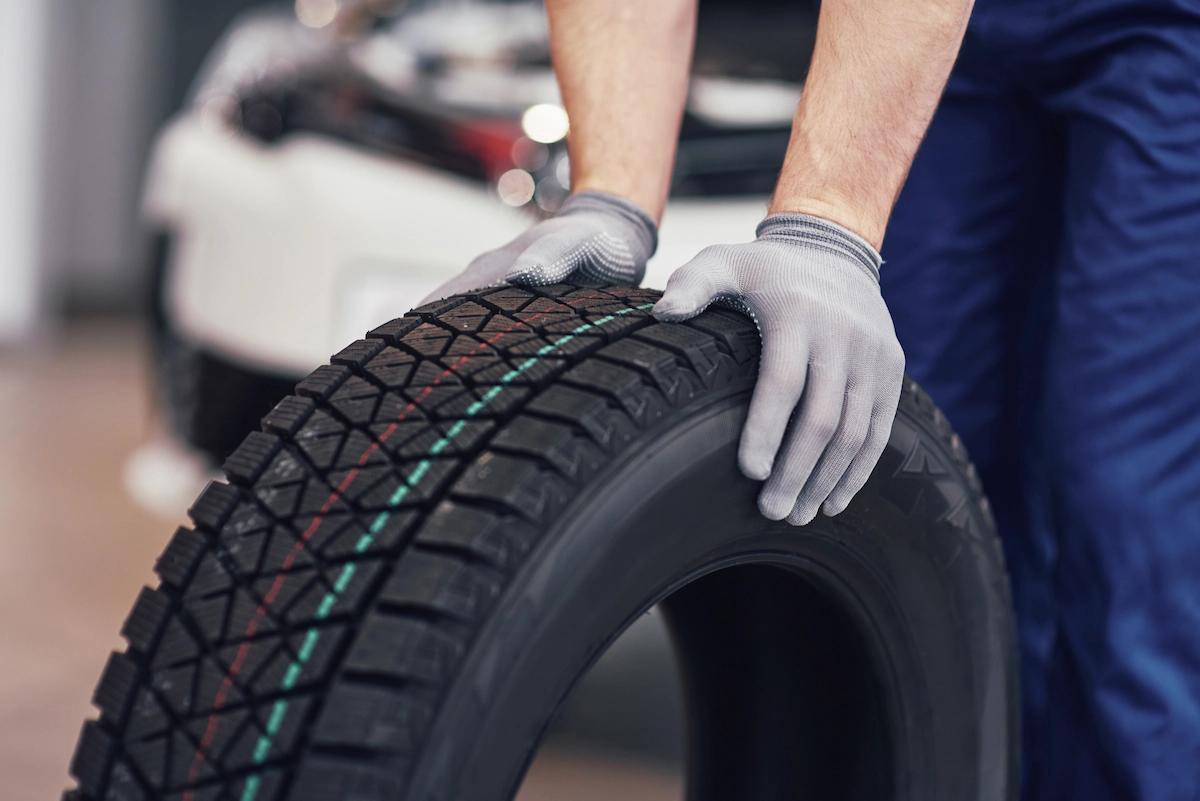
Then, this rubber was used to make vehicle tires, shoe soles, and water hoses. The use of natural rubber for vehicle tires surged in the 20th century due to high demand.
B. Styrene-Butadiene Rubber (SBR)
Styrene-butadiene rubber (SBR) is a synthetic elastomer commonly used to produce vehicle tires, shoe soles, and conveyor belts. SBR is made from styrene and butadiene. The characteristics of SBR are determined by the levels of styrene and butadiene it contains.
Nonetheless, the general properties of SBR are resistance to aging with the help of additives, relatively affordable pricing, and good wear and adhesion properties. Almost half of the vehicle tires marketed worldwide contain various types of SBR.
To obtain high-quality SBR, you need to use high-quality styrene and butadiene. Chandra Asri Group, as #YourGrowthPartner provides the best styrene and butadiene for producing rubber-based products.
Not only that, Aster, as a subsidiary of Chandra Asri Group in Singapore, also supplies styrene for various petrochemical needs.
C. Neoprene
Neoprene, or scuba fabric, is a synthetic fabric made from the polymerization of chloroprene. Scuba fabric is usually manufactured for diving suits due to its good insulation against cold.
In addition to clothing, neoprene is also used to make seals and weather-resistant coatings because it has chemical and flame-resistant properties.
D. Synthetic Rubber
Synthetic rubber differs from natural rubber in its microstructure. Synthetic rubber does not have the tensile and tear resistance of natural rubber.
Nonetheless, synthetic rubber has resistance to fatigue, a wide temperature range, and abrasion. Typically, synthetic rubber is used for technical equipment.
Read also: What Is High-Density Polyethylene (HDPE) Plastic & Its Uses
E. Nitrile Butadiene Rubber (NBR)
Nitrile Butadiene Rubber (NBR) is a synthetic rubber resistant to acids, oil, chemicals, water, and fuel, making it often used to produce automotive components.
NBR is composed of butadiene and acrylonitrile. Similar to SBR, the characteristics of NBR depend on the composition of acrylonitrile and butadiene in the product. If the acrylonitrile content is higher, the product is generally more oil-resistant but less flexible.
F. Polybutadiene
Polybutadiene is very versatile, as it can be used as a thermoplastic or formulated into a thermoset. Polybutadiene has several characteristics, including high elasticity, abrasion resistance, and tear resistance. This rubber is typically blended with SBR and natural rubber to improve tire performance in vehicles.
2. Thermoplastic Elastomers
Unlike thermoset elastomers, which do not easily change shape when heated, thermoplastic elastomers (TPEs) can change shape and are more versatile. That is why TPEs are more flexible for a wide range of manufacturing needs.
In general, TPEs are processed using injection molding or extrusion molding. This type of rubber does not require vulcanization like thermosets. The characteristics of this rubber are almost the same as those of plastic when heated, and it behaves like rubber at room temperature.
TPEs exhibit high elasticity. This rubber is used to make adhesives, coatings, household products, electronic products, medical items, footwear, sports accessories, and 3D-printed items.
Uses of Elastomers

Thanks to their durability, elasticity, and flexibility, elastomers play an important role in manufacturing. The uses of elastomers are as follows:
- Vehicle components.
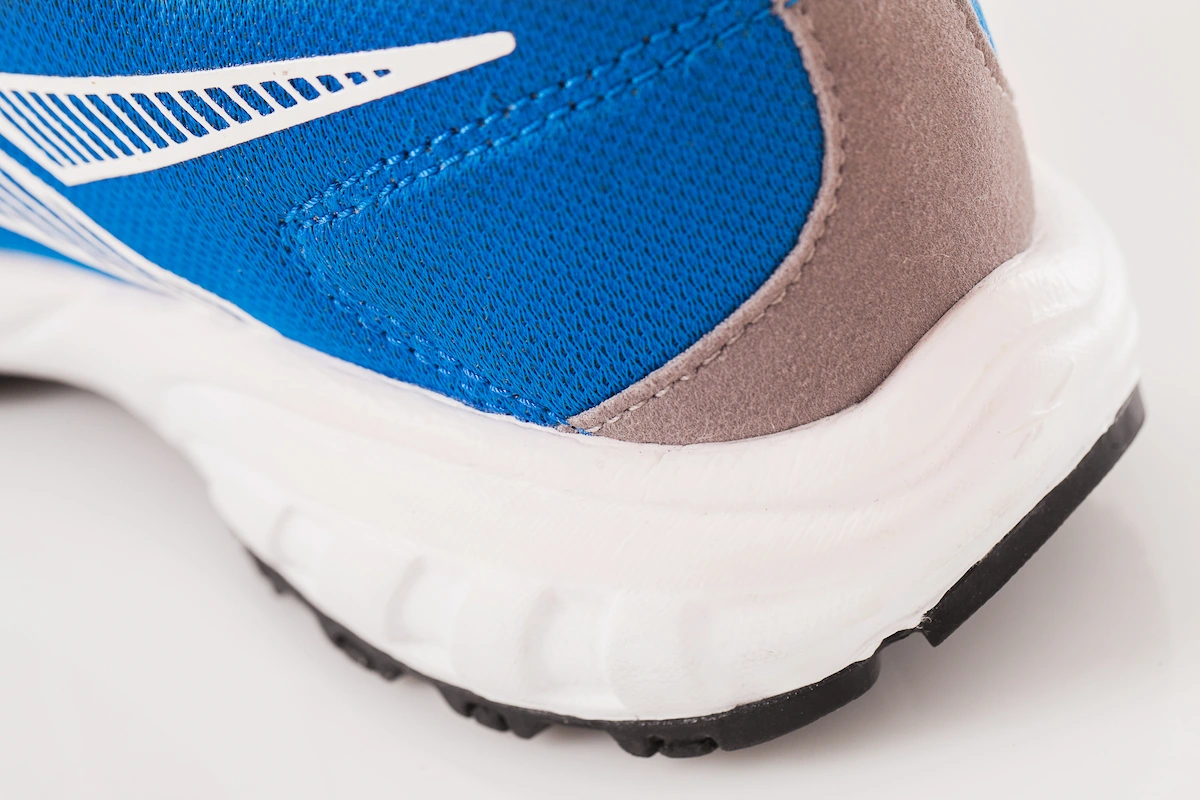
- Shoe soles and heels.
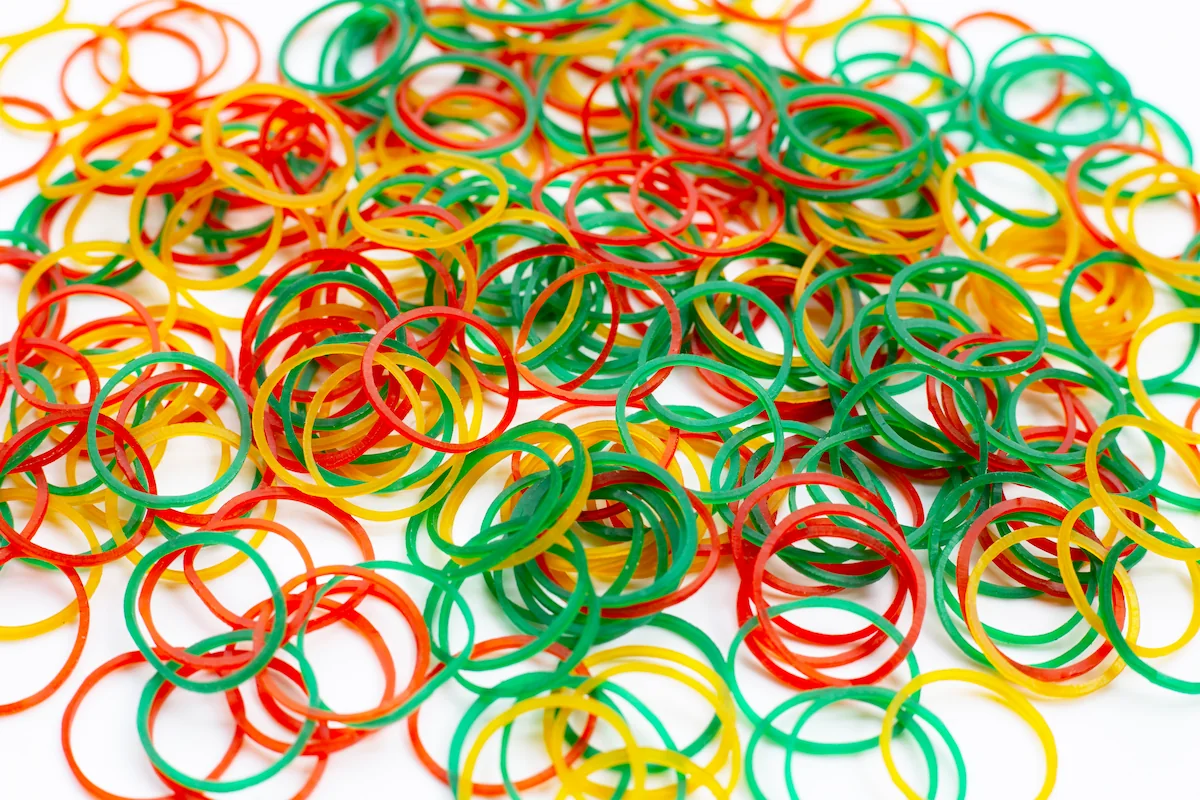
- Rubber bands.
- Toys.
- Kitchen utensils.
- Adhesives and gaskets.
- Diving suits.
- Sports shoes.
- Rubber balls.
- Personal protective accessories for sports.
- Catheters.
- Syringes.
- Medical gloves.
- Hoses.
- Belts.
- Vibration isolators.
- Phone cases.
That concludes the information about elastomers that’s important to understand. Elastomers, or rubber, are one of the important materials in the manufacturing process. Their characteristics and performance can be adjusted as needed by modifying the materials and methods used.
To produce high-quality rubber products, the raw materials used must be of the best quality. Don’t worry, Chandra Asri Group, as a chemical solutions company, is ready, along with Aster, to provide the best chemical raw materials.
Besides rubber, we also supply plastic raw materials, caustic soda, PVC, fuels, and more.
So, contact us now to fulfill your company’s chemical material needs!
Read also: What Is Polymerization? Types, Mechanism, and Examples
.png&w=3840&q=75)