
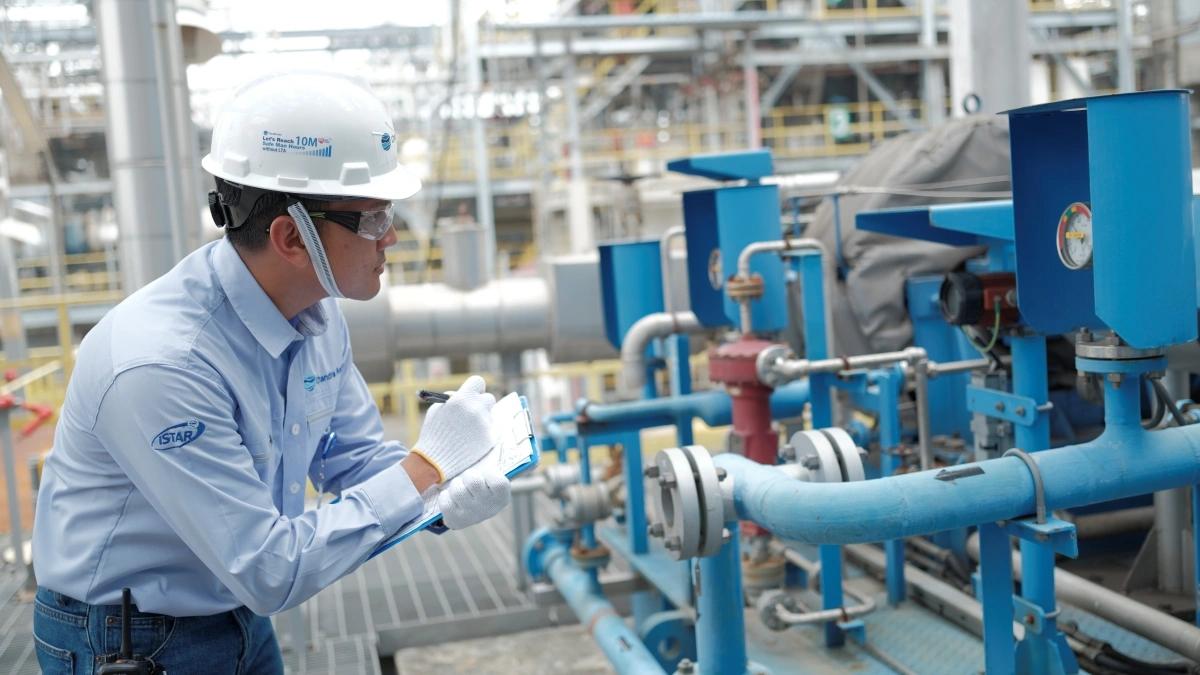
Work Safety in Oil Refineries: Challenges and Procedures
By Chandra Asri Group Editorial Team
26-02-2026
To ensure worker safety and optimal operational processes, every company must implement OHS policies, also known as K3 in Indonesian, and the oil and gas processing industry is no exception. Working in this industry presents its own challenges across the upstream, midstream, and downstream segments.
This article discusses work safety in oil refineries and their procedures. So, read this article to the end!
Challenges of Working in an Oil Refinery
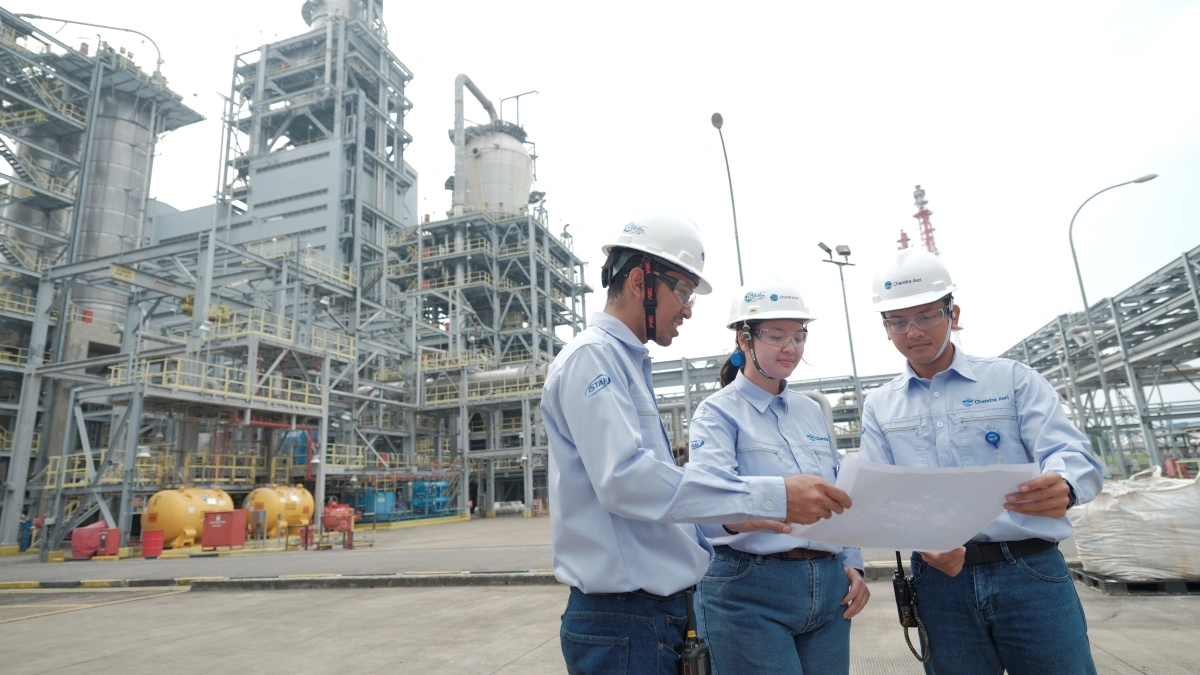
Every job has its own challenges and risks, so companies and employees must comply with Occupational Safety and Health (OHS) regulations.
Not only OHS, companies, and their internal teams must comply with the Occupational Safety Law and supporting regulations, such as the Regulation of the Minister of Manpower Number 11 of 2023. This regulation outlines occupational safety and health requirements in confined spaces (such as tanks, chimneys, tunnels, pipelines, and wells), including safe working procedures.
What challenges do employees face in the oil, gas, and petrochemical sector? Here are the details:
- Exposure to chemicals from petroleum or natural gas processing. Chemicals are the main hazardous substances in oil refineries that must be regulated in the occupational health management system.
- Risk of fire and explosion. Almost all chemicals used in oil plants and refineries are flammable. As a result, all refineries must design effective fire and explosion protection systems.
- Extreme working environment. Oil refineries are one of the riskiest working environments in the oil and gas industry. The operating temperature can be quite high, and the terrain is quite challenging, especially if you have to work offshore.
- Tool risk and high pressure. The tools used in oil refineries are generally heavy and high-pressure, so workers must be skilled in operating them, the tools must be in top condition, and the company must issue detailed safety procedures.
- Specialized tool maintenance. Many accidents in oil refineries occur due to malfunctioning equipment. Therefore, tool maintenance should include careful planning, procedures, and scheduling to ensure tool safety.
In addition to these challenges, workers in oil refineries are also vulnerable to occupational risks caused by the following factors:
- Weak safety and security management systems, such as non-standardized procedures.
- Unsafe conditions due to machinery that is not functioning normally.
- Inadequate work environment, such as dark, noisy, slippery, or dirty rooms.
- Unsafe actions, including not using Personal Protection Equipment (PPE), not following work and safety procedures, being careless at work, and not taking responsibility for their duties.
Read also: Human Resources Development: Functions and Strategies
Work Safety Procedures in Oil Refineries
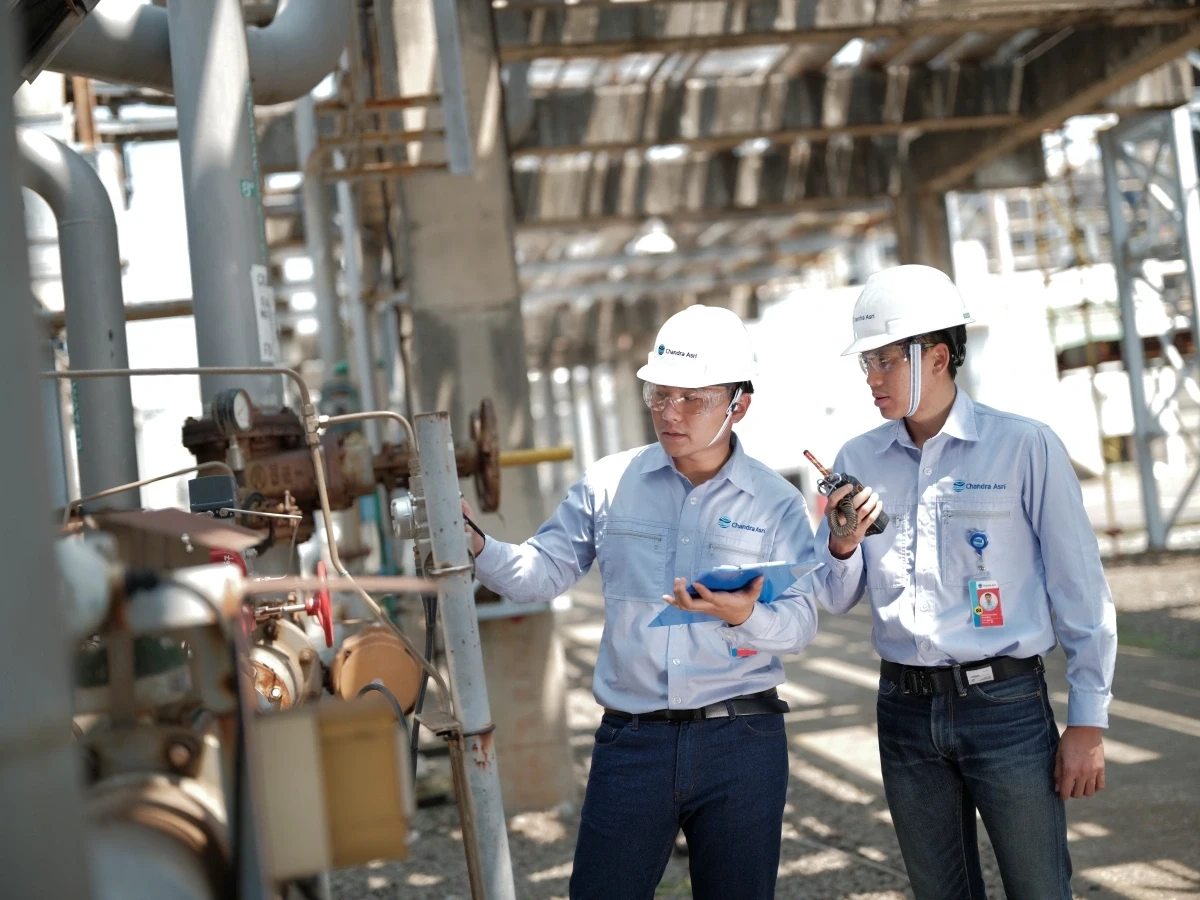
To reduce the risk of accidents in the workplace, several actions and procedures can be followed, including:
1. Learning About the Chemicals Used
As explained earlier, one of the challenges of working in the oil and gas industry is exposure to chemicals. To reduce the impact and risk of exposure, employees need to understand the chemicals in their environment.
Ensure employees understand the types, benefits, hazards, characteristics, and forms of materials. They also need to know the threshold value for pollution and the safe exposure dose for these chemicals.
Furthermore, employees must understand the types of flammable chemicals, their flash and burn points, and what to do in the event of a chemical fire.
2. Safety Regulations in Oil Refineries
Companies must comply with national and international regulations in operating oil refineries, such as ISO 45001, which is the global OHS management system, Regulation of the Minister of Manpower Number 11 of 2023, SNI 13-6910-2002 on Land and Offshore Drilling Operations, and Government Regulation Number 50 of 2012 on Occupational Safety and Health Management System (SMK3).
3. Using Full Personal Protective Equipment (PPE)
PPE is essential work equipment, especially in oil refineries and factory areas. The PPE used must also comply with standards, such as NFPA 70E (protection from electric shock). Here are some of the PPE that must be worn:
- A helmet to protect the head from impact and sparks.
- Safety shoes protect against electrical hazards, oil, and collisions.
- Gloves to avoid direct contact with hazardous chemicals.
- Coveralls to protect the body from sparks and chemical splashes.
- Special masks to contain toxic gases, vapors, and fumes.
- Special goggles to protect the eyes from exposure to hazardous chemicals or debris.
4. Organizing Training
Every employee who works at a mine or oil refinery site must receive special training at the beginning of their employment, such as safety induction training, and must be confirmed to have passed the training with a certificate that can be accounted for.
Then, the company should conduct simulations and emergency drills several times a year to ensure that all employees understand how to respond to emergencies and that all safety devices remain functional.
Read also: What Is a Green Building? Functions, Benefits, and Examples
Occupational Safety Practices in the Petrochemical Industry
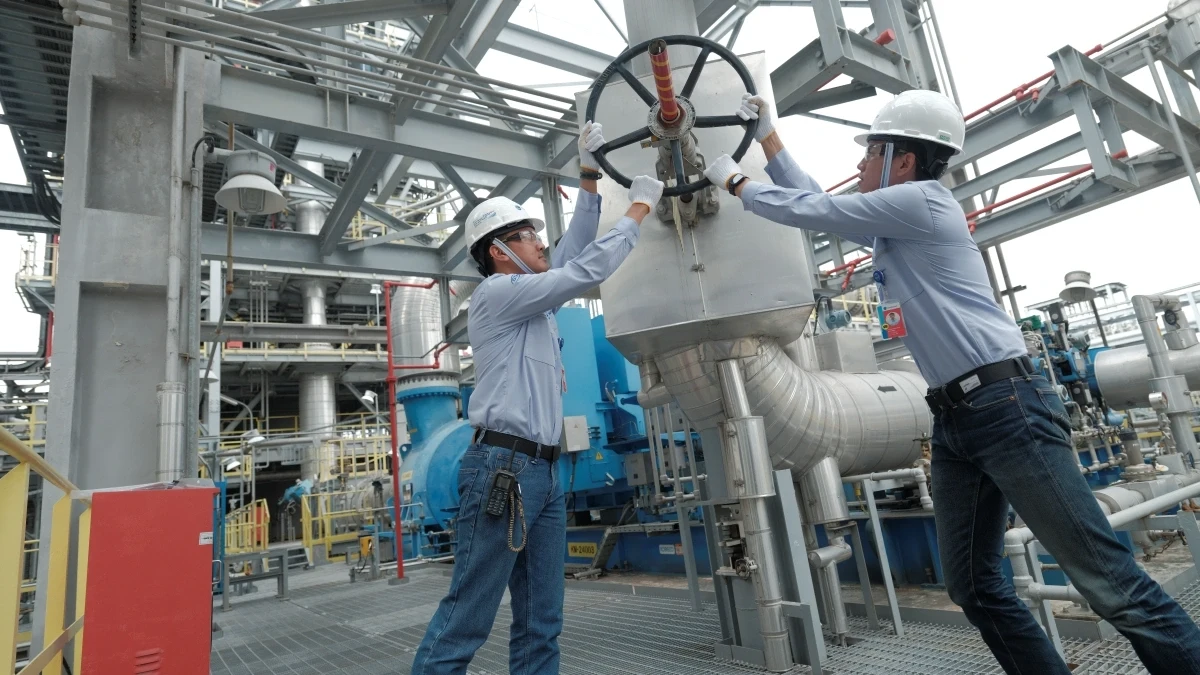
Work safety in oil refineries is a priority that companies and employees must understand. The purpose of work safety is to effectively protect employees, create a safe environment, and prevent work accidents.
An example of the implementation of work safety in the petrochemical industry is Chandra Asri Group, which implements several programs, including:
1. Basic and Special Personal Protection Equipment (PPE)
Every employee must use basic and specialized PPE when working. The basic PPE required in Chandra Asri Group's work areas is long-sleeved shirts, safety goggles, safety helmets, and safety shoes.
Then, special PPE worn in certain conditions includes masks, body harnesses, gloves, coveralls, and earmuffs.
2. PAUSE
Chandra Asri Group, as #YourGrowthPartner, not only prioritizes product quality but also focuses on safety in its business operations. One effort is to develop the PAUSE framework. The explanation is as follows:
- Pause (P): Stop for a moment when in doubt at work to reduce the risk of work accidents.
- Assess (A): Observe the work area and identify hazards before starting work.
- Understand (U): Understand safe work procedures after assessing the work area.
- Share (S): Share information on how to perform tasks safely.
- Execute (E): Carry out the task safely.
3. Other OHS and Maintenance Programs
In addition to the two mandatory procedures above, Chandra Asri Group also conducts several safety support programs, such as:
- Work Observation to ensure work safety in accordance with HSE procedures.
- Annual Refreshment Training to reduce the number of work accidents each year.
- Safety Induction Training for the introduction of safe work permits, altitude work risks, and others.
- Adapting the Safety Best Practice and Turn-Around Maintenance (TAM) implementation system.
- The Behavior-Based Safety (BBS) Plus Program is designed to report working conditions in the factory and to foster a culture of safe work among factory and office workers.
- BBS Office program to develop a plan to transform employee behavior from unsafe to safe.
That concludes the information on work safety in oil refineries and several programs conducted by Chandra Asri Group to ensure a safe work environment.
Chandra Asri Group implements several work safety programs to ensure that every employee has their rights fulfilled, can perform their obligations safely, carry out operational processes optimally, and produce products in accordance with industry standards.
So, entrust your company's chemical, energy, and infrastructure needs to Chandra Asri Group!
Read also: What Is Operational and Maintenance (O&M) in the Company?
.png&w=3840&q=75)