

21-05-2026
Why Are Plastic Prices Rising? Causes & Manufacturing Process
By Chandra Asri Group Editorial Team
Plastic is an essential part of everyday life. After all, almost every product contains plastic, such as packaging, food containers, shopping bags, and many others.
The problem is that plastic prices are currently rising due to several factors. So, what is plastic actually made of, and why are plastic prices rising? Read this article to find out the answers.
Why Are Plastic Prices Rising?
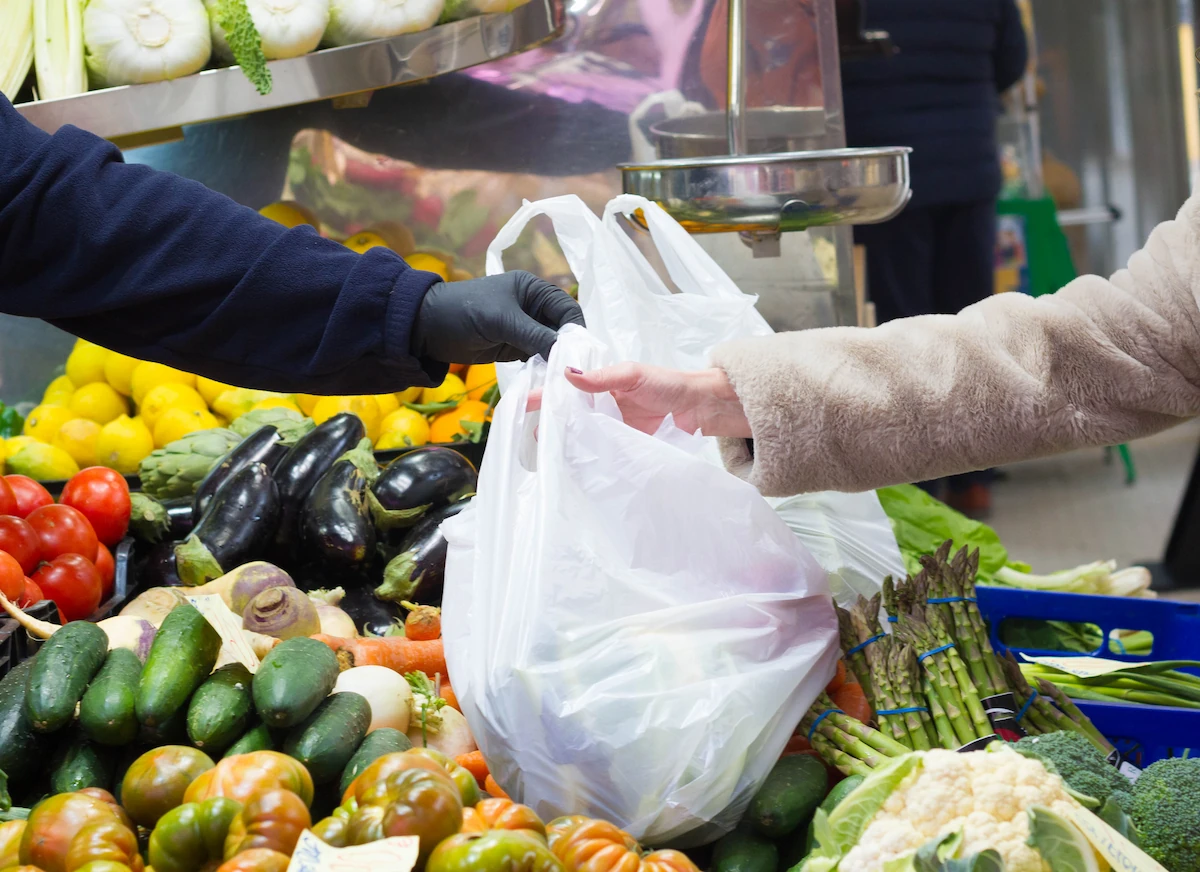
Plastic prices are now skyrocketing alongside rising fuel prices. These two things may seem unrelated, but both are affected by the same factor, which is fluctuation in crude oil prices.
One of the causes of these fluctuations is geopolitical tension resulting from U.S. and Israeli attacks on Iran. This conflict has disrupted global energy distribution, particularly in the Strait of Hormuz, a key route for global oil trade.
Consequently, crude oil prices continue to rise and disrupt the costs of petrochemical raw materials, such as naphtha. In fact, naphtha is one of the primary raw materials used in plastic production.
Not only that, but the plastic manufacturing process also requires a significant amount of energy, so rising fuel prices naturally lead to higher plastic production costs.
Higher fuel prices also affect the distribution process, particularly when transportation relies on fossil fuel-powered vehicles. Transportation costs inevitably rise when fuel prices increase.
In short, the reasons behind the rising plastic prices are interconnected, namely, increasing production and distribution costs as a result of rising global oil prices.
Speaking of plastic utilization, the OECD explained that in 2020, global plastic production and consumption reached 435 million tons. This figure increased significantly from 2000, when it was only around 234 million tons.
By 2040, plastic production and consumption are projected to increase by 70% compared to 2020.
In fact, the growth could rival the increase in the world’s population due to continuously rising demand for plastic, especially in high-growth regions such as Asia and Latin America.
Based on the data above, it can be concluded that plastic demand is expected to remain high. With such strong demand, rising plastic prices could certainly become a burden for communities, especially SMEs or manufacturing industries that heavily rely on these products.
Read also: PET Plastic: Characteristics, Uses, and Differences to HDPE
How Is Plastic Made from Crude Oil?
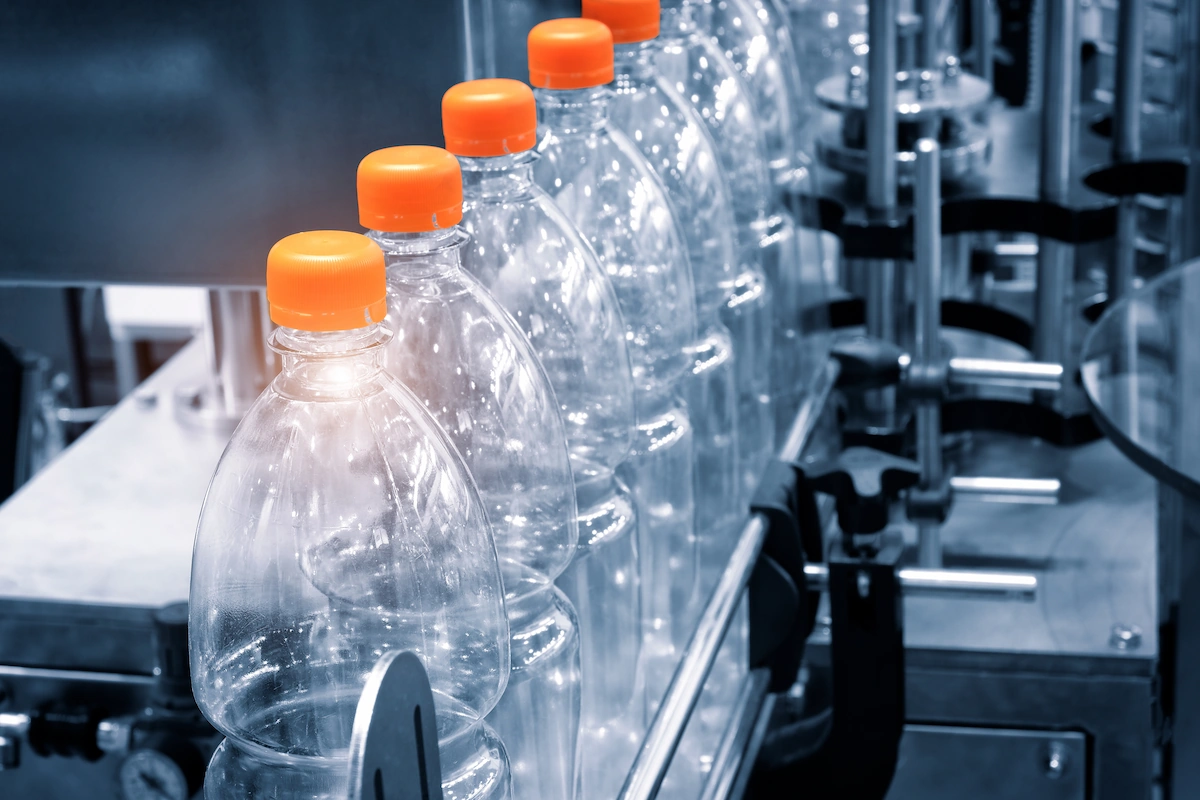
It can be said that plastic has surpassed other man-made materials. In fact, it is very difficult to imagine a world without plastic today.
The first synthetic plastic in the world was Bakelite, which emerged in the early 20th century. A study published in the journal Science Advances explains that packaging products are the largest market for plastic usage in the world.
No wonder, since almost all products today are packaged in plastic. But what is plastic actually made of? As explained earlier, plastic is made from petroleum.
To understand how plastic is made from crude oil, take a look at the following plastic manufacturing process:
1. Petroleum Extraction
The first stage of plastic production is extracting raw materials from the Earth’s crust, such as crude oil and natural gas. These materials are then further processed into base materials.
2. Raw Material Refining
After crude oil is extracted, it is converted into petroleum products by heating it at high temperatures and then sent to a distillation unit.
In the distillation unit, crude oil is processed into fractions by separating heavy and light crude oil. One of these crude oil fractions is naphtha, which is then used to make plastic.
Two other processes also occur at this stage: cracking and polymerization. Cracking produces ethylene and propylene, which also serve as plastic raw materials.
Meanwhile, polymerization is the process of recombining monomers into long chains to form plastic products, such as polyethylene and polyvinyl chloride.
3. Plastic Production
The above-described process has now produced the raw material in the form of plastic pellets. These plastic pellets are then used to make a variety of goods, such as food containers, plastic bags, product packaging, water pipes, car parts, and many more.
Various materials are mixed and melted together to create plastic product formulations. Then, a variety of extrusion methods are used to transform plastic pellets into semi-finished or finished products.
Read also: Get to Know Polyethylene, a Flexible Plastic Material
Chandra Asri Group, Industrial Plastic Raw Material Solutions
Plastics are materials and products that have become an essential part of human life, both for meeting daily needs and for manufacturing purposes.
Chandra Asri Group, as a chemical solutions company and #YourGrowthPartner, can be the solution for your company’s industrial plastic raw material needs. We operate a world-class integrated petrochemical complex and deliver quality at an affordable price.
Chandra Asri Group, together with Glencore, has also acquired Shell Energy and Chemicals Park Pte. Ltd. (SECP) in Singapore through our joint venture. Today, the company, now named Aster Chemicals and Energy Pte. Ltd. (Aster), operates integrated energy and petrochemical facilities on Bukom Island and in Jurong, Singapore.
The plastic raw materials available at Chandra Asri Group and Aster are as follows:
- Ethylene.
- Propylene.
- Polyethylene.
- LLDPE.
- Metallocene-LLDPE.
- HDPE.
- Polypropylene.
- Homopolymer.
- Random copolymer.
- Impact copolymer.
- Terpolymer.
- Polystyrene.
In addition to the plastic raw materials listed above, we also supply other industrial chemicals, such as styrene monomer and butadiene.
So, make sure your company’s manufacturing processes run smoothly with a reliable supply of plastic and chemical raw materials. Contact us for a consultation and to get the best deal!
Read also: What Is LLDPE? Uses, Properties, and Differences from LDPE
.png&w=3840&q=75)