
Viscosity: Definition, Formula, and How to Measure It
By Chandra Asri Group Editorial Team
24-01-2026
In the chemical industry or other manufacturing processes, you might be familiar with viscosity. It is a term explaining the consistency of a certain fluid. It also determines the energy needed for a fluid to flow.
This article talks about what viscosity is and how to measure it. To learn more about it, read the complete information below.
What Is Viscosity?
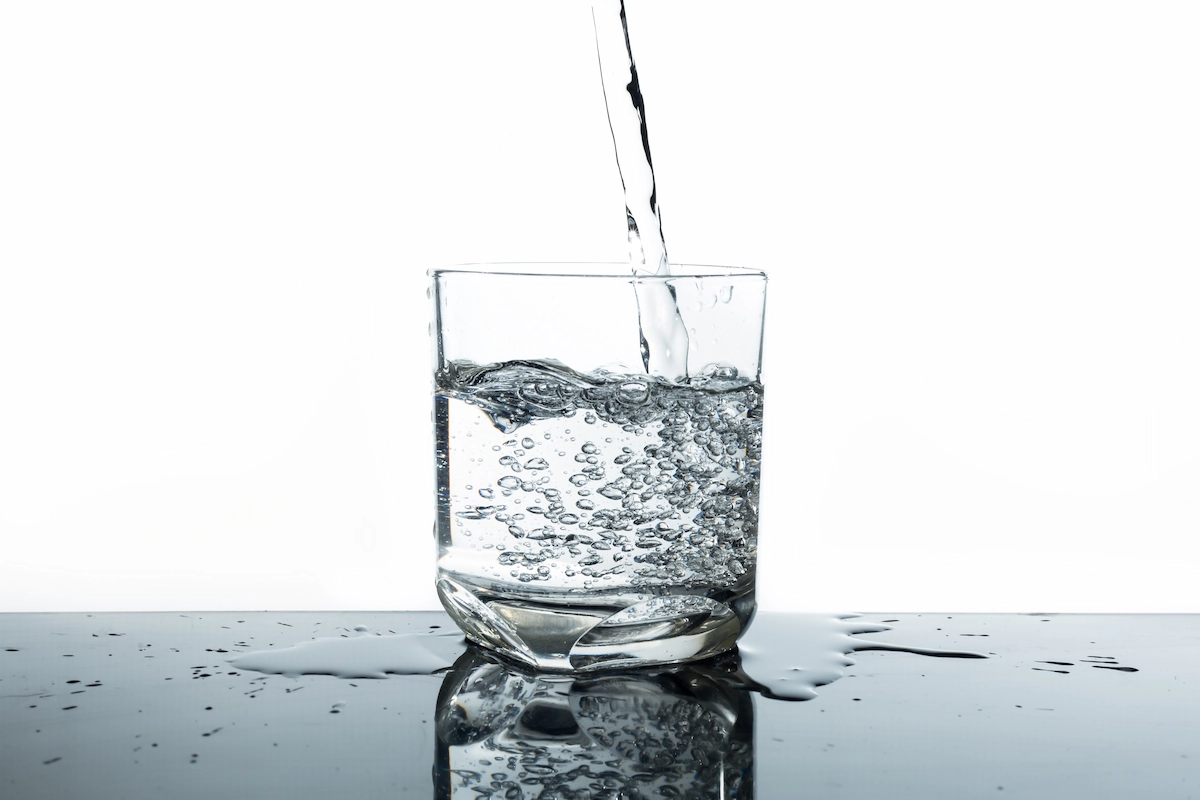
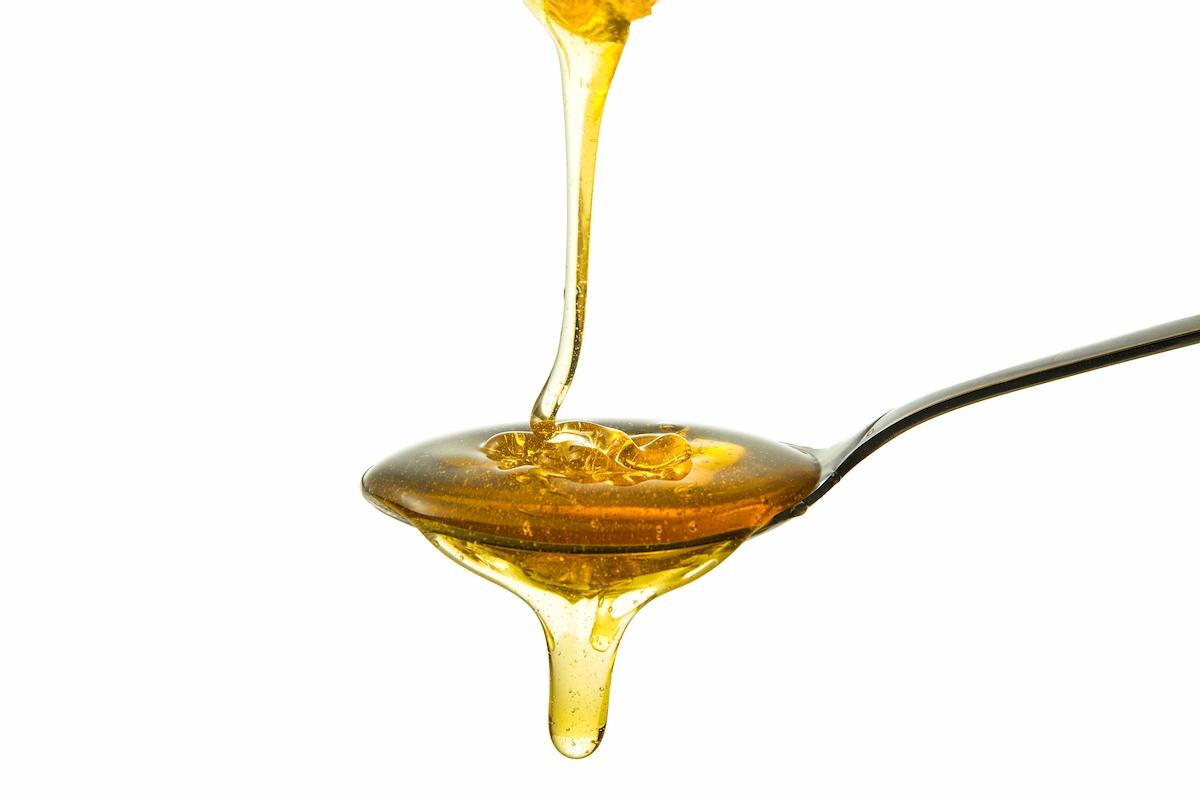
Viscosity is a gas or solution’s tendency to resist the opposing forces. For example, stirring honey is heavier than clear water because they have different viscosities.
It is also related to the fluid’s (flowing substances, either gas or solution) thickness. At the molecular level, viscosity results from interactions between different molecules within a fluid, or what can be called internal friction. Viscosity determines the amount of energy required for a fluid to move or flow.
The viscosity of a gas is determined by intermolecular friction, while the viscosity of a liquid is determined by the attraction between similar molecules (cohesive forces). When the particles of a fluid are close together, the fluid is usually more viscous.
That’s why honey is thicker than water, because the lower the viscosity, the easier it is for fluid to flow due to less friction. Viscosity is expressed in units of viscosity coefficient (η).
Then, do all waters have the same viscosity? Not necessarily because seawater in the Dead Sea has ten times the viscosity of freshwater, but because it has a higher soluble salt level.
Therefore, viscosity is not only based on the physical property of a substance but also on soluble compounds in it.
Read also: What Is Polymerization? Types, Mechanism, and Examples
Types of Viscosity
Viscosity is divided into two types: dynamic and kinematic viscosity. Here is the complete information you can learn:
1. Dynamic Viscosity
Dynamic viscosity, or absolute viscosity, is related to the force working on a fluid. It measures the comparison between the applied shear stress and the area of the fluid sample.
To grasp the idea better, imagine that you want to measure the viscosity of two syringes. One syringe contains water, and another contains honey. You can effortlessly push the water out of the syringe. Yet, you may need a bigger force to push the honey out.
Dynamic viscosity is a measurement resulting from the selection of a specific injection time or injection rate and the measurement of force or stress. The unit of dynamic viscosity is millipascal seconds (mPa-s).
2. Kinematic Viscosity
Kinematic viscosity calculates a fluid's ability to resist gravitational pull. It depends on the tested fluid density. For example, when you pour water into a bowl, the water will immediately flow down and follow the shape of the bowl in a matter of seconds.
In contrast, when you pour honey, it takes several minutes for all the honey to move into the bowl. Therefore, kinematic viscosity measures how fast a fluid flows for an applied force, such as the gravitational force. The unit of kinematic viscosity is square meters per second (m²/s).
Read also: What Is Distillation? Its Types and Crude Oil Distillation
How to Measure Viscosity

Viscosity can be measured using various methods, such as utilizing a viscometer, a capillary tube, rotational rheometry, and microrheology. It is calculated through the velocity gradient and shear stress in the fluid. Below is the viscosity formula you can use:
η = 2r2g(ρb-ρf) / 9v
Information:
η = Viscosity (N.s/m2 or Pa.s)
r = Radius (m)
g = Gravitational force (m/s2)
ρb = Item’s density (kg/m3)
ρf = Fluid’s density (kg/m3)
v = Item’s velocity (m/s)
In addition, here are some methods to measure viscosity you can apply:
1. Vibrating Viscometer
The first method is to apply oscillation (repeated back-and-forth movement at the same time interval and trajectory) to the sample and measure its resonance. The energy lost at the resonance frequency will be directly proportional to the viscosity of the fluid being tested.
2. Capillary Tube
A capillary tube or capillary viscometer is a U-shaped tube with a narrow passage for fluid. The fluid will flow through the tube with the help of capillarity. You can calculate the viscosity based on how long it takes for the fluid to flow through the tube.
It is suitable for calculating the kinematic viscosity. To obtain accurate figures, you need to know the diameter and density of the fluid being tested.
3. Microrheology
Microrheology is a technique used to measure the rheological properties of a medium, such as viscosity and viscoelasticity. It is quite complex because it is designed to measure the viscosity of fragile fluids, such as pastes and gels.
4. Rotational Rheometry
The rotational rheometry method applies a weak rotational or torque force to the fluid sample being tested. It is used to measure dynamic viscosity by describing the flow curve of the substance.
Reliable Solid and Liquid Chemical Solution
If your company is looking for solid and liquid chemicals for the manufacturing process, do not worry! Chandra Asri Group, as #YourGrowthPartner, has the ultimate solution!
Chandra Asri Group, as a prominent chemical solution company in Southeast Asia, provides olefin, polyolefin, styrene monomer, butadiene, B1MTBE, chlor alkali, and ethylene dichloride for your company.
Not only that, but Chandra Asri Group also has a subsidiary based in Singapore named Aster. Aster provides butadiene, diethylene glycol, dipropylene glycol, ethoxylates, ethylene, HDPE, high-purity ethylene oxide, monoethylene glycol, polyether polyol, and many more.
So, make sure that you get high-quality chemicals for your manufacturing process from Chandra Asri Group and Aster!
Read also: What Is a Reverse Osmosis System? Uses and Advantages
.png&w=3840&q=75)