

28-04-2026
Thermoset: Characteristics and Industry Applications
By Chandra Asri Group Editorial Team
When talking about plastics, you may have heard the terms thermoplastic and thermoset. Both refer to types of polymers that influence the characteristics of the manufactured plastic products.
In general, thermoset plastic products cannot be reheated repeatedly. This is what distinguishes them from thermoplastics. Do you want to learn more about thermoset plastics? Read this article to the end!
What Is a Thermoset?

Thermoset (thermosetting plastic) is a polymer that is resistant to high temperatures and does not easily melt. As a result, thermoset plastics cannot be reheated repeatedly.
However, this is not a disadvantage, as thermoset plastics are specifically designed for products that require high tolerance. Products made from this polymer can maintain their shape longer, even when exposed to high temperatures.
Thermoset polymers cannot be modified or remelted once they have been molded and heated. During heating, the polymer’s molecular chains form cross-linked chemical networks that create a permanent and rigid structure.
In simple terms, thermosets are like eggs. When an egg is cooked at high temperatures, it hardens and cannot return to its liquid form, even if reheated. This characteristic distinguishes thermosets from thermoplastics, which can be melted and reshaped repeatedly.
Due to their more rigid properties, thermoset plastics are suitable for manufacturing products that require strength, durability, and resistance to aggressive elements such as oils and chemicals.
Thermoset plastics can be processed using methods such as reaction injection molding, extrusion molding, resin transfer molding, compression molding, and spin casting. Examples of products that utilize thermoset polymers include baby bottles, pipes, toys, and vehicle components.
Meanwhile, some examples of thermoset materials used in plastic products include epoxy resin, melamine resin, polyamide, furan resin, phenolic resin, bakelite, duroplast, urea-formaldehyde foam, and polyester resin.
Read also: What Is Plastic Made of? Here Are the Materials & Process
Characteristics of Thermoset Polymers

Thermoset plastics and thermoplastics have different structures, which result in different mechanical properties and uses. The strength of a polymer’s structure determines the durability, reliability, and the duration of plastic products. For thermoset polymers, here are some of their key characteristics:
- Able to withstand high temperatures without changing shape or losing mechanical properties.
- Resistant to acids, bases, solvents, and other aggressive substances, making them suitable for corrosive environments.
- Rigid and capable of withstanding high mechanical loads.
- Suitable for electrical insulation.
- More durable, resulting in a longer service life.
- Resistant to prolonged exposure to snow, rain, and sunlight.
- Can be molded into various designs.
- More economical compared to metals and thermoplastics.
- Resistant to corrosion.
- Possess strong dimensional stability.
- Have low thermal conductivity.
- Water-resistant.
- Can be produced in a variety of colors and finishes.
Applications of Thermoset Polymers Across Various Sectors
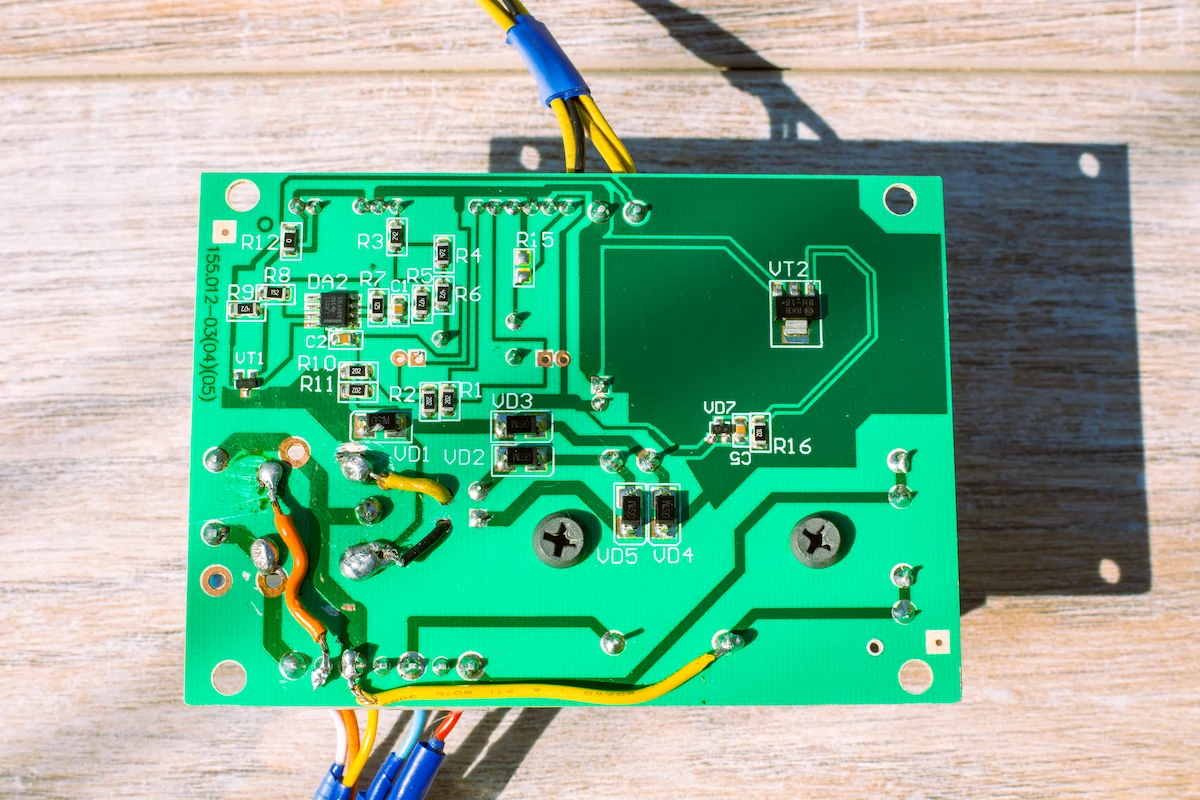
Due to their characteristics, thermoset polymers are used in a wide range of applications, including those with specific requirements. Thermosets are easier to shape than metals, making them a popular choice in industry. Their applications are as follows:
1. Otomotive Components
Thermosets are often used in the automotive industry because they can reduce vehicle weight without compromising strength. Components made from thermosets can also withstand the heat generated by vehicle engines.
Thermoset components commonly found in vehicles include brake discs, brake pads, battery covers, engine covers, metal and composite adhesives, and interior panels.
2. Electrical Devices
Thermosets are good electrical insulators and heat-resistant, making them commonly used in the production of printed circuit boards (PCBs), light switches, plugs, outlets, terminals, and connectors.
3. Household Appliances
Did you know? Many household items are made from thermosets, such as buttons, microwaves, ovens, wall switches, coffee makers, toasters, melamine-laminated kitchen countertops, and irons.
4. Construction Materials
The construction industry also utilizes thermosets to produce wall insulation, polyester resins, epoxy resins, decorative panels, and water pipes. In fact, thermosets can be a suitable choice for fire-resistant infrastructure, as they are more heat-resistant and produce less smoke when burned.
5. High-Tolerance Applications
Certain products require resistance to high mechanical stress, extreme temperature changes, and corrosive environments. Some of their examples are wind turbine blades, aircraft wing panels, offshore platforms, and ship hull components.
These products must be rigid and resistant to material fatigue, sunlight, saltwater exposure, and humidity.
6. Machinery and Equipment in Factories
Factories use industrial molds, machine components, and precision tables made from thermosets to ensure greater stability, chemical resistance, and durability, even during long-term operation.
Read also: What Is High-Density Polyethylene (HDPE) Plastic & Its Uses
Thermoset vs. Thermoplastic: What Are the Differences?
When discussing thermoset plastics, you will also hear about thermoplastic polymers. As previously explained, thermoset polymers cannot be reshaped, even at high temperatures.
In contrast, thermoplastics can melt when heated and be reshaped without compromising their material properties. Thermoplastic plastics are recyclable, offer a more aesthetic finish compared to thermosets, and are more elastic.
However, thermoplastics are not always suitable for every application, as they can melt easily, making them less ideal for products that require high durability.
Examples of thermoplastic materials include polyvinyl chloride (PVC), polycarbonate (PC), polyethylene (PE), polypropylene (PP), polystyrene (PS), and PET plastics. These plastics are used to make plastic bags, food containers, bottled drinking water (packaged water), and PVC pipes.
Another key difference between the two polymers is that thermosets are processed to create bonds between monomer chains, called crosslinks. These bonds make them rigid and resistant to changing shape when heated.
On the other hand, thermoplastics are produced without chemical bonding and can be poured directly into molds to harden into the desired shape. This process allows them to be reheated and reshaped.
Suppliers of Thermoset and Thermoplastic Plastics for Industry
Plastics have become one of the most important parts of human life. Their use spans a wide range of industries, including textiles, chemicals, automotive, pharmaceuticals, construction, and more.
Therefore, it’s essential to ensure that your company’s supply of plastic materials is secure and of the highest quality. So, trust your plastic chemical material needs to Chandra Asri Group!
As a leading chemical, energy, and infrastructure solutions company in Southeast Asia, we offer a wide range of plastic raw materials, such as polypropylene and polyethylene, as well as other chemicals, including butadiene, styrene monomer, caustic soda, and many more.
Moreover, our Singapore-based subsidiary, Aster, supplies chemicals to international markets. Aster operates on over 60 hectares of land, which includes an oil refinery processing 237,000 barrels of crude oil per day, an ethylene cracker with a capacity of 1.1 million metric tons per year, and other downstream chemical assets.
The chemicals we supply meet industry standards and are of high quality. Make sure you get the best plastic chemicals from Chandra Asri Group and Aster, #YourGrowthPartner!
Read also: Plastic Asphalt in Indonesia, Here Are the Benefits
.png&w=3840&q=75)