
14-03-2026
Understanding Thermoplastics, Their Characteristics, & Uses
Have you ever heard of thermoplastics in manufacturing processes? Thermoplastics are polymer materials commonly found in polycarbonate, polystyrene, and other plastics, making them holding a signficance in the industry.
This article discusses what thermoplastics are and their uses in various sectors. So, read this article to the end to find out more.
What Are Thermoplastics?
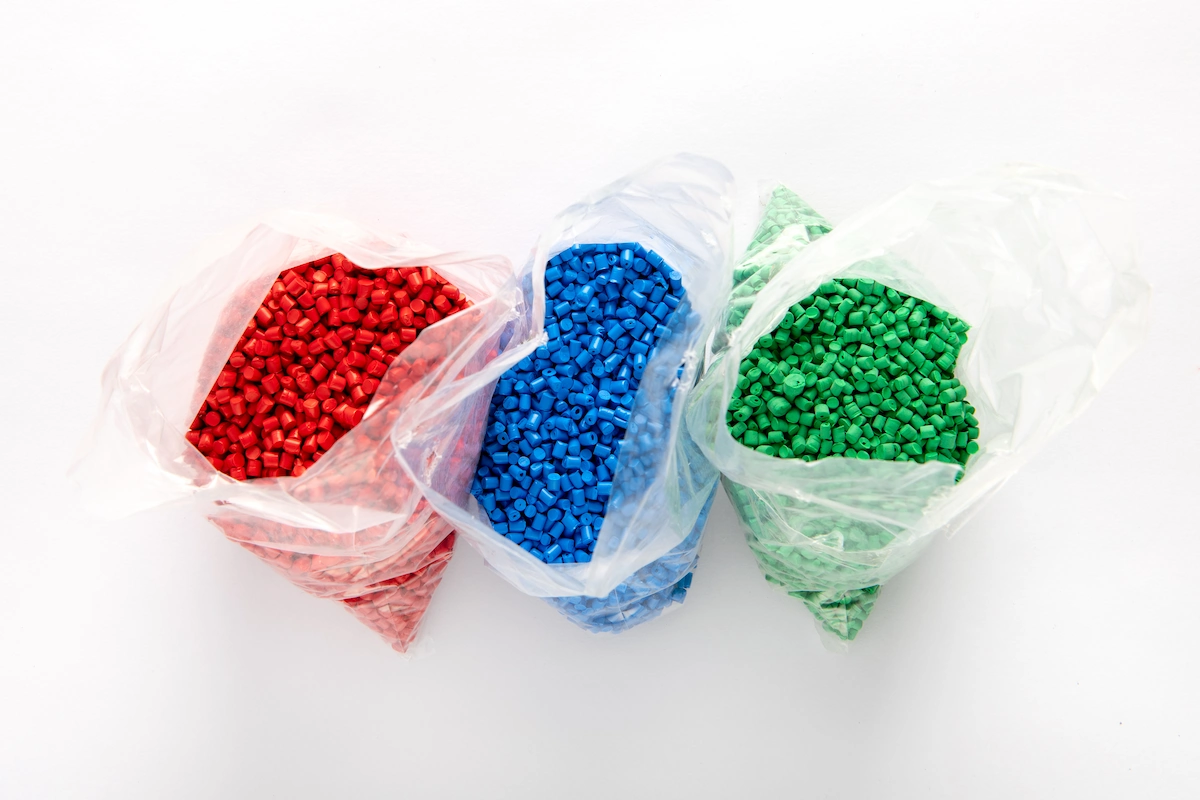
Thermoplastics are a group of polymers formed from monomers that combine to form long chains through a process called polymerization. A single polymer chain can consist of thousands of monomers. The longer the polymer chain, the heavier the molecular weight. The heavier the molecular weight, the more rigid the material.
Thermoplastic polymer chains are divided into two types, namely spherulites and amorphous. Spherulites are polymer chains with several short side branches, forming regular crystalline regions.
Although these polymers have crystalline regions, spherulites also contain amorphous regions, making them semi-crystalline. Examples of semi-crystalline polymers are polypropylene (PP) and polyethylene (PE).
On the other hand, amorphous polymers are polymer chains with large side branches that prevent them from forming regular structures. You could say that amorphous polymers resemble cooked spaghetti. Examples of amorphous polymers are polystyrene (PS) and polyvinyl chloride (PVC).
One of the commonly known characteristics of thermoplastics is that they melt when heated and harden when cooled. This characteristic makes thermoplastics easy to shape into various products.
Interestingly, this property can be repeated many times, even when the molecular structure does not change much. As a result, thermoplastic products are usually easy to recycle.
Regarding PP, PE, and PVC, Chandra Asri Group, as #YourGrowthPartner, offers industrial-standard chemical solutions for manufacturing needs. In addition to these three plastic materials, we also provide styrene monomer, alkali chlorine, MTBE, and so on.
In addition to Chandra Asri Group, our Singapore-based subsidiary, Aster, also provides ethylene, HDPE, propylene, and other industrial chemicals.
Aster has a crude oil processing plant with a capacity of 237 thousand barrels per day and an ethylene cracking complex. We always strive to provide the best products and services to meet your company's needs.
Read also: What Is Plastic Made of? Here Are the Materials & Process
Examples of Thermoplastics
There are many examples of thermoplastics used in various industries. The list is as follows:
- Polystyrene (PS): Used for styrofoam, toys, packaging, and food containers.
- Acrylic: A plastic substitute for glass in eyeglass lenses, LCD screens, and furniture.
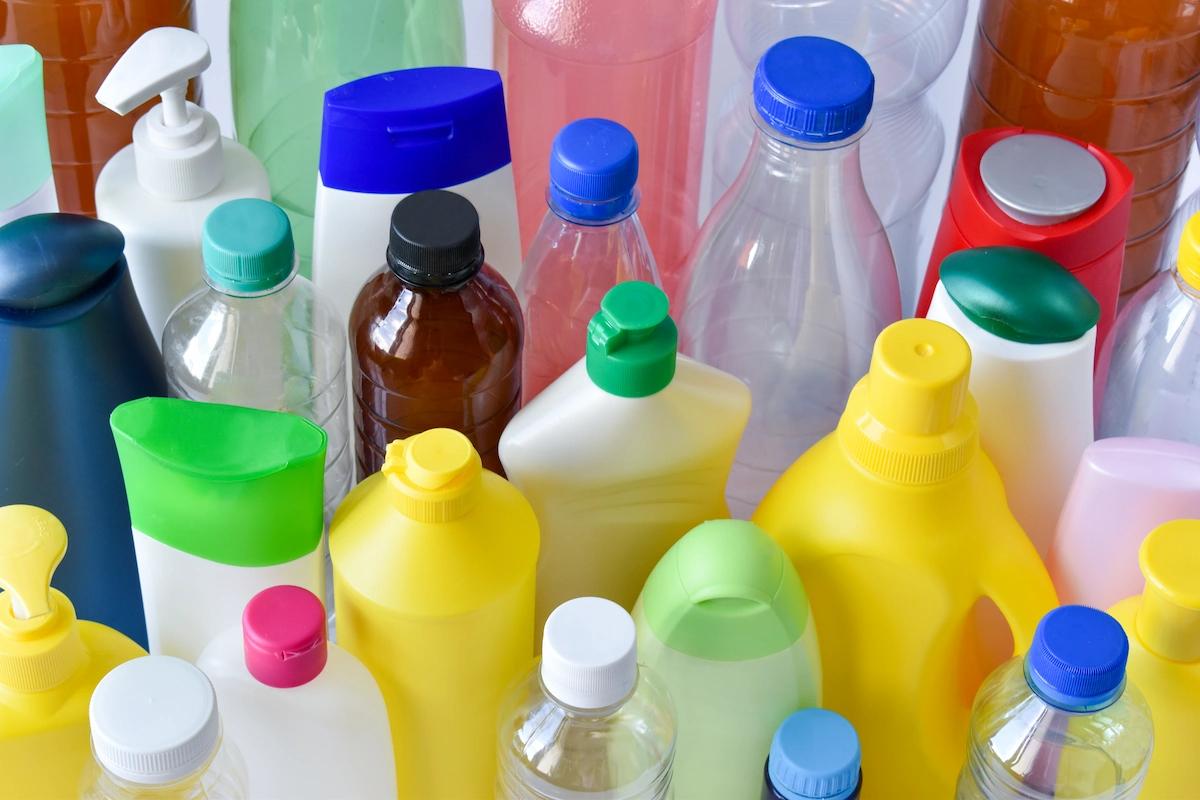
- Polyethylene (PE): Used for plastic bags, plastic bottles, toys, and outdoor equipment.
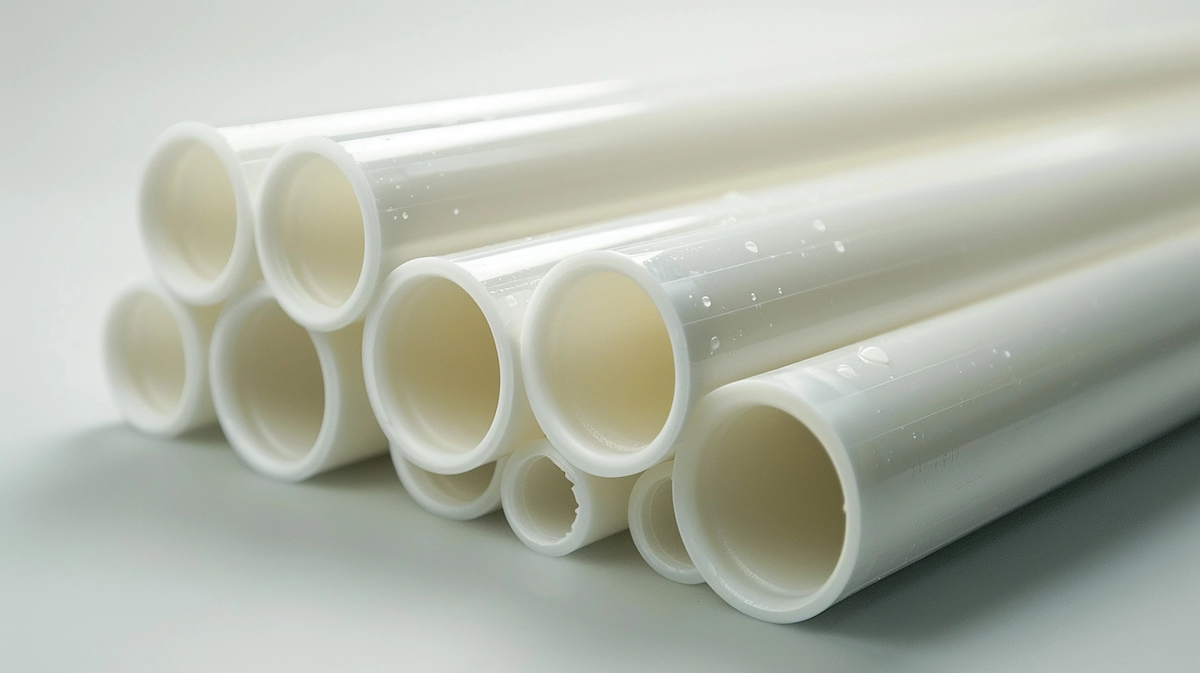
- Polyvinyl chloride (PVC): Used for water pipes, cable insulation, and window frames.
- Polyamide/Nylon: Synthetic fibers for making ropes, fishing nets, tents, and clothing.
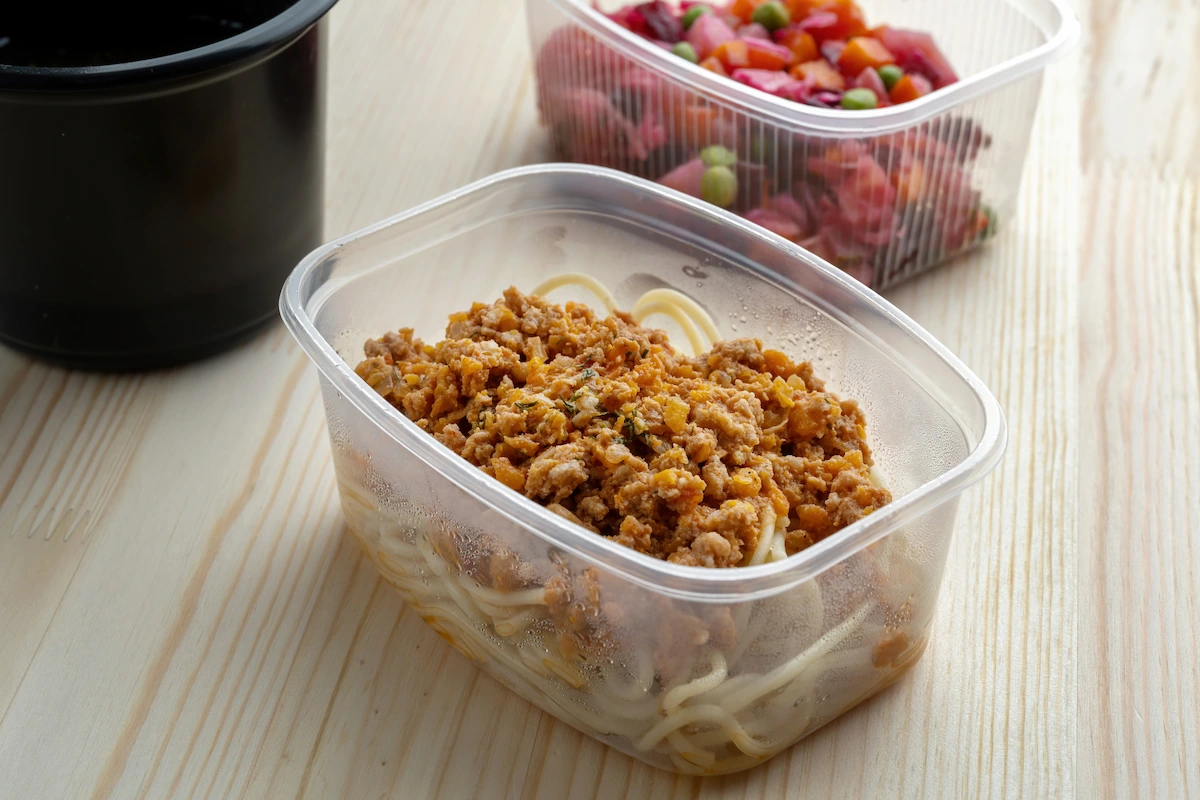
- Polypropylene (PP): Useful for making plastic packaging, machine components, and food containers.
- Polytetrafluoroethylene (PTFE): Material used to make nonstick pans, self-cleaning ovens, and waterproof clothing.
- Polycarbonate (PC): Used to make DVDs, electronic components, eyeglasses, and personal protective equipment (PPE).
Advantages of Thermoplastics
Thermoplastics have several advantages, one of which is their versatility, allowing them to be used to make a wide variety of products. Here are some of the advantages of thermoplastics that you should know:
- Have broad characteristics, allowing them to be shaped and reused to make new items.
- More resistant to chemicals and impact, making them suitable for products that require strength.
- Non-slip.
- Corrosion-resistant.
- Aesthetically pleasing and high quality.
- Lightweight.
- Strong.
- Impact resistant.
- Flexible.
- Easy to recycle.
- Good electrical insulators.
Besides these advantages, you should also be aware that, because they melt and harden easily with temperature changes, products made from poor-quality thermoplastics can become soft when exposed to heat.
This also applies to exposure to cold, which may cause the product to crack. That is why, in some cases, thermoplastic products are more expensive than thermosets to ensure good quality and resistance to temperature-induced changes.
Read also: Ethylene: Characteristics, Applications, Functions, & Types
The Difference Between Thermoplastics and Thermosets
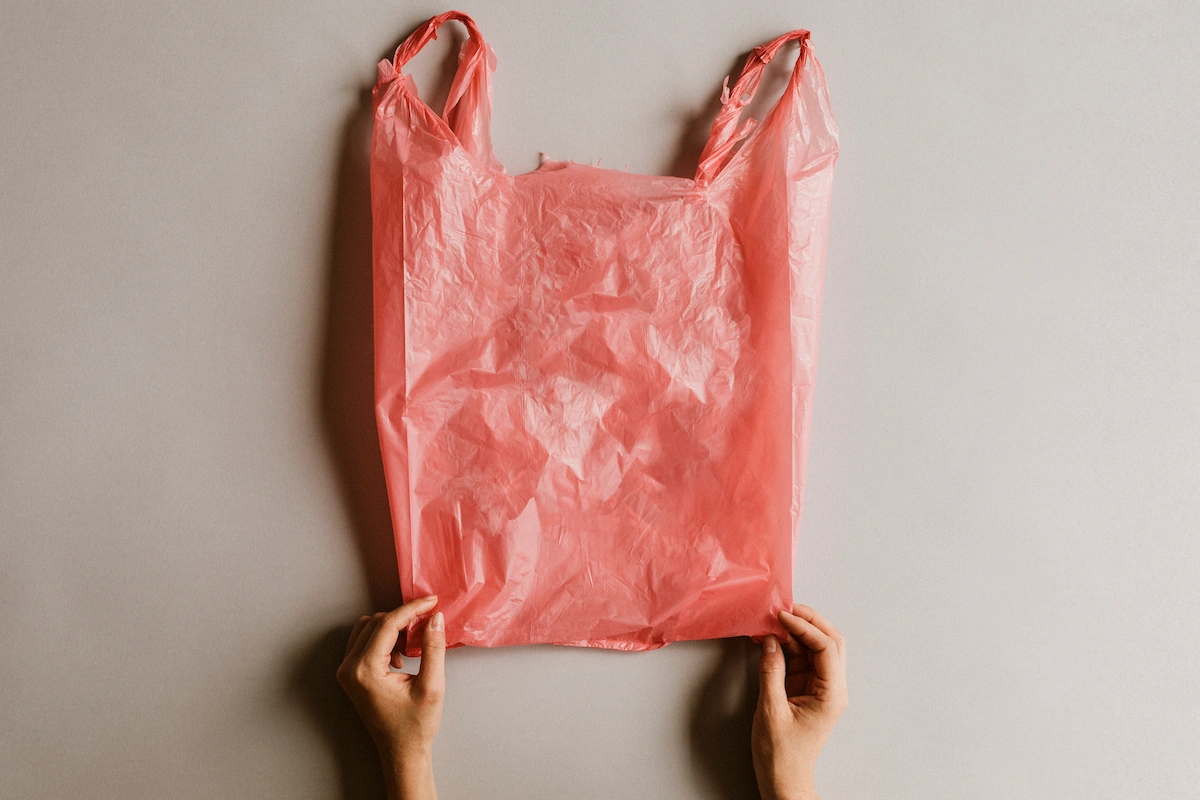
When talking about thermoplastics, you may also hear about thermosets. Both are plastic polymers, but they have different characteristics.
The most striking difference is their melting points. Thermoplastics have a lower melting point than their degradation temperature, making them more prone to melting when exposed to heat. Meanwhile, thermosets have a higher boiling point, making them more resistant to high temperatures.
However, it is this low melting point that makes thermoplastics easy to recycle, while thermosets are more difficult to reprocess. Thermoplastics can be melted, shaped, and turned into new products. On the other hand, when thermoset products are heated, they do not melt easily.
Furthermore, in terms of structure, thermoplastics have linear molecular chains with weak intermolecular bonds, while thermosets have strong bonds and a cross-linked structure. In addition, thermoplastics are flexible and quite elastic, while thermosets are more rigid.
That concludes the information on polymers, including their differences from thermosets, their characteristics, and examples. Thermoplastics are one of the most important industrial raw materials. Their high level of flexibility makes them widely used in various industries, such as construction, food, and medicine.
If your company needs industrial chemicals, leave it to Chandra Asri Group and Aster! Contact us now!
Read also: Plastic Asphalt in Indonesia, Here Are the Benefits
.png&w=3840&q=75)