
20-05-2026
What Is Pyrolysis? Learn About Its Uses and How It Works
By Chandra Asri Group Editorial Team
These days, various waste-processing technologies have emerged to transform waste into valuable products, one of which is pyrolysis. Essentially, pyrolysis is the process of decomposing materials without combustion. Want to learn more about this waste-processing solution? Read this article to the end!
What Is Pyrolysis?
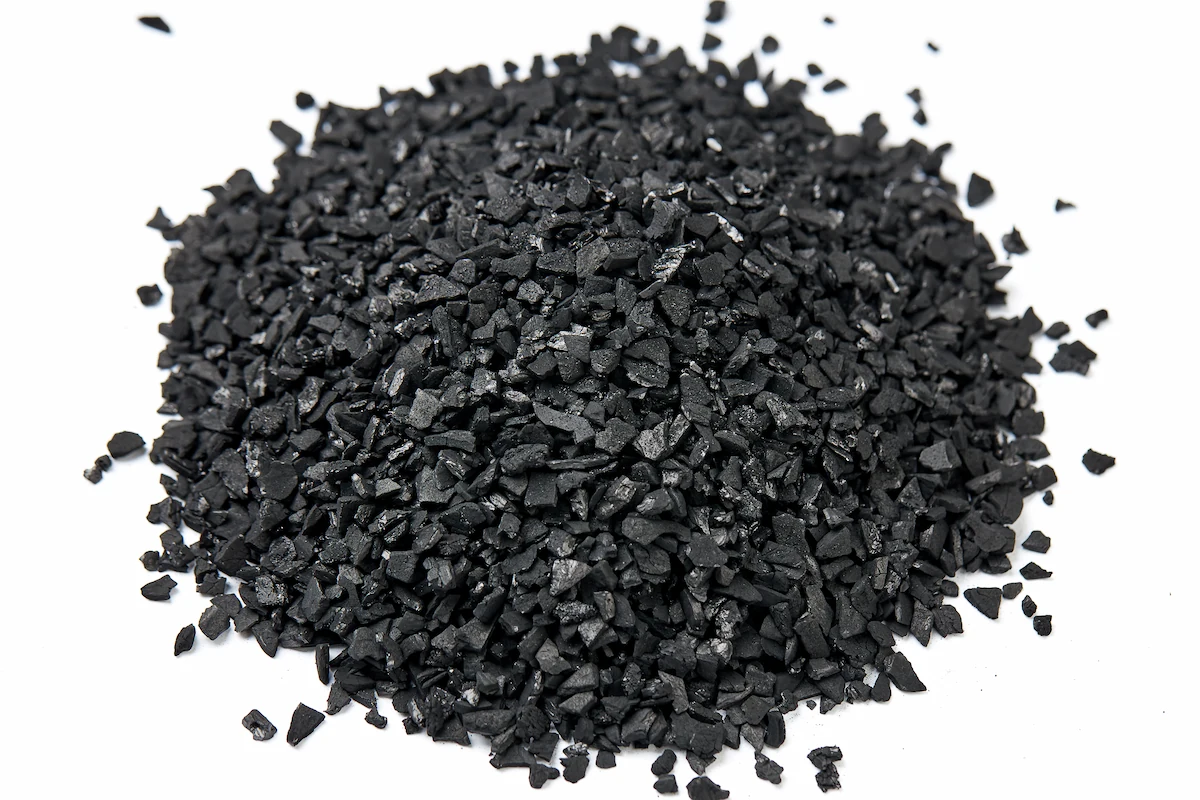
Pyrolysis is the process of heating materials at high temperatures without combustion or oxygen. The temperatures used range from 300°C to 900°C.
This heating process produces three products, that is gas, oil, and charcoal (biochar). All three can be utilized as fuel sources and as additives in chemical processes.
Since there is no oxygen involved in the process, the materials do not burn even when exposed to high temperatures. The proportions of the final products can also be controlled by adjusting the temperature.
Lower temperatures produce more biochar, while higher temperatures generate more oil and gas. Pyrolysis methods have long been applied in the chemical industry, but their use has now expanded to waste management by converting waste into valuable products.
A study published in the journal Environmental Science and Pollution Research explains that pyrolysis has become a “trend” recently due to its flexibility and efficiency in producing a combination of liquid, gas, and solid products.
The pyrolysis method can be used to process various types of waste, such as biomass, sewage sludge, used cooking oil, and municipal solid waste (MSW). Thus, this method can be considered a fairly versatile breakthrough in waste management technology.
However, the pyrolysis process cannot break down inorganic materials such as metals. Nevertheless, these metals can be converted into inert substances (substances that do not easily react with other substances).
Read also: Synthetic Materials: Characteristics, Types, and Examples
How Pyrolysis Works
Pyrolysis converts organic materials into gas, solids (ash and carbon), and pyrolysis oil (bio-oil). This process relies on two main methods, which are decomposition and separation.
In the decomposition process, organic contaminants are broken down into substances with lower molecular weights. Then, in the extraction stage, these molecules are separated from the contaminated material.
Pyrolysis is not only used for waste processing, but also to extract substances from objects, remove organic contaminants from oily sludge and soil, and produce biofuel from organic waste and trash.
One example of a pyrolysis application is in the processing of scrap tires. This process breaks down scrap tires into more useful components so they do not pollute the environment when discarded.
The tire pyrolysis process produces gas, oil (for fuel), and carbon black (used as a filler material in new rubber products).
Uses of Pyrolysis
Pyrolysis is a chemical process that can be used for various purposes, including:
1. Waste Treatment
Nowadays, pyrolysis is often used to process the mounting piles of waste accumulated in landfills, particularly inorganic waste that cannot easily be decomposed by microorganisms.
This waste is converted into oil or other chemical components, which serve as raw materials for manufacturing new products or for other chemical processes.
2. Soil Fertilization
Charcoal produced through the pyrolysis process can capture carbon in the soil while retaining nutrients and water, thereby enhancing soil fertility.
3. Generating Energy
The pyrolysis process produces gas that can be used as an energy source for various industries. Its most common use is as fuel for heating or drying systems.
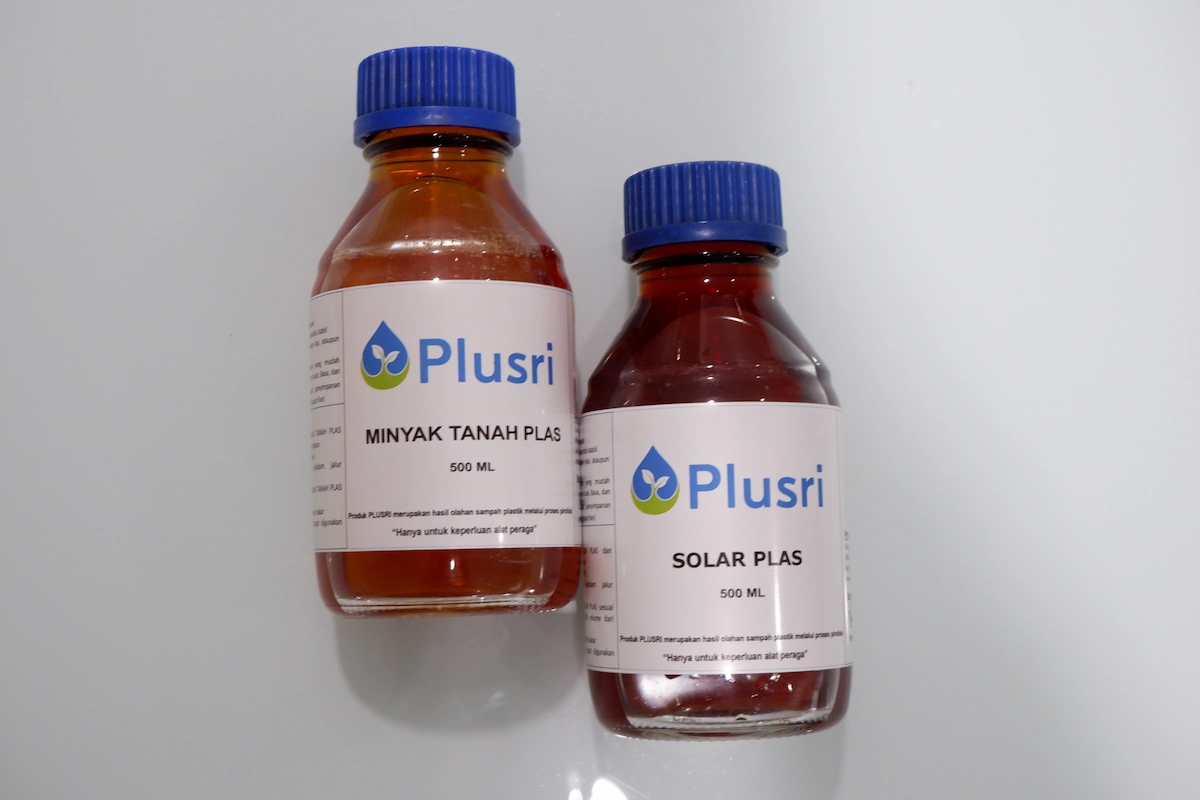
In addition to gas, this process also produces oil that can be used as fuel. One example of its implementation can be seen at Chandra Asri Group.
Chandra Asri Group, as #YourGrowthPartner, introduces PLUSRI, an alternative fuel innovation derived from the pyrolysis of plastic waste. This oil has been used by the MSMes and local industries as a substitute for diesel and kerosene.
In 2025, this leading chemical, energy, and infrastructure solutions company in Southeast Asia introduced Batik Krakatoa Cilegon, which has established PLUSRI oil in its production process as a fuel.
This innovation demonstrates Chandra Asri Group’s commitment to building a waste management ecosystem based on the circular economy and delivering alternative products that provide benefits to society.
Read also: Petrochemical Product Classification & Their Industrial Uses
Types of Pyrolysis
There are three types of pyrolysis, categorized by temperature and processing time, which is slow, fast, and flash. Here is the detailed explanation of each type:
1. Slow Pyrolysis
This pyrolysis process uses a heating rate of around 0.1–2 degrees Celsius per second and operates at temperatures of nearly 500 degrees Celsius. The characteristics of slow pyrolysis include long solid and gas residence times, a slow heating rate, and relatively low temperatures.
Slow pyrolysis produces biochar and tar as the biomass loses volatile components, such as water and gases.
2. Fast Pyrolysis
Fast pyrolysis is used to produce pyrolysis oil and gas. During the process, the biomass is rapidly heated to temperatures of 650–1,000 degrees Celsius, depending on the amount of oil and gas to be produced.
3. Flash Pyrolysis
This process occurs at an extremely high heating rate with a moderate temperature range of 400–600 degrees Celsius. The vapor residence time in this process is less than 2 seconds. Flash pyrolysis produces less gas and tar compared to slow pyrolysis.
Equipment Used for Pyrolysis
There are several pyrolysis machines used to heat materials, such as:
- Reactor: Holds the raw material to be heated.
- Heater: Heats the reactor to the desired temperature.
- Condenser: Cools the vapor from the reactor heating process.
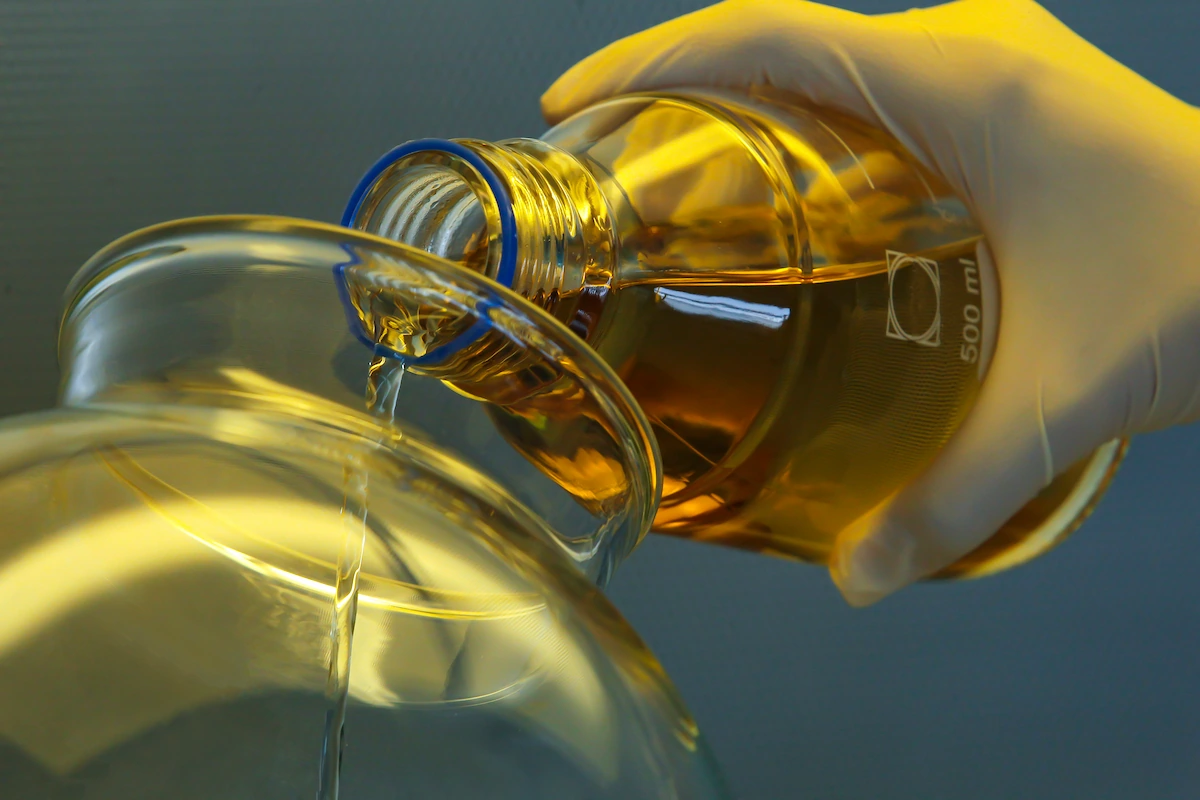
- Tank: Holds the pyrolysis oil produced during heating.
- Control system: Controls the temperature, gas flow, and pressure in the reactor.
Chandra Asri Group, the Trusted Industrial Chemical Solutions
In addition to PLUSRI pyrolysis oil, Chandra Asri Group also provides industrial chemical solutions for various businesses, ranging from raw materials for plastics, rubber, caustic soda, and more.
Furthermore, Aster, a Singapore-based subsidiary of Chandra Asri Group acquired jointly with Glencore, also provides a wide range of petrochemical raw materials for the industry, including ethylene, styrene, propylene, and many more. To get the best offer, contact us now!
Read also: Plastic Asphalt in Indonesia, Here Are the Benefits
.png&w=3840&q=75)