
29-04-2026
Understanding Plasticizers & Their Use in Various Industries
By Chandra Asri Group Editorial Team
When manufacturing plastic products, you not only learn about plastic raw materials but also about their additives. Plasticizers are additives mixed into polymers to make the product flexible and impact-resistant.
This article covers what plasticizers are used for, how they actually function, and the various types you will come across. Read on to find out more!
What Is a Plasticizer?
A plasticizer is an additive added to polymers, such as polyvinyl chloride (PVC), to make them softer. This low-volatility substance can also be added to rubber, concrete, and cellulose-based products to enable them to be shaped into various products.
Plasticizers serve to increase flexibility and reduce surface friction, allowing products to be molded and shaped.
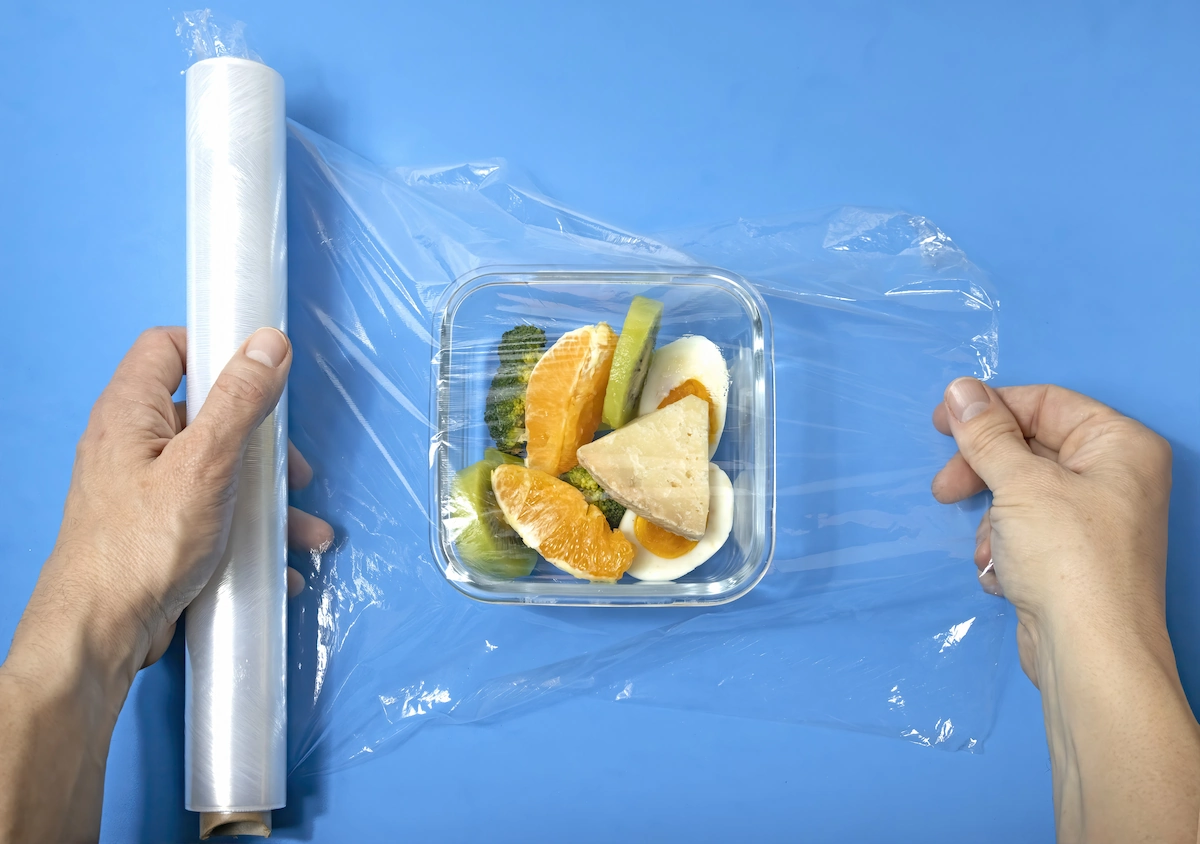
These substances are typically used to create soft and flexible products, such as food packaging, toys, and squeeze bottles. Without them, these products would break when pressed or pulled.
Although the plastic becomes softer, the product does not lose its strength. The product remains sturdy while exhibiting increased flexibility and thermoplasticity (the ability to be shaped and processed using various methods). Moreover, the product can remain usable over the long term and is highly durable.
In the manufacturing industry, companies must be able to select the right plasticizer with the ideal quality. There needs to be a consideration of compatibility, plasticity efficiency, resistance to various conditions, and electrical insulation properties.
The selection of plasticizers is crucial for producing plastic products that meet the needs of various industries, including pharmaceutical, medical, construction, and other sectors.
Read also: What Is Plastic Made of? Here Are the Materials & Process
How Plasticizers Work
Plasticizers increase material flexibility by lowering the Glass Transition Temperature (Tg). Tg is the temperature at which a polymer material transitions from a hard, brittle state, like glass, to a soft, elastic state, like rubber.
With the addition of plasticizers, the material remains flexible at lower temperatures. Also, plasticizers improve tensile strength and impact resistance, preventing the material from cracking or breaking easily.
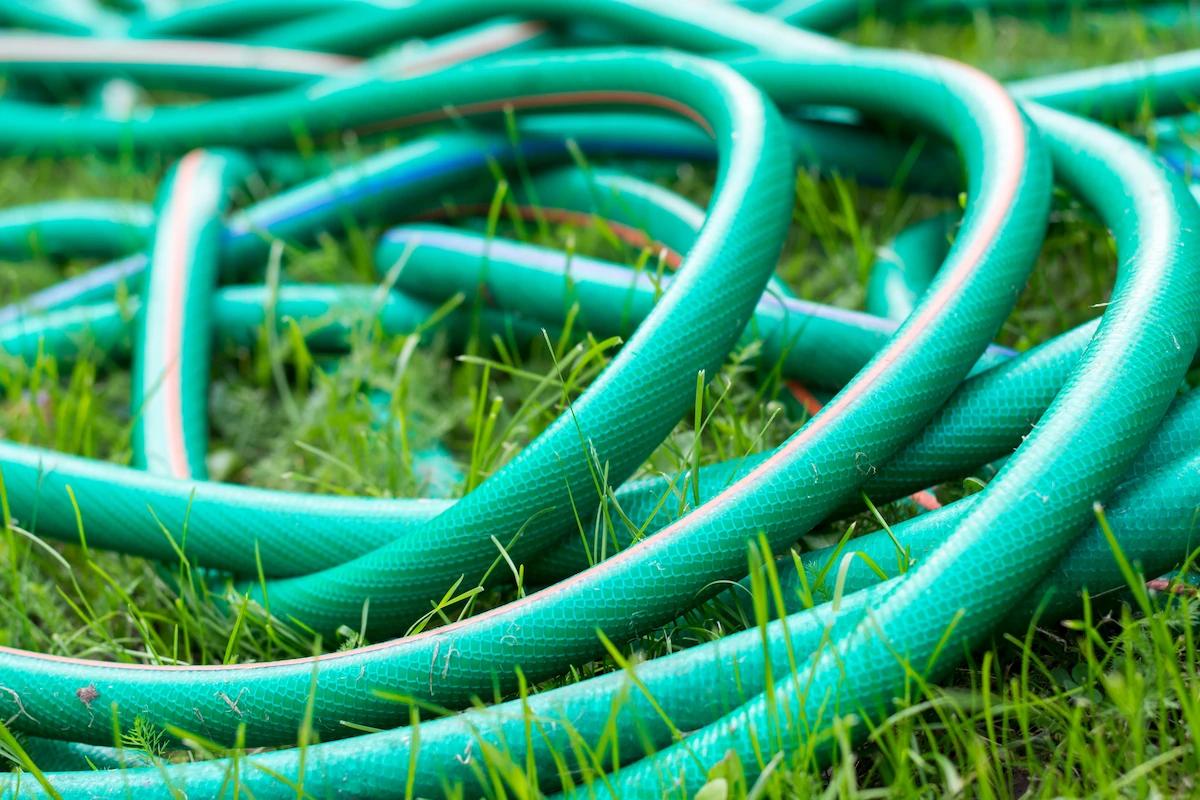
As a result, plastics and rubbers containing plasticizers become more flexible and suitable for various applications, such as manufacturing water hoses and vehicle interior components.
While most plasticizers are used in PVC-based products, they also show up in rubber (such as vehicle tires and shoe soles), synthetic rubber, and other polymers like acrylic, polyethylene, polyurethane, and polypropylene.
Types of Plasticizers
Generally, plasticizers are divided into primary and secondary. Primary plasticizers are used for general purposes, such as improving the softness, flexibility, and moldability of plastics. An example of a primary plasticizer is phthalate.
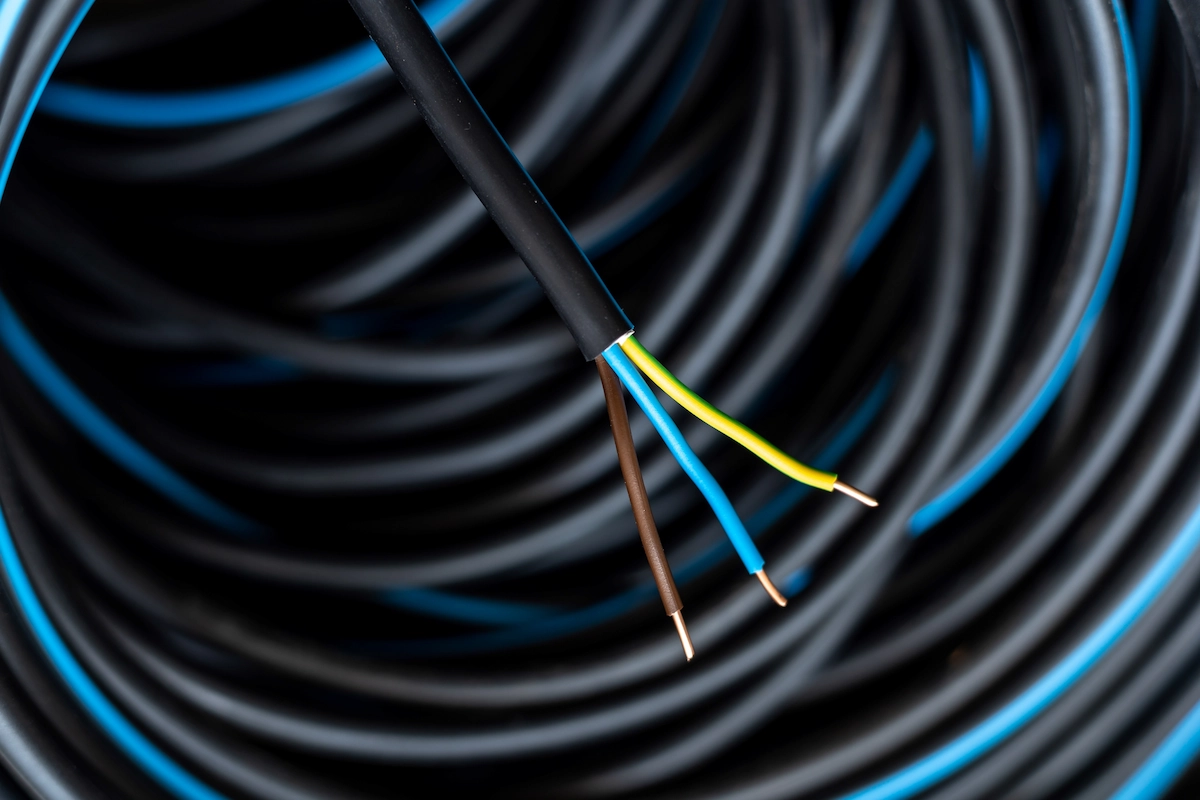
Phthalates are commonly found in PVC products, such as cables, automotive components, and flooring. Some types of phthalates used include diisononyl phthalate (DINP), dibutyl phthalate (DBP), and di(2-ethylhexyl) phthalate (DEHP).
Secondary plasticizers, on the other hand, are substances used to impart specific properties to a product, such as reducing volatility and enhancing resistance to heat and cold. This type of plasticizer is typically non-phthalate, such as di(2-ethylhexyl) adipate (DOA).
Furthermore, plasticizers are divided into four groups, namely phthalates, dicarbonates, phosphates, and fatty acid esters.
Phthalates are used to increase the flexibility of plastics, dicarbonates to form PVC at low temperatures, phosphates to improve flame resistance, and fatty acid esters to increase the flexibility of vinyl and rubber.
Read also: Get to Know Polyethelene, a Flexible Plastic Material
The Use of Plasticizers in Manufacturing

Plasticizers are used in many industries to impart specific characteristics to products, particularly plastics. The functions of plasticizers are to produce the following products:
- Construction sector: Cables, wires, flooring, adhesives, wall coverings, films, sheets, hoses, roofing, pool liners, industrial paints, varnishes, inks, waxes, and cladding.
- Textile sector: Shoes, water-resistant clothing, and outdoor equipment.
- Automotive sector: Car dashboards, vehicle seat covers, vehicle trim, rubber-based components, and vehicle tires.
- Agricultural sector: Irrigation pipes, storage containers, and greenhouse plastic sheeting.
- Food sector: Flexible packaging to preserve food and cling wrap.
- Other sectors: IV tubing, blood bags, and toys.
Plastic Raw Material Solutions for Industry
Plasticizers are substances that play a crucial role in the manufacturing industry by imparting flexibility to plastics and other materials. Their applications are extremely widespread, even found in everyday products.
However, using plasticizers alone is not enough to produce high-quality plastic products. You also need to source the best plastic raw materials.
In this regard, Chandra Asri Group, as a leading energy, infrastructure, and chemical solutions company in Southeast Asia, can provide them to you!
As #YourGrowthPartner, we offer a wide range of plastic raw materials and other chemicals.
Additionally, our Singapore-based subsidiary, Aster, supplies chemicals to the international market, including those used in plastic production.
Aster operates on a site spanning more than 60 hectares, which includes an oil refinery processing 237,000 barrels of crude oil per day, an ethylene cracker with a capacity of 1.1 million metric tons per year, and other downstream chemical assets.
Do not hesitate to entrust your company’s industrial chemical needs to us! Contact us now to discuss your requirements.
Read also: Understanding Thermoplastics, Their Characteristics, & Uses
.png&w=3840&q=75)