
Hydrogenation: Process and Functions in Various Industries
By Chandra Asri Group Editorial Team
27-01-2026
There are many chemical reactions that can be applied to manage hydrocarbons, one of which is hydrogenation. Hydrogenation is a chemical reaction in which hydrogen reacts with other components.
What is the role of hydrogenation in the industrial setting, and what are the products that can be produced from this chemical reaction? Read the explanation in the article below!
What Is Hydrogenation?
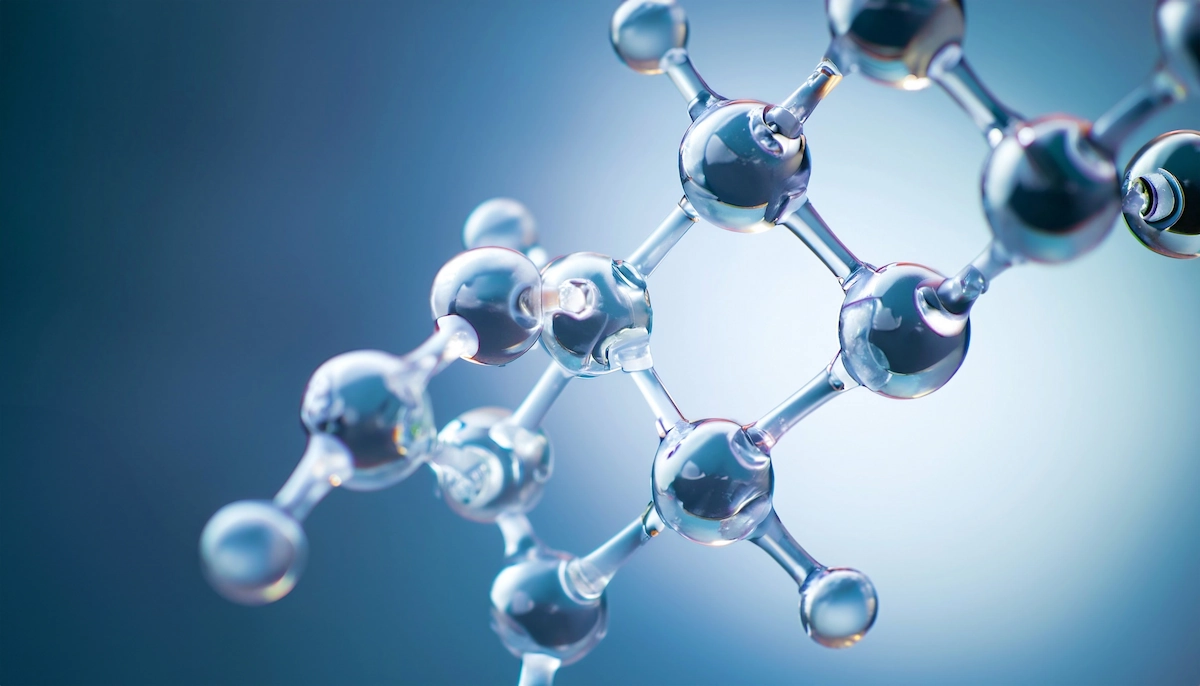
Hydrogenation is the process of adding hydrogen to other components for reactions. In petroleum refineries, hydrogen is added to unsaturated hydrocarbons to produce more stable products with fewer aromatic components.
Hydrogenation involves adding hydrogen to a double or triple bond that connects two atoms in a molecule. This process is done with catalysts. Common catalysts for hydrogenation include nickel, palladium, and platinum.
These catalysts will accelerate reactions between hydrogen and other components. As a result, a molecular dissociation or separation. This is also known as hydrogenolysis or destructive hydrogenation.
Hydrogenation also occurs when a hydrogen atom is bound to an unsaturated bond, forming a saturated bond. Hydrogenation is the most important chemical process across various industries, including the petrochemical, pharmacy, and food industries.
The history of hydrogenation development started at the end of the 19th century. A French chemist named Paul Sabatier discovered that metal catalysts can facilitate the addition of hydrogen atoms to other molecules. This discovery earned him a Nobel Prize in Chemistry in 1912.
One example of a hydrogenation reaction is the addition of hydrogen to the unsaturated bond between carbon atoms. This process changes an alkene to an alkane.
In addition, hydrogenation can also be applied to saturate olefins and unstable olefins in gum production (a semi-solid substance with high molecular weight). Gum is typically formed during fuel storage processes, such as for jet fuel and gasoline.
Further, hydrogenation is a highly exothermic reaction, which can release heat to the environment. For instance, in vegetable oil hydrogenation, the resulting heat of reaction can reach 105 kJ/mol.
Read more: What Is Polymerization? Types, Mechanism, and Examples
Processes of Hydrogenation
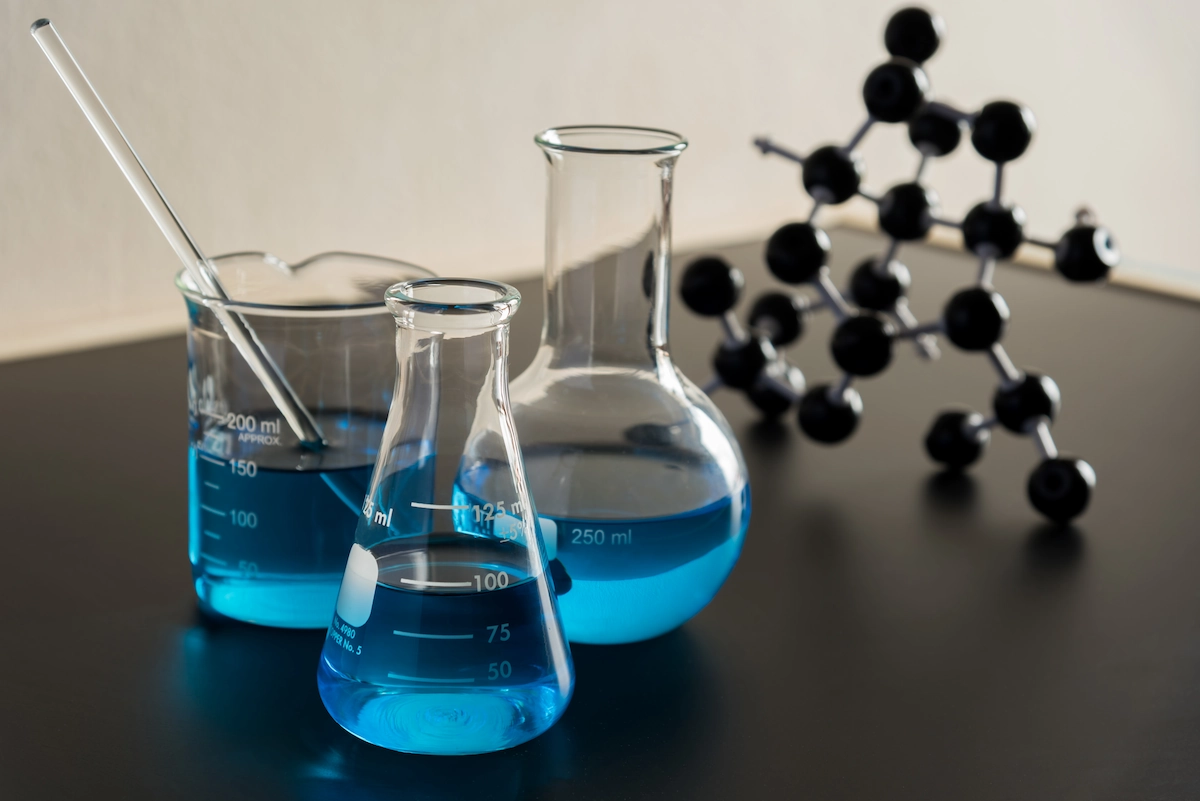
In hydrogenation, you need three components: unsaturated substances, hydrogen, and catalysts. The catalysts will bond hydrogen to unsaturated substances and prevent them from fusing.
A highly active catalyst, such as a platinum-group metal, operates at lower hydrogen temperatures and pressures. There are two types of catalysts in this chemical reaction, namely heterogeneous and homogeneous catalysts.
Heterogeneous catalysts are solids that are suspended in the same solvent as the substances or refined by gas. Meanwhile, homogeneous catalysts are dissolved in a solvent containing unsaturated substances.
In short, the detailed steps of hydrogenation are:
- Metal catalysts catch hydrogen: Metal molecules will “catch” hydrogen molecules, resulting in the separated H=H bond. Therefore, the metal carries two hydrogen atoms.
- Alkene sticks to the metal: Multiple bond substances (alkenes) will stick to the metal as well, where these catalysts will carry hydrogen atoms and the alkenes as well, where they will be near each other.
- The first hydrogen atom moves to the alkene: One of the hydrogen atoms will move from the metal catalyst to one of the alkene's carbon atoms. As a result, the multiple bond is opened.
- The second hydrogen moves to the alkene: The alkene will have at least one multiple-carbon bond (C=C). The first hydrogen has moved to the first carbon atom. Afterwards, the second hydrogen atom will move to the second carbon atom. This will transform the multiple-bond alkene into a single-bond alkene (alkane).
- Metal catalysts can be reused: Substances formed during the reaction can be released from the catalysts, restoring the catalysts to their original condition. Therefore, the catalysts can be reused for the next hydrogenation reaction.
Functions of Hydrogenation
Hydrogenation is a widely used process across a variety of industries to solidify, purify, or preserve products. The most popular hydrogenation product is vegetable oil. This process turns vegetable oil into solid fat or almost solid fats.
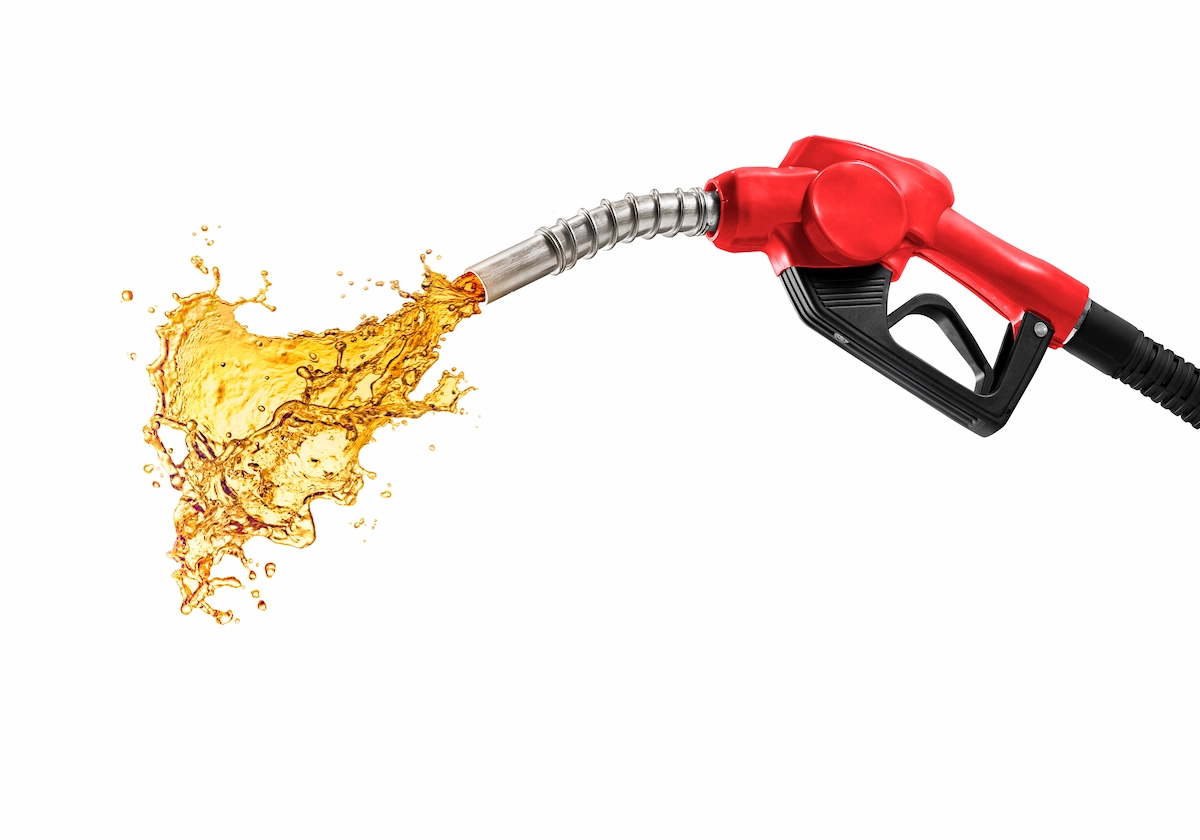
Moreover, this chemical reaction is also applied in the petrochemical industry, particularly in a process known as hydrocracking. Hydrocracking is a process that breaks the long hydrocarbon chains in crude oil to produce lighter products, such as jet fuel, diesel, and gasoline.
Some other examples of products resulting from hydrogenation include alcohol, ammonia, margarine, hydrogen peroxide, chlorinated hydrogen, pharmacy products, and polyol.
Read more: What Is Distillation? Its Types and Crude Oil Distillation
The Best Industrial Chemical Solutions
Hydrogenation is one of the important chemical reactions in the production of industrial products, including fuels such as gasoline and diesel.
Regarding fuels, you can entrust the raw material needs of the energy industry to Chandra Asri Group and Aster!
Chandra Asri Group, as #YourGrowthPartner and a renowned chemical solutions provider in Southeast Asia, provides butene-1 for the production of 1,2-butylene oxide, methyl ethyl ketone (MEK), maleic anhydride, and n-butyl derivatives. In addition, we provide methyl tert-butyl ether (MTBE) for octane boosting in gasoline, as well as raffinate-2.
Moreover, Aster, a subsidiary of Chandra Asri Group based in Singapore, also provides chemical substances for MTBE production, namely raffinate-1 and other products.
Entrust your company’s chemical industry materials to Chandra Asri Group and Aster!
Read more: 9 Petroleum Products You Must Know, from Gasoline to Naphtha
.png&w=3840&q=75)