
29-06-2026
Understanding Refuse-Derived Fuel: Clean Energy from Waste
By Chandra Asri Group Editorial Team
As technology continues to develop, many alternative energy options are emerging, one of which is refuse-derived fuel (RDF). This innovation was developed to address problems in urban or industrial waste management by converting waste into fuel.
This article will discuss RDF's contribution to the environment and its benefits. Let’s read to the end!
What Is Refuse-Derived Fuel (RDF)?
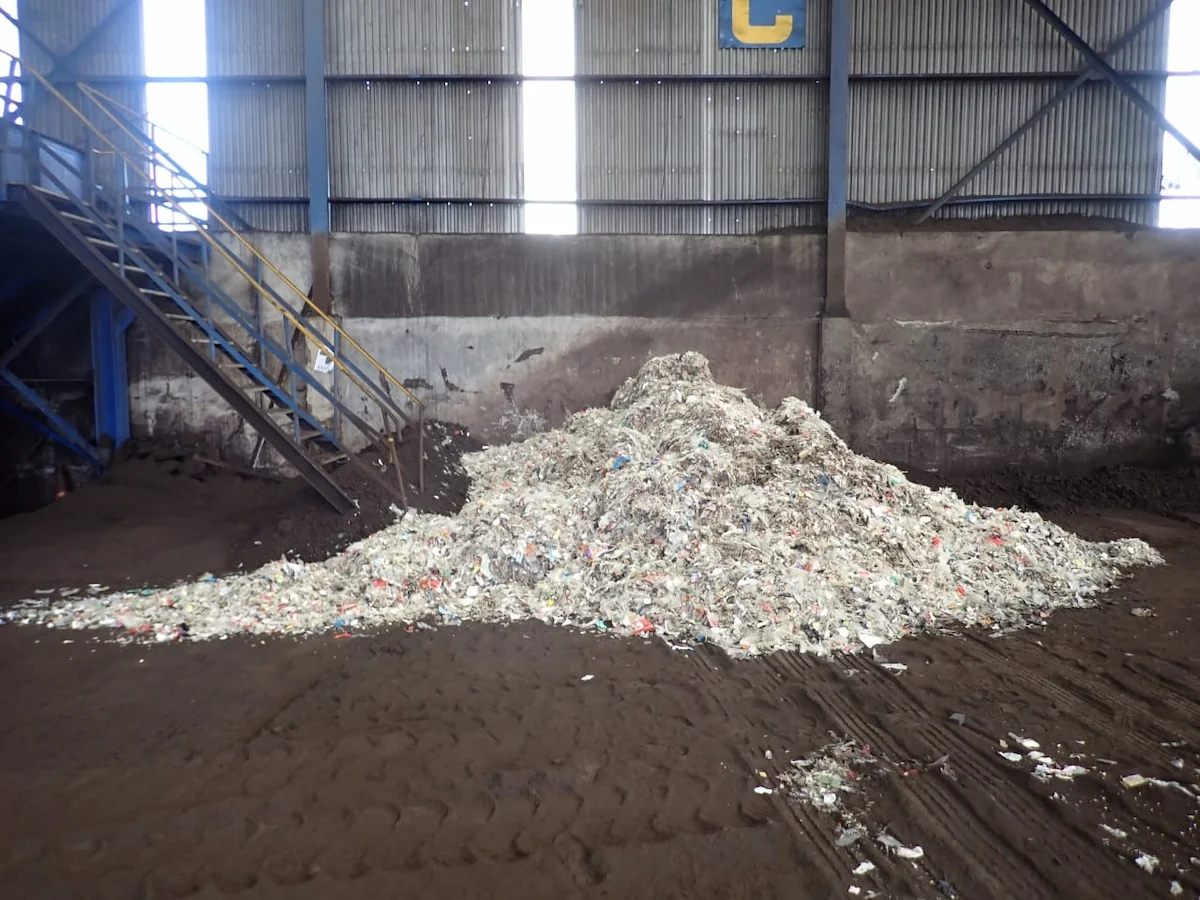
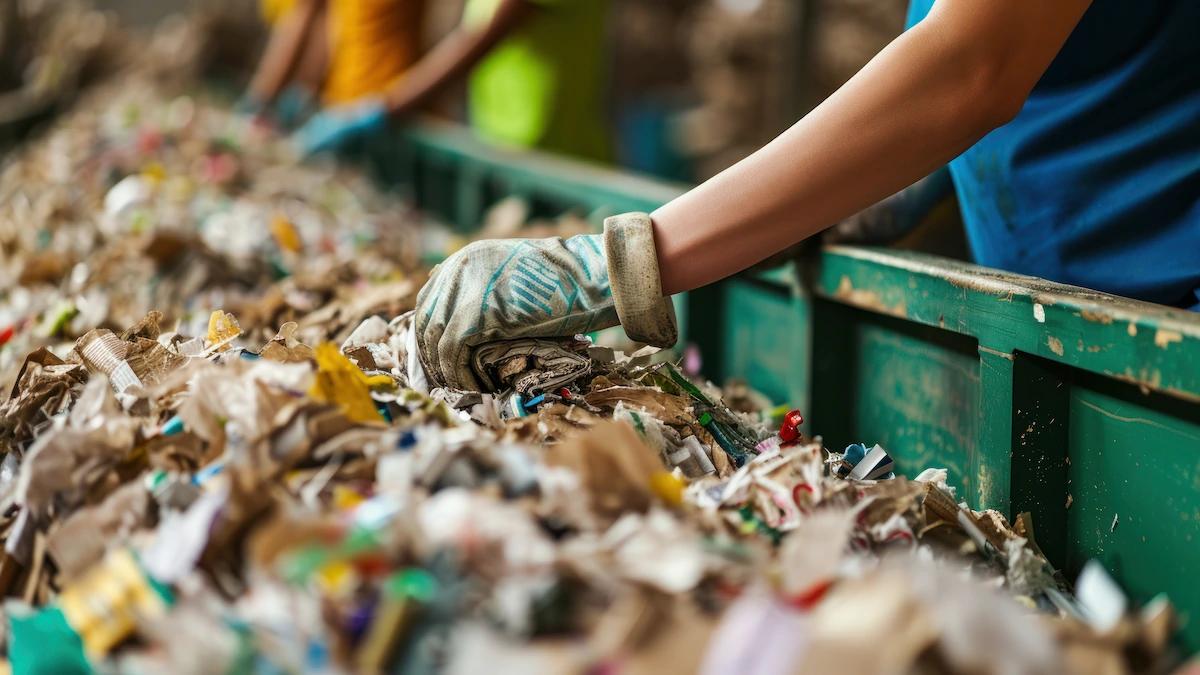
Refuse-derived fuel, or RDF, is a type of fuel processed from various combustible waste materials. This waste can come from household activities, industrial operations, and construction projects.
RDF is produced through a series of processes. First, waste is collected and sorted by type. Then, waste can be shredded into smaller pieces. Then, the shredded waste is dried and compacted.
RDF has been adopted by major industries, such as factories and power plants. As one of the leading industrial players, Chandra Asri Group has developed and implemented RDF.
Being a prominent chemical, energy, and infrastructure solutions company in Southeast Asia, Chandra Asia Group utilizes refuse-derived fuel (RDF), produced from processed waste, as an alternative fuel for co-firing in coal-fired boilers at its Pulo Ampel Site Office.
The implementation of cofiring RDF is estimated to reduce carbon emissions by approximately equal to 29 tons of carbon dioxide. The use of RDF supports the industry's commitment to a clean energy transition.
When discussing RDF, the alternative fuel is often compared to solid recovered fuel (SRF). The differences rely on the levels of its purity.
SRF undergoes more advanced purification and is typically produced to meet industry specifications. On the other hand, RDF does not go through a purification process as extensive as SRF for various uses.
Read also: Sustainability Reports and Publications
Contribution of Refuse-Derived Fuel for Environment and Energy
RDF has one main advantage, which is its positive impact on the environment. Waste can be processed into clean energy, reducing greenhouse gas emissions.
Furthermore, RDF supports the circular economy by reusing waste as valuable resources. So, the waste in landfills is not only reduced but also converted into products with practical and economic value.
RDF can be a solution for industries that rely heavily on traditional energy sources but also seek greener options, given that fossil fuels are nonrenewable and require longer recovery periods.
This alternative energy is widely used around the world. In Europe, RDF is utilized as a fuel source for power generation. Meanwhile, in some countries in Asia and North America, RDF is being adopted, particularly in paper manufacturing and cement production.
Raw Materials for Refuse-Derived Fuel
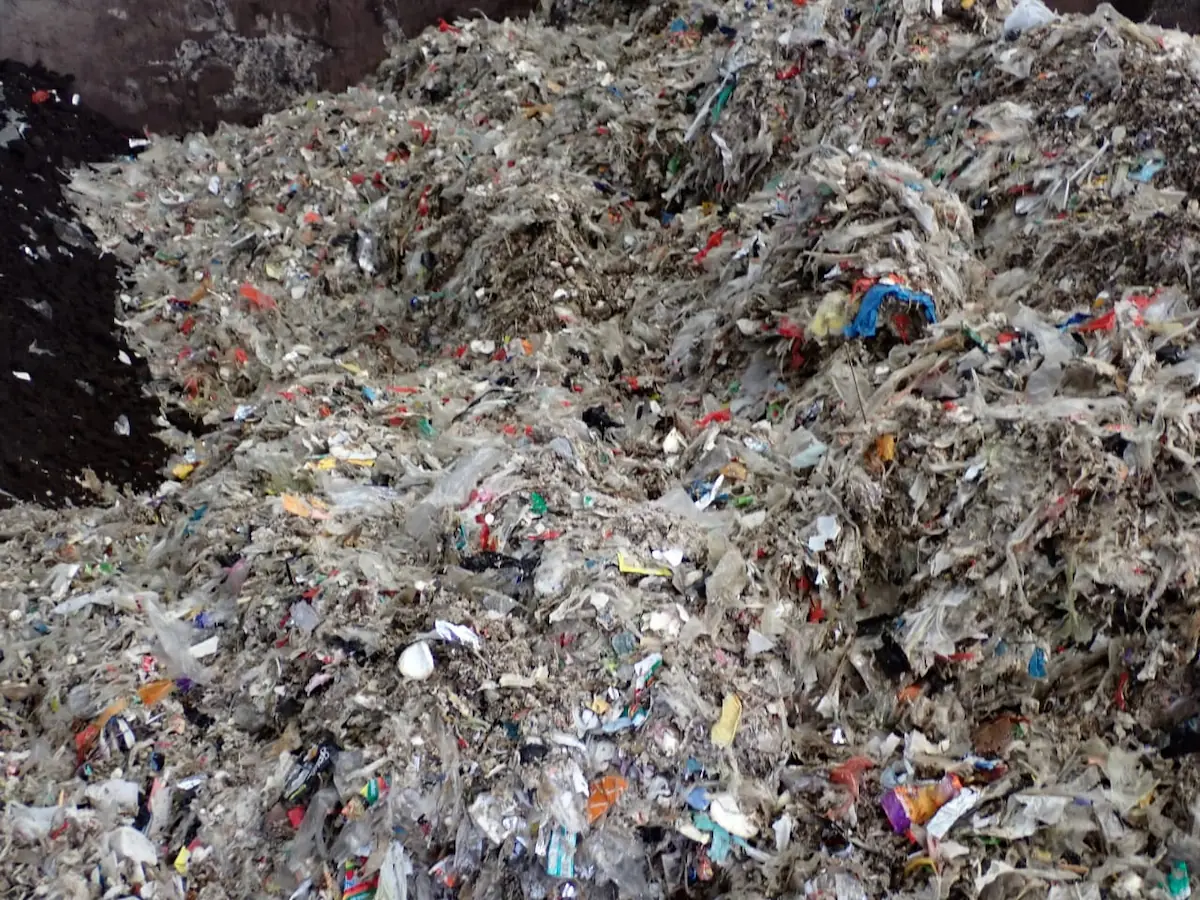
Refuse-derived fuel can be made from various reusable materials. Several common raw materials used are as follows:
- Municipal Solid Waste (MSW). Examples of MSW include food scraps, cardboard, plastic, newspaper, and metal.
- Industrial waste. The examples include wood chips, metal scraps, paper waste, and plastic materials generated during manufacturing.
- Construction and demolition (C&D). Waste produced from building activities or a construction project. The examples include wood, plywood, concrete, and others.
Read also: 9 Plastic Waste Processing Solutions, Effective and Safe!
Benefits of Refuse-Derived Fuel
RDF provides several benefits for the environment and humans, including the following:
1. Reduces Greenhouse Gas Emissions
RDF helps reduce greenhouse gas emissions from excessive fossil fuel consumption and methane emissions from the accumulation of untreated waste in landfills.
2. Manages Waste Efficiently
The main advantage of RDF is its ability to manage waste more efficiently. Waste that accumulates in landfills is shredded and compacted into a source of energy. This can reduce waste in landfills and minimize soil contamination caused by leaching water.
3. Provides Eco-Friendly Energy
Instead of burning waste traditionally, you can process it into RDF. Although the use of RDF still produces emissions, they are generally lower than those of fossil fuels such as coal.
4. Creates New Economic Opportunities
Converting waste to RDF can create new economic opportunities, such as job creation in RDF technology development and waste management. Furthermore, RDF can serve as an innovation in marketable industrial products.
That concludes the information on refuse-derived fuel (RDF) that can be learned. To prevent worsening climate conditions from rising greenhouse gas emissions, we should continue innovating sustainable alternative energy solutions and contribute to environmental preservation.
As #YourGrowthPartner, Chandra Asri Group is also committed to implementing operational practices by managing emissions and wastewater, while adopting RDF to support the transition toward clean energy.
Read also: 8 Ways How to Reduce Carbon Emission with Examples!