
ISM Code: Definition and How to Meet the Eligibility
By Chandra Asri Group Editorial Team
28-01-2026
Have you ever heard about the ISM Code? This regulation is a guide for freight companies in mitigating accident risks. This is because a vessel accident can occur at any time due to various factors.
This article unveils the ins and outs of the ISM Code and its role in the freight industry. So, read this article until the end to learn more about the information!
What Is the ISM Code?
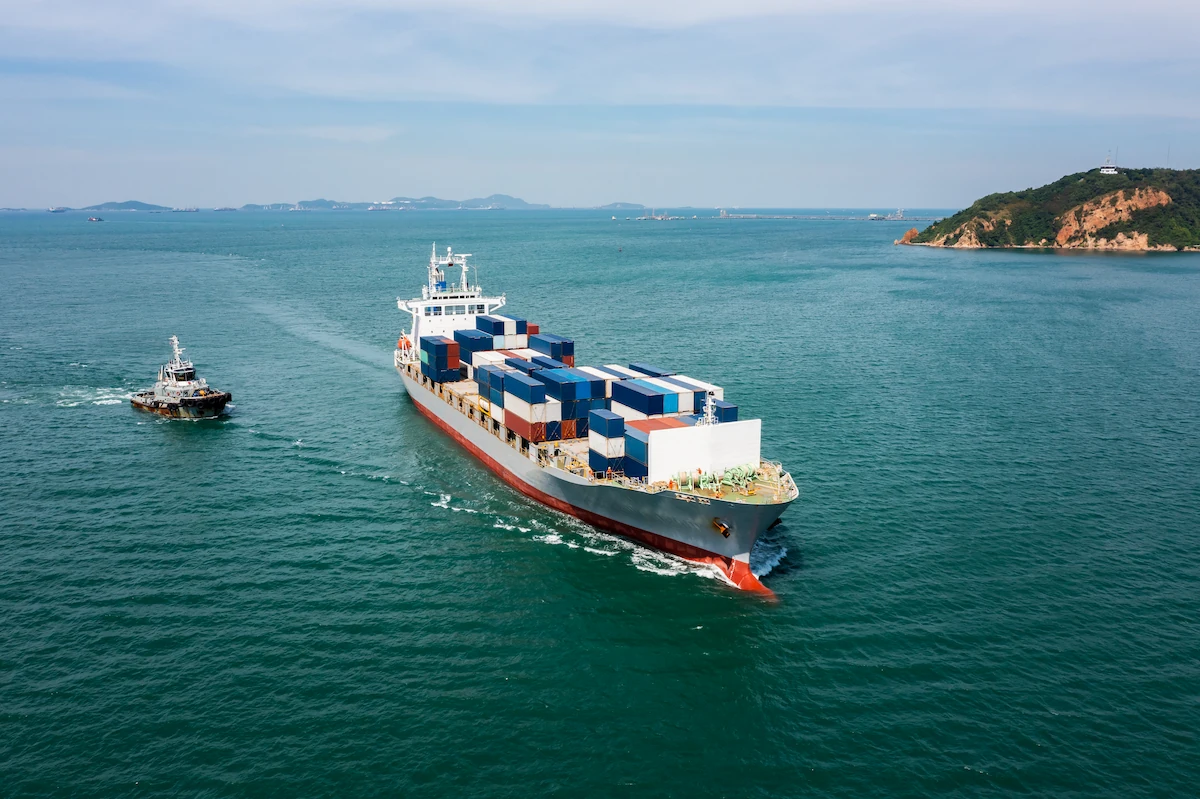
The International Safety Management Code, or ISM Code, ensures the operational safety of vessels and prevents sea pollution owing to seafaring activity.
The ISM Code was first adopted in 1993 through resolution A.741 (18) and came into effect in 1998. The International Maritime Organization (IMO) emphasizes the implementation of these regulations to maintain, ensure, and prioritize maritime safety and prevent pollution.
Some of the things regulated in this regulation are safety at sea, crew safety, injury prevention, and the prevention of the impact of shipping activities on the marine environment.
This policy is issued to address the high number of work accidents and risks in the seafaring industry. The International Labour Organization (ILO) noted that 139 seafarer death cases in 2023 were caused by illness, such as stroke and heart attack.
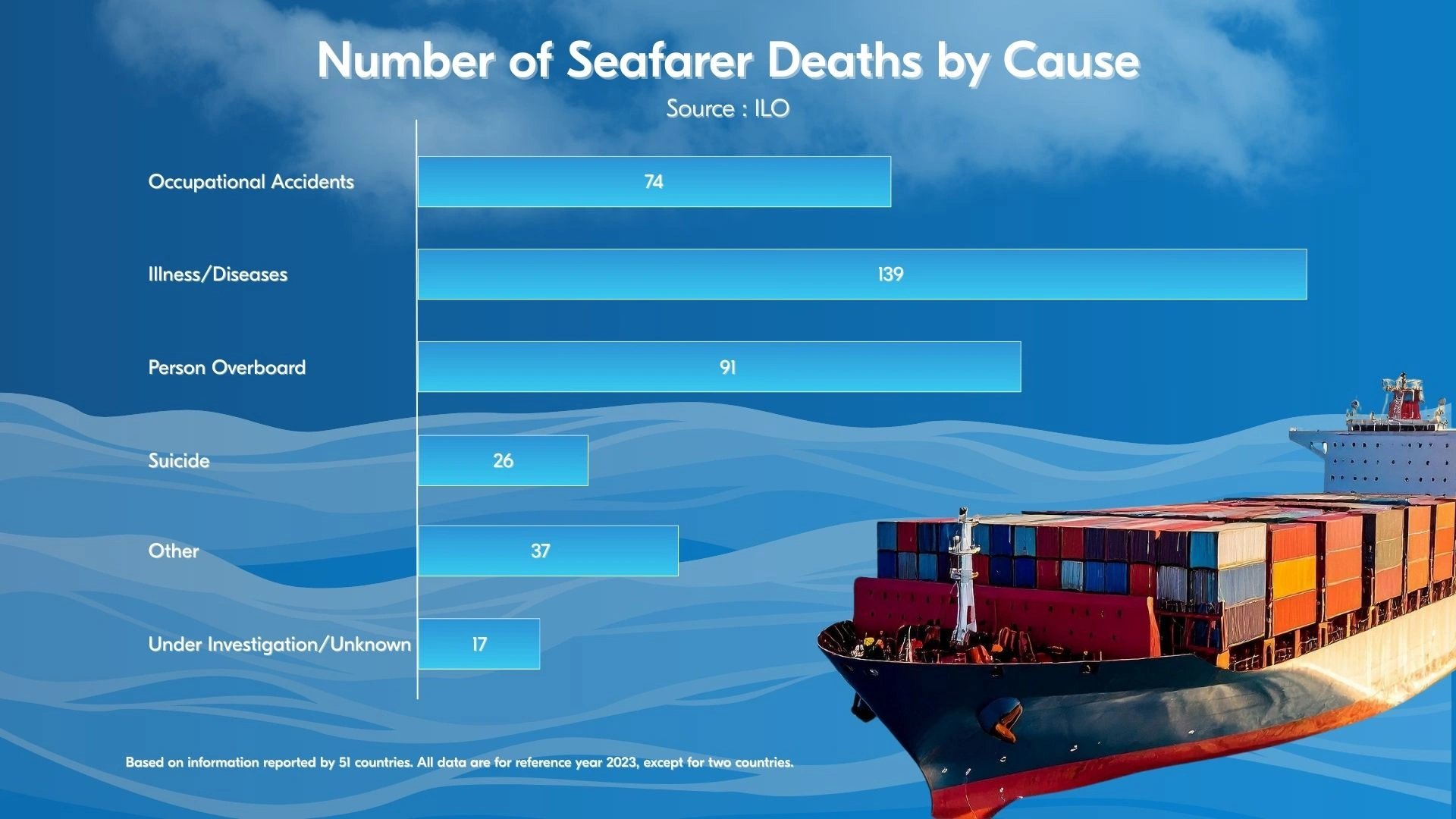
The figures emphasize how challenging working onboard is, in which crews must be ready to face various conditions while finishing their tasks perfectly. Limited medical treatment on board also increases the accident risk.
Moreover, there were 91 cases of seafarers falling into the sea, and 74 collective work accidents happened in 2023. That is why the ISM Code is here to reduce the numbers during the service.
The ISM Code applies to all types of ships, including tankers, containers, chemical and gas vessels, passenger ships, and offshore structures.
Also, the ISM Code applies to ship owners/operators, ship management companies, all the onboard crews, and the countries that have jurisdiction over ships registered under their flag.
This regulation will also indirectly impact parties that provide ship operation services (such as freight forwarders), Port State Control (PSC), and organizations responsible for certifying ships that meet safety standards.
Read also: Bill of Lading: Definition, Function, Types, and Components
Why Is the ISM Code Important?
It is crucial to know that sea freight companies must adhere to the ISM Code requirements in operating vessels. It works to prevent accidents, guarantee safety, avoid material loss, and prevent sea pollution. In depth, here are the purposes of the ISM Code:
- Improving the ship crews' skills on land and at sea (including preparation for emergencies related to pollution and safety).
- Providing environmentally friendly and safe ship operating methods.
- Operating systems that can mitigate the risk of accidents and environmental pollution.
- Ensuring safety at sea.
- Preventing injuries and loss of life.
In addition, every ship operator company that complies with the regulation must have a Document of Compliance (DOC). In Indonesia, it is regulated in Article 169 of Law Number 17 of 2008.
It is explained that vessels that comply with the sea pollution and safety management requirements must acquire a Safety Management Certificate (SMC). Then, the owner or operator must have a DOC.
Those certificates are issued by the official appointed by the minister after an external audit has been conducted by a competent government official or authorized institution.
Read also: What’s a Shipping Instruction and Its Function in Logistics
Articles in the ISM Code
The ISM Code recently had 16 articles regulating the safety management. Here are the components in the ISM Code:
- General: Explains the terms that will be discussed in the ISM Code regulations, objectives, application, functional requirements, and safety management systems (SMS).
- Safety and Environmental Protection Policy: Companies must ensure security across all lines of operation and implement security and environmental protection policies.
- Company Responsibilities and Authority: Explains the administrative obligations and resources that companies must fulfill.
- Designated Persons: Explains the parties who are delegated the authority to monitor safety and environmental risks.
- Master’s Responsibilities and Authority: Explains the captain's responsibilities and ensures that the captain can use his authority to maintain safety.
- Resources and Personnel: Every ship must have reliable and qualified workers. Companies must also provide procedures and training for the crew.
- Shipboard Operations: Companies must provide instructions, plans, and procedures related to safe and environmentally friendly ship operations.
- Emergency Preparedness: Companies must provide emergency response training and identify situations that have the potential to cause emergencies.
- Reports and Analysis of Non-Conformities, Accidents, and Hazardous Occurrences: The SMS must address procedures for reporting dangerous situations to the company as well as procedures to prevent the recurrence of such situations.
- Maintenance of the Ship and Equipment: Company must issue procedures for vessel maintenance.
- Documentation: Companies must issue procedures to control all data and documents relevant to SMS.
- Company Verification, Review, and Evaluation: Explains that companies must conduct audits and evaluations at certain intervals.
- Certification and Periodical Verification: Companies must have the DOC and certificates required for sailing.
- Interim Certification: Explains the issuance of interim DOCs and interim SMCs.
- Verification: Explains verification procedures.
- Forms of Certificates: Explains the types of certificates that are legal and valid.
How to Meet ISM Code Eligibility
To meet the ISM Code requirement, a vessel must be eligible for a Safety Management System (SMS). Some of the requirements are as follows:
- Ensure that ship personnel perform their duties properly. To implement this, each crew member must have a written job description that is understood by all personnel.
- Form a managerial committee to oversee operational processes.
- Identify task nonconformities and take steps to resolve them. For instance, if crew members fail to follow safety protocols, this can be reported as a nonconformity, and the business can retrain them.
- Audit the ship internally and externally to avoid problems in the future.
In addition, every freight company must create an audit analysis. The internal audit is carried out by the company, while the external audit is done every two or three times a year by officials. When the ship is eligible, the officials can issue a Safety Management Certificate (SMC) for the vessel.
Solution for Sea Logistics for Chemicals and LPG
The ISM Code is one of the regulations that must be followed by the ship owners and related parties in the seafaring industry. The ISM Code works to ensure the safety and prevent environmental pollution due to freight activity.
If your company needs a safe sea logistics service for chemicals and LPG, Chandra Asri Group has the solution!
As #YourGrowthPartner, we provide sea logistics solutions operated by Chandra Daya Investasi Tbk with its subsidiaries: PT Chandra Shipping International, PT Marina Indah Maritim, and Chandra Maritime International Pte. Ltd.
Currently, we manage 14 vessels with a capacity of up to 106,650 DWT. This number can grow over the ship acquisition in the future.
So, entrust your logistics needs to Chandra Asri Group!
Read also: Understanding a Demurrage Charge and How to Calculate It
.png&w=3840&q=75)