

30-06-2026
Benefits of Reshoring and Its Challenges for Businesses
By Chandra Asri Group Editorial Team
Reshoring is now gaining popularity among industries struggling to manage global supply chains and seeking to maintain operational efficiency.
Reshoring offers a variety of benefits for businesses, but it also presents challenges that need to be anticipated. This article explores the ins and outs of reshoring for businesses. So, read it to the end!
What Is Reshoring?
Reshoring is the process of bringing production back to a company’s home country. Reshoring is the opposite of offshoring, which is the process of manufacturing products outside the home country to reduce labor and operational costs.
In a logistics context, reshoring refers to the relocation of distribution centers, warehouses, or manufacturing facilities to bring them closer to the customer base. The aim is to cut delivery times and monitor the supply chain more easily.
Why Are Many Businesses Choosing Reshoring?
There are several reasons why many businesses are now choosing reshoring, rather than continuing to outsource to other countries, including:
- It is easier to control quality as the facilities are closer to the production process.
- Supply chain disruptions, such as port congestion, geopolitical situations, and pandemics.
- Customers want faster deliveries.
- Rising delivery costs, particularly for cross-border shipments.
- Reducing reliance on foreign suppliers.
- Avoiding risks associated with international policies and exchange rate fluctuations.
- Reducing transport costs and carbon emissions.
Read also: Objectives of Supply Chain Management and Its Approaches
The Impact of Reshoring on the Business Economy
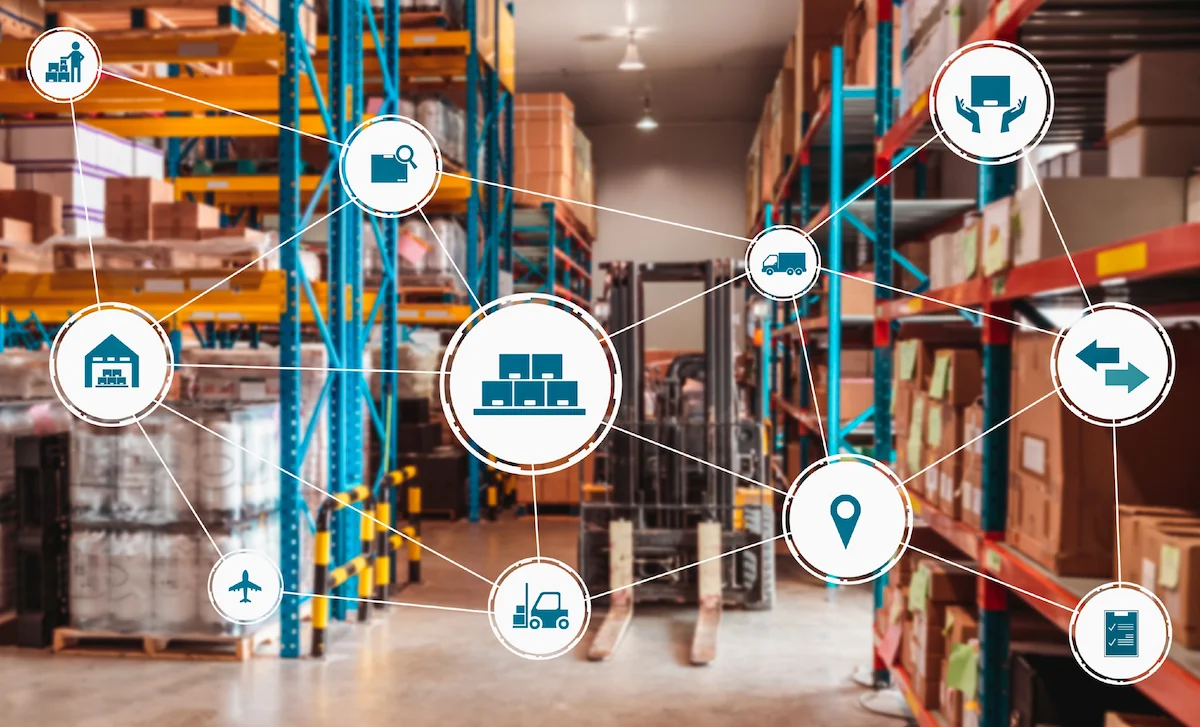
When it comes to offshoring and reshoring, offshoring may offer operational benefits to businesses, such as labor and production cost efficiencies.
However, reshoring can strengthen the economy, for example, by creating more regional jobs and helping to balance the trade deficit (exports and imports).
A reshoring scheme can be beneficial for companies, as long as the business is managed effectively. The transition from offshoring to reshoring requires careful planning, including cost and logistics planning.
Poor management will only increase the company’s losses. Therefore, companies usually engage specialist reshoring consultants to discuss such plans.
Benefits of Reshoring for Companies
Reshoring helps companies reduce their reliance on global supply chains and improve operational optimization. The following are some of the benefits of reshoring for companies:
1. Improving Supply Chain Visibility
Reshoring enables you to gain supply chain visibility by directly monitoring production processes and stock management. As a result, the speed and accuracy of business decision-making improve.
2. Increasing Operational Efficiency
Reshoring can improve operational efficiency by reducing delivery times. Furthermore, relocating the business back to its home country also makes it easier for you to respond to market demand.
3. Improving Monitoring of Standards and Quality
By bringing manufacturing back to the local area, you can conduct stricter oversight of production quality and standards. Furthermore, businesses can maintain consistent product quality and ensure the company’s compliance with regulations.
4. Reducing Transport Costs
One of the key benefits of reshoring is the reduction in transport costs. You can achieve greater cost savings by making shipments over shorter distances.
5. Optimizing Supply Chain Resilience
Reshoring can enhance supply chain resilience by streamlining processes and reducing exposure to global disruptions.
You have greater control over logistics, production, and other resources, enabling you to mitigate risks associated with supply chain disruptions. Businesses can also adapt more quickly to changes in market demand.
Read also: Logistics Management: Functions, Benefits, & Main Components
Challenges in Implementing Reshoring
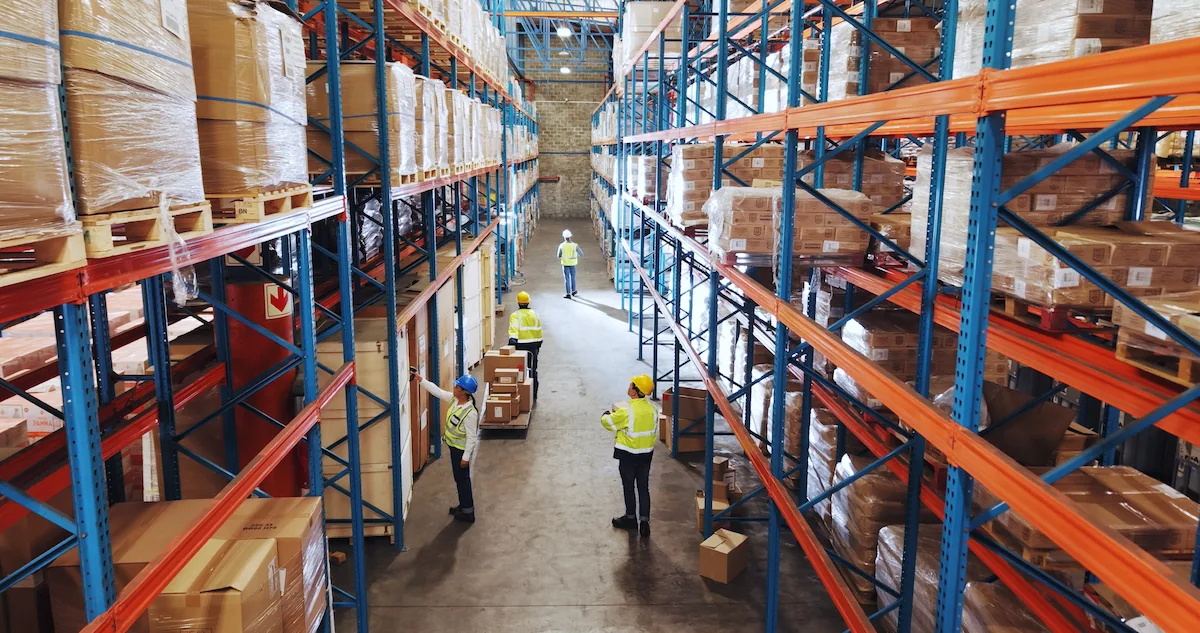
Although reshoring offers many benefits for businesses, you need to anticipate the challenges involved in implementing it. Here are some of them:
1. Labor Cost Disparities
One of the challenges that businesses transitioning from offshoring may face is labor costs. When offshoring, companies can save on labor costs by outsourcing human resources to specific countries.
Not only that, but the pool of skilled labor may not be as large as in other regions, so you may need to provide further training or implement other employment strategies.
2. High Initial Costs
The cost of relocating manufacturing from one country to another is certainly no small sum. Furthermore, you may need to purchase new equipment and train local staff to follow established operational processes.
Therefore, companies must plan their budgets carefully and be prepared to commit substantial funds to carry out reshoring.
3. Difficulties in Building Infrastructure
In addition to investing in their workforce, companies also need to consider investments in expanding and upgrading their facilities. You will need to find reliable suppliers of equipment and raw materials who can meet the applicable quality standards.
If suitable infrastructure is not available, companies may need to import it from other countries, raising operational costs.
Chandra Asri Group’s Land and Marine Logistics Solutions for Chemicals
Ensuring that the supply chain runs smoothly, both domestically and internationally, is a key business priority. The logistics process for products and raw materials must be carefully planned, particularly if you intend to distribute chemicals, as these require specialized handling.
Chandra Asri Group, as a leading provider of energy, chemical, and infrastructure solutions in Southeast Asia, manages reliable, specialized sea and land logistics for chemicals.
Through its subsidiaries, PT Chandra Daya Shipping International (CSI), PT SCG Barito Logistics (SBL), PT Chandra Cold Chain (CCC), and PT Chandra Warehouse Cilegon (CWC), we ensure that chemicals and gases reach their destinations safely.
CSI currently operates a fleet of over 10 vessels for the transport of LPG and chemicals, with a capacity of approximately 4,200–9,600 DWT. This number is likely to increase over time.
We operate a fleet of over 200 trucks of various types, have over 700 pallet positions, and manage warehouses totaling over 51K m², operated by SBL, CCC, and CWC.
This means you no longer need to worry or feel uncertain about distributing chemical raw materials from one location to another while maintaining their quality.
So, entrust your company’s logistics needs to Chandra Asri Group, #YourGrowthPartner!
Read also: Shipping Costs: Definition, Factors, & Calculation Methods