
29-06-2026
Water Footprint: Definition, Types, and How to Reduce It
By Chandra Asri Group Editorial Team
Have you ever heard of a water footprint? It is not a trail of water droplets, but rather the amount of water used by industries in their manufacturing processes.
The water footprint is an environmental indicator that tracks the impact of human water use on water sources, including industrial water use.
This article provides a comprehensive overview of the water footprint, including its definition and types. Therefore, be sure to read this article to the end to learn more.
What Is a Water Footprint?
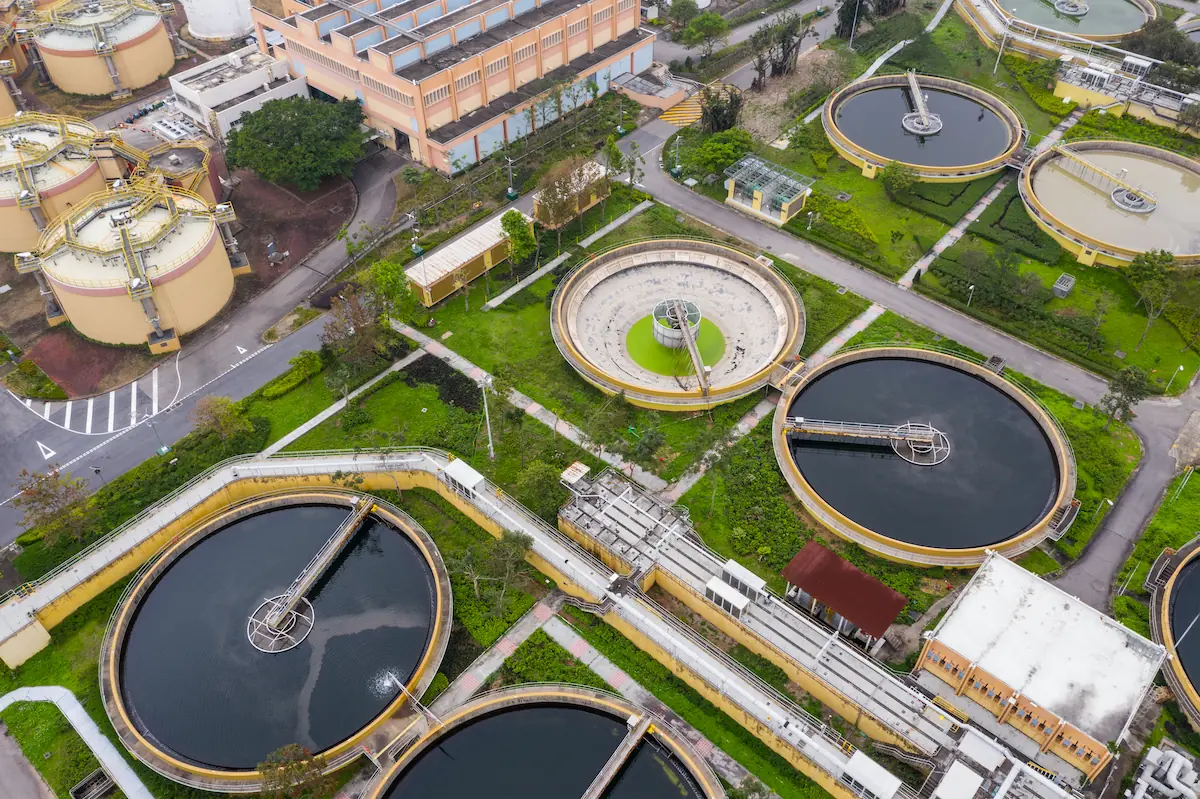
A water footprint is an indicator that determines the amount of water used to produce a product or provide a service. A water footprint can be calculated for a single process, a single product, or even an entire business.
A water footprint can show how much water is used globally from a specific water source. It also accounts for both direct and indirect water use, including the resulting water pollution, throughout the entire manufacturing cycle until the product reaches the consumer.
It can be said that water is an “invisible” raw material among other raw materials. Unbeknownst to many, thousands of liters of water are used during the production of a cotton shirt, from growing the cotton plants to the actual manufacturing process.
The impact of this water use can be studied through the concept of the water footprint. This concept was first introduced by Arjen Hoekstra in 2002 while he was working at the IHE Delft Institute for Water Education. Later, in 2008, he founded the Water Footprint Network with his colleagues.
Why Should Industry Pay Attention to the Water Footprint?
The main purpose of understanding a water footprint is to raise awareness of the amount of water used in production and daily activities.
Water footprint can estimate how many cubic meters of water are used during the manufacturing process or how many hectares of land actively use water. The aim is for more people to become aware of where the world’s water ends up and how it is used.
The impact of a water footprint depends on where the water is sourced. If water is drawn from sources that are nearly depleted or facing scarcity, the impact can be significant, thereby requiring further action to ensure the sustainability of those sources.
The problem is that many countries and regions worldwide are experiencing severe water scarcity. A study published in the journal Scientific Reports explains that 55% of the world’s countries face water shortages.
Meanwhile, industry and manufacturing, as key drivers of economic and social growth, are heavily dependent on water availability to run their operations and supply chains.
Read also: Sustainability Reports and Publications of Chanda Asri Group
Types of Water Footprints
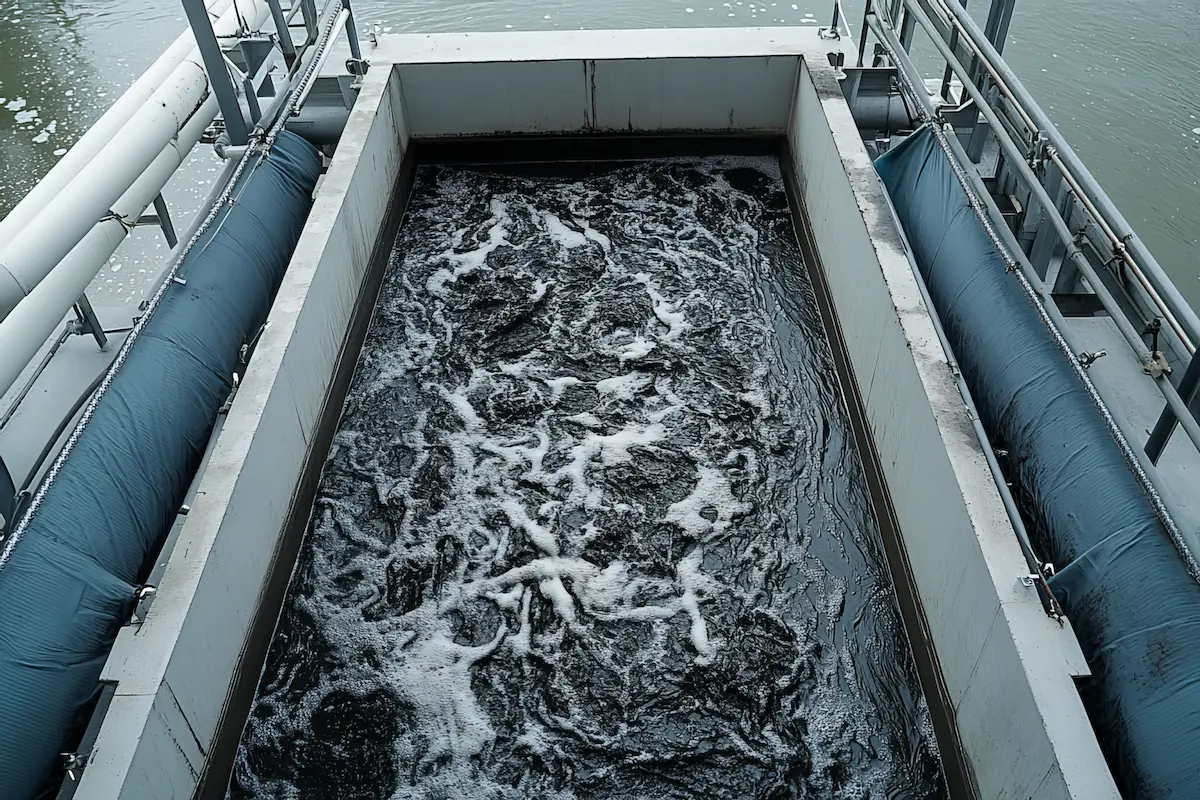
There are three types of water footprints based on water sources, namely green, blue, and gray. The green and blue water footprints determine the amount of water consumed, while the gray water footprint measures the level of water pollution. Here is a more detailed explanation:
1. Green Water Footprint
Green water footprint refers to water stored in plant roots or soil, such as water from snow or rain. This water footprint is used to calculate water consumption in forestry and agricultural processes.
2. Blue Water Footprint
Blue water footprint refers to water sourced from surface water, such as aquifers, rivers, and lakes. This water footprint is relevant to irrigation, household, and industrial activities.
3. Gray Water Footprint
Gray water footprint is the amount of water required to dilute pollutants from production processes so that their concentrations fall below maximum limits and comply with applicable regulations.
How to Calculate Water Footprint
Water footprint can be calculated using a water footprint calculator or other tools designed for this purpose. To obtain accurate results, several factors influence the water footprint calculation, including:
- Total water consumption. Typically, total water consumption is related to economic activity. The higher the Gross Domestic Product (GDP), the larger the water footprint.
- Climate conditions. A warming climate can accelerate water evaporation, causing crops to require more irrigation to survive or achieve maximum harvest.
- Consumption patterns. A community’s shopping habits influence water consumption, especially if the products they prefer require large amounts of water during production.
- Agricultural efficiency. Land that is less productive or has inefficient irrigation systems typically requires more water.
Read also: Clean Water Treatment and the Development Technology
How to Reduce Your Water Footprint
Water is one of humanity’s primary needs. However, irresponsible use can certainly impact water sources and environmental sustainability.
Therefore, the public needs to reduce its water footprint by implementing several initiatives. For individuals, these initiatives can start with conserving water, turning off faucets when not in use, using water responsibly, and practicing water efficiency.
Meanwhile, for industries and businesses, companies can develop environmental quality monitoring systems, implement digitalization to reduce paper usage, support circular economy principles, and launch sustainability campaigns to align all employees’ vision and mission regarding energy efficiency.
Chandra Asri Group’s Commitment to Water Resource Management
Chandra Asri Group, as #YourGrowthPartner, ensures that water used in operational processes is used efficiently and that wastewater is properly treated in accordance with standards before being returned to the environment. Chandra Asri Group’s initiatives are as follows:
- Recycling water using a pellet conveying water system.
- Optimizing steam consumption.
- Implementing a zero-leakage program.
- Reducing freshwater usage through desalination systems.
- Optimizing chemical use to reduce pollutant levels in water.
- Monitoring wastewater with SPARING.
- Empowering communities in water management.
- Installing wastewater treatment facilities in schools in Cilegon, Banten.
Furthermore, through its associated company, PT Krakatau Tirta Industri (KTI), Chandra Asri Group provides water solutions, including clean and demineralized water for industry supply, as well as wastewater treatment services.
As a leading chemical, energy, and infrastructure solutions company in Southeast Asia, Chandra Asri Group not only focuses on providing the best service but also applies environmentally responsible operations.
Read also: What Is Water Resource Management and Why Is It Important?