
30-06-2026
Understanding Spill Containment and Its Role in the Industry
By Chandra Asri Group Editorial Team
Companies operating in the chemical and hazardous goods industries need to implement a safe and responsible spill containment system, as certain chemicals can corrode equipment or pose serious risks to workers.
This article explains what spill containment is and why industries must carefully prepare and implement an effective spill containment system. Read on to learn more.
What Is Spill Containment?
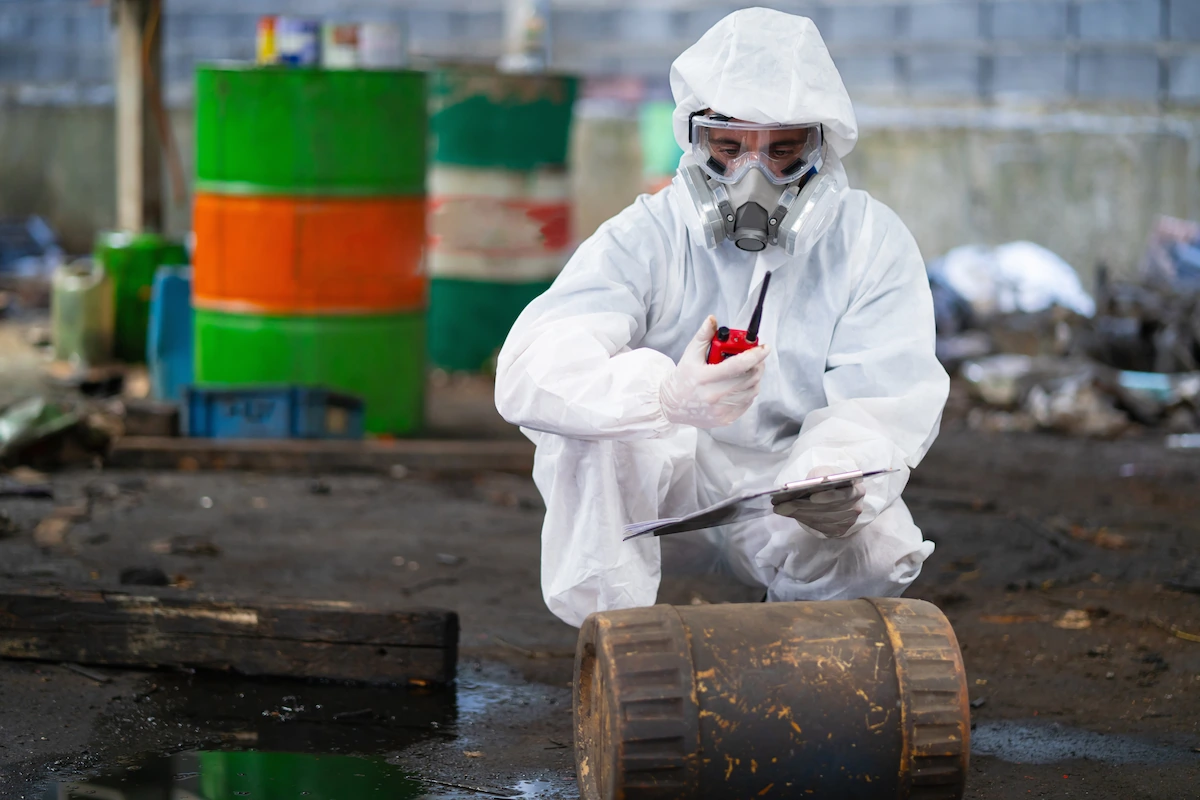
Spill containment is the process of preventing a spill from spreading to a larger area. The key principle is that the faster a spill is contained, the smaller the affected area will be, making cleanup quicker and more efficient.
A spill containment system typically consists of physical barriers and containment structures designed to control the flow of spilled materials and absorb them, making the cleanup process easier.
However, if a spill contains hazardous substances and is likely to be difficult to clean up, you need to have secondary containment. In the United States, the Environmental Protection Agency (EPA) requires companies to have secondary containment measures in place.
If the primary containment system fails to control a spill, the secondary containment system is designed to capture and contain the spilled material until it can be completely cleaned up. The EPA does not prescribe specific equipment for secondary containment.
Any item can serve as a substitute for the primary system when it is not functioning properly, acting as secondary containment, such as a pallet or deck.
If additional protection is needed, a tertiary spill containment system can be implemented as the final layer of defense. Tertiary containment is commonly used in industries that handle large volumes of hazardous materials or operate in areas with a high risk of spills, such as oil refineries, chemical manufacturing plants, and power generation facilities.
Read also: 7 Wastewater Treatment: The Importance, Process and Indicators!
Why Is Spill Containment Important?
Spill containment is essential for several reasons, especially for businesses that handle oil and hazardous substances, such as:
- Creating a safer work environment. An effective spill containment system provides an additional layer of protection against spills, reducing the risk of exposure that could endanger workers or damage equipment.
- Preventing environmental contamination. Spill containment minimizes the risk of pollution caused by spills that are not properly controlled or cleaned up.
- Ensuring regulatory compliance. Spill containment helps companies comply with applicable environmental and safety regulations. In Indonesia, these include the Minister of Environment and Forestry Regulation No. 12 of 2020 on the Storage of Hazardous and Toxic Waste and Law No. 32 of 2009 on Environmental Protection and Management. Companies operating in other countries should also ensure compliance with their respective local regulations.
- Reducing costs. Properly containing and managing spills helps prevent secondary damage and costly cleanup efforts, reducing the overall financial impact of spill incidents.
- Protecting your company's reputation. Environmental pollution caused by poorly managed spills can seriously damage a company's public image and erode stakeholder trust.
Types of Spill Containment Kits
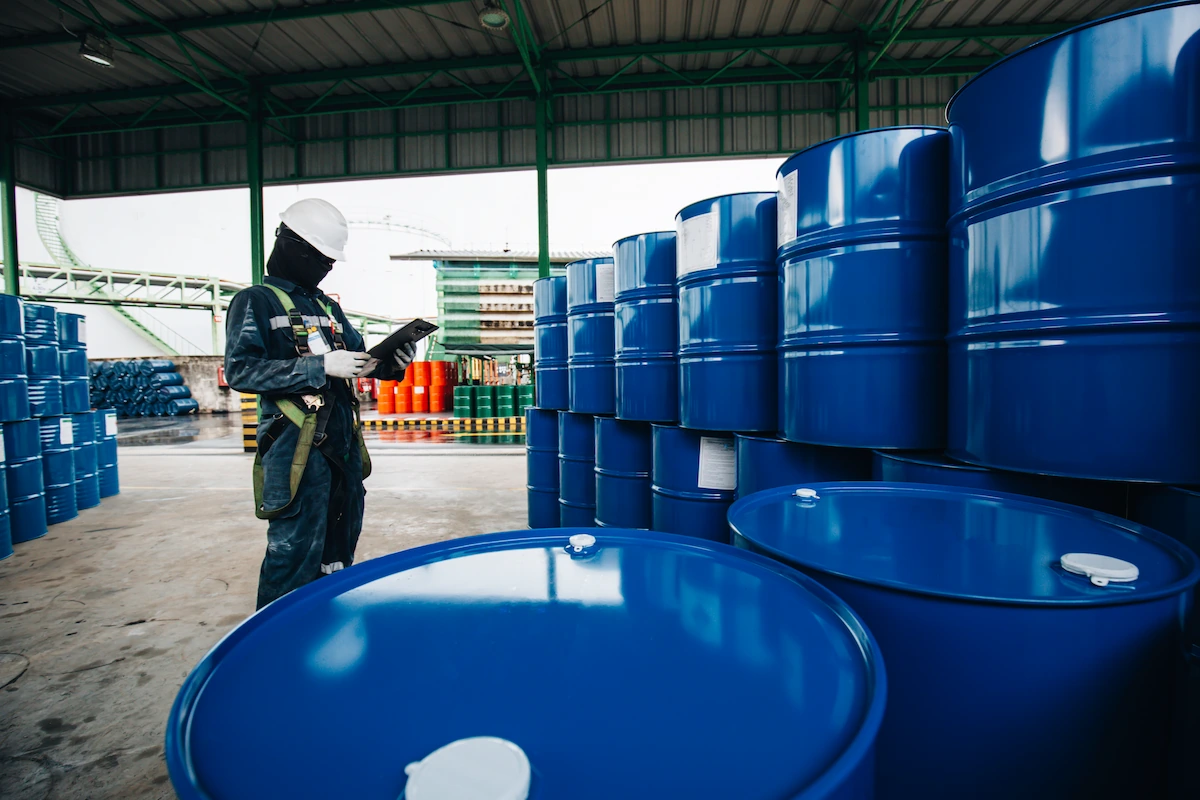
Several types of equipment are commonly used to contain and manage chemical spills, such as:
1. Spill Containment Pallets
A spill containment pallet is a platform designed to capture leaks and spills from chemical storage containers. These pallets have a specific capacity for containment and are typically made of plastic or steel. Spill pallets help prevent spills from spreading and make it easier to store and transport chemical drums safely.
2. Secondary Containment Tanks
A secondary containment tank provides an additional layer of protection in the event the primary storage tank leaks or fails. It is designed to capture and hold spilled liquids.
3. Spill Berms
A spill berm is a containment barrier used to isolate an area and prevent spilled liquids from spreading. There are two main types commonly used in industrial settings, namely portable spill berms and permanent spill berms.
Portable spill berms are typically used beneath equipment or machinery at risk of leaking, while permanent spill berms are installed in chemical storage areas as a long-term containment solution.
Spill berms offer several advantages, including flexibility, ease of use, suitability for high-risk spill areas, and resistance to a wide variety of chemicals.
4. Absorbent Booms and Pads
Absorbent booms and pads are designed to quickly absorb spilled liquids and chemicals. Common examples include oil absorbents, used for oil spills, and chemical absorbents, designed to absorb hazardous chemicals.
5. Spill Blockers and Drain Covers
Spill blockers and drain covers are used to seal floor drains and other drainage openings, preventing spilled materials from entering the drainage system and causing environmental contamination.
Read also: What Is Environmental Management System & Why Is It Crucial?
Chandra Asri Group’s Spill Containment Practices
As a provider of energy, infrastructure, and chemical solutions, as well as #YourGrowthPartner, Chandra Asri Group frequently handles chemical raw materials, which require an adequate spill containment system.
We have established spill response procedures and dedicated spill prevention programs, including proper material labeling, prioritizing workplace safety, requiring appropriate personal protective equipment (PPE), and conducting regular equipment inspections and maintenance.
By implementing responsible spill and waste management practices, Chandra Asri Group can safely supply chemical raw materials and deliver its other products and services.
Understanding chemical and oil spill containment is essential for maintaining a safe workplace and preventing environmental contamination. Therefore, industrial facilities should ensure that appropriate spill kits are readily available and that all employees are trained in the company's applicable Occupational Health and Safety (OHS) policies and spill response procedures.
Read also: 9 Plastic Waste Processing Solutions, Effective and Safe!