
23-06-2026
Food-Grade Plastic: Learn About Its Characteristics & Types
Plastic is a synthetic material that plays a vital role in our lives and is used for a variety of purposes, including food packaging.
However, not all plastics are suitable for food packaging. For this reason, food-grade plastic is used as the raw material, as it is considered safe for direct contact with food. So, what types of plastic are classified as food-grade? Here is a detailed explanation!
What Is Food-Grade Plastic?
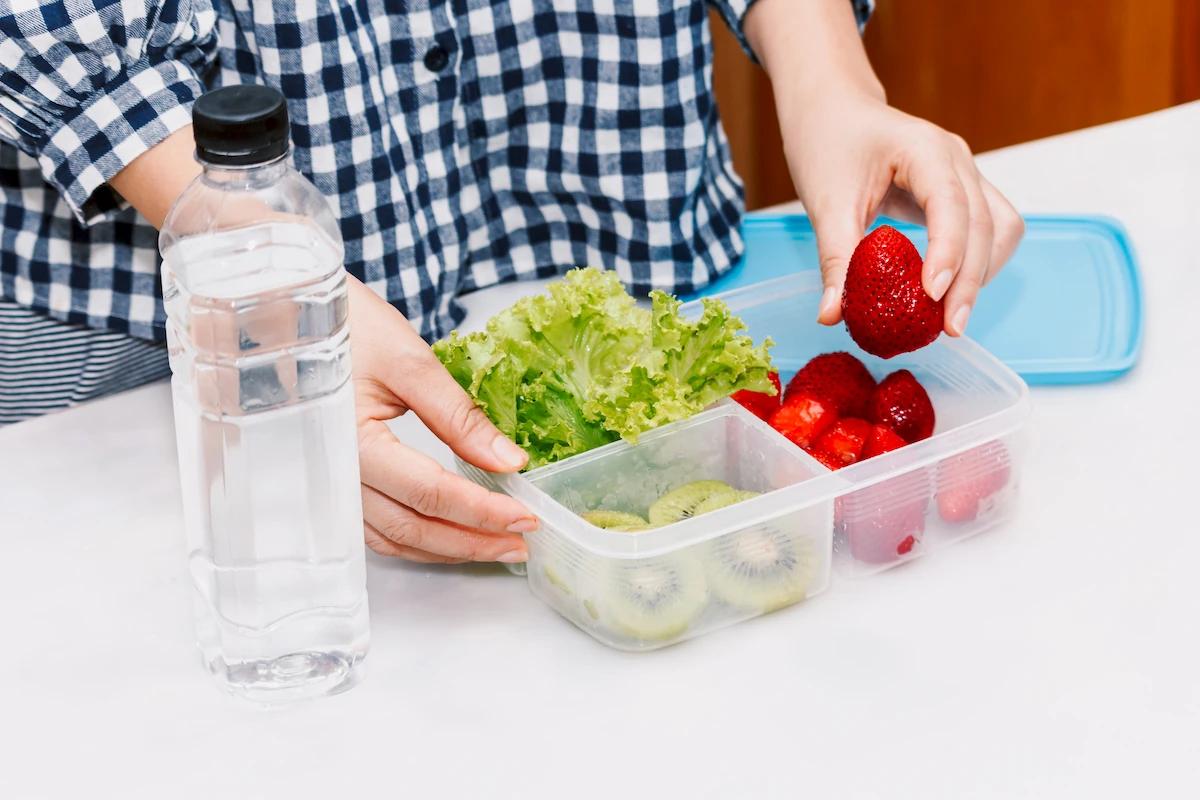
Food-grade plastic is a type of plastic designed for direct contact with food or beverages. This plastic is specifically produced to meet purity standards, such as ensuring it does not contain dyes or other substances that are harmful to health.
It is important to note that certain food conditions, such as being too acidic or containing too much alcohol, can cause additives to leach from the plastic when the food comes into direct contact with non-food-grade plastic.
As a result, the food will be contaminated with these additives, posing a health risk. That is why food-grade plastic is produced to a specific purity level to prevent this.
Another question that might arise when discussing food packaging is whether food-grade plastic can contain recycled materials. The answer is yes, as long as it is processed in accordance with applicable food-grade standards and guidelines.
In this regard, food-grade products made from recycled plastic must comply with BPOM regulations and the guidelines issued, such as the Guidelines and Criteria for Safe Recycled PET Plastic for Food Packaging.
So, how can we tell the difference between food-grade and non-food-grade plastics? The characteristics of food-grade plastic packaging are as follows:
- It features a food-grade logo (“spoon and fork” or “glass and fork”).
- It features a food-safe logo.
- It has the appropriate recycling code.
- It does not emit a strong odor.
- It has official certification.
- The trademark of the food or beverage product has been registered.
Read also: Chandra Asri Group's Latest Annual Report
The Importance of Choosing Food-Grade Plastic
Food-grade plastic is commonly used in the food, beverage, household products, pharmaceutical, and medical industries. This plastic is chosen not just because it is safe for human consumption. Here are several reasons why it is important to choose food-grade plastic according to your needs:
1. Complies with Safety Standards
Food-grade plastic has undergone various feasibility and safety tests, as well as certification, before it is made available to the public. In Indonesia, this plastic must comply with Indonesian National Standards (SNI) and Indonesian Food and Drug Authority (BPOM) regulations.
2. Prevents Contamination by Hazardous Substances
Non-food-grade plastics may contain substances that can be harmful to the body, such as Bisphenol A (BPA) and heavy metals. These substances can leach into food upon direct contact and pose a health risk if consumed over the long term.
3. Safe for Various Conditions
Food-grade plastic is typically designed to withstand high temperatures, oils, and substances that can cause chemical reactions (such as acids).
That is why food-grade plastic packaging can usually come into contact with hot food, be used in the microwave, and store food for extended periods without altering its taste.
Read also: Get to Know Polythylene, a Flexible Plastic Material
Types of Food-Grade Plastic
Various types of food-grade plastic are commonly used in the manufacturing industry. Each type of plastic also has its own code. Here is an explanation:
1. Polyethylene Terephthalate (PET)
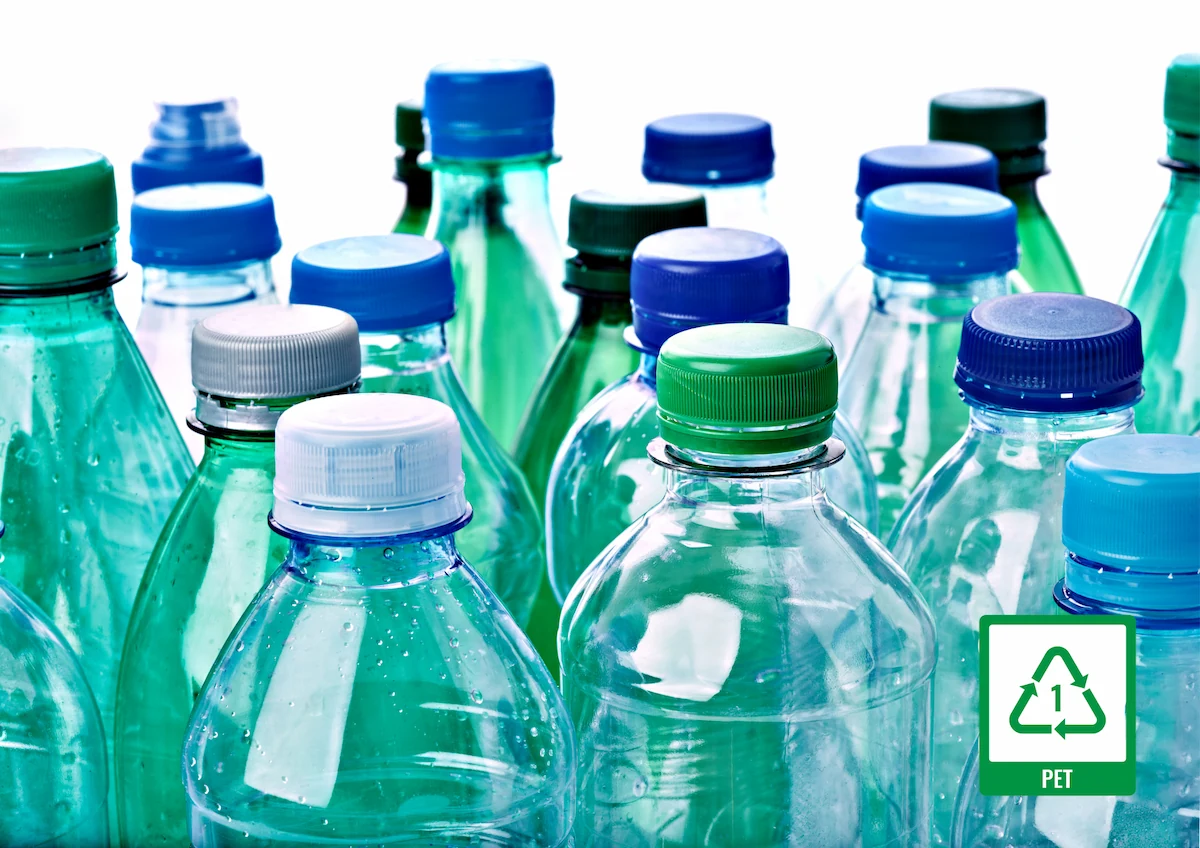
PET plastic is commonly used to make water bottles, jam containers, sauce bottles, and other food packaging. The food-grade plastic code for this material is “1.”
PET is strong, stable, and resistant to wear and tear. However, PET is intended for single-use only. If reused, the polymer layer may melt, especially if the container has already been deformed. This plastic is also not heat-resistant and should not be exposed to direct sunlight.
2. High-Density Polyethylene (HDPE)
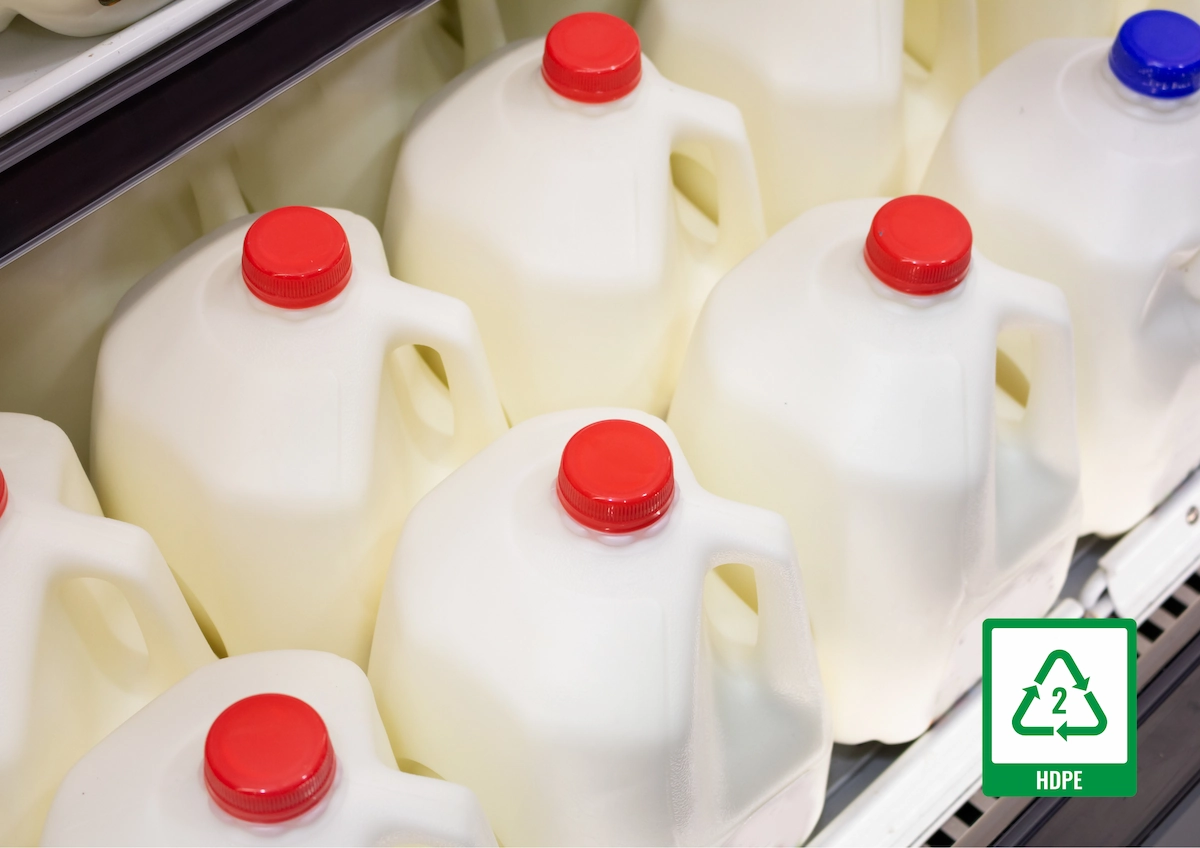
HDPE is also commonly used to make milk bottles, ice cream containers, and juice bottles. This plastic has the code “2” and is characterized by its high-temperature resistance, strength, and hardness.
It is also fairly resistant to chemicals and can prevent chemical reactions between food and the packaging. In fact, HDPE is also resistant to corrosion, moss, and mold.
Regarding HDPE, the Chandra Asri Group, a leading chemical solutions company in Southeast Asia, provides high-quality HDPE materials for various applications, including plastic bags, packaging, monofilament, storage containers, and more.
3. Low-Density Polyethylene (LDPE)
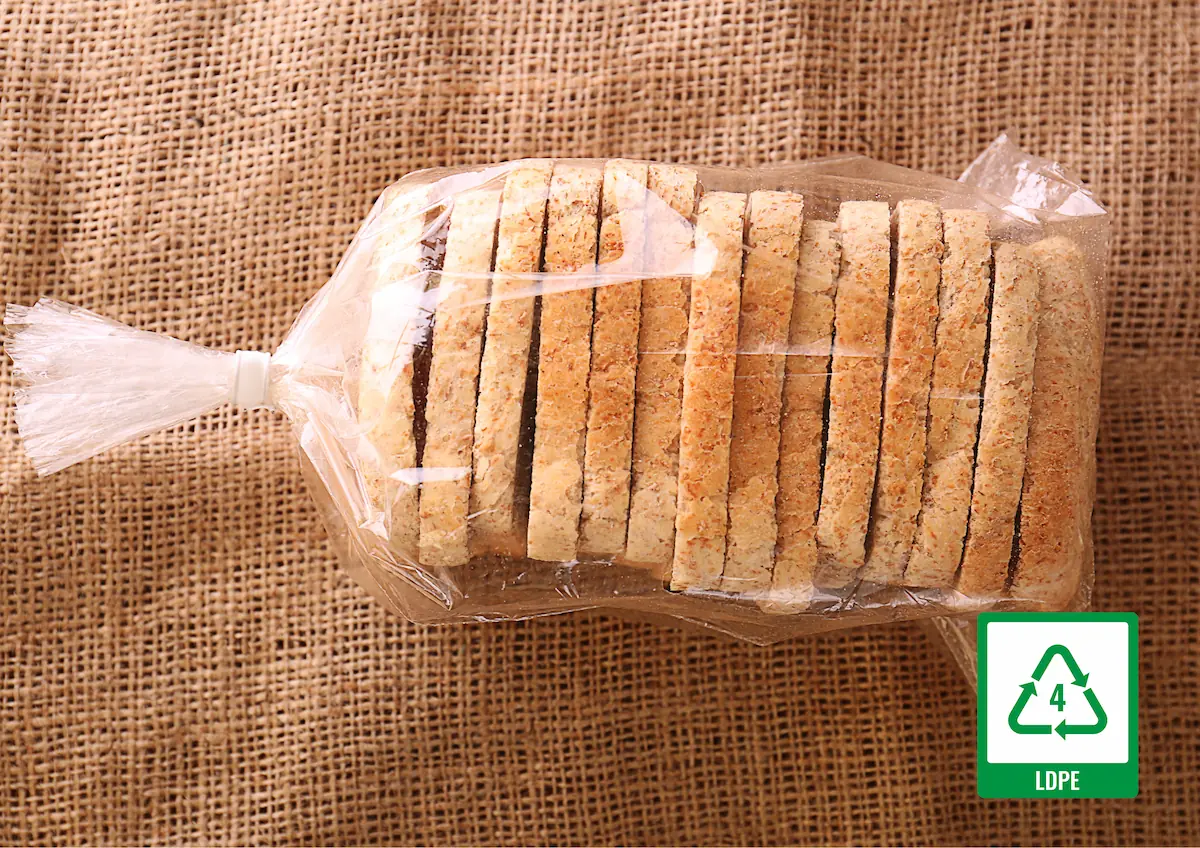
LDPE plastic is commonly used to make bread bags, food containers, and shopping bags. This plastic is characterized by its translucence, water resistance, flexibility, and strength. The LDPE plastic code is the number “4” inside the recycling triangle.
4. Polypropylene (PP)
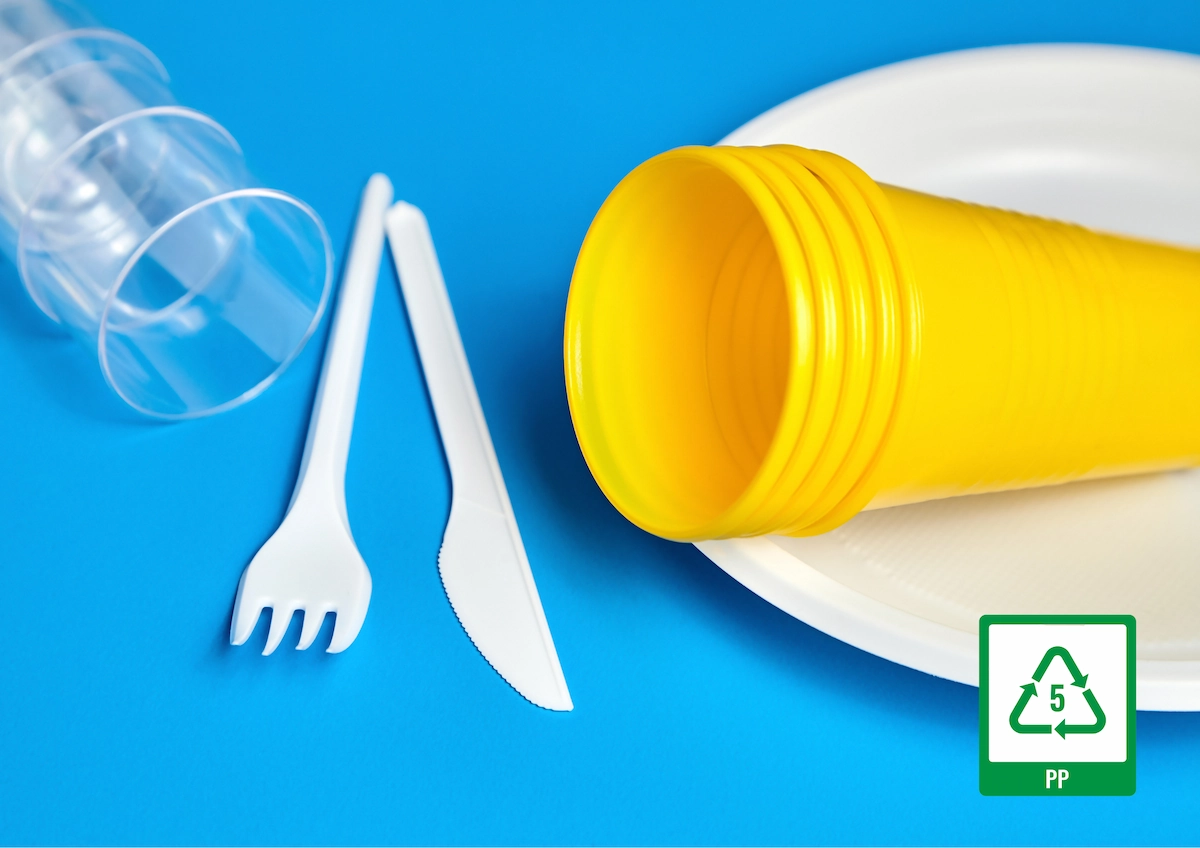
PP plastic is identified by the number “5” inside the recycling triangle. It is commonly used to make plates, spoons, straws, and food containers. PP has high chemical stability and is fairly heat-resistant.
This plastic material can also be reused multiple times, making it suitable for products intended for repeated use, such as lunch boxes and plates.
Regarding PP plastic, Chandra Asri Group also provides high-quality polypropylene material marketed under the “Trilene®” brand. Our PP material undergoes quality assurance monitoring and quality checks before it is packaged in 25 kg bags.
The sacks we use to package chemical products are manufactured by the Chandra Asri Group’s Bag Film Roll (BFR) Plant. These sacks are made of polyethylene and are formed into Heavy Duty Sacks (extremely durable sacks for packaging specialized products).
That concludes the information about food-grade plastic. The use of food-grade plastic can help avoid health risks from consuming food exposed to harmful substances and maintain food freshness.
Food-grade plastic is designed to be safe for direct contact with food and beverages. So, pay attention when purchasing and using plastic products to store food or beverages.
Regarding plastic raw materials, Chandra Asri Group, as #YourGrowthPartner, offers a wide range of options, including ethylene, polyethylene, and polypropylene.
In addition, Aster, a Singapore-based subsidiary of the Chandra Asri Group, supplies a wide range of industrial chemicals, including butadiene, ethoxylates, ethylene, and many more.
Trust Chandra Asri Group and Aster with your company’s manufacturing chemical and plastic raw material needs!
Read also: Plastic Asphalt in Indonesia, Here Are the Benefits
.png&w=3840&q=75)