

31-08-2026
Thermal Energy Storage (TES): Definition, Types, & Benefits
By Chandra Asri Group Editorial Team
Have you ever heard of thermal energy storage? This technology can help companies reduce their dependence on fossil fuels and promote renewable energy. So, what are the benefits of thermal energy storage systems, and why should their adoption be supported? Find the answers below.
What Is Thermal Energy Storage?
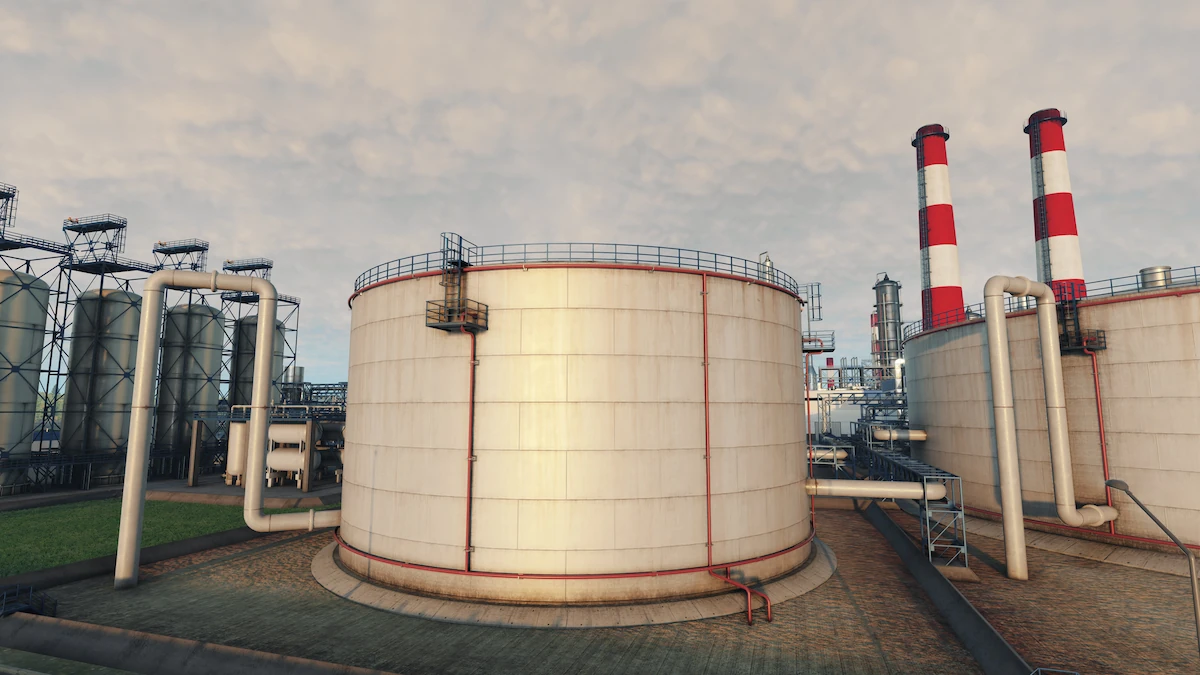
Thermal energy storage (TES) is a technology that stores excess energy for future use. TES helps balance energy supply and demand by storing surplus energy and releasing it when needed. Storage durations can vary, ranging from a few hours to several months.
TES typically features one or more heat exchangers in the form of internally coiled pipes or external flat plates. This technology can also be equipped with electric heating elements.
TES can also be designed to meet specific needs and capture excess energy from sources such as biomass boilers, heat pumps, renewable energy power plants, or solar-powered water heating systems.
An example of TES use is storing energy generated by wind turbines operating at night for use the following day. TES can also store heat from concentrated solar power systems in the morning for use at night when sunlight is unavailable.
Interestingly, thermal energy storage technology is gaining attention as a decarbonization strategy, particularly for heating or cooling buildings and supplying thermal energy for manufacturing processes.
This technology can efficiently store industrial heat at temperatures above 1,000°C using materials that retain heat for extended periods. As a result, the process can be more cost- and energy-efficient because it can use stored heat when needed.
Read also: Power Plants: Definition, Types, and Examples in Indonesia
Types of Thermal Energy Storage
In general, thermal energy storage (TES) can be divided into three main types:
1. Latent Heat Storage (LHS)
LHS stores heat using phase-change materials (PCMs), which absorb and release heat during a phase transition, such as melting or freezing. PCMs include paraffin, gels, salts, polymers, waxes, metal alloys, and others.
One example of LHS is PCM panels integrated into a building’s roof or walls. These panels help regulate indoor temperatures passively, reduce the load on heating, ventilation, and air conditioning (HVAC) systems, and improve occupant comfort.
This type of TES supports precise temperature control, is compatible with renewable energy systems, and can maintain stable temperatures during phase transitions.
2. Sensible Heat Storage (SHS)
SHS is the simplest and most widely used type of TES across various sectors. It works by increasing or decreasing the temperature of a storage medium, such as rocks, sand, molten salt, or water, without changing its physical characteristics.
Heat storage capacity depends on the storage medium's capacity and the temperature at which heat is stored and released. Examples of SHS include hot water storage tanks in residential heating systems and molten salt tanks in concentrated solar power plants.
3. Thermochemical Storage (TCS)
TCS is one of the most advanced TES technologies because it uses reversible chemical reactions to store and release thermal energy. When the reactants separate (the charging process), the system absorbs heat; when the reactants recombine (the discharging process), the system releases heat.
TCS is ideal for long-term or seasonal storage because it stores thermal energy in chemical bonds rather than in materials, as with other types of TES. During storage, thermal energy losses are minimal, allowing energy to be stored for extended periods.
When conventional storage media are not suitable, TCS can be an alternative. Furthermore, this type of TES can integrate with renewable energy and support both industrial and commercial applications.
Examples of TCS include metal hydrides, which store and release hydrogen along with thermal energy, metal oxides, which store heat from sunlight for industrial processes, and salt-based thermochemical systems that provide seasonal heating for residential applications.
Recommended Reading: Understanding Battery Energy Storage System (BESS) & Its Uses
The Benefits of Thermal Energy Storage
Thermal energy storage offers several benefits, such as:
- Reducing demand spikes by storing excess energy when demand is low and releasing it when demand increases.
- Making energy management easier by storing energy when it is available and using it when needed, such as storing energy when the wind is blowing and using it when wind speeds are too low to turn the turbines.
- Supporting overall energy efficiency.
- Reducing carbon emissions by integrating with various renewable energy sources and decreasing reliance on fossil fuels.
- Can be used in locations without conventional power grids.
- Ensuring that each component operates within a precise temperature range.
- Reducing the need for cooling while machinery, systems, and equipment are operating.
- Reducing energy losses caused by overheating.
- Extending the service life of components and systems by preventing overheating.
Reliable Energy Solutions from Chandra Asri Group
Energy, including electricity, is essential across sectors, from households to industries. Therefore, make sure your power supply is optimal to support your operations and prevent disruptions to your business activities.
As a leading energy, chemical, and infrastructure solutions company in Southeast Asia, Chandra Asri Group is your partner for energy infrastructure needs. Through our subsidiary, PT Krakatau Chandra Energi (KCE), we provide electricity, power services, and renewable energy solutions.
KCE manages a total electricity capacity of 120 MW and has served more than 200 industrial customers and more than 1,500 residential customers. We also provide operation and maintenance (O&M) services, transformer and electric motor repair and overhaul services, and electrical engineering, procurement, and construction (EPC) services.
Moreover, we are also offering solar power solutions as part of the transition to clean energy. Since 2020, KCE’s solar power capacity has reached 11 MWp with four solar panel installation options, namely on-grid, on-grid with battery backup, off-grid, and hybrid systems.
So, you can trust your company’s energy needs to Chandra Asri Group, #YourGrowthPartner!
Explore More: How Do Solar Panels Work? Examples & Benefits You Must Know

Blow Molding: How It Works, Types, and Materials Used

Customs Clearance: Steps, Documents, and Inspections
