

26-09-2026
What Is Resin Material? Explore Its Characteristics and Uses
By Chandra Asri Group Editorial Team
Key Takeaways:
- Resins are organic or synthetic compounds commonly used to manufacture household and industrial products, such as electronic or automotive components.
- Resins possess general and specific characteristics depending on their formulation, such as durability and chemical resistance.
- Synthetic resins are divided into three types: thermosets, thermoplastics, and elastomers.
Resin is a synthetic material that plays a vital role in various sectors, such as manufacturing, jewelry, electronics, medicine, chemistry, and the arts. Many industries rely on this material for its flexibility and strength. So, what is resin material, and what are its types? Find the answers in this article.
What Is Resin Material?
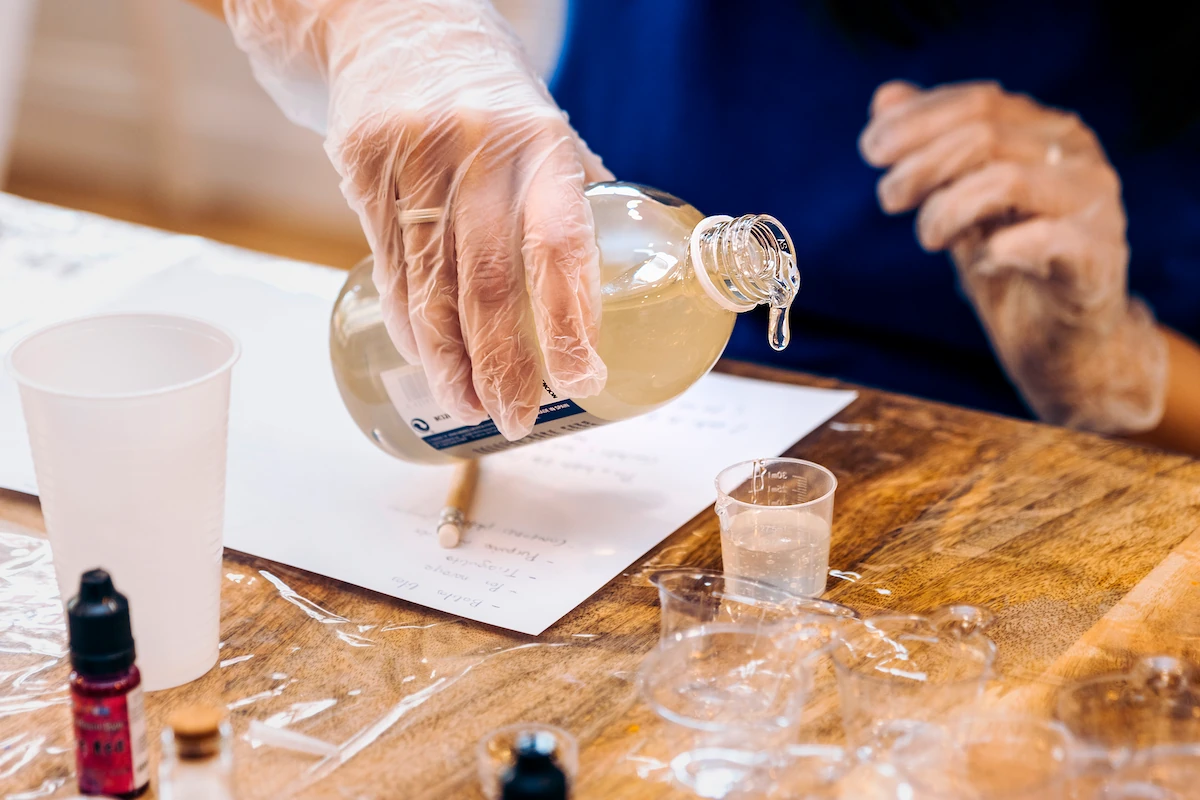
Resin is a synthetic or organic compound in the form of a thick, non-crystalline liquid. This viscous material can harden into a durable, chemical-resistant, and glossy product.
Organic resins come from plant secretions and dissolve in various organic liquids but not in water. Meanwhile, synthetic resins are made from a range of synthetic products that share the physical characteristics of organic resins but have a different chemical structure.
This material can be molded into various products and can mimic the appearance of stone, glass, or metal while remaining lightweight. Organic resins appear yellowish or brownish in their liquid state but remain transparent, while synthetic resins appear clear unless colored.
Generally, resins have a glossy, glass-like finish. However, the final appearance of a resin product depends on its type, additives (such as pigments), and the curing process.
Read also: Composite Materials: Benefits, Types, and Properties
General Characteristics of Resins
Resins can have several characteristics that vary depending on their formulation and type. However, in general, resins have the following characteristics:
- They can be hard or soft, depending on the formulation.
- They are generally transparent, such as epoxy resin, but some resins are opaque, such as phenolic resin.
- Strong and durable.
- Chemical-resistant.
- Versatile.
- Some resins, such as acrylic, are more resistant to weather and sunlight.
- Some resins, such as silicone, have good electrical insulation properties.
- Have various densities.
- Generally, the end-product form finish is glossy, though certain additives can make it matte.
Types of Resins
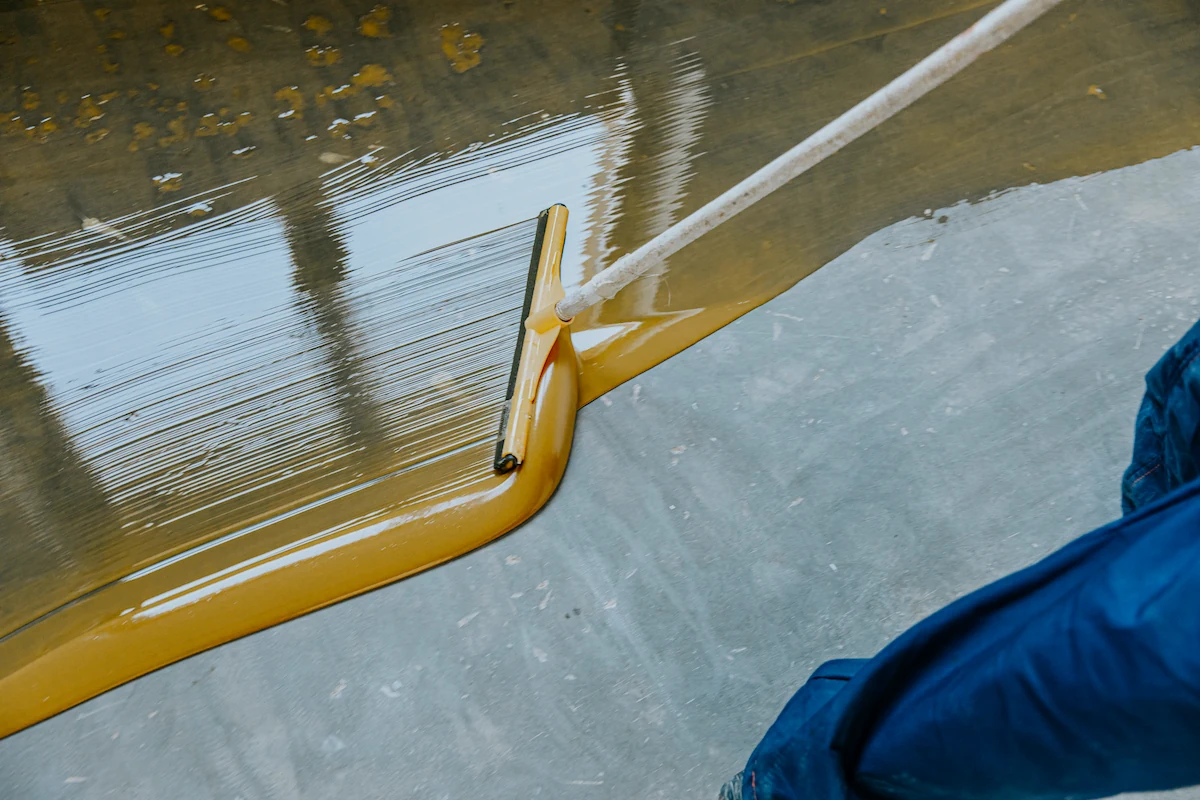
Generally, synthetic resins are divided into three types, namely:
1. Thermoset Resins
Thermoset resins undergo a chemical reaction when heated or cured, causing the final product to harden and become irreversibly solid. As a result, this resin cannot be melted down and reprocessed into other products once it has hardened.
The advantages of this resin include chemical resistance, heat resistance, high strength, and stability. However, it is prone to cracking and is difficult to process. Examples of thermoset resins include polyester, phenolic, and epoxy resins.
2. Thermoplastic Resins
Unlike thermoset resins, which are difficult to remelt, thermoplastic resins can be melted and reshaped when heated and cooled. These resins are flexible, elastic, and easily recyclable. However, they are prone to deformation. Examples of thermoplastic resins include polystyrene, polypropylene, and polyethylene.
3. Elastomer Resins
Elastomer resins have higher flexibility and elasticity, giving them rubber-like properties. Due to these properties, elastomer resins can withstand impacts and vibrations. However, they are susceptible to stretching and weathering. An example of an elastomer resin is silicone.
Here are the types and uses of various resins in detail:
| Made from | Characteristics | Functions | |
| Epoxy resin | Resin and hardener. | Has high adhesive strength and no strong odor. | Protective products (such as bulletproof glass), coatings for other products to make them glossy and scratch-resistant, and trinkets. |
| Polyethylene (PE) resin | Polymerization of ethylene. | Moisture-resistant and flexible. | Coatings for cables, pipes, plastic bags, electronic components, and others. |
| Polyester resin | Polyester (polyol and dibasic acid) and reactive diluents. | Has a fairly strong odor. This resin is usually mixed with glass fibers or other minerals to increase strength. | Ship and automotive components, as well as fiberglass. |
| Vinyl ester resin | A mixture of epoxy resin and unsaturated monocarboxylic acid. | Highly elastic and impact-absorbing. | Automotive and military components. |
| Polyurethane resin | Polyol and isocyanate. | Crack-resistant, with good mechanical strength, elastic, and does not produce a strong odor. | Flooring, insulation, car dashboards, foam, and others. |
| Acrylic resin | Synthetic polymers (butyl methacrylate, acrylic acid, and methyl methacrylate). | Highly transparent, weather-resistant, and quite durable. | Acrylic glass, adhesives, plastic components, and others. |
| Silicone resin | Siloxane polymers with attached organic groups. | Resistant to heat, chemicals, oxidation, sunlight, and moisture. | Coatings, as well as automotive and electronic components. |
Related post: What Is Plastic Made Of? Here Are the Materials & Process
Trust Your Resin Needs to Chandra Asri Group, a Resin Supplier in Indonesia
Resin is a key component in industrial processes, especially in manufacturing electronic components, medical devices, automotive parts, and more. Therefore, be sure to source high-quality resin.
Chandra Asri Group, as a leading energy, infrastructure, and chemical solutions company in Southeast Asia, provides polyethylene resin under the Asrene® brand and polypropylene resin under the Trilene® brand. Chandra Asri Group’s polyethylene resins include Linear Low-Density Polyethylene (LLDPE) and High-Density Polyethylene (HDPE) products. These resins are used to manufacture plastics, flexible packaging, clean water pipes, water tanks, and more.
Meanwhile, our polypropylene resins include random copolymers, homopolymers, impact copolymers, and terpolymers, which can be used to produce packaging, electronic components, and more.
In addition to supplying resins, the Chandra Asri Group, through its Singapore-based subsidiary, Aster, also provides HDPE and other chemicals for various manufacturing needs.
So, make sure your products are made of high-quality resins! Work with the Chandra Asri Group and Aster as #YourGrowthPartner, and consult us about your chemical needs!
Continue reading: Food-Grade Plastic: Learn About Its Characteristics & Types
Frequently Asked Questions (FAQ)
Here are some frequently asked questions about resin:
1. What is resin made of?
Organic resin comes from plant secretions, such as pine and fir sap that oozes out when the bark is tapped or scratched. Meanwhile, synthetic resin is produced through chemical polymerization of materials such as petroleum, in factories or laboratories.
2. Is resin hazardous?
Resin can pose safety and health risks in its liquid form (before it has cured). Depending on the type, resin may contain substances that can irritate the eyes and skin, so handle it properly and use personal protective equipment, such as a mask, safety goggles, and gloves.
3. How long does it take for resin to dry?
Resin drying time varies depending on the type and formulation. For example, UV-curing acrylic resin can dry in minutes under adequate UV light, while specialized epoxy resin poured in thick layers (e.g., for making tables) can take 5–7 days to dry.

Blow Molding: How It Works, Types, and Materials Used

Customs Clearance: Steps, Documents, and Inspections
