

31-08-2026
Raw Material Warehouse: Definition, Function, and Mechanisms
By Chandra Asri Group Editorial Team
In the manufacturing process, raw material storage must be monitored and executed properly to prevent quality changes and to fulfill production needs. Regarding this, the role of a raw material warehouse is crucial. This article discusses what a raw material warehouse is and its function in the supply chain. Thus, read the information below.
What Is a Raw Material Warehouse?
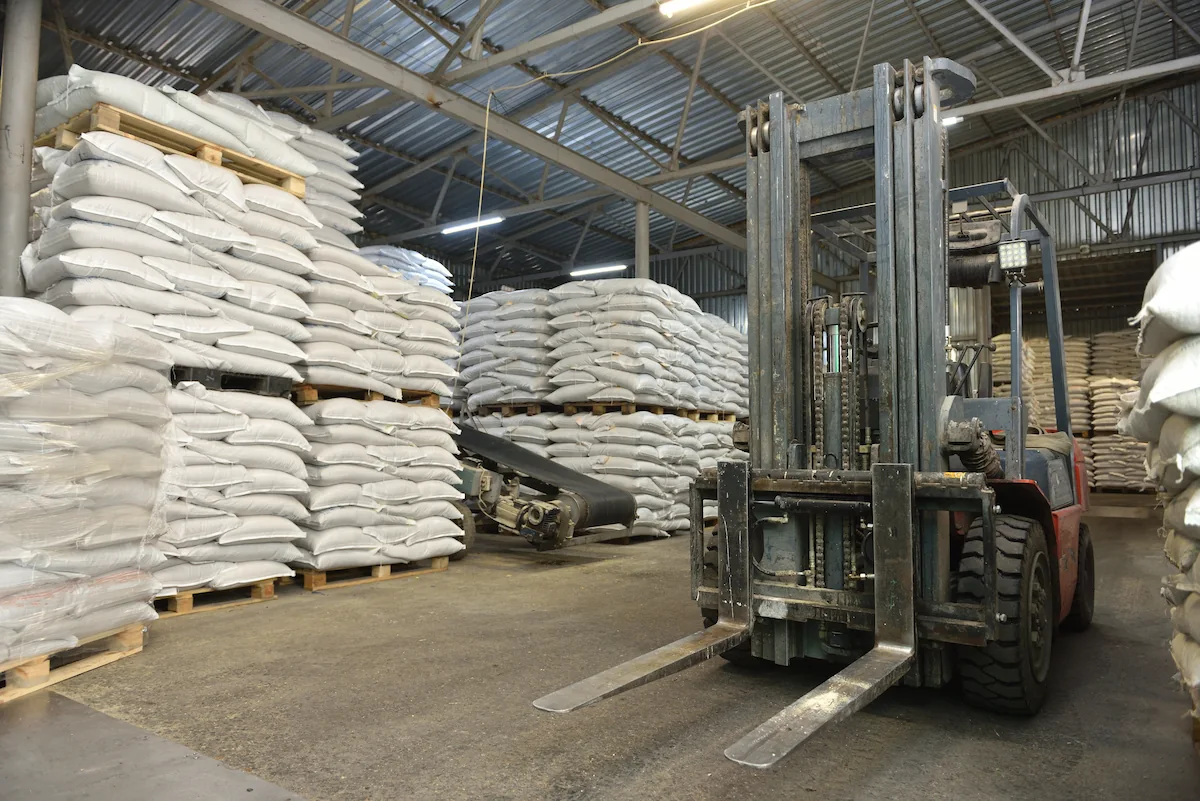
A raw material warehouse is a facility specially designed to store important raw materials for manufacturing processes. The raw materials are unprocessed products. In other words, they are the initial materials for the production process. Examples of raw materials are wood, metals, chemicals, fabrics, and plastics.
Furthermore, a raw material warehouse also focuses on the transportation, distribution, and assembly of raw materials. Simply put, this warehouse has a significant role in maintaining the smoothness of the supply chain towards the production line.
In general, raw materials are located near the production areas to cut the distribution time. This warehouse is crucial in ensuring the availability of stocks and making sure the stocks reach the production line regularly without halting the manufacturing process.
A raw materials warehouse must also meet important requirements, such as being strategically located; having adequate storage capacity; maintaining proper humidity and temperature control; being able to organize goods efficiently; being equipped with appropriate material handling procedures and tools; and complying with applicable policies.
Then, how are raw materials stored in this warehouse? Raw materials are placed according to their containers, such as containers, pallets, or boxes. When planning the warehouse design and storage system, variables such as the type of goods, production needs, or product demand must be taken into account.
The raw materials warehouse must also ensure product traceability to determine the exact location of raw materials and control the handling process to guarantee quality during production.
More on this topic: Objectives of Supply Chain Management and Its Approaches
Functions of a Raw Material Warehouse
A raw material warehouse has several functions in the operational process, such as:
1. Storing Raw Materials
This facility can store raw materials while maintaining their quality and standards. Moreover, it also ensures the raw materials are delivered in good condition and safely to the production line.
2. Maintaining the Raw Material Supplies
This warehouse works to receive raw materials from manufacturers or suppliers, then deliver them to the production lines according to their orders. It must be able to adapt to the manufacturing needs and ensure the availability of stocks.
3. Managing Stocks
Typically, raw material warehouses have specialized tools for monitoring stock availability and managing inventory. These tools reduce the risk of running out of stock when it is needed. In addition, these warehouses operate based on certain metrics, such as:
- Safety stock: Keeping an excess of raw materials on hand to prepare for future unforeseen events that could affect warehouse stock levels.
- Reorder point: The optimal time and quantity for ordering raw materials from suppliers.
- Inventory turnover: The number of times a company uses and replaces its inventory within a specific period.
4. Reducing Losses and Storage Costs
A raw material warehouse also manages the materials based on their expiry to reduce the risk of loss due to being obsolete and unfit for use. The disposed materials due to defects or expiry can increase production costs.
You may also like: 3 Ways to Check HS Code & How to Read It
Things to Consider When Storing Raw Materials in the Warehouse
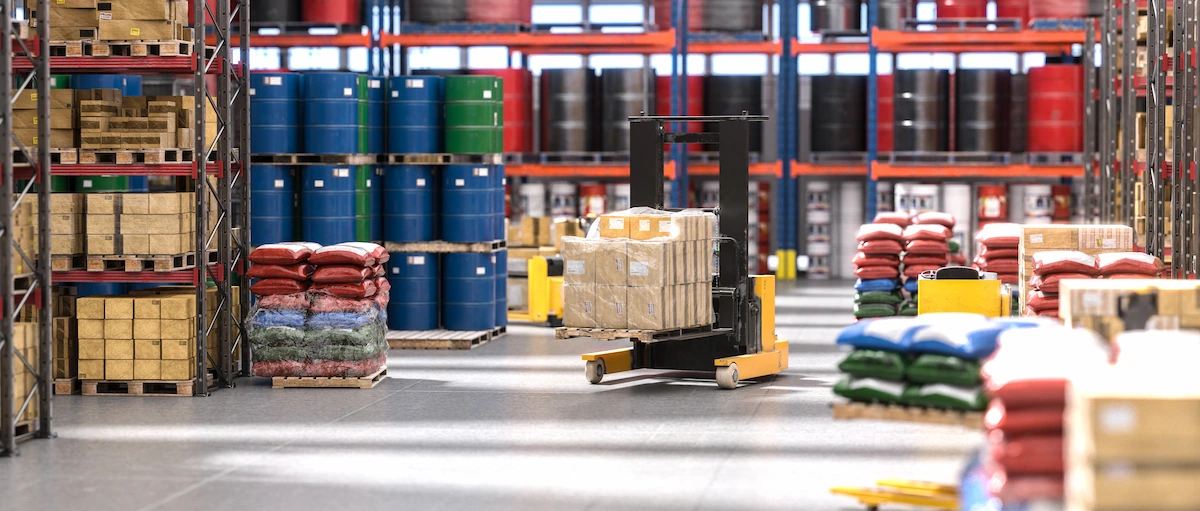 Proper storage of raw materials can maintain their quality and prevent losses due to unusable materials. Here are some things to keep in mind when storing raw materials in a warehouse:
1. Warehouse Layout
A raw material warehouse layout is important to support the production material supplies and facilitate the storage and movement of goods to the production lines. An organized warehouse can also increase storage effectiveness.
An appropriate layout can reduce storage costs, decrease unused products, and improve productivity. You can leverage a personalized shelving structure to optimize the room and ease access.
2. Quality Assurance
Raw material management is crucial for maintaining quality during storage and distribution. If there are many quality rejections, the quantity of raw materials will decrease, and the cost of replacing goods will skyrocket.
3. Labeling
Every raw material stored in the warehouse must have a label and a specific code to make it easier to identify its location and type. You can categorize raw materials by type, use, and expiration date.
4. Technology Use
Warehouse management is more efficient with technologies, such as automation applications, a warehouse management system (WMS), and RFID (a wireless identification technology to read and transfer data).
5. First In, First Out (FIFO)
FIFO ensures that the first raw materials to be issued are those that arrive at the warehouse first. This helps prevent an increase in product waste caused by expired raw materials. Not only that, but FIFO also helps identify raw materials that are rarely used, allowing inventory levels to be adjusted in the future.
Optimize Chemical Storage Using Integrated Warehouse by Chandra Asri Group!
The raw material warehouse, which is a key component of the supply chain and production process, must be managed effectively to ensure that raw materials can be utilized in the manufacturing process to produce high-quality products.
Regarding warehouse management, Chandra Asri Group, a leading infrastructure, energy, and chemicals company in Southeast Asia, provides logistics and warehouse management solutions through its subsidiaries: PT SCG Barito Logistics (SBL), PT Chandra Cold Chain (CCC), and PT Chandra Warehouse Cilegon (CWC).
SBL offers a variety of services, such as warehouse management, inter-island transportation, maritime transport, import-export, and customs clearance. SBL also utilizes reliable technology to manage its warehouses, such as a warehouse management system and barcode scanning. Furthermore, SBL operates a fleet of over 200 trucks for land-based logistics.
Meanwhile, CWC owns and manages a warehouse in the Cilegon area with a land area of over 51K m², while CCC manages dry storage and cold storage facilities with a capacity of over 700 pallet positions spread across Java and Cilegon.
So, do not worry about your chemical raw material storage needs. Trust Chandra Asri Group, #YourGrowthPartner!
Worth exploring: Logistics Management: Functions, Benefits, & Main Components

Blow Molding: How It Works, Types, and Materials Used

Customs Clearance: Steps, Documents, and Inspections
