

31-08-2026
Get to Know Polyurethane Foam and Its Uses in Industries
By Chandra Asri Group Editorial Team
Polyurethane foam is one of the synthetic materials widely used as thermal insulation. You can also find this foam in cushions and mattresses. Thanks to its durability and insulation properties, polyurethane foam becomes an ideal material for various industries.
This article reveals the functions and types of polyurethane foam thoroughly. Therefore, read the entire article to learn more!
What Is Polyurethane Foam?
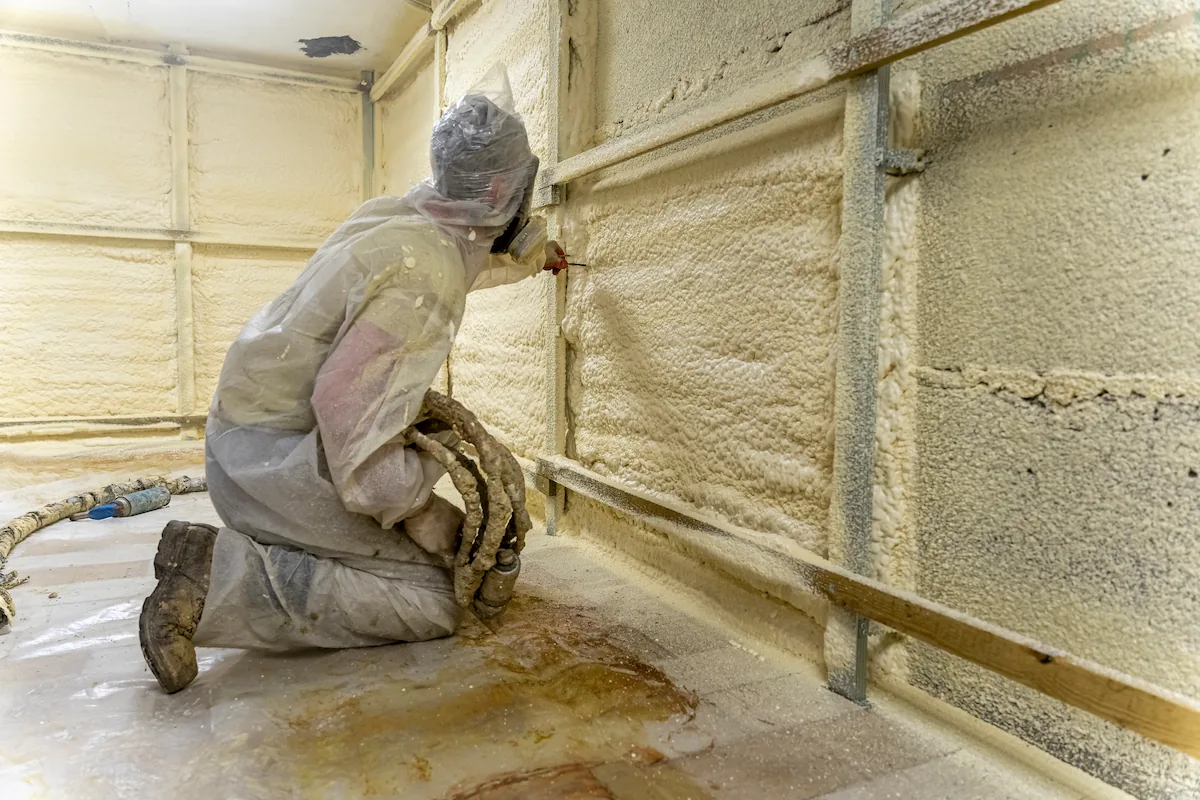
Polyurethane foam (PU foam) is derived from blending isocyanate as a hardening agent and polyol as the resin. Aside from those two, this foam can also contain blowing agents. When the material is mixed, the blowing agents react chemically and produce gas bubbles to form foam. After curing, the foam will be rigid or flexible.
The rigidity and flexibility of polyurethane foam depend on its composition. Generally, flexible PU foam is used for sofas, film props, costumes, and furniture, while rigid foam is used for molds, structural components, and insulation. In addition to its soft foam form, polyurethane foam can also be sprayed directly onto surfaces or molded as needed.
Cured PU foam (after the curing process) that has been properly manufactured is safe for indoor use, as long as it is not sanded or heated. However, before the curing process is complete, or while the foam is still in liquid form, you should handle it with care, as isocyanates and polyols can irritate the body.
More to read: Chandra Asri Group's Annual Report
Types of Polyurethane Foam
Polyurethane foam is classified into several types: rigid PU foam, flexible PU foam, spray PU foam, and semi-rigid PU foam. Here is the complete explanation:
1. Rigid Polyurethane Foam
This foam has a stronger structure, making it suitable for supporting loads. Its main properties are its closed-cell structure, which makes it more airtight and resistant to high temperatures, and its density, hardness, and inflexibility. Rigid PU foam is typically used as protection for HVAC pipes, wall insulation, roof insulation, and cold storage panels.
2. Flexible Polyurethane Foam
Flexible PU foam has high elasticity and can return to its original shape after being compressed. It is often used to make sofas, mattresses, pillows, car seats, and indoor soundproofing materials. PU foam is soft, comfortable, and easy to mold, but it is not very resistant to water or heat.
3. Semi-rigid Polyurethane Foam
Semi-rigid polyurethane foam has properties between flexible and rigid PU foam, which are strong and elastic. This kind of foam is usually used in technical and industrial components.
4. Spray Polyurethane Foam
This foam is often used for insulating floors, walls, and roofs. Its advantage is that it can be sprayed in liquid form and immediately expands and hardens. Because it is liquid, this foam can fill hard-to-reach gaps and conform to the shape of the surface.
Spray PU foam is divided into open-cell and closed-cell types. Open-cell foam is lighter and more flexible, while closed-cell foam is denser and waterproof. Although it appears efficient and practical, spray PU foam requires a special sprayer and has a higher price per liter compared to other types of PU foam.
Discover more: What is Polypropylene (PP)? Types, and Characteristics
Uses of Polyurethane Foam
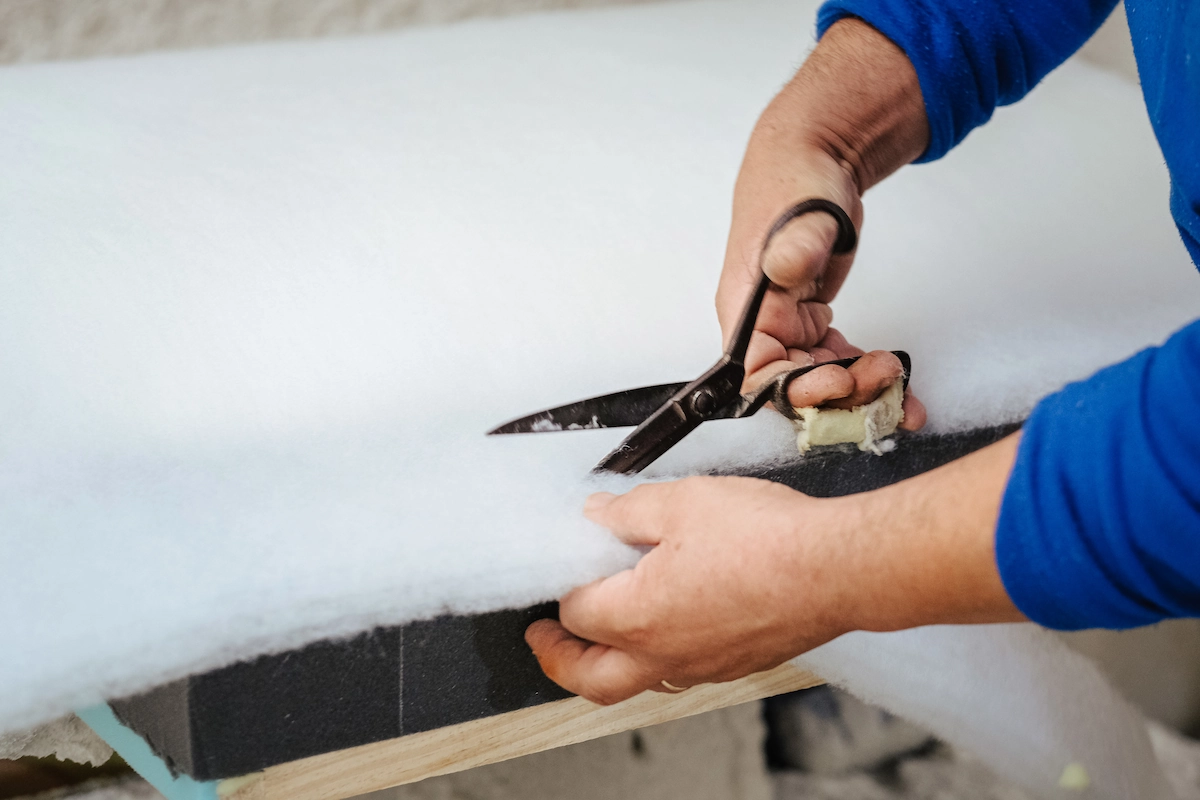
Polyurethane foam is used in many industries thanks to its lightweight, strong, durable, and excellent insulation. Here are some uses of polyurethane foam across needs:
1. Building Insulation
Polyurethane foam is commonly used to insulate walls, roofs, and floors of buildings. It helps maintain indoor temperatures and save energy. PU foam also has strong adhesive properties, preventing air from escaping and blocking the transfer of cold air from outside into the room.
2. Insulation in Humid Areas
Some types of PU foam, such as rigid PU foam, do not absorb water and can block water vapor, making them suitable for basements, bathrooms, spas, swimming pools, and saunas. This property allows PU foam to create a durable and reliable base layer that prevents structural damage caused by high humidity.
3. Cooling System
PU foam is usually used in a cooling unit or refrigerator because it can stabilize temperature. Since it can stabilize temperature, the consumed energy will be more optimal and cost-effective.
4. Furniture and Interior
Along with its insulating properties, polyurethane foam is also flexible, making it ideal for mattresses, pillows, and sofas. This foam retains its shape over time and provides comfort.
5. Industrial Processes
PU foam is used in padding, gaskets, and machine-protecting components because it can absorb shocks and vibrations during operations.
Reliable Polyol Supplier for Polyurethane Foam Production
Polyurethane foam is widely used, thanks to its excellent insulating properties and flexibility. As explained earlier, PU foam is made from a combination of polyol and isocyanate.
Regarding polyol raw materials, Aster, a Singapore-based subsidiary of the Chandra Asri Group, supplies polyether polyol, an organic compound produced through propylene oxide polymerization. Aster offers three types of polyols: slabstock polyols, molding polyols, and CASE polyols.
Along with polyols, Aster supplies other industrial chemicals, such as ethylene, butadiene, HDPE, high-purity ethylene oxide, and many more.
Chandra Asri Group also supplies industrial chemicals such as olefins, polyolefins, styrene monomer, caustic soda, and others, including raw materials for manufacturing car dashboards and door panels
If your company needs high-quality industrial chemicals, do not hesitate to make Chandra Asri Group and Aster your #YourGrowthPartner! Contact us now for a consultation and to get the best offer!
Read also: Synthetic Polymers: How They Differ from Natural Polymers

Blow Molding: How It Works, Types, and Materials Used

Customs Clearance: Steps, Documents, and Inspections
