

31-08-2026
Getting to Know Polycarbonate and How It Compares to Glass
By Chandra Asri Group Editorial Team
Polycarbonate is a thermoplastic used by many industries for its excellent durability. It is also often used as an alternative to glass in many applications. This article explores the role of polycarbonate plastic across different industries. Read on to learn more.
What Is Polycarbonate?
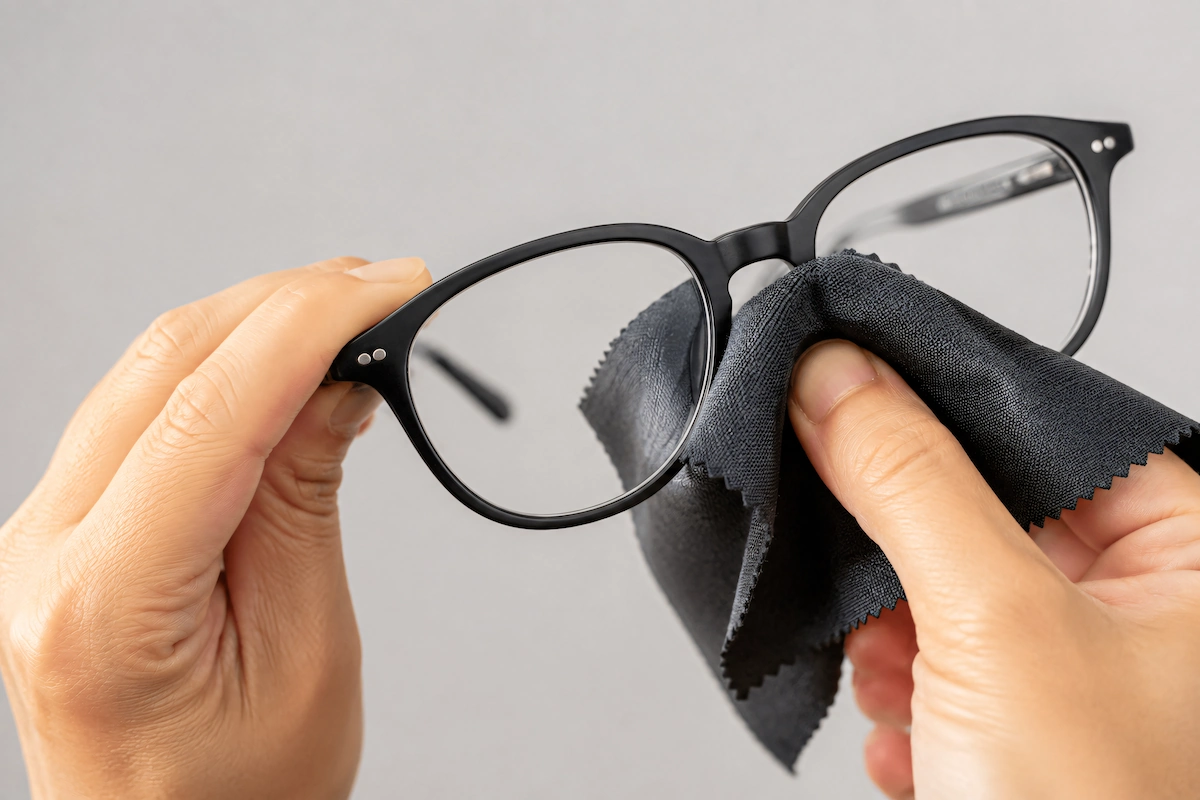
Polycarbonate is a polymer produced through a chemical reaction involving bisphenol A (BPA) and phosgene gas (a compound formed from the reaction of chlorine and carbon monoxide).
German chemist Alfred Einhorn first synthesized this material in 1898, but he did not continue his research because he could not find commercial applications for it. In 1953, two researchers independently developed the material: Hermann Schnell in Germany and Daniel W. Fox in the United States.
In the 1970s and 1980s, polycarbonate began to be used across many industries due to its excellent durability and glass-like transparency. The material was used to make automotive lights, containers that can withstand both low and high temperatures, DVDs, and many other products. One of the most common uses of this plastic is for eyeglass lenses because it is impact-resistant, easy to shape to fit eyeglass frames, and lightweight.
Polycarbonate is generally manufactured using injection molding and extrusion. In injection molding, manufacturers inject molten polycarbonate under high pressure into a mold. Once it cools, the material hardens and retains the mold's shape.
Meanwhile, in extrusion, molten polycarbonate is pushed through a specialized die to form a specific profile. Extrusion is commonly used to produce water pipes and plastic sheets.
Read also: Polystyrene: Uses, Properties, Types, and Differences to PP
Characteristics of Polycarbonate
Polycarbonate is a thermoplastic, meaning it has a distinct melting point and can be melted. As a result, the material can be reshaped after melting without undergoing degradation. In addition, polycarbonate has the following characteristics:
- Transparent like glass.
- Easy to shape and recycle.
- Lightweight.
- Impact-resistant.
- Heat-resistant.
- Resistant to sunlight exposure.
- Provides good electrical insulation.
- Highly flexible.
- Can transmit 90–98% of light.
- Stronger than glass.
- Durable.
- Easy to install.
- Has good optical properties.
- Relatively sensitive to certain chemicals, cleaning agents, and solvents.
- More expensive than other types of plastic, but less expensive than tempered or laminated glass.
- Some types of polycarbonate should not come into contact with food because of the potential for BPA exposure. However, many BPA-free options are now available.
Applications of Polycarbonate
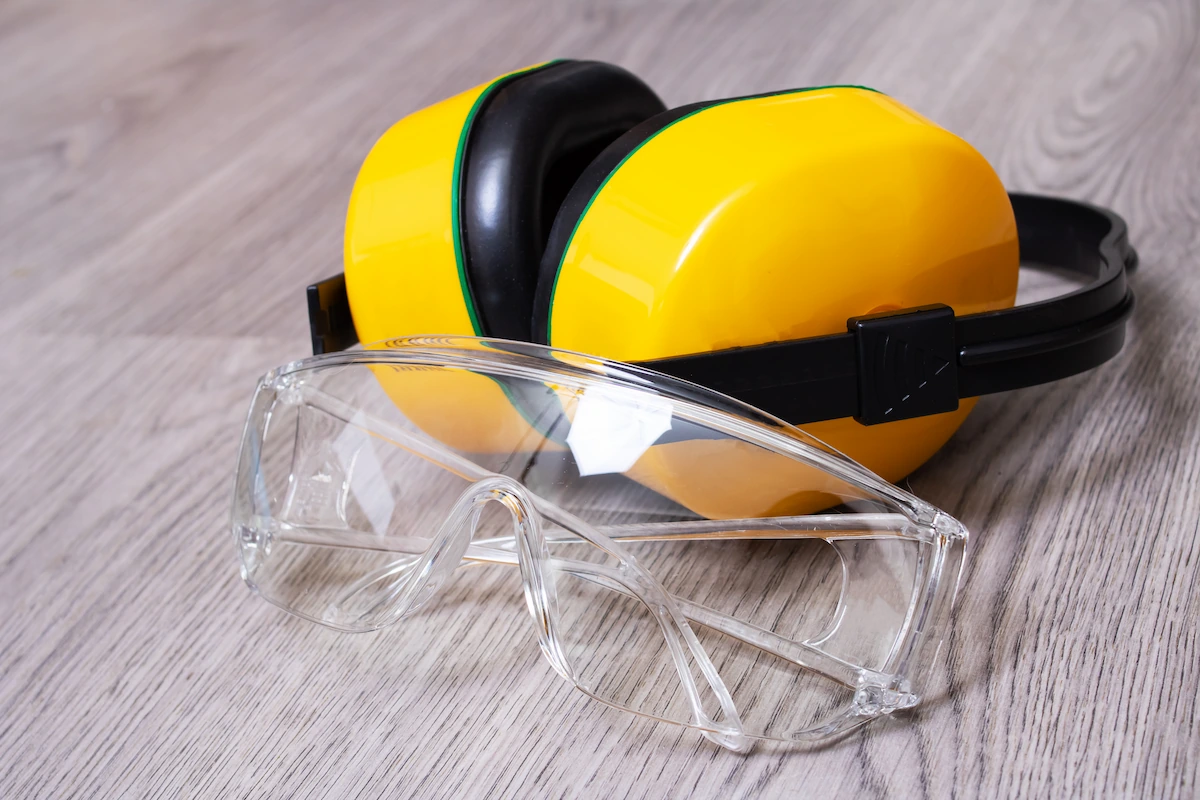
Polycarbonate offers excellent transparency and durability, making it suitable for use across a wide range of industries. Here are some common applications of polycarbonate:
- Construction industry: This plastic is commonly used to make outdoor canopies, building partitions, roofing, and wall cladding.
- Lenses: Polycarbonate is commonly used to make eyeglass and camera lenses because it offers excellent optical clarity while remaining lightweight.
- Electronics industry: Polycarbonate is used for covers for fluorescent and LED lights, electrical insulation, and laptop or computer housings.
- Automotive industry: Polycarbonate is used for headlights, sunroof panels, and various interior components because of its impact resistance.
- Medical products: The healthcare industry uses this material to manufacture surgical instruments, dialysis machines, and incubators.
- Signage and road markings: Polycarbonate is used in road signs and roadside advertising billboards because of its resistance to weather and sunlight exposure.
- Sports products: This plastic is used to make protective equipment, sports eyewear, and helmets.
- Personal Protective Equipment (PPE): Polycarbonate is commonly used for helmets, safety glasses, and face shields.
Recommended reading: PET Plastic: Characteristics, Uses, and Differences to HDPE
Differences Between Polycarbonate and Glass
Both polycarbonate and glass are strong and transparent materials. Since they share similar characteristics, people often compare the two materials. So, when should you choose polycarbonate over glass, or vice versa? Here is a comparison of the two:
| Polycarbonate | Glass | |
| Weight | Lighter than glass, making it easier to install. | Heavier than polycarbonate. |
| Impact resistance | More impact-resistant and less likely to shatter when subjected to impact. | Glass is more likely to break under extreme conditions. Even stronger tempered glass will eventually break under sufficient force. |
| Safety | The material will bend or crack before breaking. | Glass produces sharp shards when broken, which can pose a safety hazard. |
| Protection against sunlight exposure | Polycarbonate panels typically come with built-in UV protection. | Glass requires a specialized coating for protection against sunlight. |
| Clarity | Can compete with glass in terms of clarity. | Clarity and light transmission are among glass's biggest advantages. |
| Heat and weather resistance | Can perform in both normal and extreme weather conditions, including strong winds and extreme temperature fluctuations ranging from -40°C to 120°C. | Glass is less effective in extreme weather conditions but performs well under normal weather conditions. |
| Versatility | Polycarbonate can rival glass in terms of aesthetics and versatility. It can also be customized for texture, color, and finish. | Glass is more elegant and timeless. |
Chandra Asri Group: Your Trusted Partner for Chemical and Polymer Solutions Across Industries
Polycarbonate is one of the many types of polymers widely used in manufacturing. Each polymer type has different characteristics, advantages, and applications, so choosing the right material is essential to producing products that meet required standards.
About high-quality polymers, Chandra Asri Group, a leading chemical, energy, and infrastructure solutions company in Southeast Asia, provides a wide range of chemicals and polymers, including polyethylene, polypropylene, styrene monomer, HDPE, and more.
Furthermore, Aster, a Singapore-based subsidiary of Chandra Asri Group, also supplies chemical feedstocks, including styrene to propylene.
As #YourGrowthPartner, we are committed to continuously providing high-quality products and services to support your operations. So, trust Chandra Asri Group for your plastic chemical and industrial material needs!
Related posts: Get to Know Polyethylene, a Flexible Plastic Material

Blow Molding: How It Works, Types, and Materials Used

Customs Clearance: Steps, Documents, and Inspections
