

24-08-2026
Ethylene Vinyl Acetate (EVA): Uses and Difference to PVC
By Chandra Asri Group Editorial Team
Ethylene vinyl acetate (EVA) is a synthetic material lighter than PVC. This copolymer is widely used in the health, sports, and automotive industries. To learn more about the properties and uses of EVA in various industries, read this article until the end!
What Is Ethylene Vinyl Acetate?
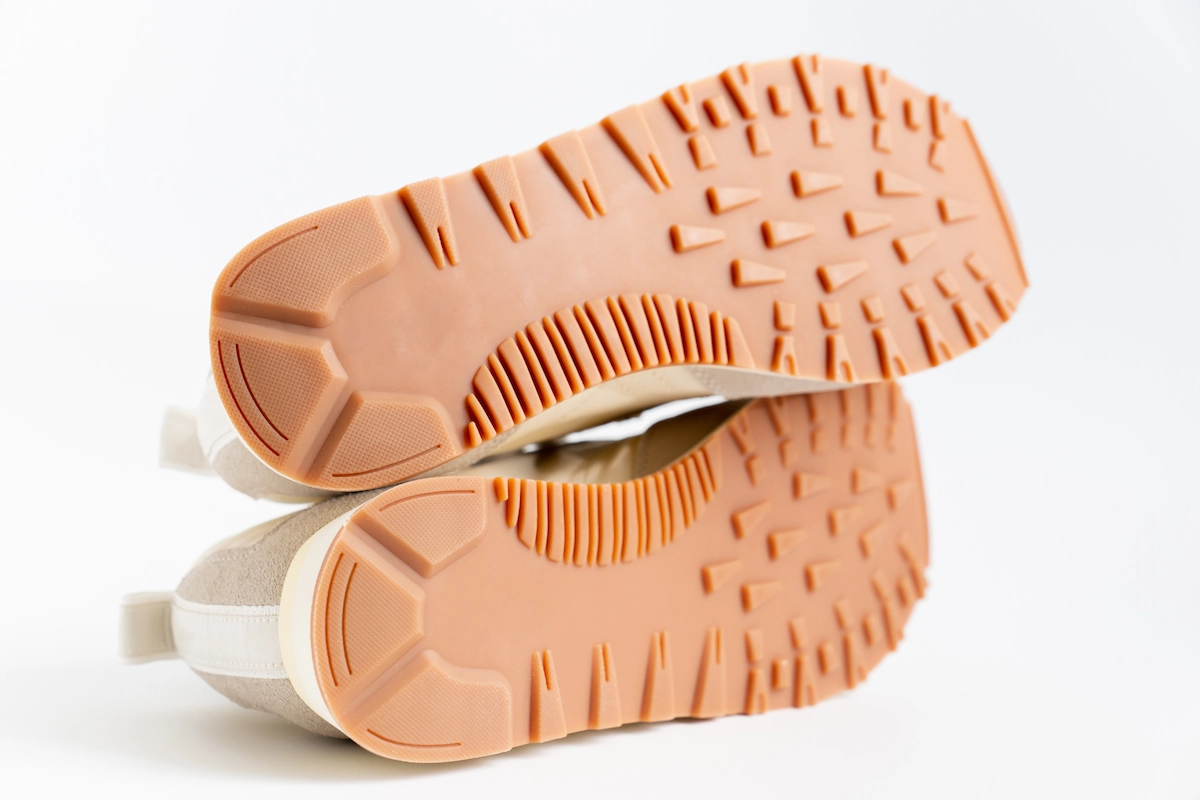
EVA (ethylene vinyl acetate) is a copolymer made from the polymerization of vinyl acetate and ethylene. It is developed from ethylene by adding vinyl acetate to improve its flexibility and elasticity compared to pure polyethylene. It was first invented in the 1950s by a company called DuPont.
In general, EVA has three structures based on the vinyl acetate composition: rubber-like, film-like, and foam-like structures. The vinyl acetate composition ranges from 10% to 50%, and the rest is ethylene.
The higher the vinyl acetate composition, the more flexible and soft the product is. Adjusting this composition makes it easier for manufacturers to create a wide variety of products, ranging from packaging to footwear.
Properties of Ethylene Vinyl Acetate
Ethylene vinyl acetate (EVA) has several properties and benefits as follows:
- Elastic and transparent.
- Has a high coefficient of friction and high tensile strength.
- Malleable.
- Lightweight.
- Water resistance.
- Has a low melting point.
- It is not easily affected by humidity and low temperatures but can degrade when the temperature exceeds 200 degrees Celsius.
- Strong.
- Has a low thermal conductivity, ideal for thermal and sound insulation.
- Resistant to UV and extreme weather.
- Resistant to chemicals, such as solvents, most acids, and oils.
- Flexible and versatile.
- Resistant to cracking.
Discover more: What is Polypropylene (PP)? Types, and Characteristics
Uses of Ethylene Vinyl Acetate
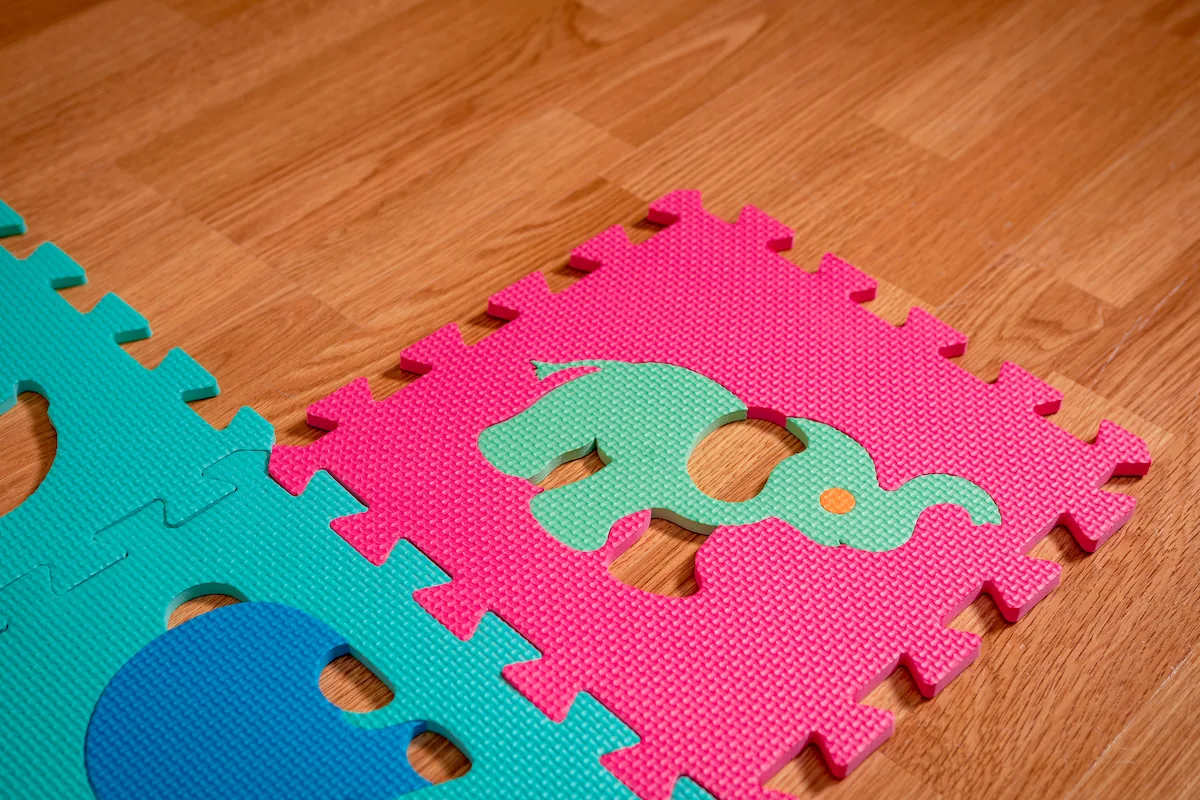
EVA is widely used across various sectors, such as:
1. Sports Equipment Industry
EVA is commonly used as a raw material for making athletic shoe soles, yoga mats, and other equipment because it is flexible, elastic, and wear-resistant. EVA shoe soles are also more comfortable and absorb shock like a cushion. It is also used to make padding for protective gear, helmets, and water sports equipment.
2. Manufacturing Industry
This industry uses EVA to make adhesives because it is flexible and has high adhesive strength. EVA adhesives are typically used in the manufacture of wood products.
3. Automotive Industry
EVA is used to make car bumpers, carpets, door panels, and molded components. It is chosen because it is lightweight and resistant to harsh environments, oils, and chemicals.
4. Packaging Industry
EVA absorbs vibrations and impacts, making it ideal for creating cushioning foam for packaging fragile products. This synthetic material helps keep products from shifting during shipping.
5. Health Industry
EVA is commonly found in medical equipment, such as catheters and tubes, because it is flexible and resistant to chemicals.
6. Solar Power Plant
Ethylene vinyl acetate is used to shield solar panel cells, helping increase their efficiency and durability.
Read also: Get to Know Polyethylene, a Flexible Plastic Material
Differences Between Ethylene Vinyl Acetate (EVA) and Polyvinyl Chloride (PVC)
EVA and PVC are synthetic materials commonly used in consumer products. Both are versatile plastics, but they have distinct chemical structures and physical properties. Here is the complete information:
| Ethylene Vinyl Acetate (EVA) | Polyvinyl Chloride (PVC) | |
| Materials | It is made from polymerized vinyl acetate and ethylene. | It is made from repeated units of vinyl chloride. |
| Manufacturing process | It is produced through high-pressure polymerization using a free-radical initiator, forming an EVA copolymer chain.
| It is produced through a suspension polymerization process, where vinyl chloride monomer is suspended in water and reacted with a free-radical initiator to initiate polymerization.
|
| Properties | Soft, lightweight, flexible, and comfy as a cushion. | Rigid, can be flexible but not too elastic, and strong. |
| Weight | Lighter than PVC. | Heavier than EVA. |
| Ability to absorb shocks | Absorbs impact well. | Less effective at absorbing impact. |
| Uses | EVA is suitable for products that require impact resistance or cushioning, such as shoe soles. | PVC is suitable for harsh environments that require high durability and strength, such as water pipes.
|
High-Quality Chemical Supplier for Various Industries
EVA and PVC are essential chemicals in a wide range of industrial products, including everyday items. To ensure optimal performance and safe use, you need to source high-quality chemicals from a reliable supplier.
In this regard, you can trust Chandra Asri Group. As a leading provider of energy, infrastructure, and chemical solutions in Southeast Asia, we offer a wide range of industrial chemicals, including ethylene, a raw material for EVA. Additionally, this olefin product can be used to produce polyethylene plastics and their derivatives, such as HDPE and LDPE.
Chandra Asri Group also offers a wide variety of other chemicals, including polypropylene, caustic soda, styrene monomer, ethylene dichloride for PVC, and many more.
Supported not only by our domestic operations, but we have also expanded into a broader market share through Aster, our Singapore-based subsidiary. Aster supplies chemicals such as propylene, styrene, HDPE, polyols, and others.
Together with Chandra Asri Group as #YourGrowthPartner, let’s bring reliable industrial products to life!
Explore more: Fiber-Reinforced Polymer (FRP): Advantages & Classifications

Blow Molding: How It Works, Types, and Materials Used

Customs Clearance: Steps, Documents, and Inspections
