

23-08-2026
Energy Management System (EMS): Aims, Functions, & Components
By Chandra Asri Group Editorial Team
Recently, many businesses have begun considering energy efficiency in operational processes, encouraging sustainable practices and optimizing energy use. By using an energy management system (EMS), you can monitor energy efficiency in the office.
This article discusses the purpose, components, and functions of an energy management system in operational processes. So, read the following information.
What Is an Energy Management System?
An energy management system (EMS) is a collection of technology and software intended to track, manage, and maximize energy use in buildings, facilities, and power plants, including the operating equipment utilized.
The primary objectives of an EMS are to ensure that machinery and equipment operate efficiently, reduce carbon emissions, and limit operational costs associated with energy consumption. Every analysis is data-driven, enabling companies to formulate more targeted energy efficiency strategies.
EMS implementations typically follow the ISO 50001 standard. This standard from the International Organization for Standardization governs the efficient and systematic management of energy through the development of energy policies, the continuous measurement and improvement of energy performance, the identification of energy-saving opportunities, and the enhancement of operational efficiency.
In connection with ISO 50001, PT Chandra Asri Pacific Tbk received the Energy Management Insight Award for its energy management program, which complies with ISO 50001 certification. CAP was appointed by the Ministry of Energy and Mineral Resources (ESDM) of the Republic of Indonesia as one of three representative organizations from Indonesia in the Clean Energy Ministerial Management Working Group.
Functions of Energy Management System
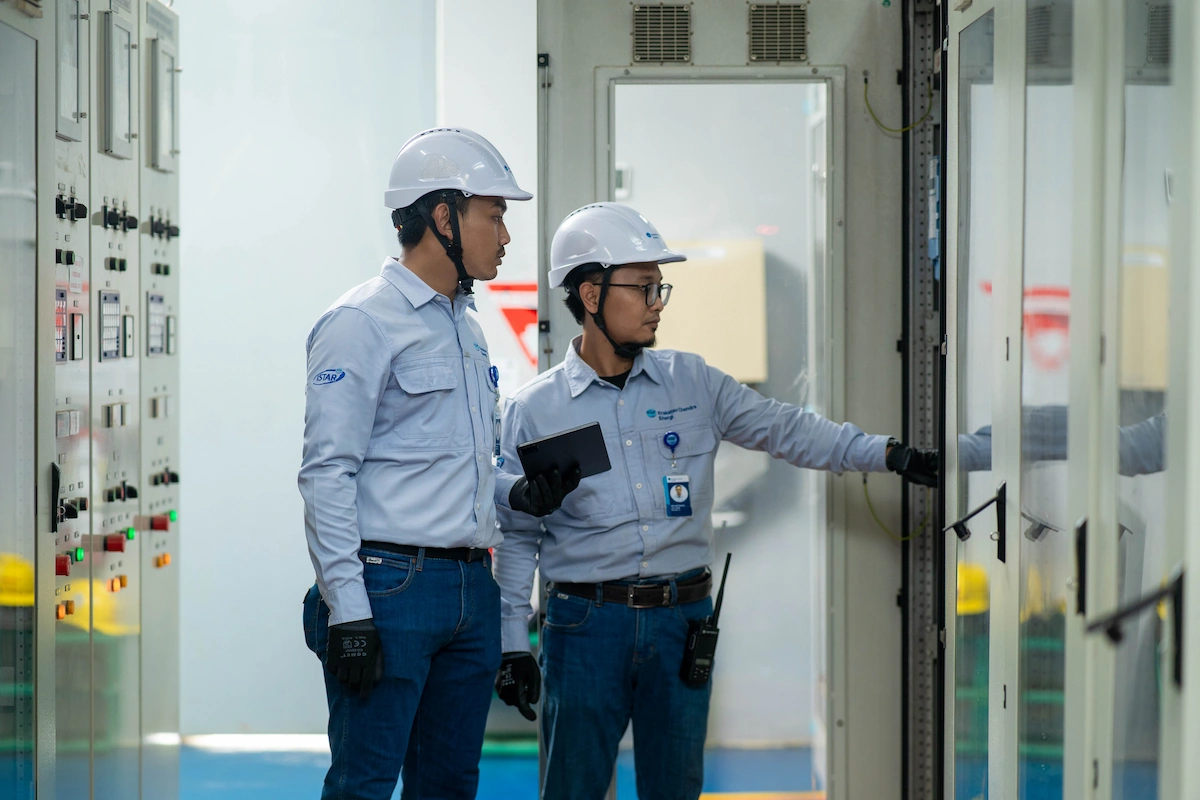
EMS has several functions in measuring energy consumption, such as:
1. Monitoring and Measuring Energy Consumption
The main function of an EMS is to monitor and measure overall energy consumption in real time. With EMS software, you can view the energy consumption of each room or facility. It is easier for companies to identify anomalies and analyze energy consumption patterns, allowing them to take preventive measures and develop more effective strategies.
2. Controlling Energy Use
EMS controls energy consumption by leveraging real-time data. The system can turn the equipment off when it is idle or adjust the cooling temperature in rooms to avoid energy waste.
3. Identifying Energy-Efficient Opportunities
EMS not only monitors energy consumption but also identifies energy efficiency opportunities. For example, EMS can analyze the energy use patterns and pinpoint inefficient equipment. Also, it will give recommendations for users, like installing certain technology or replacing the equipment.
You may also like: Levelized Cost of Energy (LCOE): How to Calculate It
4. Supporting Carbon Emission and Cost Reduction
EMS helps you significantly reduce energy consumption, lowering carbon emissions from your operational processes. Existing resources can be utilized more effectively, ensuring that no energy is wasted.
This also impacts the costs associated with energy consumption, allowing you to save on operating costs through more controlled and efficient energy use.
5. Reporting Energy Consumption Data
This system directly and accurately gathers data, which is then compiled into individual reports or energy audit reports.
Components of the Energy Management System
The energy management system analyzes and releases accurate and real-time energy flow data. Commonly, EMS has several components, such as:
- Software: Advanced algorithms control the energy assets according to needs and set the energy consumption limit based on the planned terms and regulations.
- Interface and dashboard: A platform that enables users to visualize data, manage energy flow, and set energy consumption parameters.
- Gateway: Collecting and managing energy flow data.
- Automatic control: It executes programmed algorithms that automatically manage equipment, such as lowering the air conditioning temperature. One example of an automated control system is a building automation system (BAS).
- SCADA: Supervisory control and data acquisition (SCADA) is software and hardware that serves as the “nervous system” of the EMS because it collects data from sensors and monitors the performance of physical devices, such as batteries and circuit breakers.
Regarding SCADA, PT Krakatau Chandra Energi (KCE), a subsidiary of Chandra Asri Group in the energy sector, utilizes SCADA to ensure reliability, efficiency, and safety in the management of industrial electrical systems. The collected data is analyzed so that the central system can control the facilities in an integrated manner.
In addition to technical components, an EMS also consists of practical components, such as establishing energy consumption policies, energy planning, implementing energy efficiency measures, monitoring energy consumption, and conducting periodic evaluations.
Discover more: Load Shedding: How It Works, Impacts, & Ways to Deal With It
Advantages of an Energy Management System
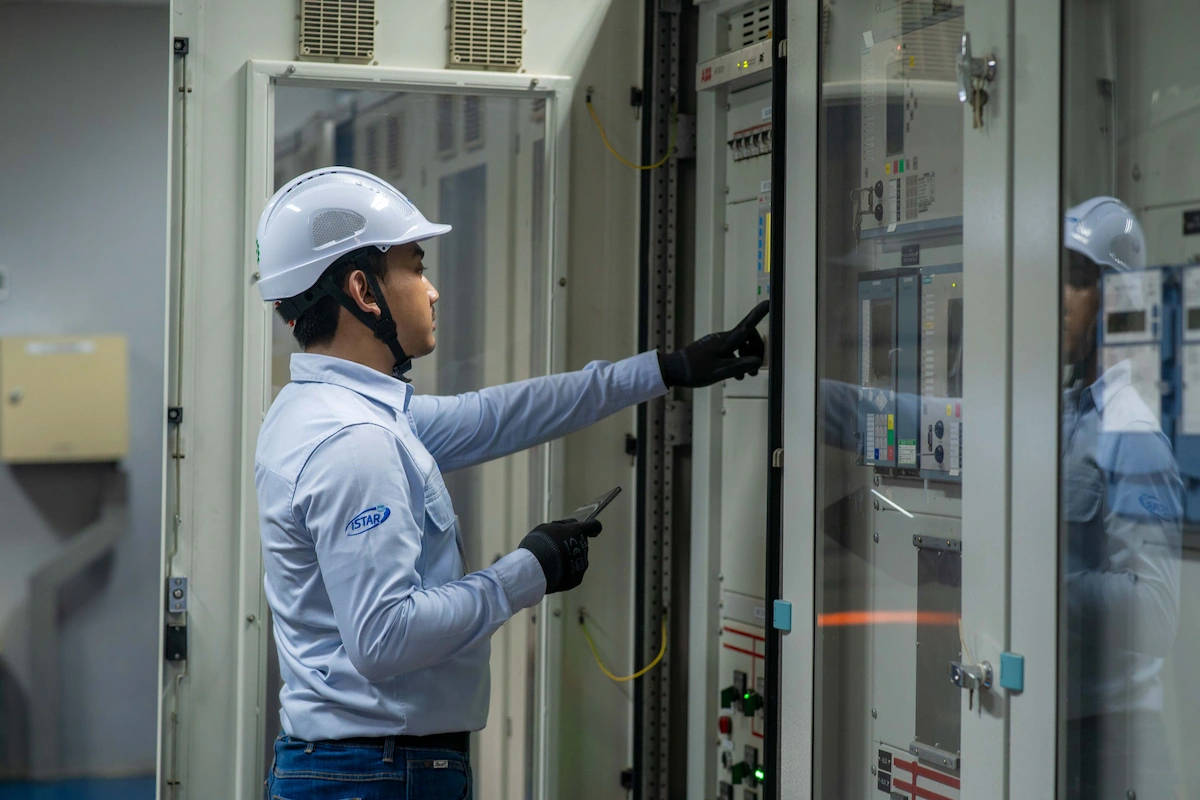
The energy management system offers several advantages for the environment, economy, and operation. Here are some of them:
- Saving energy through automatic integrated control.
- Serving energy consumption data to identify areas of improvement.
- Helping facilities use electronics strategically and efficiently.
- Preventing energy demand increases by managing consumption and patterns.
- Reducing the carbon footprint in business processes.
- Helping the company comply with the energy use standard, following the Environmental, Social, and Governance (ESG) framework.
- Helping the company leverage renewables for energy-efficient practices.
- Becoming one of the predictive maintenance initiatives aimed at identifying equipment and facilities that are energy-inefficient or have the potential to disrupt operational processes.
- Helping the company remain competitive through digital transformation.
Make Your Industrial Energy Consumption Efficient with Renewable Energy
EMS can maximize energy efficiency in solar panels, making them more cost-effective. This can be achieved by analyzing energy consumption patterns, forecasting future patterns, and identifying opportunities to allocate excess energy rather than limiting it. In other words, EMS can support the optimal utilization of renewable energy in the industrial sector.
Regarding renewable energy, Chandra Asri Group, through KCE, provides renewable energy solutions in the form of four solar panel systems: On-grid, off-grid, on-grid with backup batteries, and hybrid.
KCE’s solar power plant capacity has reached 11 MWp since 2020. Up to recently, KCE has served more than 200 industrial customers and over 1,500 residential customers.
In this regard, ensure that your company’s energy management operates effectively with the help of reliable solar panels from Chandra Asri Group and KCE as #YourGrowthPartner!
More to explore: Captive Power Plant: Definition, Types, and Benefits

Blow Molding: How It Works, Types, and Materials Used

Customs Clearance: Steps, Documents, and Inspections
